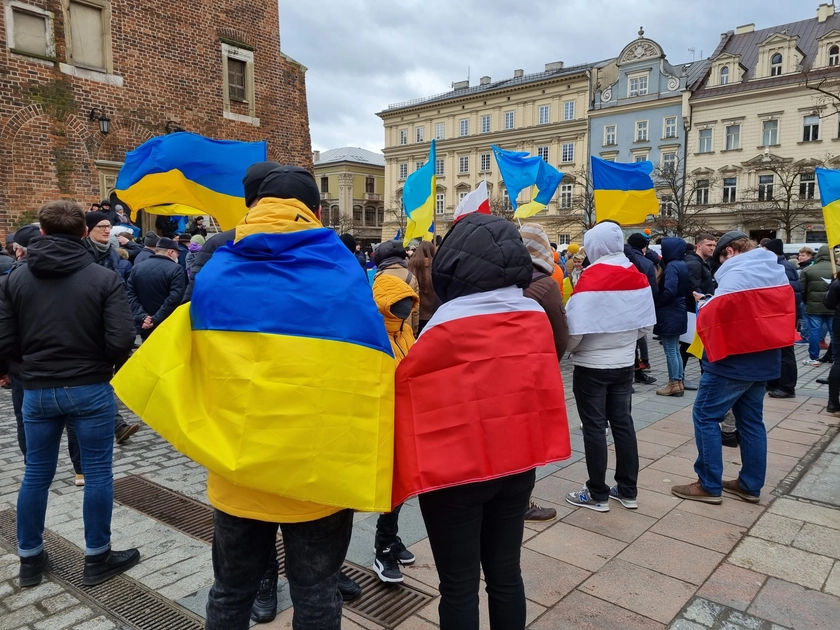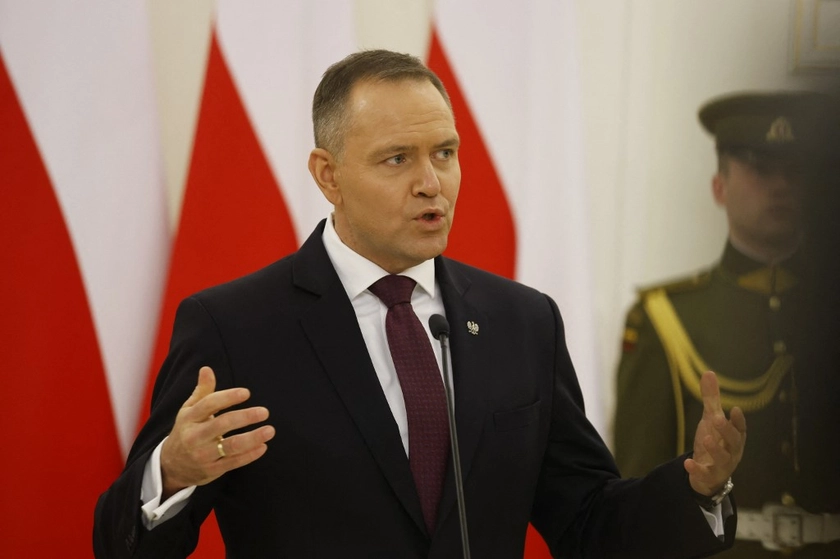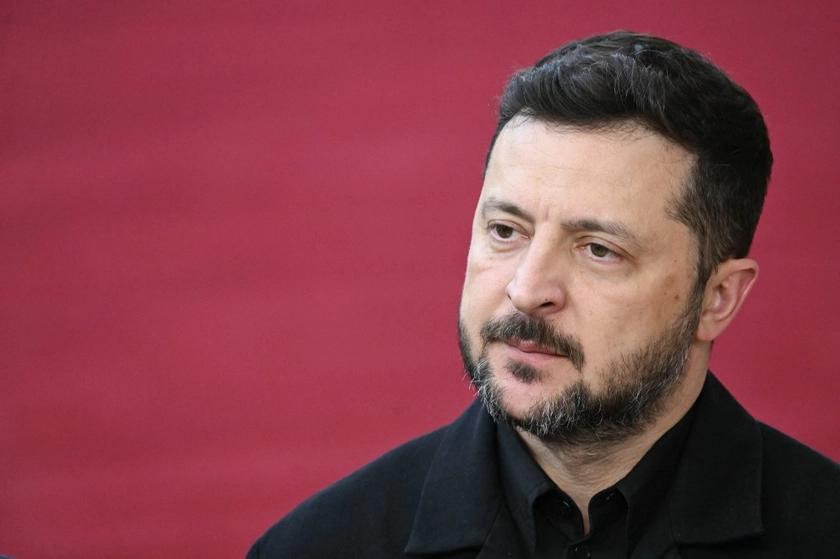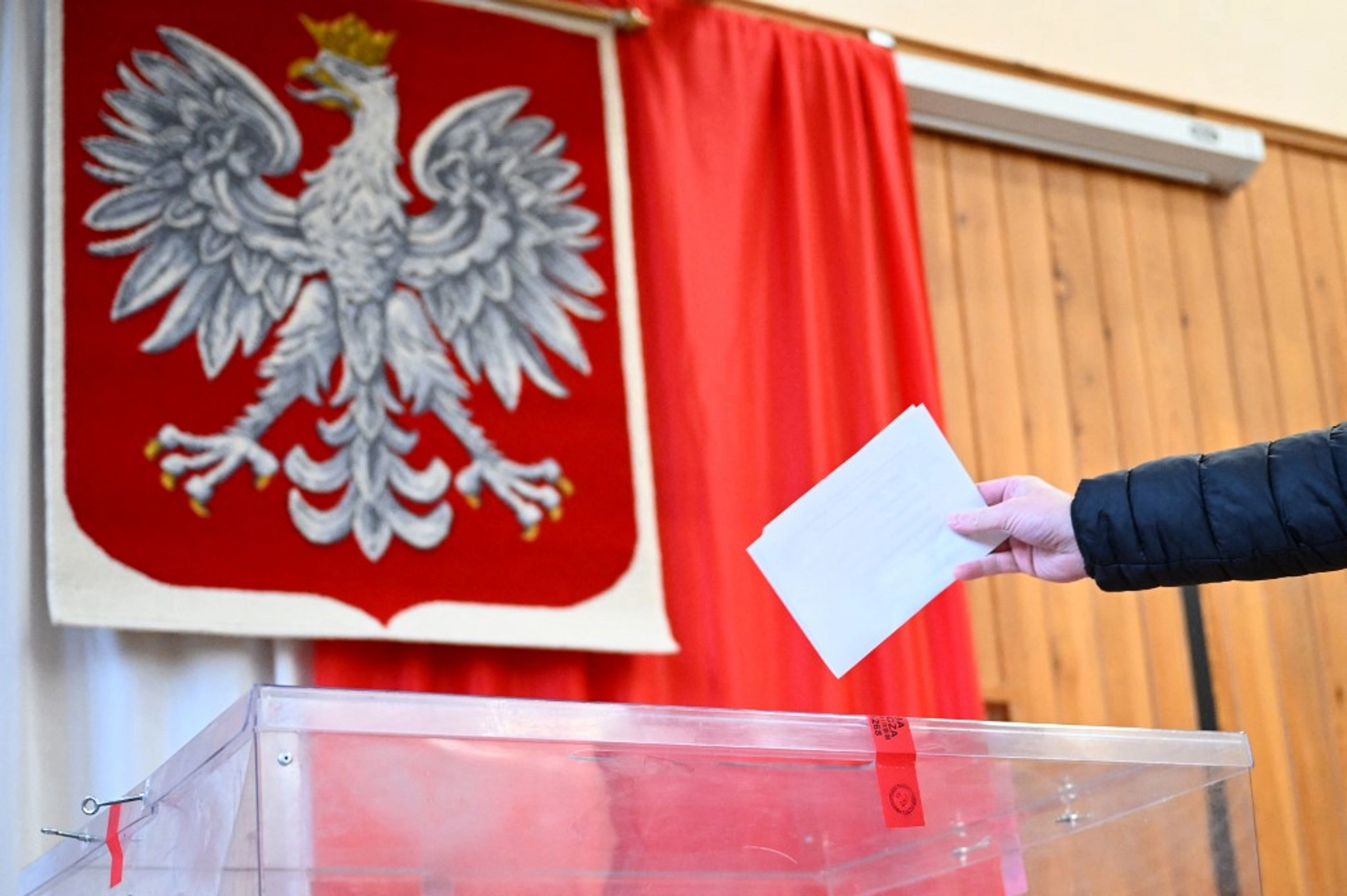
Russia has intensified its information war against Poland in the run-up to the country’s presidential election, spreading fake news about the government’s policies and the EU, Ukraine’s military intelligence agency (HUR) said on Sunday.
The agency said Russian special services have been pushing “false and manipulative content” on social media platforms since March in an attempt to influence Polish voters.
JOIN US ON TELEGRAM
Follow our coverage of the war on the @Kyivpost_official.
These narratives are allegedly spread by bot farms and fake accounts posing as real voters, and are part of a long-running special operation called “Doppelganger”.
“The main messages used by the Kremlin are criticism of Poland’s support for Ukraine, calling for the country to leave the European Union and discrediting the policy of Donald Tusk’s government,” HUR wrote in a post on social media.
“At the same time, pro-Russian media are shaping a negative image of Ukraine, calling it the main factor behind “chaos” in Polish politics,” it added.
The “Doppelganger” disinformation campaign is one of the largest and longest-running Russia uses against EU and NATO members, HUR said. It claimed that Moscow’s ultimate goal is to weaken unity between the allies.
“As part of this operation, Kremlin intelligence services create websites and social media pages that imitate real Western media in terms of content and appearance. (...) The Kremlin spreads disinformation under the guise of real news,” HUR wrote.
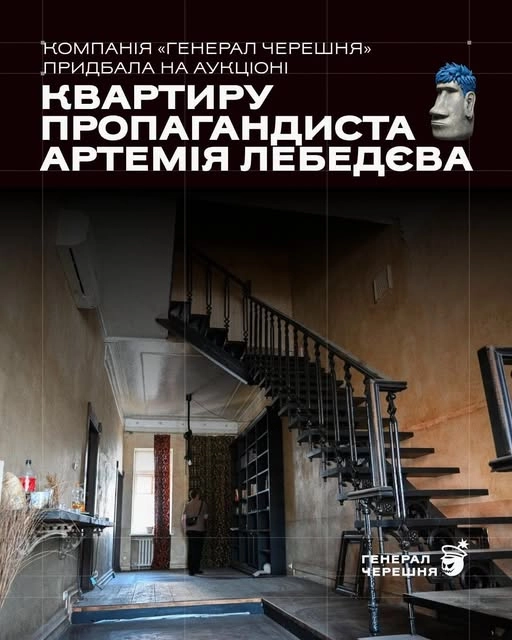
Ukrainian Drone Maker Buys Seized Apartment of Russian Propagandist
Attempts to sow division
A recent study by Alliance4Europe, an organization focused on European democracy and information integrity, and Debunk.org, a group specializing in disinformation analysis, found “Doppelganger” also used genuine articles from Polish media about potentially divisive issues.
An analysis of nearly 300 posts on the X platform from early March to early April 2024 showed that in Poland, the campaign used real articles from known Polish media outlets such as TVP.Info, wPolityce.pl, and Bankier.pl, among others.
Researchers assessed the immediate impact as limited but warned of potential rapid escalation and “infection” of the media environment.
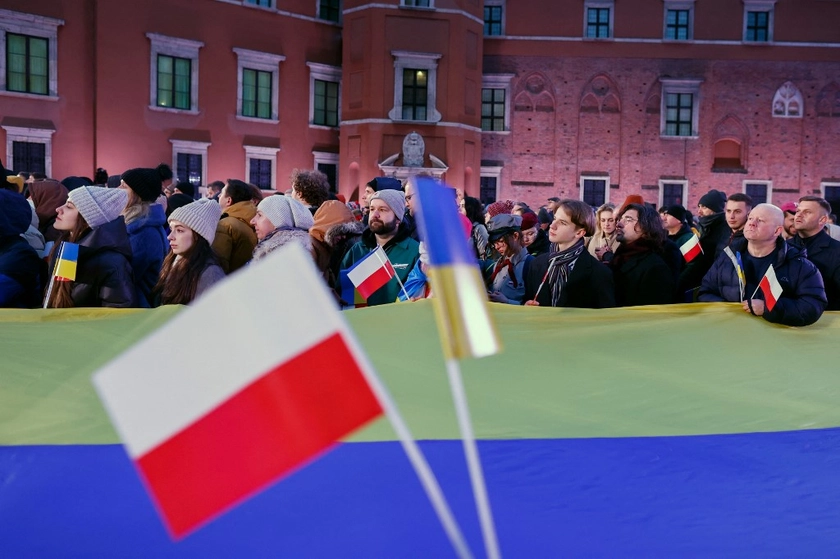
Poles voted on Sunday in the first round of the country’s presidential election.
You can also highlight the text and press Ctrl + Enter