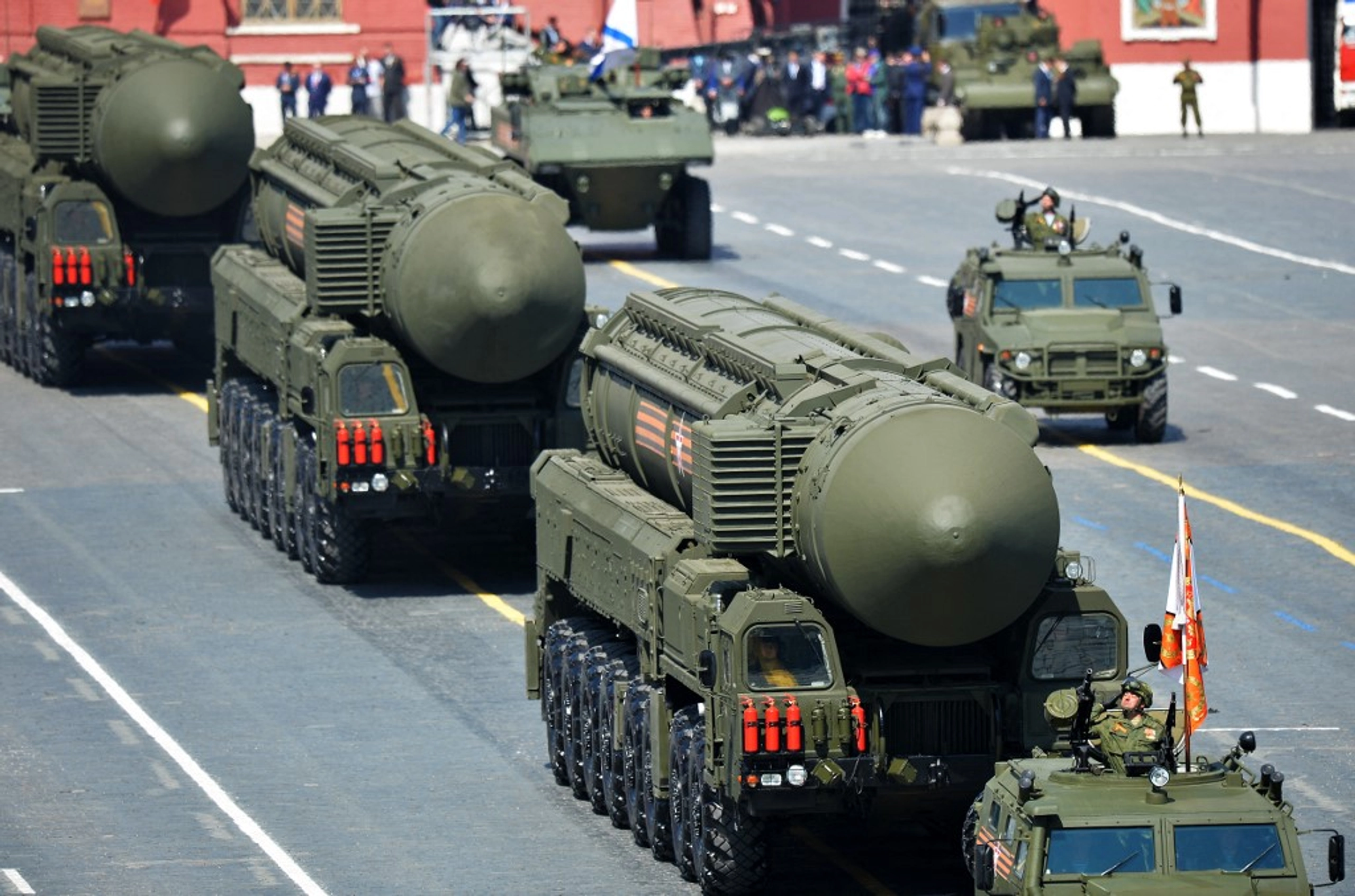
Russia reportedly failed to launch its RS-24 Yars intercontinental ballistic missile (ICBM) early Monday morning, May 19, despite previous announcements of a planned “training and combat” launch.
On Sunday, Ukraine’s Main Intelligence Directorate (HUR) reported on Telegram that Russia planned the launch to exert pressure on Ukraine, the EU, and NATO member states. The missile was expected to carry an inert warhead and was said to have a flight range exceeding 10,000 kilometers (6,250 miles).
JOIN US ON TELEGRAM
Follow our coverage of the war on the @Kyivpost_official.
According to the Defense Express media outlet, the reported launch location was highly unusual – close to the town of Svobodny in Russia’s Sverdlovsk region, where the 433rd Regiment of the 42nd Division of the 31st Army of the Russian Strategic Missile Forces is stationed.
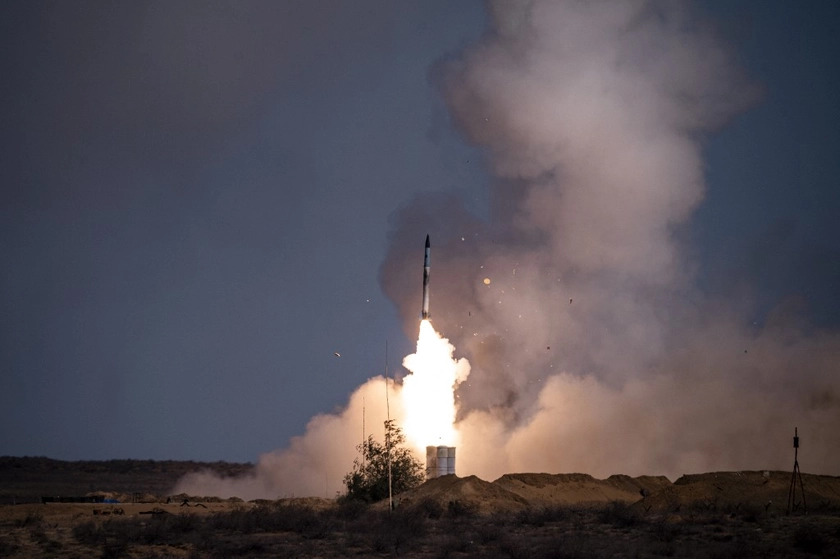
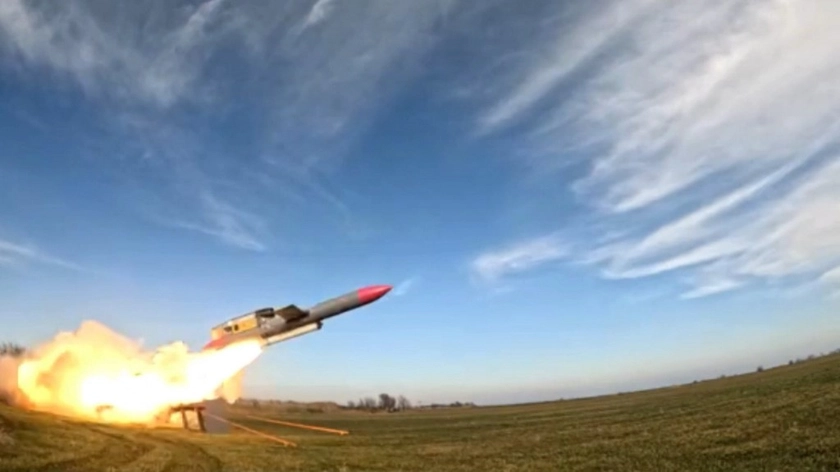
This raised the likelihood of images of the launch being captured by locals and widely circulated on social media. However, no such footage has appeared online, leading experts to question whether the launch occurred at all.
Defense Express suggests that if the launch had taken place, social media would likely have been flooded with images like those shown below.
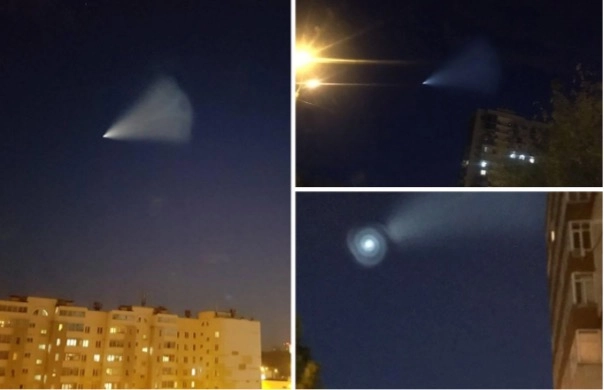
Defense Express collage
“In 2023, Russia failed twice to properly launch the Yars missile - it veered off course both times,” the outlet added.

Ukraine Thwarts Russian-Backed FPV Drone Assassination Plot to Kill Senior HUR Official
While the reason for the cancellation remains unknown, analysts suggest a failed pre-launch inspection or a technical malfunction during the initial stage of flight.
Another theory: the Kremlin opted not to risk exposing further flaws in its nuclear deterrent ahead of Monday’s anticipated telephone call between Russia’s President Vladimir Putin and US President Donald Trump.
Kyiv Post reached out to HUR for comment on the reasons why the launch did not take place but they declined to comment on the issue.
The RS-24 Yars is a fifth-generation strategic missile designed to deliver nuclear warheads over intercontinental distances. Developed by the Moscow Institute of Thermal Engineering, it replaced the Topol-M system and entered service in 2009.
The Yars system exists in both silo-based and mobile versions and is equipped with three to six independently targetable reentry vehicles (warheads), each with a yield of about 500 kilotons – dozens of times stronger than the Hiroshima bomb. The missile can maneuver mid-flight, helping it evade missile defense systems.
Key features include:
- Range: 10,000–12,000 km
- Speed: Over Mach 20 in its final phase
- Defense evasion: Hypersonic warheads and decoy deployment
- Mobility: Difficult to track due to road-mobile launchers
Since 2007, Russia reportedly has conducted more than 10 test and training launches of the Yars, typically with dummy warheads.
The most recent Yars launch occurred on Oct. 18, 2022, following Russia’s full-scale invasion of Ukraine.
Separately, Russia used an mediu8me range ballistic missile, which they referred to as the Oreshnik, also probably armed with inert warheads against Ukraine’s Pivdenmash plant in Dnipro on Nov. 21, 2024. Launched from the Kapustin Yar test site in the Astrakhan region, the missile reached speeds of Mach 11. Analysts believe it may be a modified RS-26 Rubezh ICBM also capable of carrying nuclear payloads.
On May 9, Russian Telegram channels claimed that Putin had ordered “target identification for a strike on Kyiv” using an Oreshnik missile – claims dismissed by Ukraine’s National Security Council as another failed intimidation tactic.
Recently, the HUR commander, Kyrylo Budanov, said that the agency always issues a warning if there is a credible threat of weapon use.
“You saw that there was no information from HUR [regarding a possible Oreshnik missile strike]. Stay calm. Unfortunately, when something does happen, you always see a warning from us,” he told journalists.
You can also highlight the text and press Ctrl + Enter