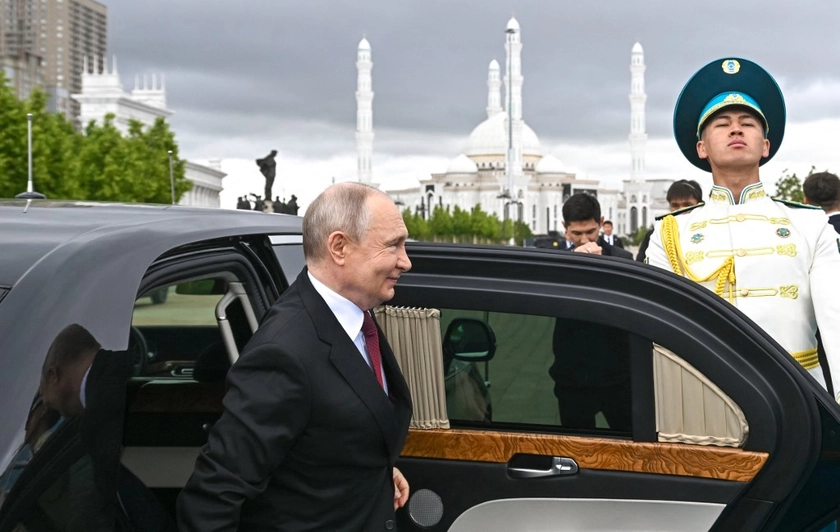
Ukrainian intelligence has intercepted classified internal polling and forecast documents originally intended for the highest levels of the Russian government, revealing a Kremlin increasingly anxious about its own domestic stability.
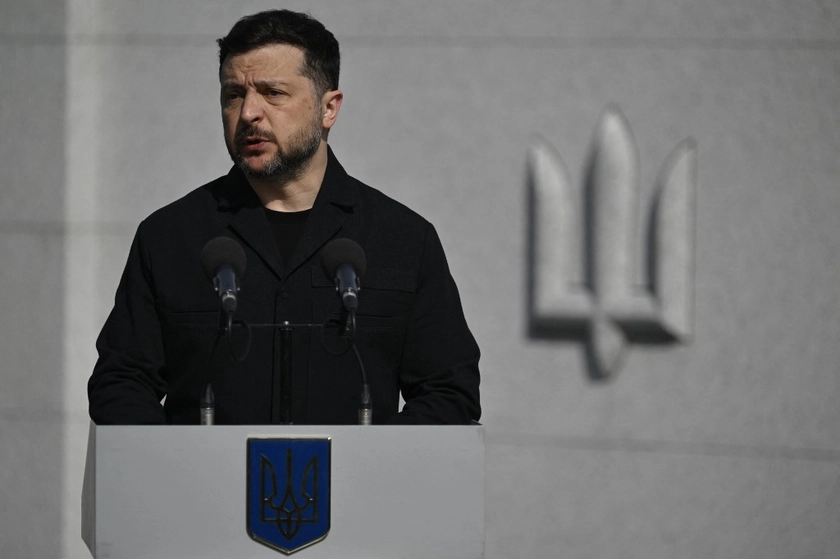
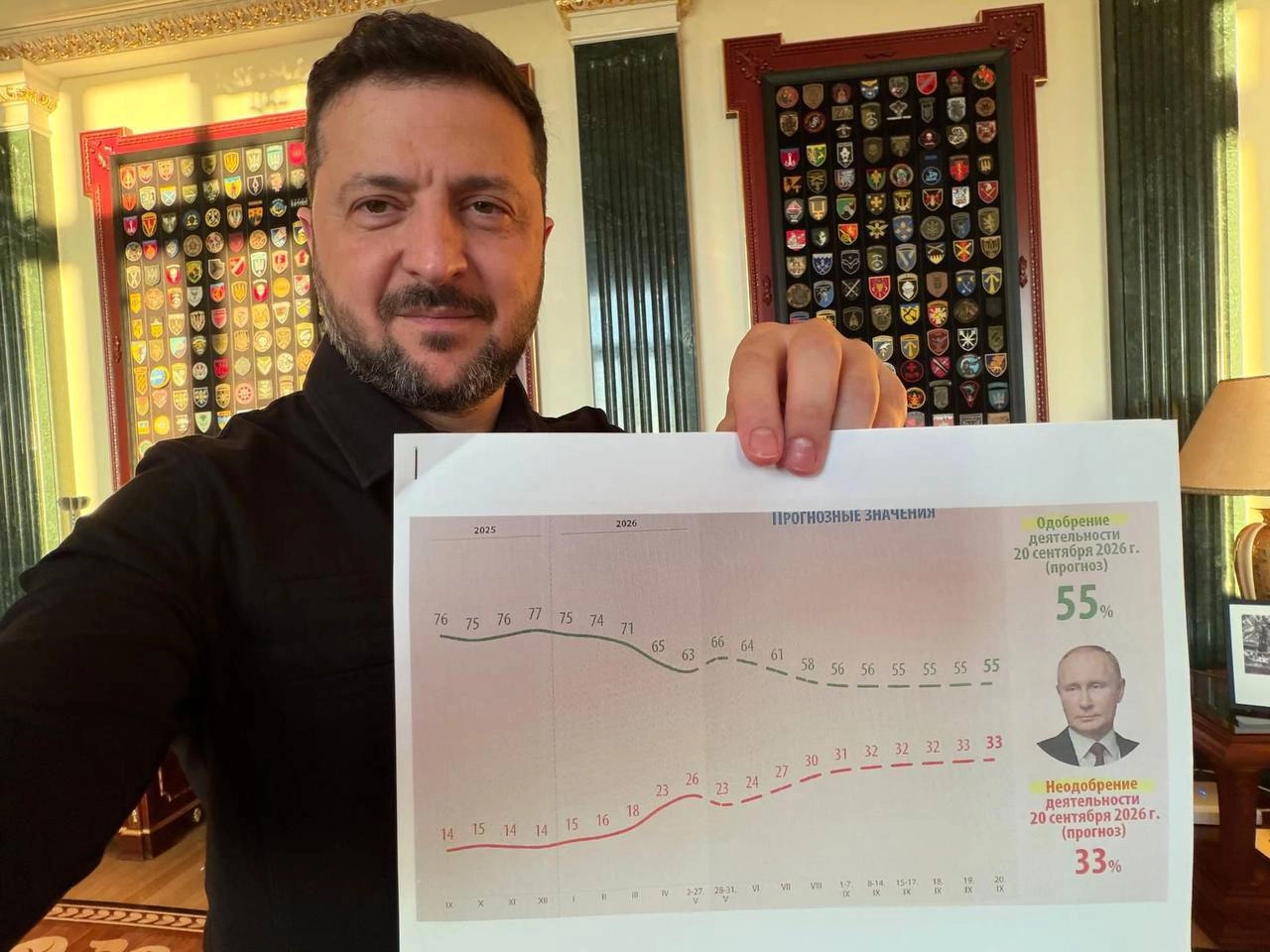
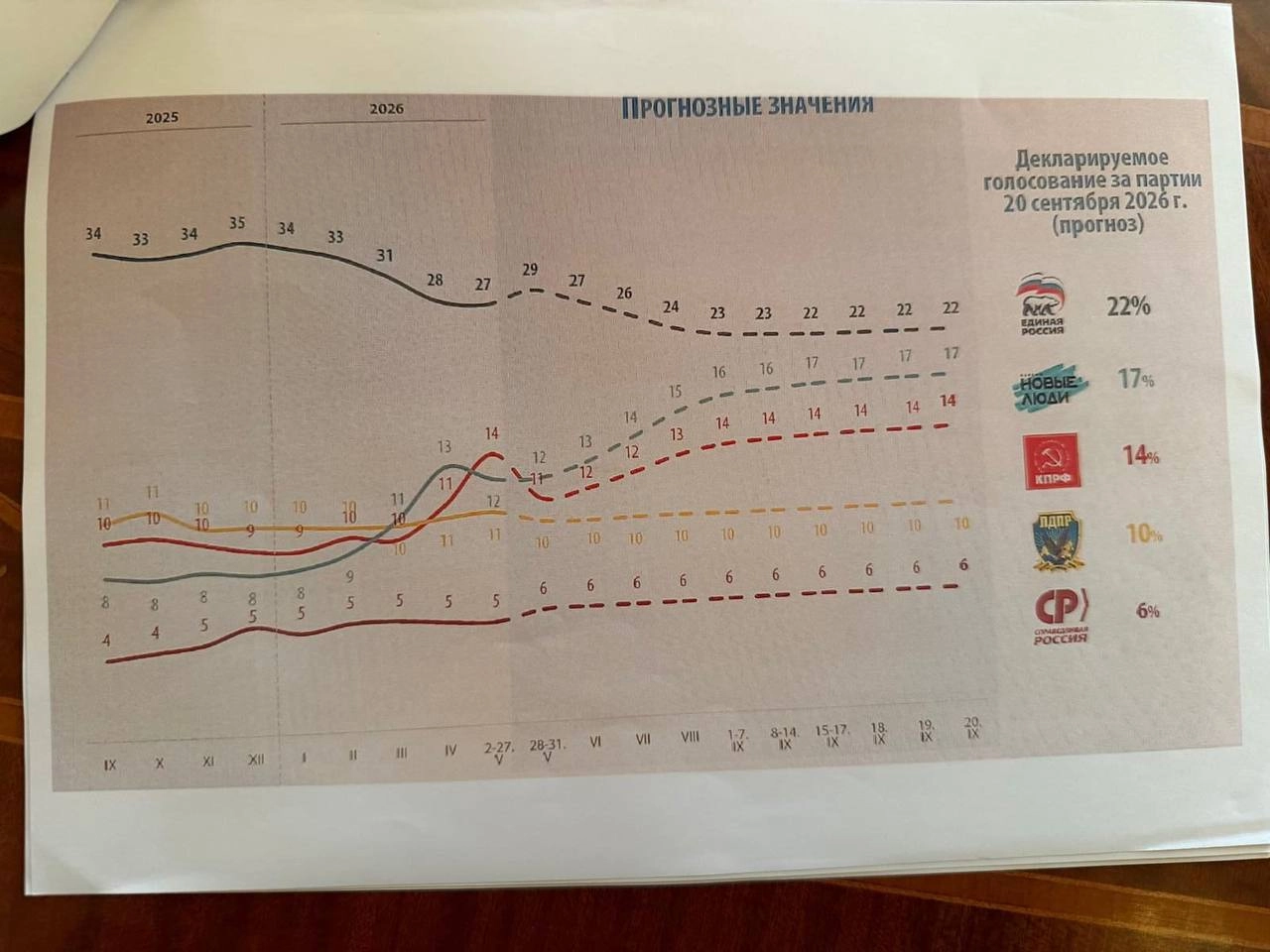
President Volodymyr Zelensky showed on Telegram the Russian state’s internal projections showing Vladimir Putin’s domestic standing as the country approaches a critical political milestone.
JOIN US ON TELEGRAM
Follow our coverage of the war on the @Kyivpost_official.
The leaked forecasts
The intercepted documents provide a classified assessment of Russian public sentiment leading up to the scheduled parliamentary elections.
“The so-called forecast indicators of Russians’ dissatisfaction with Putin will continue to grow steadily,” Zelensky stated. “He has already begun to be accustomed to the idea that the growth of dissatisfaction cannot be stopped, and this indicator will not ‘plateau’ before September, when parliamentary elections are scheduled in Russia.”
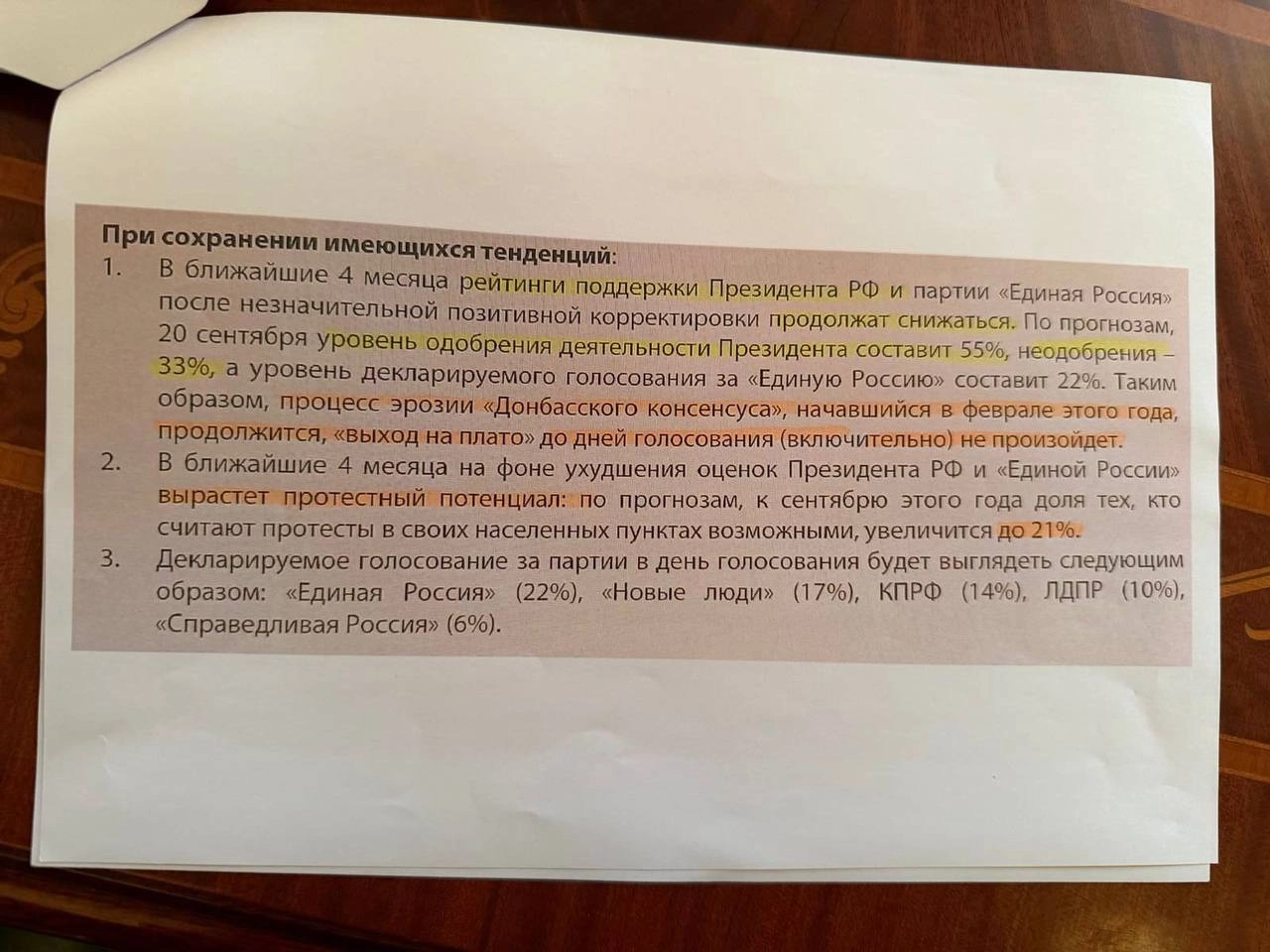
According to the data acquired by Kyiv, internal Russian analysts project that by September 20, 2026, 55% of the Russian population will approve of Putin’s actions, while 33% will explicitly express disapproval, leaving the remaining 12% as undecided or falling into other categories.
Despite strikes on Ukraine, Russian advances slow, analysts say
Beyond the presidency, the ruling United Russia party is experiencing a crisis of confidence. The intelligence reports note a “steady downward trend” in support for the ruling faction. Consequently, Kremlin analysts acknowledge that holding the State Duma will require “significantly more falsifications” than in previous electoral cycles.
Furthermore, the documents detail a substantial and measurable growth in “protest moods” across various Russian regions.
Drones, losses, and summer crises
Zelensky highlighted a caveat regarding the intercepted data: these projections were calculated before factoring in the military and economic reality of the current summer.
“We believe that these reports do not even take into account the potential events of June, July, and August, which cannot but affect the situation in Russia additionally,” the President noted.
On June 12, Putin signed an executive decree expanding the official staffing size of the Russian Armed Forces, adding thousands of personnel to active duty. This marks the second administrative expansion in four months, operating as a “creeping mobilization” to offset frontline losses.
During a recent Russia Day event – which was notably moved indoors off Red Square – Putin admitted that Ukrainian drones are causing severe, daily problems for Russian troops and logistics. Russian servicemen openly complained to Putin about their inability to counter Ukrainian UAVs utilizing Starlink and advanced frequencies.
With drone strikes disrupting domestic oil refineries and military logistics, the war is no longer a classified battlefield problem hidden from the Russian public.
Pushing Toward a Breaking Point
Moscow continues to project outward hostility. Zelensky noted that Kyiv’s public and private proposals for a dignified peace have been met only with Kremlin rhetoric doubling down on the invasion.
However, Ukraine believes the internal numbers tell the true story. Zelensky assured that kinetic and economic pressure on Russia will only escalate through the summer, inevitably driving Putin’s approval metrics even lower by the fall.
“The internal Russian situation should convince them of the opposite: that peace is needed,” Zelensky concluded. “Obviously, the trends will not change, and over time, this may mean that an agreement will have to be concluded with someone else from Russia – with someone who will not close themselves off from reality.”
You can also highlight the text and press Ctrl + Enter

Putin’s Worst Nightmare