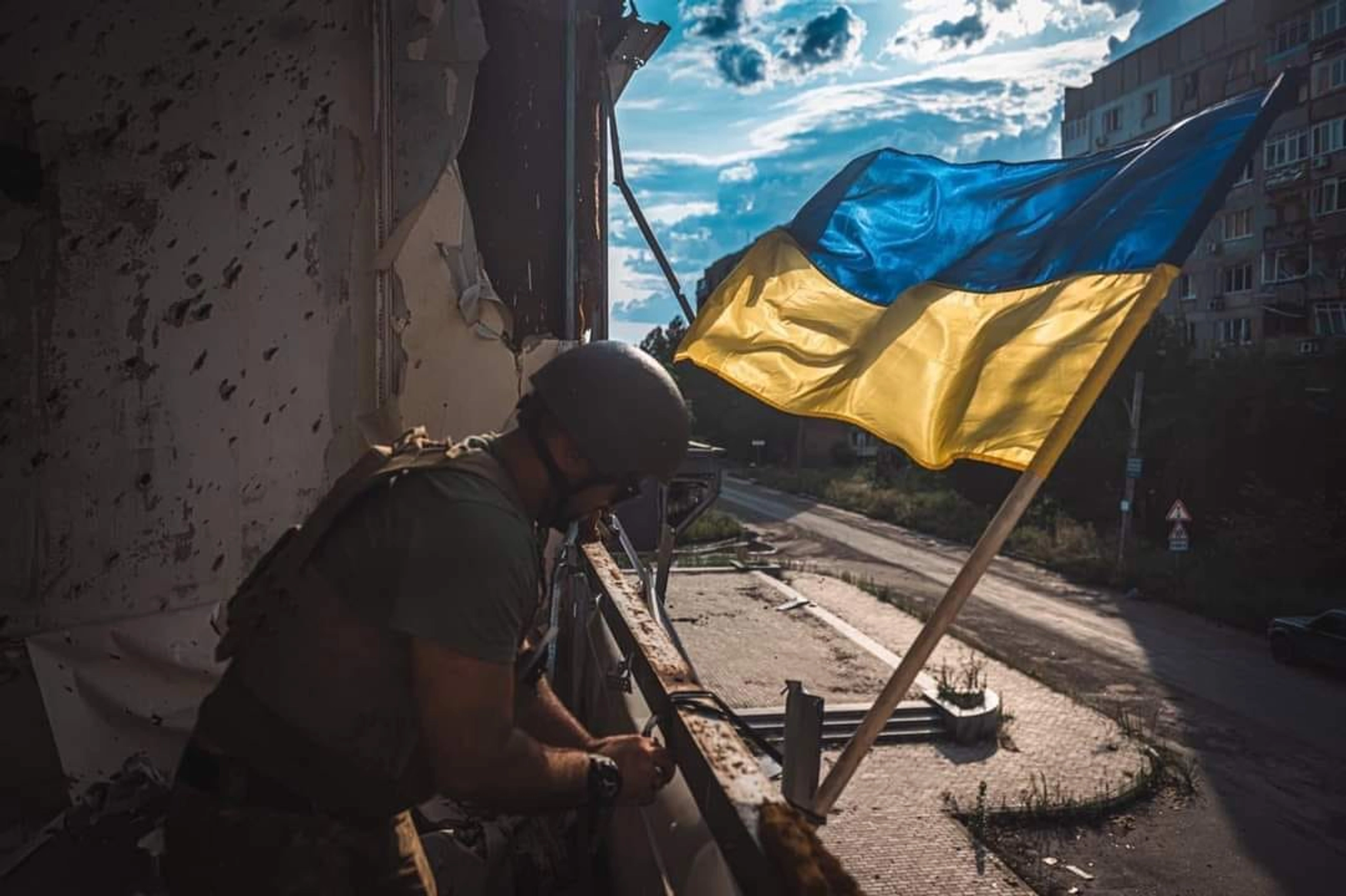
Since Russia launched its full-scale invasion of Ukraine in February 2022, a troubling pattern has emerged in Western public discourse. Some voices, across the political spectrum, aren’t waving Russian flags, but they’re also not standing with Ukraine. Instead, they are dressing up moral evasion in polished, academic language that subtly undermines Ukraine’s right to exist and defend itself. Let’s be clear: this is not neutrality. It is surrender dressed up as complexity. And it is dangerous.
These arguments often appear reasonable on the surface. They suggest that Russia was provoked by NATO. They frame Ukraine as too corrupt or chaotic to support. They downplay Ukrainian resistance by calling it a proxy war. Or they advocate “peace” without demanding accountability or withdrawal. These positions are not harmless debates. They are rhetorical cover for aggression.
JOIN US ON TELEGRAM
Follow our coverage of the war on the @Kyivpost_official.
Take the claim that NATO provoked Russia. NATO expansion is a legitimate topic of discussion. But using it to justify war erases Moscow’s responsibility and denies Ukraine its sovereignty. Ukraine, like any other nation, has the right to choose its alliances. Suggesting otherwise validates imperial thinking.
Another claim is that Ukraine is too corrupt to be worth defending. Yes, corruption exists in Ukraine, just as it does in countries far more stable and secure. But no amount of corruption justifies invasion. And under the pressure of war, Ukraine has enacted serious reforms and continues to fight not just for survival, but for democracy. That is not a reason to abandon the country, it is a reason to support it.
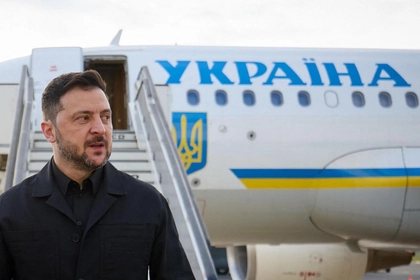
Zelensky Says Putin Rejected G7 Peace Talks Offer
Some argue that Ukraine is merely a pawn in a great power standoff between the US and Russia. That is a cynical oversimplification. Ukrainians chose to resist. They chose democracy. Dismissing their sacrifice as someone else’s strategy strips them of agency and dignity.
Then there is the push for an immediate ceasefire, framed as the path to peace. But peace without justice is not peace. It is appeasement. A ceasefire that locks in occupation and ignores war crimes is not a solution; it is complicity. Ukrainians are not prolonging war for its own sake. They are fighting because they know what happens if they stop.
These narratives do not only come from fringe voices. They show up in think tanks, editorials, and viral threads. Sometimes they come from far-right figures who admire strongmen and resent democratic values. Sometimes they come from far-left thinkers who oppose anything associated with US foreign policy. And sometimes they come from centrists and realists who would rather prioritize stability than principle.
Different origins. Same effect. They weaken Ukraine’s support and embolden authoritarianism. These arguments are persuasive precisely because they sound sophisticated. They offer the illusion of complexity. They allow people to avoid uncomfortable truths while still appearing thoughtful. But that kind of nuance is not wisdom, it is a smokescreen.
As Golda Meir, former prime minister of Israel, once said: “If the Arabs put down their weapons today, there would be no more violence. If the Jews put down their weapons today, there would be no more Israel.” The same applies here. If Ukrainians lay down their weapons, their country could disappear. If Russia stops fighting, the war ends. That is the brutal, unvarnished truth.
This is not abstract. Words shape public opinion. Public opinion shapes policy. And policy determines lives. When Western voices excuse or soften Russia’s aggression, they do not just fail Ukraine. They fail democracy everywhere.
Ukraine is not only defending territory. It is defending the right to exist as a sovereign, democratic state. To treat this as anything less is to excuse aggression. Standing with Ukraine does not mean ignoring nuance. It means refusing to use nuance to justify inaction. It means recognizing that flawed democracies are still worth defending. It means speaking up, challenging false equivalencies, and supporting aid, security, and truth. Neutrality in the face of injustice is not strength. It is surrender. Saying “both sides” is not insight. It is abdication.
If you believe in democracy, the choice is clear. Aggression wrapped in polite language is still aggression. Cowardice cloaked in neutrality is still betrayal. Ukraine does not need analysis from afar. It needs clarity. It needs courage. It needs allies who understand that this is not just about borders, it is about the survival of a nation and the future of democracy itself. History will remember those who stood against the tide. So let it remember Ukraine – for the right reasons. Not because the world pitied it, but because the world refused to look away.
Stand up. Speak out. Or step aside.
Bohdan Cherniawski is a military veteran, historian, and writer focused on Eastern European political history, intelligence, and global health in conflict zones.
The views expressed are the author’s and not necessarily of Kyiv Post.
You can also highlight the text and press Ctrl + Enter