SMYRTOS, a sanctioned Russian tanker boarded by the UK over the weekend in Britain’s first operation of its kind, has exposed how Russia’s so-called shadow fleet operates, according to Ukraine’s presidential sanctions policy adviser, Vladyslav Vlasyuk.
Vlasyuk said SMYRTOS has demonstrated how Russia has used rapidly shifting ownership structures, opaque management chains, and flag‑hopping tactics to evade international sanctions on oil exports.
JOIN US ON TELEGRAM
Follow our coverage of the war on the @Kyivpost_official.
He said the vessel has undergone repeated changes in ownership and management over the past year while continuing to operate on routes used for Russian oil exports.
Vlasyuk told Kyiv Post that after February 2025, the tanker was renamed from MYRTOS to SMYRTOS and altered its management structure. The tanker was part of Russia’s export system, particularly operating from the port of Kozmino, one of Russia’s key terminals for oil shipments to Asian markets.
At various points, the vessel was linked to Daira Shipping Ltd (Seychelles), Crest Maritime Pte Ltd (Singapore), and later Zhao Yao Shipping Ltd (Hong Kong), while its ultimate beneficial owners remained unclear.
Vlasyuk said that Crest Maritime also operated other tankers involved in Russian oil exports after the introduction of sanctions and the G7 price cap.
SMYRTOS also repeatedly changed flags, including operating under Cameroon’s registry – a practice commonly used to complicate oversight of vessels and conceal previous operations.
Zelensky Proposes G7 Meeting With Putin to End War
After this, Ukraine imposed sanctions on the tanker in December 2025.
By the time it was detained by British authorities, the vessel was already sanctioned by the EU, Switzerland, the UK, and Canada.
Despite this, on June 5, SMYRTOS loaded oil at Ust-Luga and departed for Egypt, carrying an estimated 600,000 barrels of oil – a standard volume for such a voyage.
Vlasyuk described SMYRTOS as a typical shadow fleet vessel, arguing that its continued operation demonstrates that sanctions alone have a limited impact without physical enforcement over transportation routes.
Continued pressure
“The next logical step is more inspections and arrests of tankers on key sea routes,” Vlasyuk said.
He added that Ukraine is working to create additional legal mechanisms to arrest vessels and confiscate illegally transported oil, while sharing intelligence with partner countries.
Ukraine also expects further legislative action from the EU.
Vlasyuk said the UK is moving beyond sanctions toward practical enforcement in its own waters.
He said the tougher approach comes partly in response to cases where shadow fleet tankers were escorted by Russian military assets, creating additional risks for sanctions enforcement.
According to Vlasyuk, Britain’s actions could set a precedent for other allies to increase real pressure on Russia’s oil trade.
“We are grateful to Britain for this important step against Russia’s shadow fleet. Every decision by partners that reduces Russia’s oil revenues directly affects the ability to wage war against Ukraine,” he said.
The Times reported in April that the UK had not seized a single tanker despite its pledges due to disputes between departments over who would bear the cost.
SMYRTOS’s seizure on Sunday
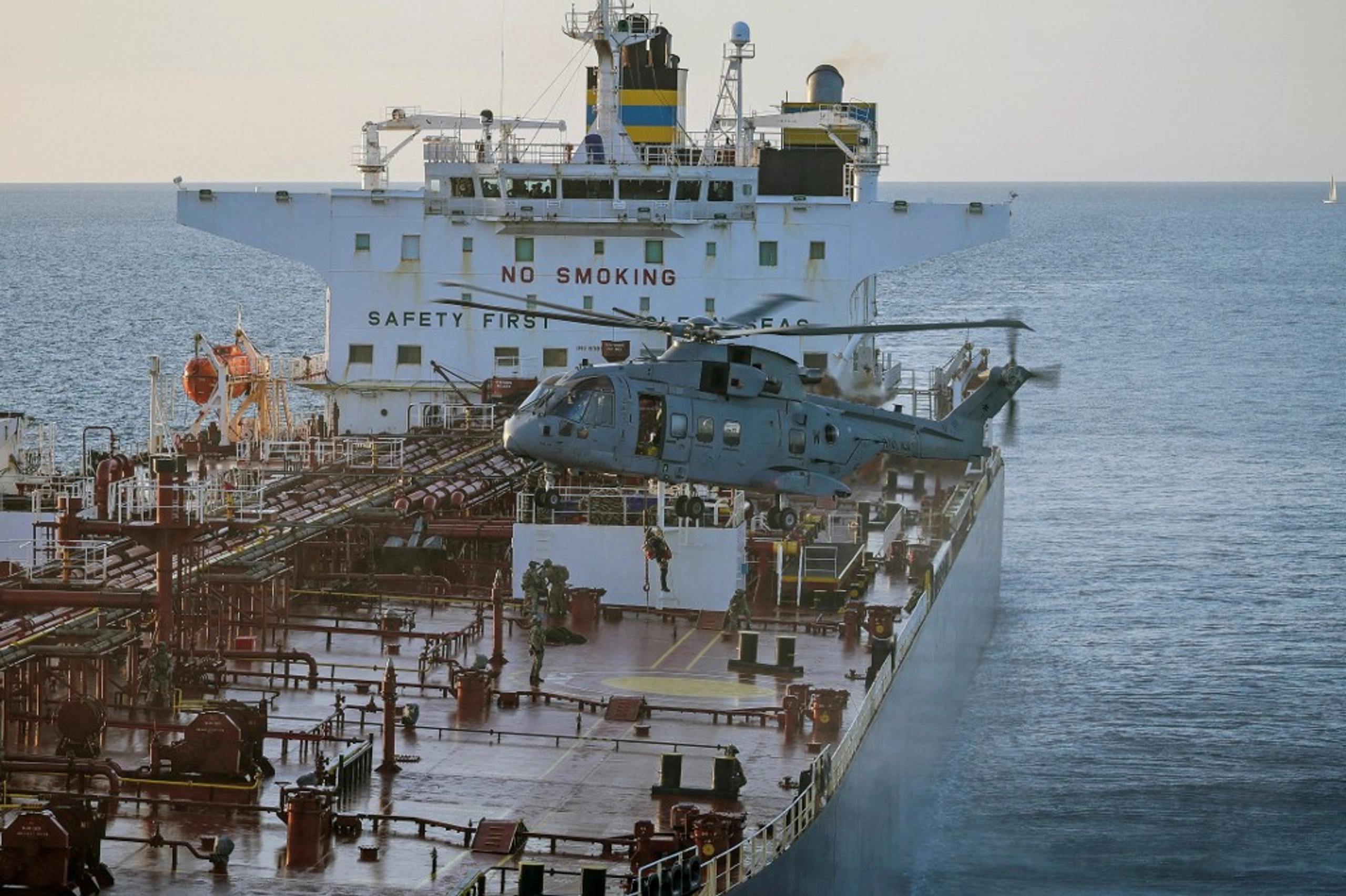
According to UK Prime Minister Sir Keir Starmer, UK authorities boarded and seized the tanker SMYRTOS in the English Channel early on Sunday.
The operation – the first of its kind by the UK against a sanctioned Russian tanker in its waters – lasted six hours and was carried out in coordination with France.
It involved Royal Marines, National Crime Agency officers, and support from HMS Sutherland, HMS Ledbury, military helicopters, and a RAF P-8 Poseidon aircraft.
The vessel was diverted to an anchorage off southern England for inspection over environmental and security risks, with all actions complying with UK and international law.
The move follows growing Western efforts to crack down on sanctions evasion via Russia’s shadow fleet, including recent EU steps to expand maritime enforcement rules, and a series of seizures by European states.
Defense Secretary Dan Jarvis said it struck at “Putin’s illegal war” by targeting oil revenues.
France and the UK recently intercepted the tanker Tagor, while Sweden, Germany, Estonia, and Finland have also detained vessels linked to sanctions breaches or security incidents.
However, Moscow has condemned the interceptions as “piracy,” rejecting the legal basis of the Western “shadow fleet” designation.
You can also highlight the text and press Ctrl + Enter