The European Council has approved a new package of sanctions against Russia, its hybrid threats and systematic disregard for human rights, tightening pressure on Moscow as the full-scale invasion of Ukraine moves through its fifth year.
The measures, adopted by the European Council on Monday, have updated the EU’s sanctions package with the additional listing of 34 individuals and 47 entities, targeting sectors that feed Russia’s war effort and its internal repression, as well as its systematic disregard for international law.
JOIN US ON TELEGRAM
Follow our coverage of the war on the @Kyivpost_official.
“These measures strike at the heart of Russia’s military-industrial complex, its shadow fleet, and the networks that fuel Moscow’s hybrid attacks against Europe,” said EU foreign policy chief Kaja Kallas, explaining that work is underway on the broader 21st sanctions package.
According to the Council, the package is designed to constrain Russia’s military-industrial complex, curb its energy revenues by going after the shadow fleets used to ship oil, disrupt hybrid operations and propaganda, and spotlight human rights violations, including the poisoning and death of opposition leader Alexei Navalny.
“Western sanctions have already cost Russia an estimated €1 to €1.3 trillion ($1.2 to $1.5 trillion),” Kallas said, adding that “brick by brick, we are collapsing the foundations of Russia’s war economy.”
Russia’s military-industrial complex
In recent years, Russia’s defense industry has increasingly relied on foreign suppliers and parallel imports to bypass Western import control, drawing heavily on networks in China and other foreign countries for critical components used in drones, missiles, and other military equipment.
Ukraine Eyes Military Reform to Replace Indefinite Service With Fixed-Term Contracts
The measures target several manufacturers and suppliers of drones and other military equipment to the Russian armed forces, including JSC “Lavochkin Research and Production Association,” founded by “Roscosmos,” primarily known for military aviation and space exploration.
The list also includes LLC Rustakt, LLC ASFPV, LLC IONOS, as well as the Chinese company Shenzhen Minghuaxin and Xinxiang Richful Lubricant Additive Company, which is one of the largest lubricant additive manufacturers and distributors based in China.
Despite EU sanction efforts to curb foreign supplies, Russia’s reliance on China and other foreign partners for sanctioned technology has deepened.
The package also hits ERA Military Innovation Technopolis and the Foundation for Advanced Studies, which are state-backed hubs for developing advanced unmanned systems.
Shadow fleet, hybrid threats
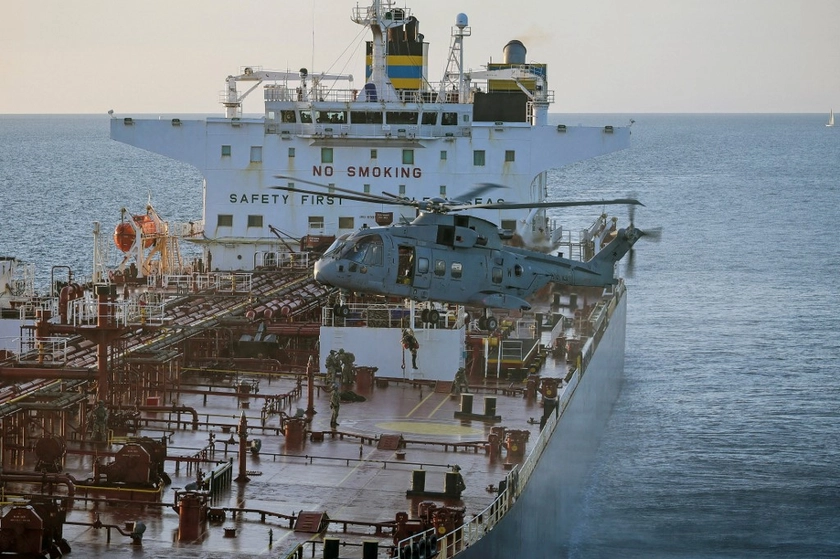
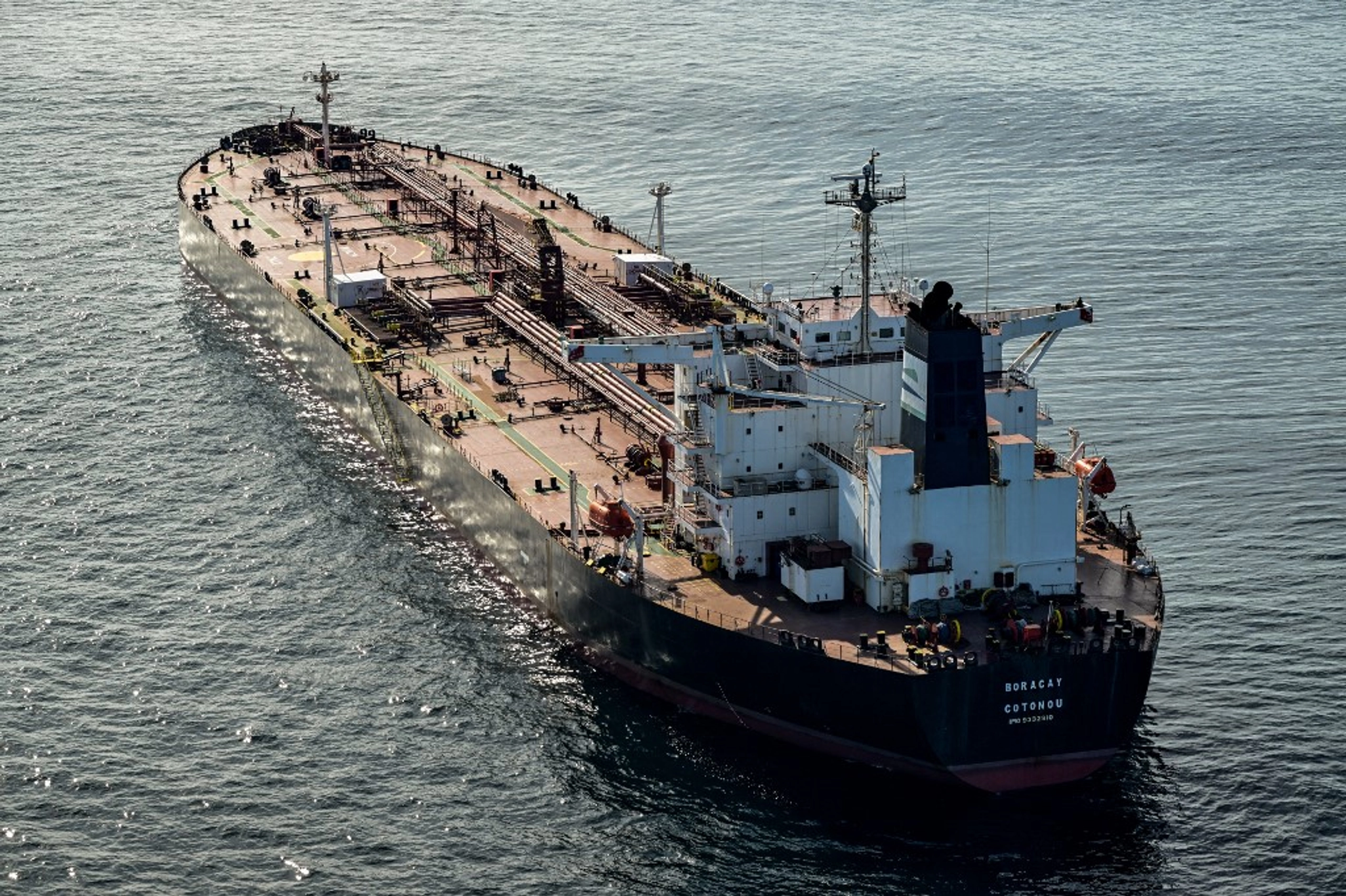
Another major component focuses on Russia’s energy revenues, with Brussels listing two individuals and 24 entities connected to the export of Russian crude and petroleum products by shadow fleet tankers, used to circumvent price caps and restrictions.
Recent incidents have intensified scrutiny of Russia-linked tankers, with Romania and Bulgaria moving to set up a joint security hub in the Black Sea to monitor suspected shadow fleet routes.
The EU says this will affect Lukoil’s Western Siberia operations and multiple companies registered in Russia, Liberia, Hong Kong, the United Arab Emirates (UAE), Turkiye and Azerbaijan, which keep the oil money flowing into the Kremlin’s budget.
The package also targets what Brussels describes as Russia’s hybrid threats, listing ten individuals and one entity for involvement in foreign information manipulation and interference, including state aligned media personalities and the editor-in-chief of “Krymskaya Gazeta.”
According to the EU, the individuals accused are spreading disinformation aimed at “justifying, promoting or legitimising Russia’s war of aggression against Ukraine,” alongside dehumanizing Ukrainian citizens and distorting historical facts.
The Presidential Foundation for Cultural Initiatives, created by Kremlin leader Vladimir Putin, was also sanctioned for supporting propaganda projects.
Sanctions targeting officials over Navalny poisoning
The Council issued a response to the poisoning of Russia’s most prominent opposition leader and anti-corruption activist, Alexei Navalny, who was killed in February 2024 with the lethal toxin epibatidine.
It has listed one entity and 15 individuals, including Russian judges, prosecutors, as well as individuals from law enforcement and state security (FSB) backgrounds.
The measures directly target IPJSC NTK, a company that has cooperated with Moscow authorities in the development of facial recognition systems intended to monitor and detain independent journalists and activists.
EU extends Crimea-related sanctions
Separately, the Council decided to renew and extend the existing restrictive measures linked to Russia’s illegal annexation of Crimea and Sevastopol until June 23, 2027.
EU leaders said that they do not recognize and continue to condemn the unlawful annexation of the Ukrainian peninsula and the city of Sevastopol, calling it a violation of international law.
The European Council welcomed the ongoing diplomatic efforts to bring an end to Russia’s war against Ukraine to an end, saying that it “fully supports Ukraine in the negotiations.”
“Borders must not be changed by force,” the Council concluded, adding that “Ukraine’s long-term security and ability to defend itself must be guaranteed.”
You can also highlight the text and press Ctrl + Enter