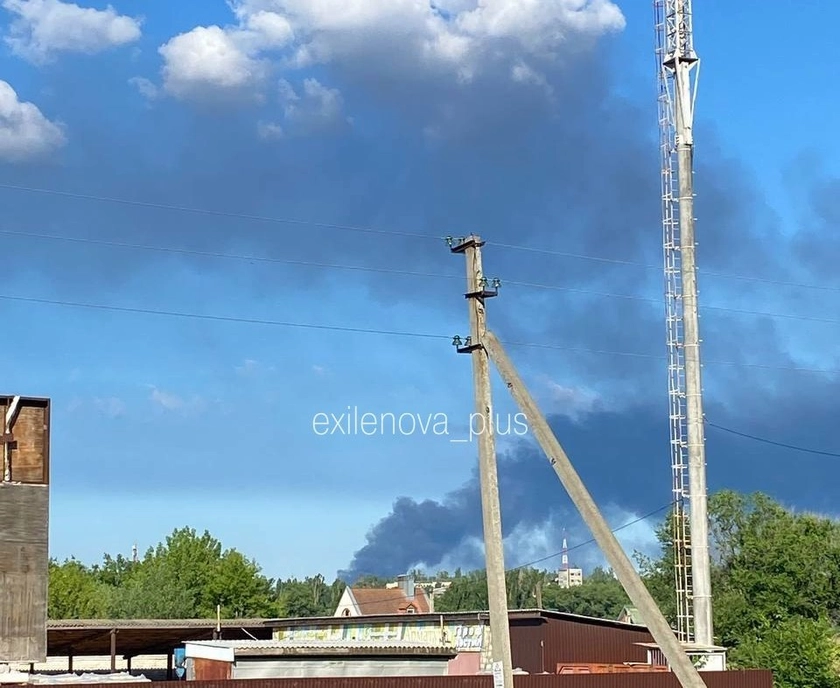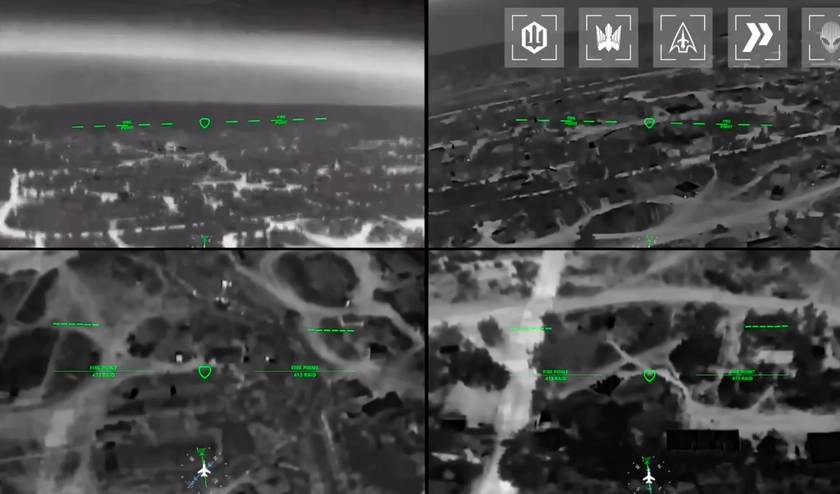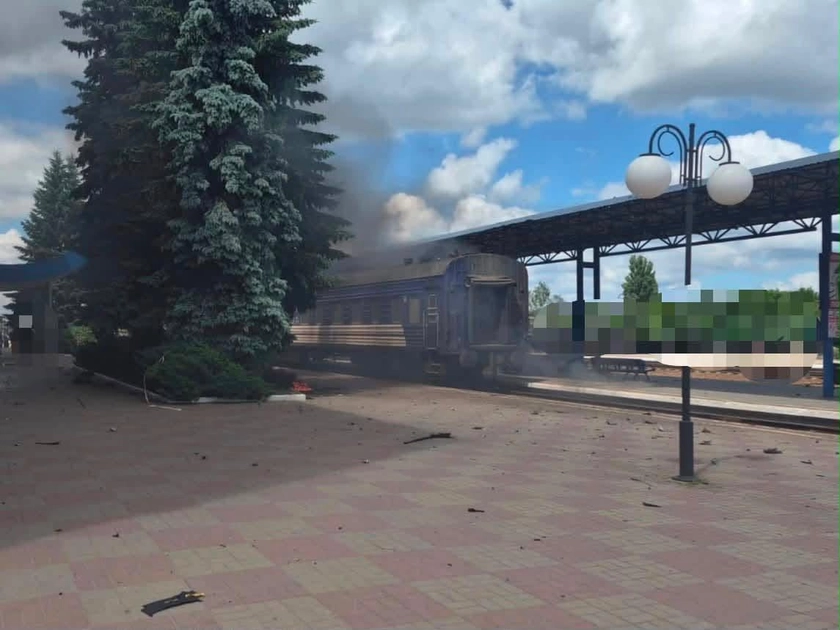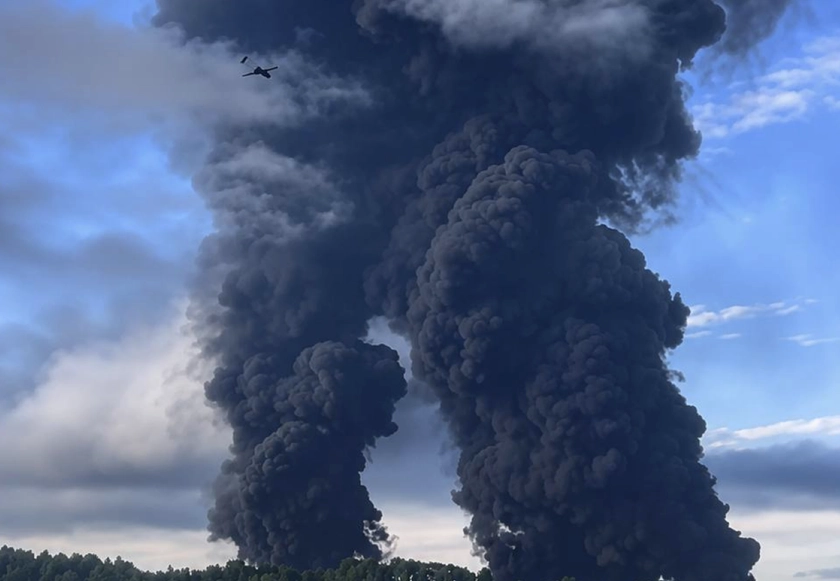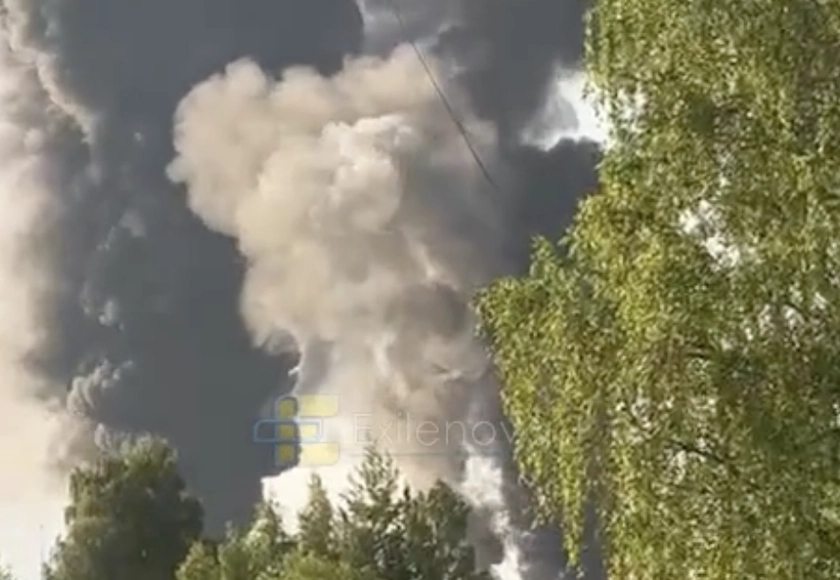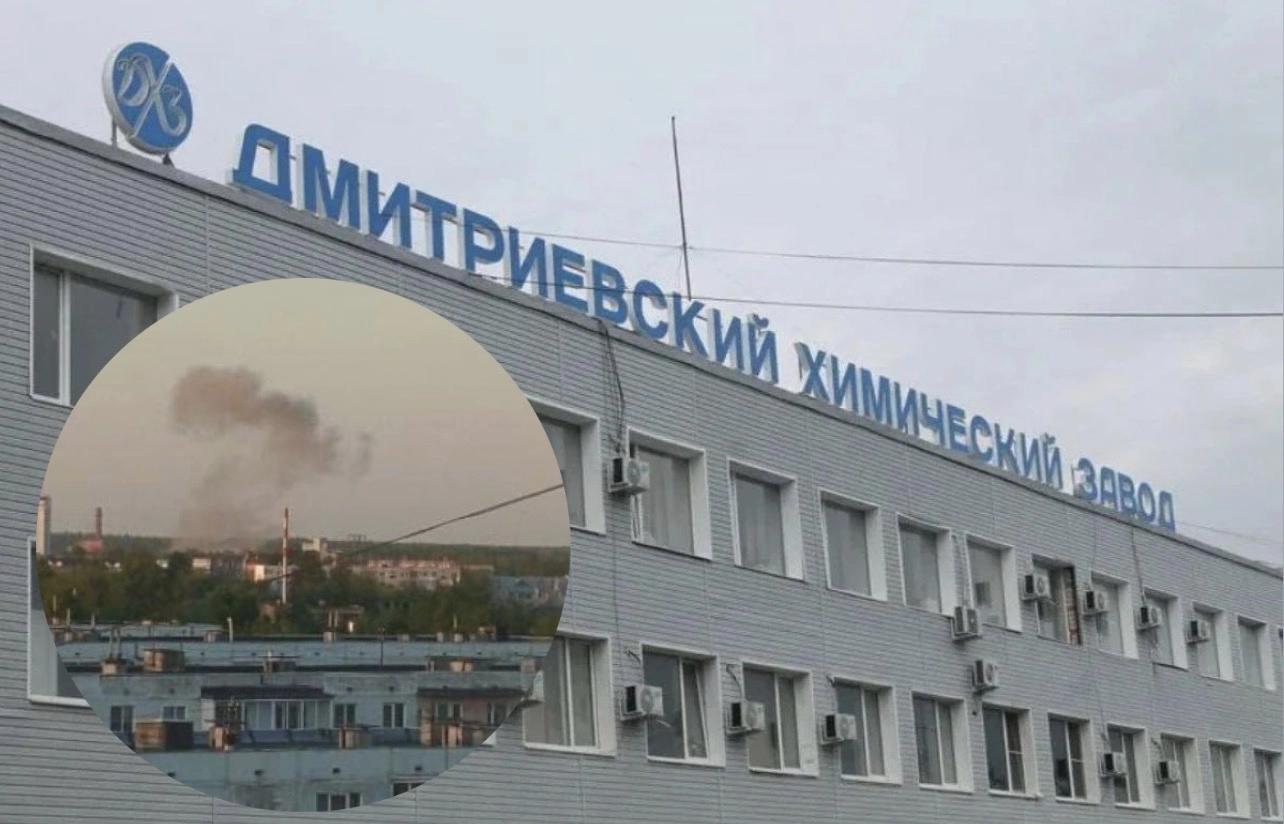
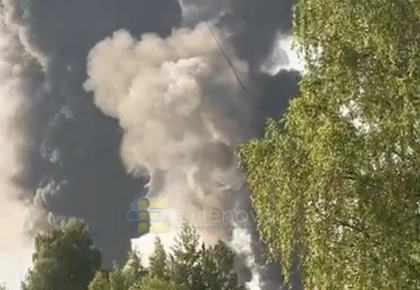
Ukrainian drones attacked a military chemicals manufacturing site some 900 kilometers (562 miles) deep inside Russia during the early hours of Monday, sparking fires and sending a probable toxic smoke cloud billowing into a clear blue sky, as Kyiv’s campaign aimed at the Kremlin’s weapons and munitions manufacturing sites found another target.
The unmanned aerial vehicles (UAVs) arrived in ones and twos in the airspace above Russia’s central Ivanovo region, striking the Dmitrievsky Chemical Factory (DCF) near Kineshma, south of Moscow, at around 4 a.m. Russian social media reported at least ten explosions, while images geo-located to the site showed fires and orange smoke consistent with its chemical storage being breached. Local chat groups complained of a nasty stink in the morning air.
JOIN US ON TELEGRAM
Follow our coverage of the war on the @Kyivpost_official.
Around May 21, at the same time as the Kremlin abandoned any pretense at seeking a ceasefire in talks with the US and renewed massive drone and missile strikes against Ukraine, Kyiv also returned to its tactic of attacking deep inside Russia that had been halted for more than a month at the orders of Ukraine’s top military commanders as the hope of peace first appeared.
The number of Ukrainian aircraft breaching Russian airspace has now reached unprecedented levels. In the following 72 hours, Ukraine launched close to 1,000 drones at targets across western Russia in places like Oryol, Kursk, Moscow, Vladimir, Kostroma, Yaroslav, Kaluga, Tambov, Ivanovo, Nizhny Novgorod, Tula, Lipetsk, and Voronezh.
Ukraine Launches Drone Blitz on Russian Explosives Plants and Fuel Hubs
Over the week following Ukraine’s renewal of its bombardment campaign, the Russian Defense Ministry said that between 100-200 “enemy” kamikaze aircraft have sought out targets each night – some flying more than 1,000 kilometers (625 miles) before attacking.
Arms producers and manufacturers of component materials for munitions have been heavily featured in Ukraine’s wide-reaching and ambitious target list, Kyiv Post analysis reveals.
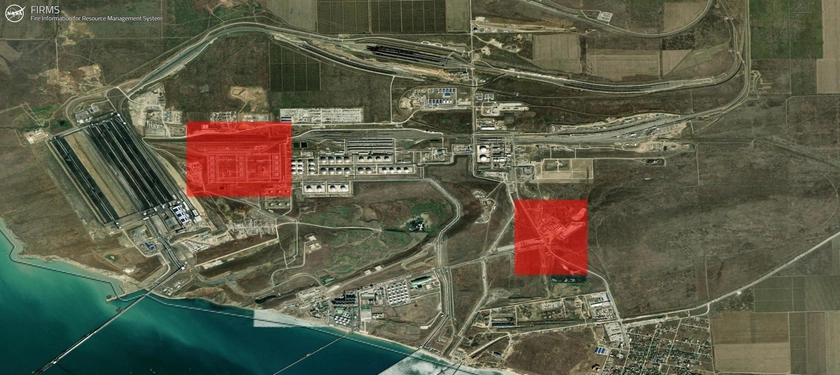
The success of Ukraine’s attacks has been unclear, with the damage caused sometimes being light, but not always. On Monday, NASA’s world fire watch satellite system, FIRMS, registered signs of a major blaze on or close to the DCF.
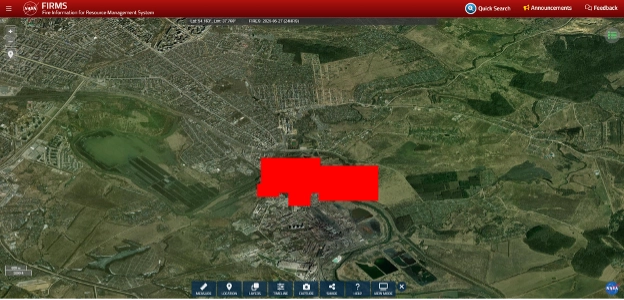
DCF is a major manufacturer of chemicals used to produce military explosives. On Tuesday, the FIRMS data showed a significant heat signature still present on its premises. The heat signature’s cause, however, could not be determined – whether by a drone-induced fire or by normal factory operation
The same night as the attack on DCF, Ukrainian drones flew almost to the Ural Mountains, into Russia’s Tatarstan region, to hit a drone factory in the regional capital of Yelabuga. It was one of the longest-range strikes carried out by the Ukrainians thus far in the war, some 1,150 kilometers (720 miles) from the nearest Kyiv-controlled territory.
The target was a factory set up in 2023 to produce Iran-designed Shahed kamikaze drones, which are used in almost nightly attacks against Ukraine. Yelabuga social media reported explosions in the sky, which they ascribed to successful engagements by air defenses – local officials said around 20 drones were shot down. Andriy Kovalenko, the head of the Center for Countering Disinformation under Ukraine’s National Security and Defense Council (NSDC), said Kyiv’s special operators were responsible for the Yelabuga and DCF strikes.
Over four nights, Ukrainian strikes were aimed at the city of Tula and its surrounding area – a center of Russian arms manufacturing for more than two centuries.
On Thursday, May 22, Ukrainian drones attacked Tula workshops operated by the state-owned Russian arms giant Rostec, which produces rocket artillery systems, air-to-air missiles, heavy flamethrower system vehicles, and incendiary munitions, according to independent Russian news reports, setting it and an adjacent electrical substation on fire. Locals posted content attesting to 15-20 heavy explosions heard or seen, some in the sky. Ukrainian had hit the facility previously on May 7, Astra reported.
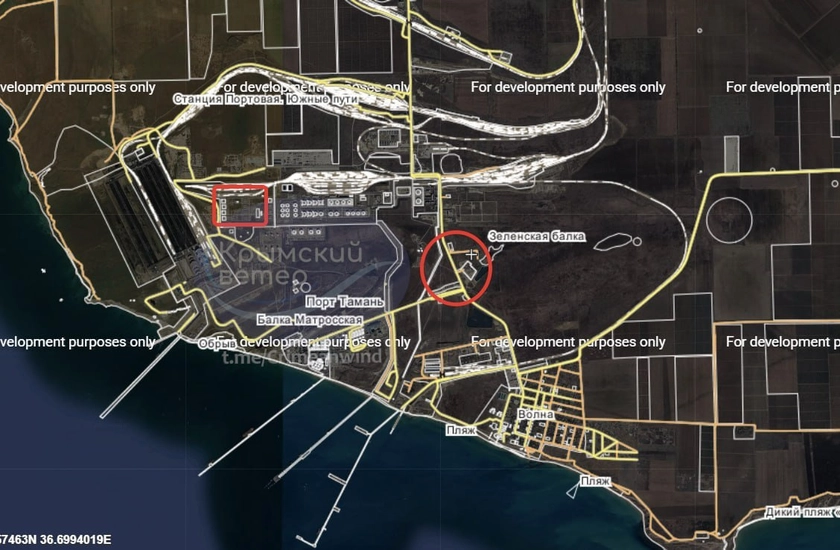
During the early hours of Saturday, more drones attacked the Azot Chemical Plant near the town of Novomoskovsk, in Tula Oblast, some 480 kilometers (300 miles) from Ukraine. Eyewitnesses told local media that they had seen as many as 20 UAVs, which caused the plant to stop operations following a breach of two chemical storage tanks.
The independent Russian news agency ASTRA, citing eyewitnesses, reported explosions had sparked fire in a low-pressure natural gas pipeline and breached one of two 750-ton tanks filled with nitric acid, a key component of some explosives, forcing the plant’s shutdown.
Authorities shut down mobile internet services during the attack and claimed 20 incoming aircraft had been shot down. Governor Dmitriy Milyaev reported “falling debris” had caused “a minor breach” at the Azot chemical plant, injuring three workers. He added that there was no significant property damage, and the air in the Tula region was safe to breathe
On Sunday night, the first drones reached Tula shortly before midnight, with UAVs appearing individually and in small groups well into the mid-morning on Monday.
Tula residents reported hearing explosions in the sky, detonations within an industrial area, accompanied by city-wide power cuts. The Ukrainian geo-locating group Cyberboroshno fixed the strike to the premises of NPO Splav, Russia’s biggest manufacturer of artillery rocket systems and munitions. Reports said the site had been hit, with production facilities being damaged.
At least one other drone or falling debris hit Tula’s Shchergoviy Val factory, a producer of armored fighting and air defense vehicles. Another drone fell in a residential district, blowing out the windows of a five-story apartment building.
Ukrainian drones on Thursday night also targeted defense manufacturing firms in Russia’s Moscow and Orenburg regions. Moscow’s city administration claimed air defense forces had shot down 30 Ukrainian drones, and there was no damage. Other key military production sites hit over the seven days before included a missile microelectronics plant in Lipetsk and a military battery plant in Yeltsk.
A former priority target for Ukrainian drone strikes against Russia, the energy grid, has almost not been hit, the exception being a major oil refinery in the city of Ryzan, which drones set ablaze on May 21, the probable start of Ukraine’s new bombardment campaign.
As this article was being published, there were fresh reports of Ukrainian drones appearing over Russia’s Voronezh and Belgorod regions overnight. Moscow’s Defense Ministry said 99 aircraft had been shot down. Ukrainian military spokespersons said drones had struck targets in the Bryansk and Vladimir regions, with social media publishing video and audio recordings of heavy explosions close to the Murom Device Manufacturing Factory, a facility producing aircraft components, the UNIAN news agency reported.
You can also highlight the text and press Ctrl + Enter

Putin’s Worst Nightmare