The Armed Forces of Ukraine (AFU) executed a multi-target drone strike on Saturday June 13, crippling a crude oil processing hub deep inside Russia’s Volgograd region, while simultaneously striking military command posts across the front lines, the AFU General Staff reported on Telegram.
De-capping the Volgograd oil infrastructure
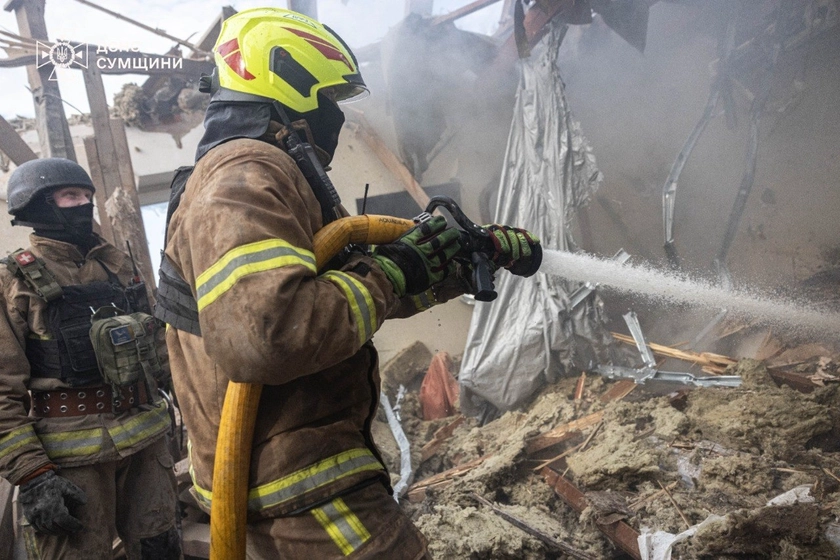
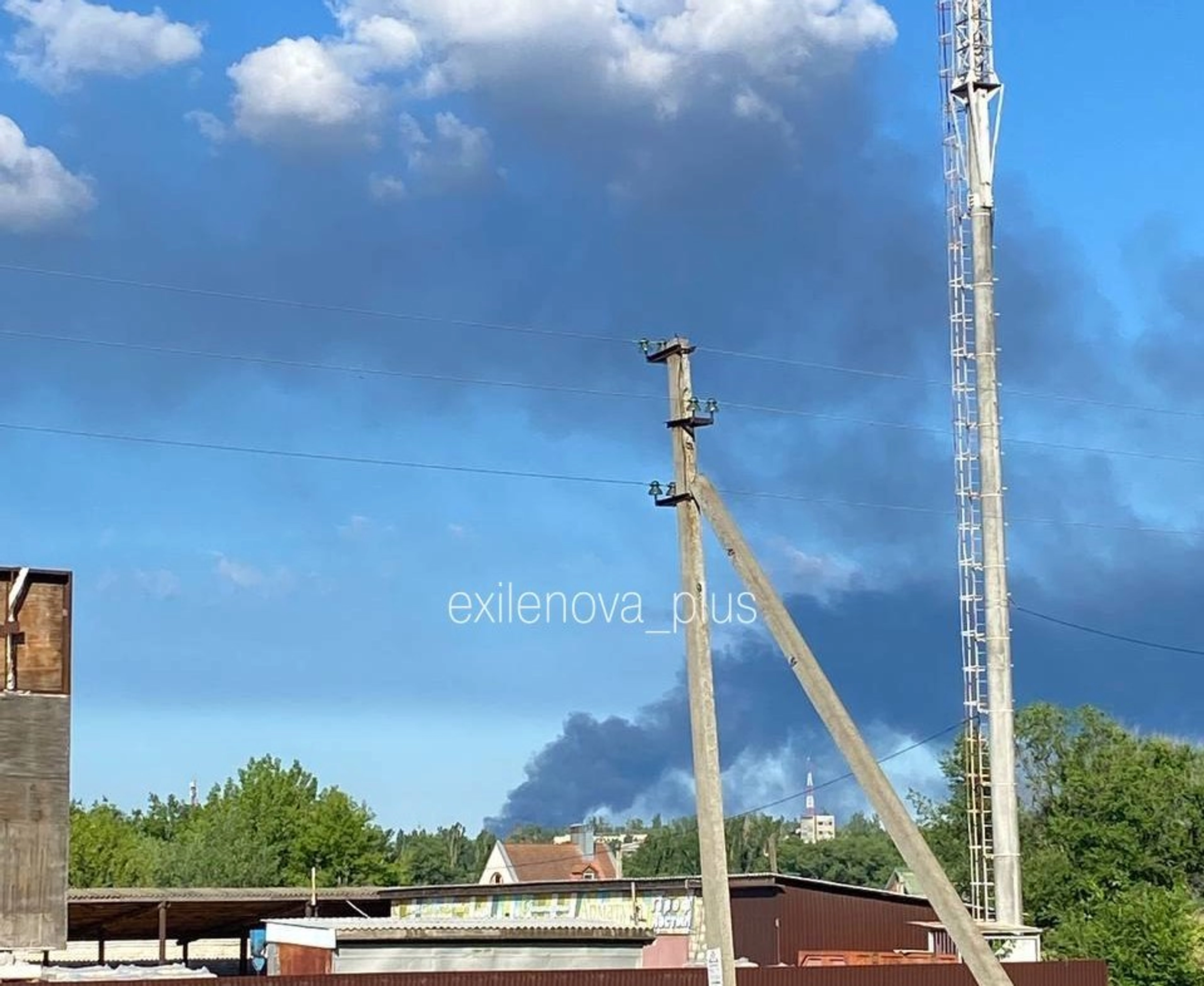
Ukrainian units executed a long-range drone operation overnight targeting the Kotovo district of the Volgograd region. The strike achieved direct hits on a central oil preparation, processing, and pumping facility near the settlement of Yefimovka.
JOIN US ON TELEGRAM
Follow our coverage of the war on the @Kyivpost_official.
Local Volgograd administrative officials initially attempted to downplay the precision of the raid, reporting that a localized fire broke out on the territory of a “generic industrial infrastructure site” solely due to “falling drone debris.”
However, independent monitoring Telegram channela Exilenova+ and the ASTRA confirmed that the explosion directly compromised the Yefimovka Oil Pumping Station (NPS).
The Yefimovka facility functions as a technological node for the Russian energy grid. The complex strips raw crude extracted from the prominent Korobkovskoye oil and gas field – as well as adjacent fields in the Volgograd, Astrakhan, and Kalmykia regions – of formation water, associated petroleum gas, and mechanical impurities.
Once purified, the stabilized oil is pumped directly into Russia’s primary trunk pipelines, specifically feeding the massive Kuibyshev-Tikhoretsk transit route, which supplies large domestic refineries and the Kremlin’s maritime export infrastructure.
Swedish Fighters Scramble Twice to Intercept Russian Jets Over Baltic Sea
A multi-regional blitz on command and control
As long-range drones targeted Russia’s energy infrastructure, Ukrainian tactical units conducted a suppression campaign aimed directly at Russia’s military’s command and control apparatus.
The General Staff confirmed the destruction of battlefield command posts in Soledar sector (occupied Donetsk region) and Verkhnia Krynytsia sector (occupied Zaporizhzhia region).
Furthermore, Ukraine aggressively targeted Russia’s tactical reconnaissance network, obliterating several frontline Russian drone command outposts. These precision hits neutralized specialized operators and equipment in Khoromne (within Russia’s Bryansk Oblast), Verkhnia Krynytsia (Zaporizhzhia), Voskresenka (Donetsk), and Novomykolaivка (Kherson).
The offensive concluded with targeted bombardments hitting major concentrations of Russian personnel and heavy equipment. These strikes blanketed troop staging grounds across active conflict zones – including Soledar, Uspenivka, and Kharkiv’s Golubivka – as well as border assembly camps inside Russia, specifically targeting facilities in Kolotilovka (Belgorod region), Novye Yurkovichi, and Chernozemny Gorodok (Bryansk region).
Tightening the logistics stranglehold
The Volgograd pipeline raid is the latest installment of an unrelenting campaign designed to paralyze Russia’s domestic fuel distribution, export revenue, and military logistics networks.
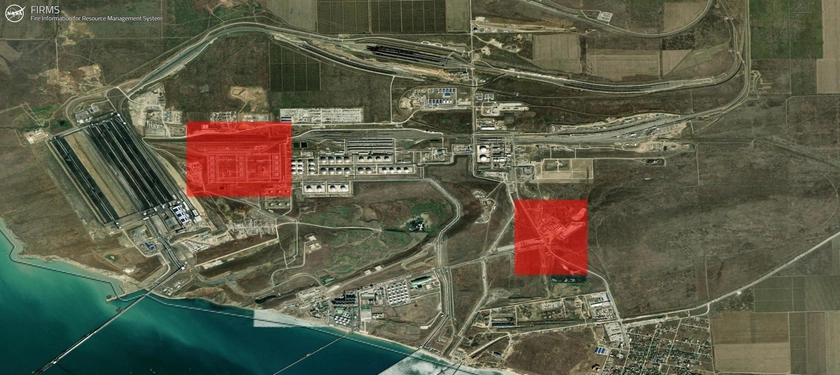
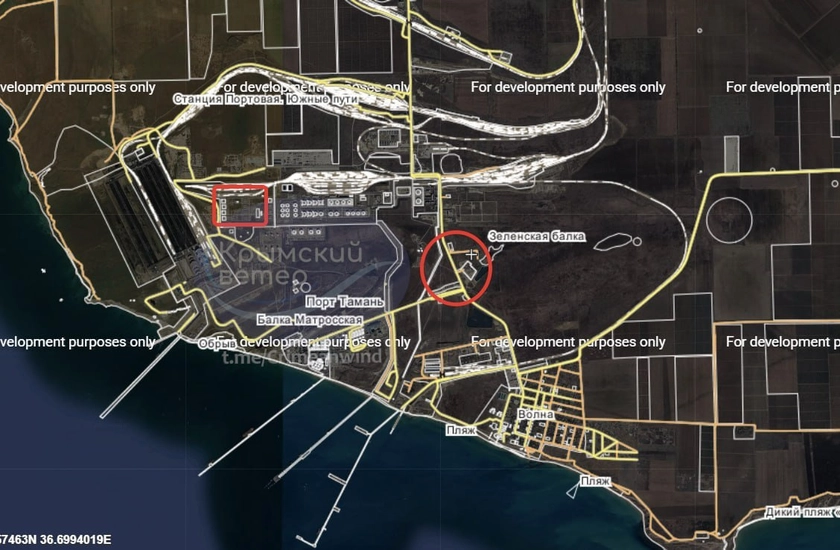
Ukrainian drones penetrated the Krasnodar region, striking the Tamanneftegas liquefied petroleum gas (LPG) terminal – the largest transshipment complex for liquefied hydrocarbons in southern Russia – and leveling transport hubs at Port Temryuk on the Azov Sea coast.
This followed a 230-drone blitz on Russia Day that destroyed the primary AVT-4 and AVT-5 processing units at Samara’s Kuibyshev refinery, completely halting its operations, while simultaneously damaging the Taneko and Taif-NK refineries in Tatarstan and a missile-fuel chemical plant in Tolyatti.
By systematically knocking out mainland oil refineries, deep-rear pumping stations like Kotovo, and Black Sea export ports simultaneously, Ukraine is forcing the Russian high command into a severe resource deficit, strangling the military’s fuel lines while draining the economic engine funding the invasion.
You can also highlight the text and press Ctrl + Enter

ANALYSIS: Russia’s Air Defense Problems Are Growing