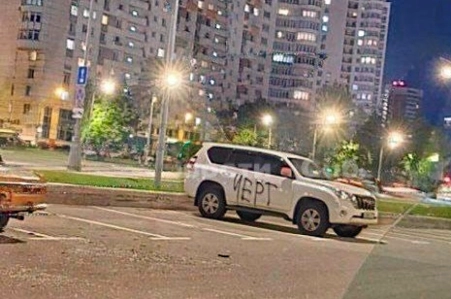
An assassination attempt may have been thwarted in Moscow, when a Russian General Staff officer’s personal vehicle was discovered vandalized with malicious graffiti and with a suspicious device attached underneath the SUV’s chassis, according to reports Tuesday.
Russian mainstream and social media sites reported on Tuesday evening that Moscow’s “bomb squad” was dealing with a suspected undercar booby trap planted beneath a white Toyota Landcruiser. The car was reportedly seen parked at a petrol station on Moscow’s Leninsky Prospekt. The SUV had been daubed a few days earlier with the word “ЧЕРТ,” which can be variously translated as “Devil” or “Crap,” in black paint.
According to the VchK-OGPU Telegram channel, the vehicle belongs to Col. Alexei Egorov, an airborne (VDV) officer who serves in the same department of Russia’s General Staff as Lt. Gen. Yaroslav Moskalik, who was killed when a bomb concealed in a VW Golf detonated in Balashikha near Moscow in April.
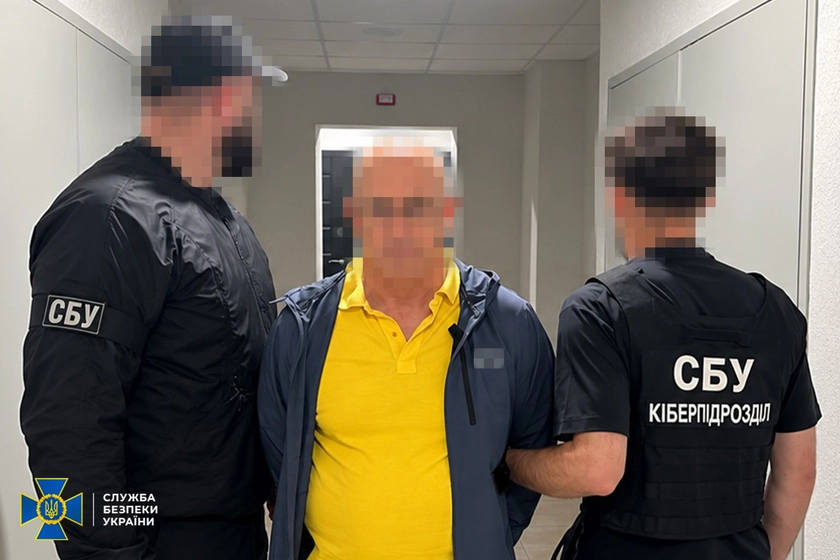
Russia’s Federal Security Services (FSB) said the earlier attack was the work of Ignat Kuzin, an agent tasked by Ukraine’s intelligence services, who was arrested shortly after Moskaliok was killed attempting to leave the country. Although Ukraine did not initially comment on the incident, Roman Kostenko, Secretary of Ukraine’s Verkhovna Rada committee for National Security, confirmed responsibility during a later interview with Ukrainska Pravda.
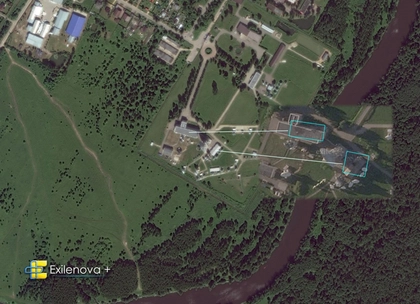
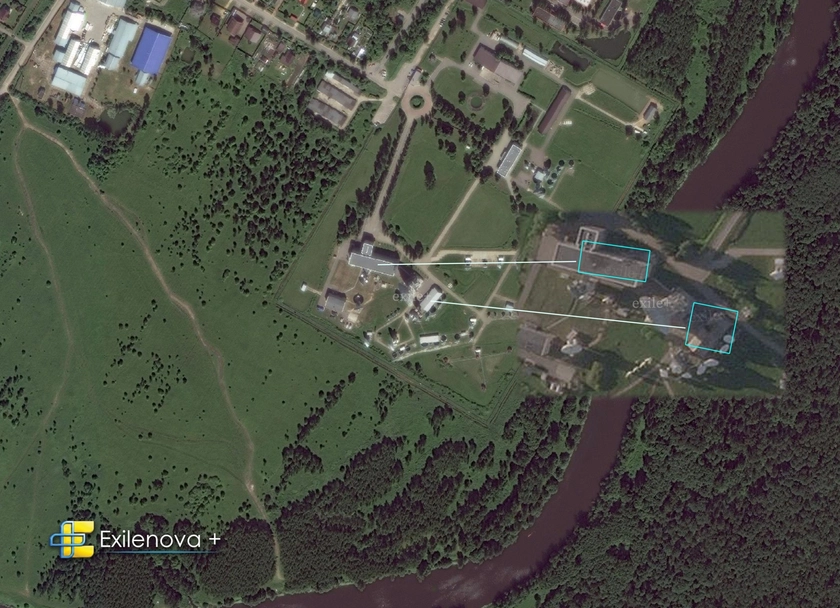
Ukraine Hits Moscow’s Space Communications Node for Second Time
Later Tuesday evening, it was reported that an “explosion-proof” container had been brought to the site to remove the suspect device from under the vehicle. The results of that operation and confirmation of whether the object contained explosives have not yet been confirmed by the Russian authorities.
Almost a dozen successful or attempted assassinations using explosive devices have been recorded in Moscow following Russia’s 2022 full-scale invasion of Ukraine, many of which are suspected to have been carried out by or on behalf of Kyiv’s special services.
These include the undercar bomb that killed Darya Dugina, daughter of a prominent Russian ideologue in August 2022, the April 2023, assassination of the Russian pro-war military blogger Vladlen Tatarsky by a bomb in a café in St Petersburg and the December 2024 killing of Lt. Gen. Igor Kirillov, head of Russia’s nuclear, biological and chemical (NBC) defense forces.
You can also highlight the text and press Ctrl + Enter

Russia Hit by 660-Drone Overnight Barrage Targeting Moscow, Crimea and Key Military Sites
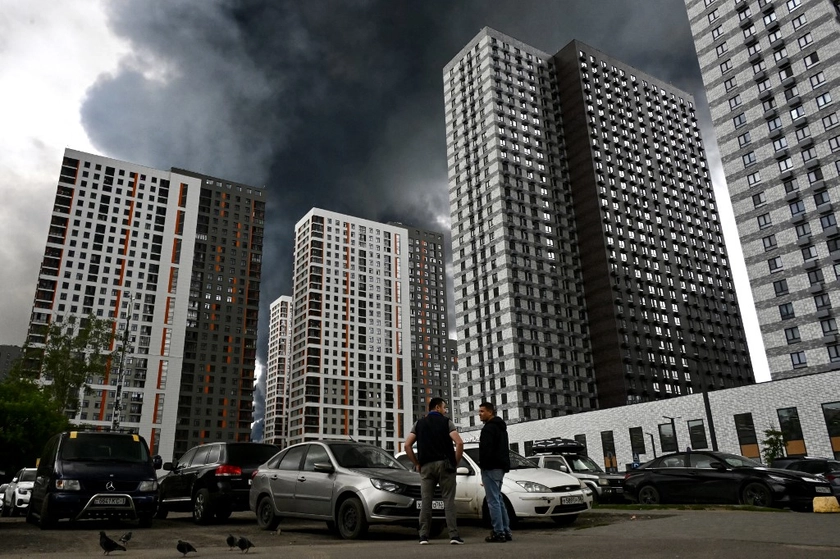

Russia Hit by 660-Drone Overnight Barrage Targeting Moscow, Crimea and Key Military Sites