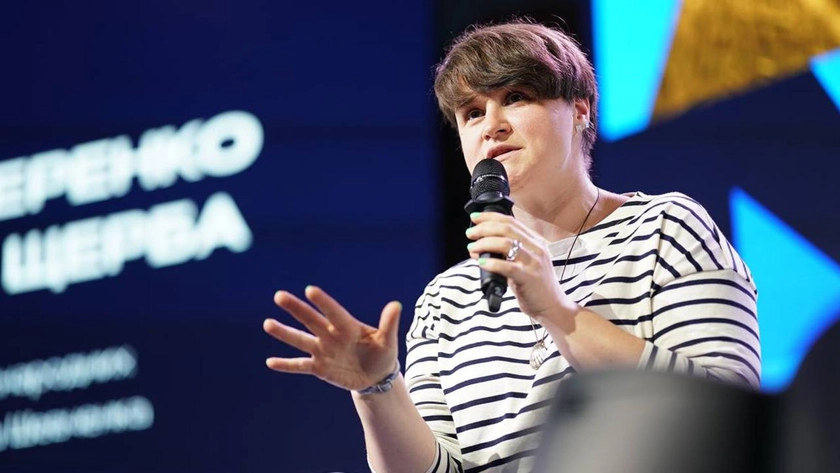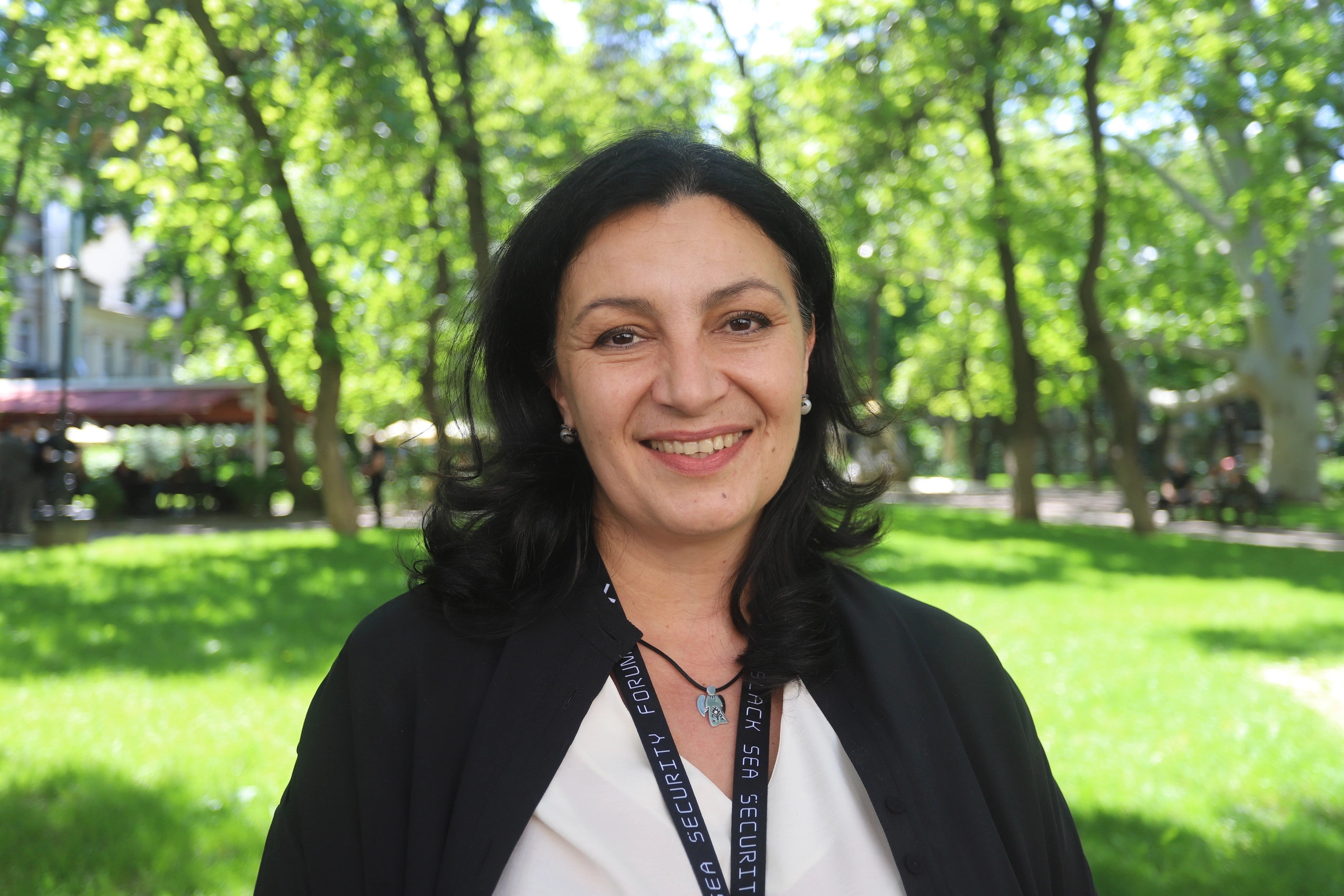
Ivanna Klympush-Tsintsadze is a well-known politician and active participant in Ukraine’s reform processes. She served for three years (2016-2019) as Deputy Prime Minister for European Integration, during the time when Ukraine obtained a visa-free regime with the EU.
Currently, she is a member of parliament from Petro Poroshenko’s “European Solidarity” party and head of the parliamentary committee on European integration.
JOIN US ON TELEGRAM
Follow our coverage of the war on the @Kyivpost_official.
As Ukraine is facing another escalation in tensions between the government and the opposition (including sanctions imposed on Petro Poroshenko, former president and head of European Solidarity), Klympush-Tsintsadze is critical of the government’s recent initiatives and admits that the government and opposition are lacking the same level of cohesion that existed in the spring of 2022.
KP: Why are our Western partners’ initiatives stalling? One can point at Trump, but even Joe Biden was in no rush to help Ukraine in the spring of 2022. However, the Europeans were more active and decisive.
Ivanna Klympush-Tsintsadze: First of all, we must understand that the full-scale war is in its fourth year already, and the war overall – in its twelfth. We are witnessing fatigue among our partners when it comes to keeping Ukraine high on their agenda, even though we are receiving substantial aid…
You consider it substantial? Or, at least, proportionally sufficient?
You Realize How Valuable Life Is When Death Feels Possible Every Day
For the first time in the history of Ukrainian statehood, in the history of institutional development, we are receiving such large-scale assistance, and that’s very important. We should not take it for granted. Yes, we want more, yes, for Russia to suffer a strategic defeat we need more – and faster – but even what we have now is not to be taken for granted. And Russia is constantly working to undermine this support. That’s why any cultural, social, journalistic, or economic initiatives are important right now.
We know that it’s impossible to persuade Russia into peace – it can only be forced.
You’ve worked in international affairs for a long time. Do you feel there is an agreement in thinking between European elites and us? For example, for us the necessity of Russia’s strategic defeat to end the war and secure peace is obvious. Do they understand it the same way?
There are no monolithic Western elites. Just like Ukrainian politicians differ in their values, so do elites in Western societies. There are those who understand the consequences of limited aid as opposed to full-scale support, and there are those who believe this method will enable some sort of dialogue with Russia – that it can be persuaded into peace. We know, though, that it’s impossible to persuade Russia into peace – it can only be forced.
In your opinion, which European elites understand that the old approaches no longer work?
There is already a part of Western societies and elites that have reached a higher level of awareness. If we’re talking about Europe, we’re talking about delayed decisions – including joint weapons production, procurement, etc. These decisions are important, they will work, but the question is what to do while we wait for them to take effect. We cannot afford to grow tired or throw up our hands – we need to find voices in societies who can lead, who can guide citizens. Because Russia is also working and using democratic instruments to undermine critical thinking in EU countries.
What efforts should the government make in this regard? What is it doing well, and where is it missing opportunities?
I’m a representative of an opposition faction, but it’s a pro-Ukrainian and pro-European one. Speaking about the government, I would like us to return to the level of cooperation we had at the beginning of the full-scale invasion. When decisions were passed through a filter of various perspectives, which enabled more effective joint solutions. The current attempts by the government to attack the opposition, our party, opposition mayors – they undermine our ability to effectively cooperate on the international level.
But internal politics is one thing. Negotiations abroad are still active and intense.
But it doesn’t work with one president talking to another and all problems are solved. For a decision to be made in the democratic world, work is needed at all levels – from the government, NGOs, local authorities, cultural communities, businesses, and religious groups – from many communities. Currently, there is no coordination, no united front. This weakens us.
Secondly, in my opinion, the government has spent too much energy and resources on things that were meant to be sold to society for PR purposes. For example, there 30 security agreements with various countries. From the very beginning, we were saying that we need to strike one point repeatedly. All these peace summits, visuals, photos – these are things the government did more for the process than for the result. And now it’s clear these initiatives have died off – the results are disappointing.
Maybe this means that we shouldn’t be entrusting everything to just a few managers? Maybe we should be gathering together, not necessarily publicly – it can be done behind the scenes. It can be done privately. Another round of negotiations with Russia is currently being prepared, and we have many people in the country with experience negotiating with Russians, but no one listens to them. And this arrogance, this overconfidence – it seems like we’re sawing off the very branch the whole country is sitting on.
You can also highlight the text and press Ctrl + Enter

Putin’s Worst Nightmare