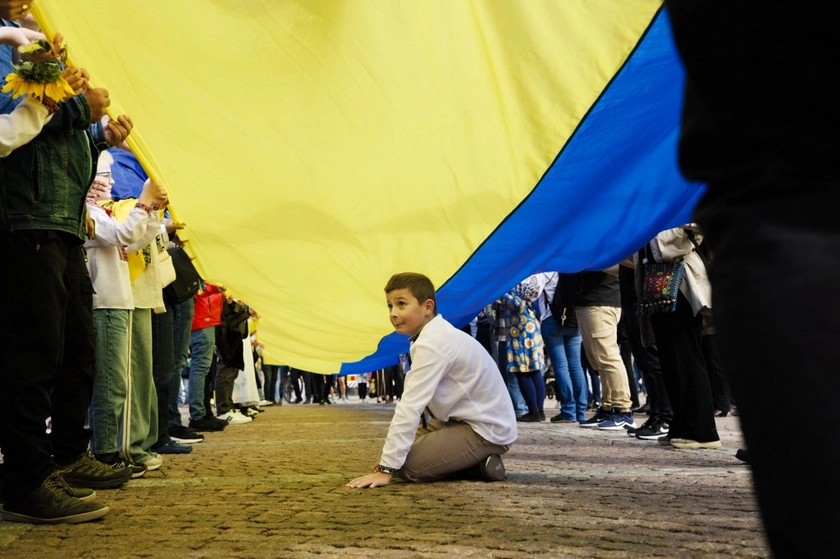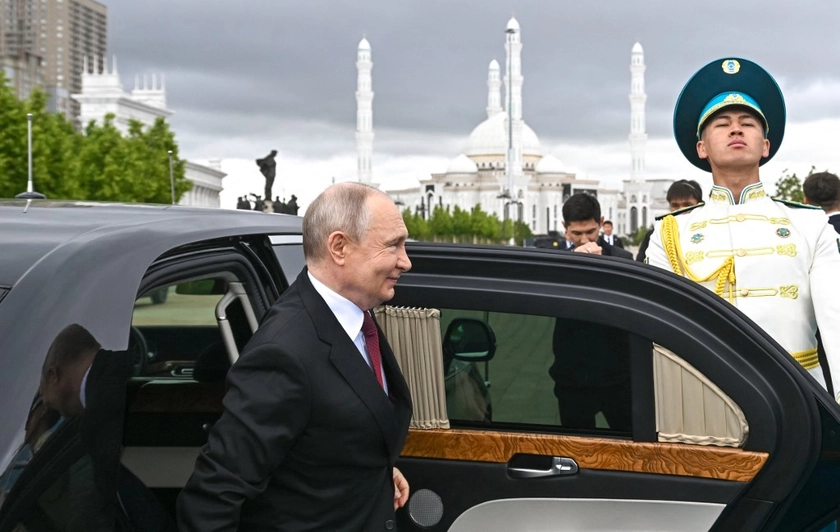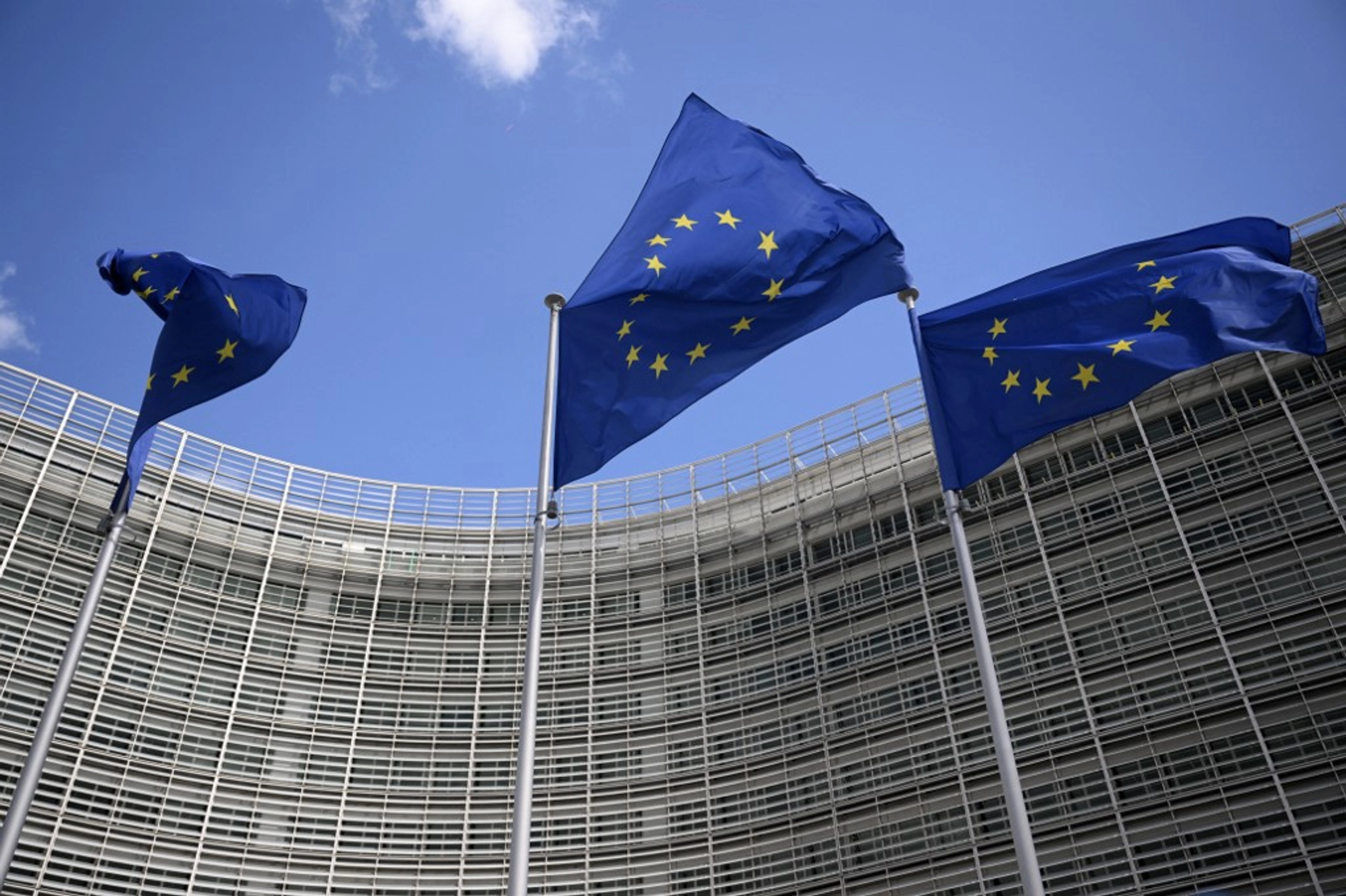
An aggrandizing Russia is bent on conquering Ukraine and destabilizing Europe. That is why German Chancellor Friedrich Merz and French President Emmanuel Macron are determined to confront Russia’s imperialist war and defend the continent’s peace and security. Such resolve simultaneously confounds and angers Moscow, which thought it could exploit divisions between European countries, and between them and President Donald Trump’s America, on supporting Ukraine’s fight to preserve its statehood and freedom.
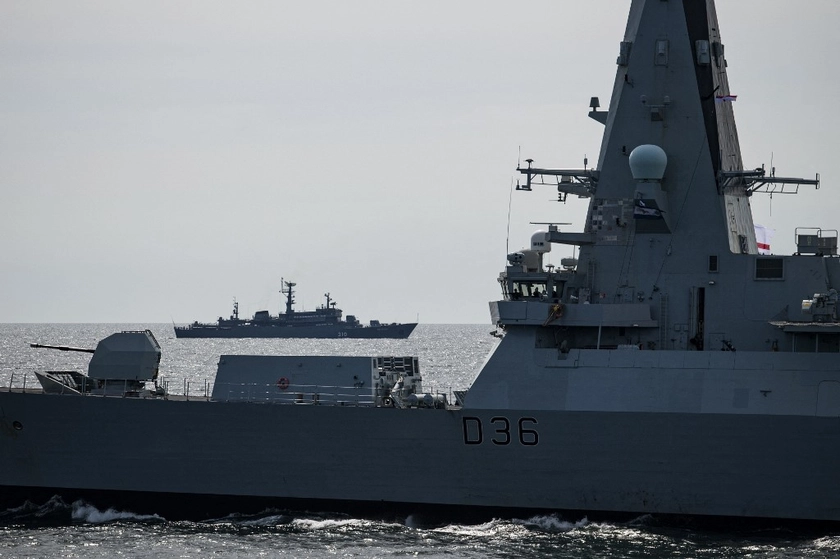
Recently, Merz’s announcement that Germany, Britain, France and the US would lift all restrictions on the range of Ukrainian attacks with their weapons on Russian territory has provoked the Kremlin to allege that arms supplies to Ukraine “only encourage continued conflict” in Ukraine. The reason is simple: any military assistance to Kyiv makes it harder for Russia to extinguish Ukraine’s statehood. So it lambasts European countries as “the main obstacle to peace”.
JOIN US ON TELEGRAM
Follow our coverage of the war on the @Kyivpost_official.
However, divisions between European governments, political parties and leaders on backing Ukraine – or in West European countries on how best to bolster their individual and collective defense efforts – endure. Germany’s right-wing Alternativ für Deutschland, an extremist organization, and France’s Marine Le Pen have opposed sanctions against Russia. Britain’s Nigel Farage has subscribed to Moscow’s narrative about NATO expansion as the trigger of Russia’s assault on Ukraine.
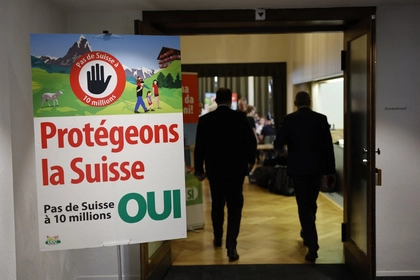
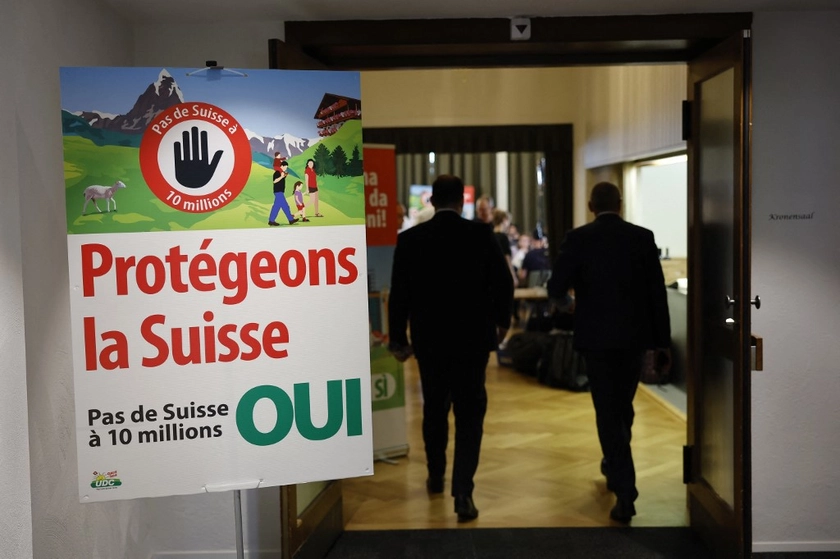
Switzerland Rejects Divisive Hard-Right Population Cap, Early Projections Show
Any military assistance to Kyiv makes it harder for Russia to extinguish Ukraine’s statehood.
Nevertheless, there has been a backlash against Russia in West European democracies. Generally, Europeans have remained uninfluenced by Russia’s accusation that NATO expansion and the possibility of Ukraine joining the alliance are among the root causes of the conflict. The majority of West Europeans hold that Russia’s invasion of Ukraine represents a threat to Europe’s own security. Unsurprisingly, Europeans abhor Russia’s insistence on imposing the terms of peace.
At another level, most Europeans are also angered by Russia’s scorched-earth war in Ukraine and its minimum terms for a settlement, which include Ukraine’s neutrality and a ban on any military activity by third countries, meaning NATO allies, on its territory, although Britain and France have merely talked about joining a peacekeeping force. Moscow has also alarmed and disgusted many by its continual threats of nuclear war and World War III.
Moscow’s allegations that West European democracies are supporting Nazis are mind-boggling. Charges that they are upholding nazification are ridiculous since Britain, never invaded by Nazi Germany, led the allied war effort to free West Europe from Nazi occupation. France was invaded by the Nazis and liberated from them with the help of the British (and Americans), as were other West European countries including Norway and Denmark. Merz has avowed that the Allies liberated Germany from Nazi dictatorship.
Having claimed, when launching its invasion of Ukraine in February 2022, that Russia was fighting Nazis in Ukraine, Sergey Lavrov, Russia’s Foreign Minister since 2004, finds it “incomprehensible” how the EU is “openly willing to resume the European Nazi ideology.” For Russia, denazification means not only anti-Semitism but anti-Russianism. Lavrov asserts that Russia will ensure that Nazism is eliminated forever and that Europe “returns to its values.” He doesn’t say whose values – he probably means Russia’s totalitarian traditions, which President Vladimir Putin’s regime symbolizes and which Europe’s democracies are united on defeating. Lavrov’s preposterous accusation is that “Nazi views, customs, and habits are being restored.” He avoids saying which ones – presumably because he would fail to prove his point.
Actually, Moscow should be aware that democrats in any part of the world are repelled by the restoration of Stalinism, evidenced by Stalinist-style crackdown on dissent, he erection of new statues of Stalin across Russia and the celebration of Stalin as a hero across the country on Victory Day.
The political translation is that Russia is determined to conquer Ukraine. And any advice that it should halt its illegal invasion is presented by Lavrov as meaning that European countries “believe in their own superiority, and ability to decide what they want without listening to other views.” In other words, they should cave in to Russia’s bullying and expansionist threats.
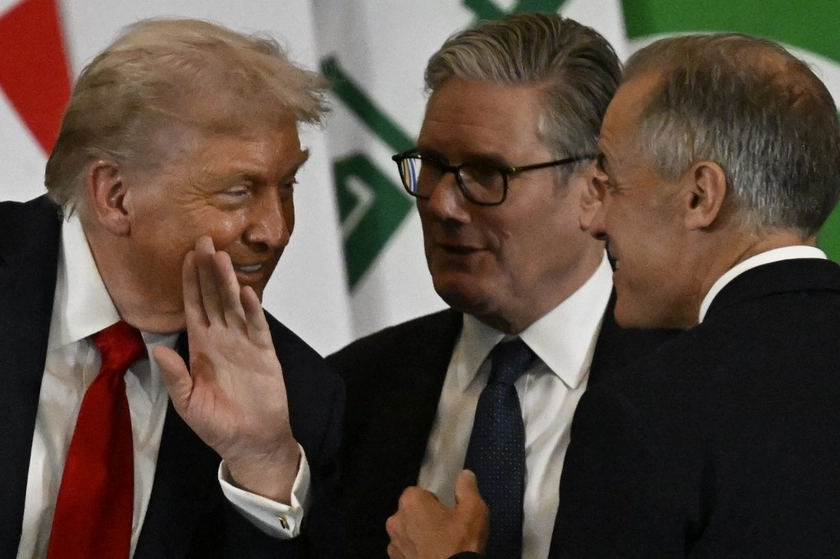
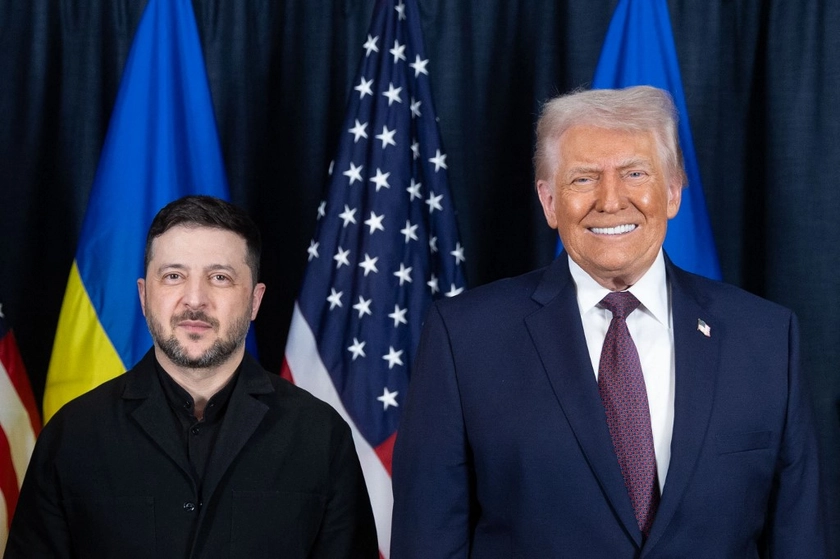
The chances are that Europe’s democracies will remain at daggers drawn simultaneously with Trump’s America and Russia for some considerable time to come.
Putin’s “elected” dictatorship, the heir to centuries of autocracy, has no right to lecture Britain, one of Europe’s oldest democracies, that the ramping up of its defenses “stubbornly” distracts attention from its “worsening” domestic socio-economic problems.
In fact, the free media in democracies debates political, social and economic problems daily. By contrast, Moscow maintains a deafening silence about Putin’s indifference to the massive suffering of his own compatriots, and to the illegality and bestiality of his war on Ukraine in defiance of international law and the United Nations Charter.
Last but not least, Moscow has welcomed Trump’s assertion that Russia can annex Ukrainian territory – including Crimea and the parts of eastern Ukraine that it has occupied. However, Britain and the European Union will not recognize Russia’s illegal occupation of Ukrainian territory. Moscow therefore alleges that Ukraine is “being driven by the national interests of others,” so Russia “will be simply forced to respond.”
As the United States cuts military aid to Ukraine, Europe’s strong democracies may not be able to influence Trump to help them counter the menace of Russia’s expansionism. The chances are that Europe’s democracies will remain at daggers drawn simultaneously with Trump’s America and Russia for some considerable time to come.
Never mind. Europe’s democracies must be prepared to continue giving economic and military support to Ukraine if only to preserve their own long-term security and freedom.
The views expressed are the author’s and not necessarily of Kyiv Post.
You can also highlight the text and press Ctrl + Enter