The Ukrainian resistance movement of the second half of the 20th century (1960s-1980s) is an important page in the history not only of Ukraine but of all Central and Eastern Europe.
It was formed mainly by young, intelligent, courageous, and talented people from different parts of Ukraine who cared deeply about the country, its culture, and history. They chose the path of exploring their Ukrainian identity and developing their national and civic identity.
JOIN US ON TELEGRAM
Follow our coverage of the war on the @Kyivpost_official.
In the authoritarian reality of the Soviet Union, this automatically meant opposition to the system. Not everyone survived and prevailed in this confrontation.
As such, this historical period is fraught with tragedy and pain. However, “people are not afraid,” as movement participant Svitlana Kyrychenko wrote in her book of the same name. They shaped the culture of the human rights movement and created an ecosystem for the preservation of identity (national and professional).
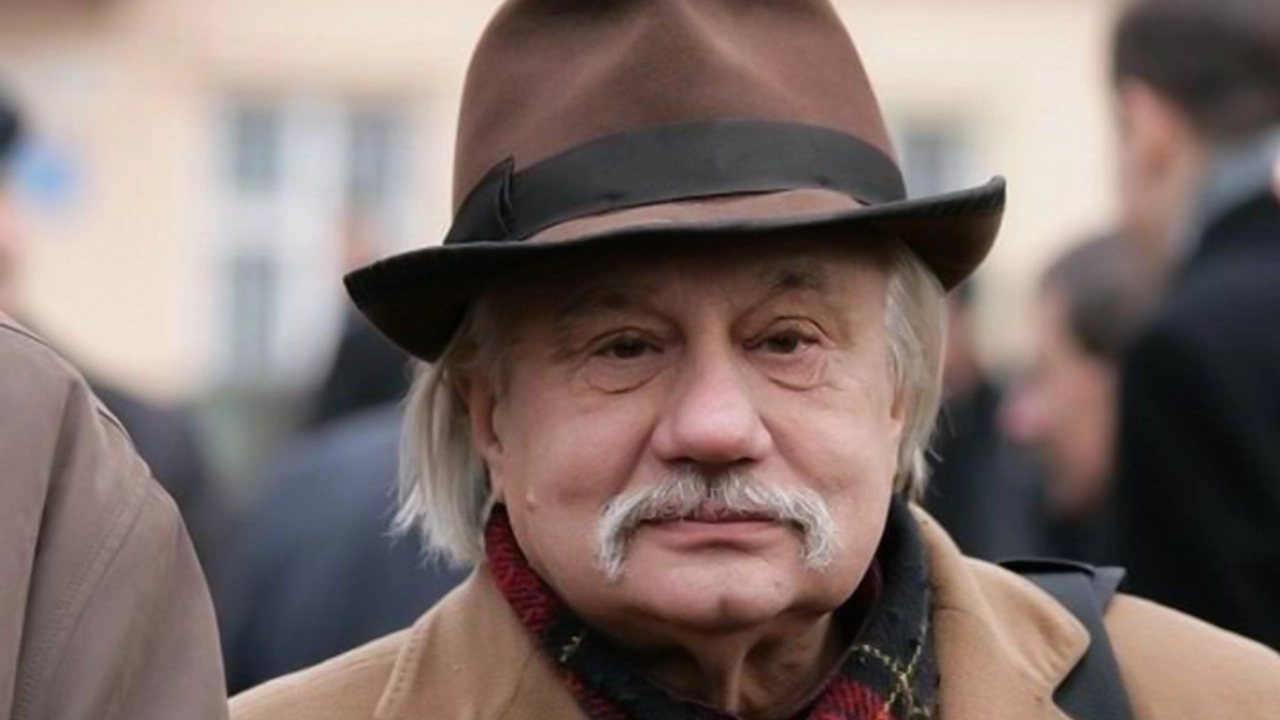
The main centers of the resistance movement were Kyiv and Lviv. In Lviv, representatives of the western regions of Ukraine mainly united. Ihor Kalynets was a prominent figure in this circle. He can be described in various ways: as a poet (author of 17 poetry collections), prose writer, children’s book writer, public figure, Ukrainian activist, and representative of civil society who paid for his position with years of freedom.
Ihor Kalynets – biography
Ihor Kalynets was born in the town of Khodoriv, near Lviv, and grew up in an atmosphere of the insurgent movement. The poet spent his entire adult life in Lviv, with the exception of years of political imprisonment and exile. Ihor Kalynets’ student years at Lviv University (1956-1961) nurtured his Ukrainian identity and worldview.
Trump Downplays Russian Drone Incursion into Poland as ‘Mistake,’ Drawing Sharp Rebuke From Allies
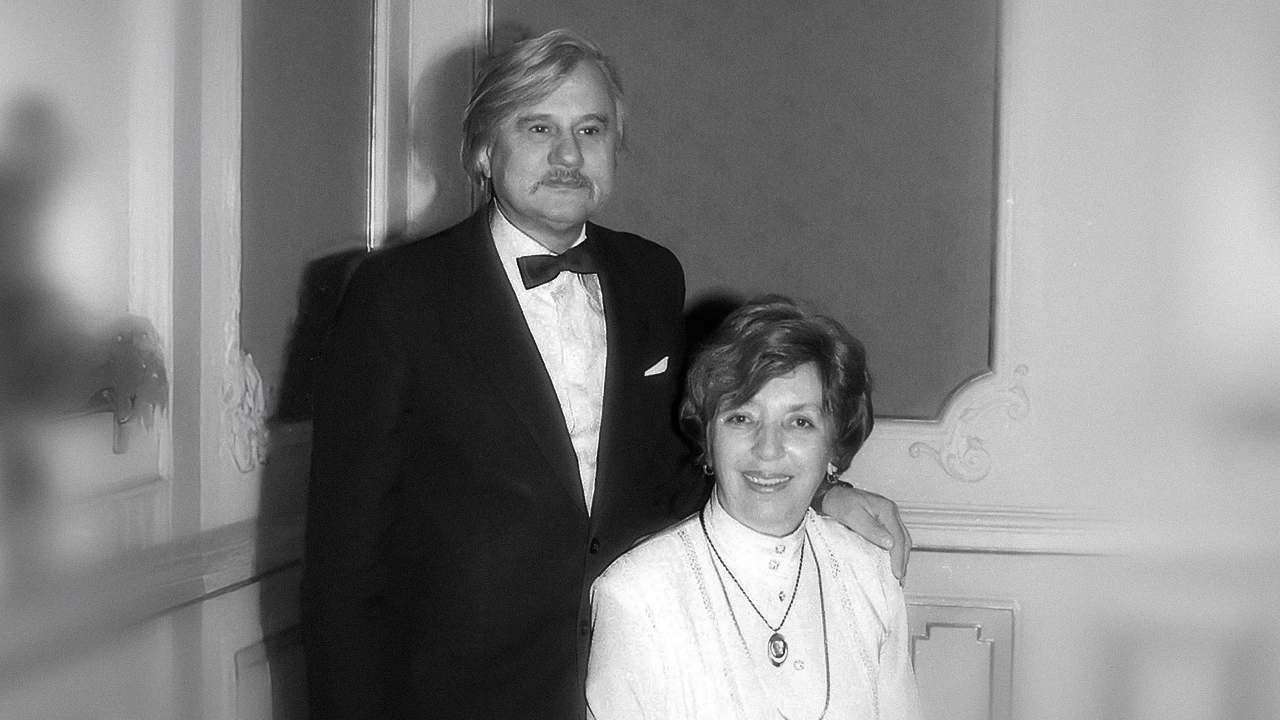
It was here that he met his future wife, Iryna Stasiv (1940–2012), a person with whom he shared cultural, religious, and social views, and with whom he endured trials as prisoners of conscience. They were the only couple in the Ukrainian resistance movement to be sentenced and exiled at the same time. Their young daughter, Dzvenyslava, was taken into the care of close relatives.
During his student years, Kalynets had a fateful meeting with the famous Ukrainian poets of the 1960s, Mykola Vinhranovsky, Ivan Drach, and Ivan Dziuba, which inspired him to create his own poetic style. “I never wrote Soviet poems,” the poet said in one of his last interviews.
Vitaly Portnikov aptly described Kalynets’ uniqueness as a poet: “Ihor Kalynets’ creative genius and his unparalleled ability to think in short images could be the pride of any European poetry. For any post-war literature, he would become not just a classic, but a modern classic.”
Kalynets’ collection of poems, “Vidchynnenia Vertepu” (Opening the Nativity Scene), was published in 1970 by the Belgian publishing house “Literature and Art” and designed by the famous Ukrainian graphic artist Bohdan Soroka.
It was this edition that became an artifact in the trial of Ihor Kalynets in 1972 as evidence that his poems “pose a great threat to the existence of Soviet power and the monolith of the USSR.” The history of the publication of this collection is interesting.
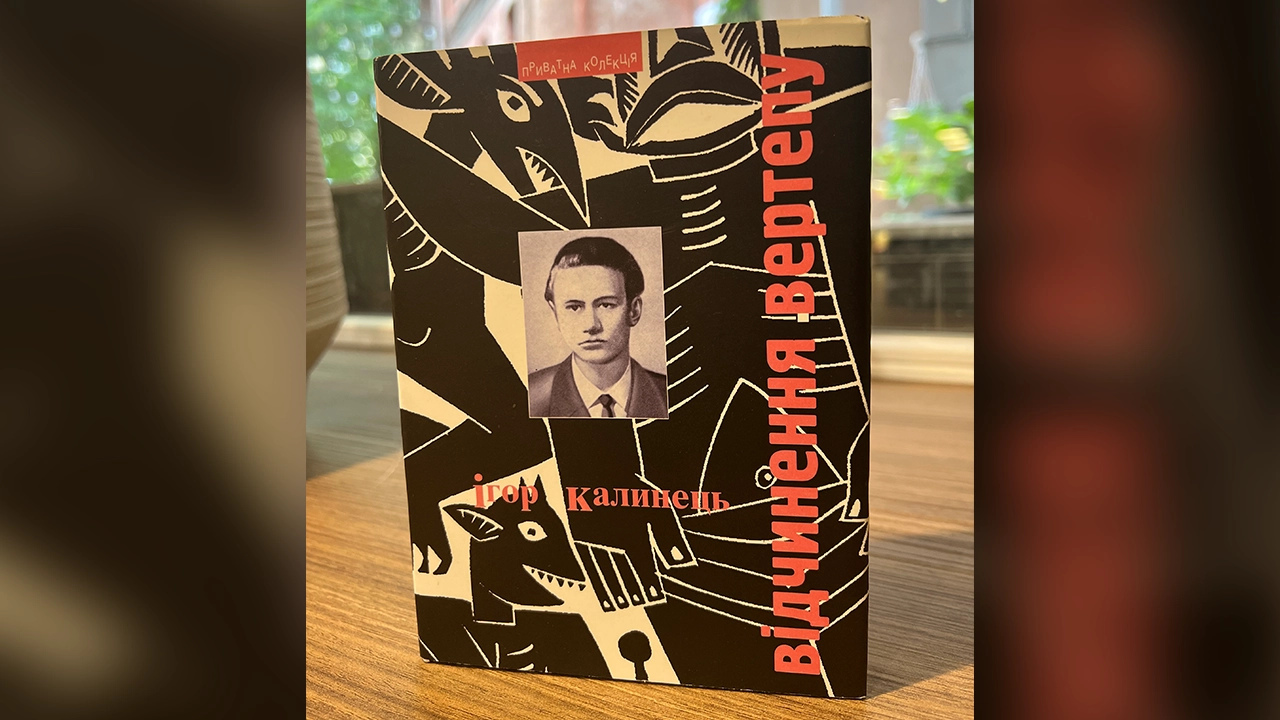
In 1966, Ihor Kalynets’ first collection of poems, “Vohon Kupala,” was published in Kyiv. It was criticized by the Soviet censors and removed from distribution networks.
“That’s why I distributed the poems from the collection ‘Opening the Nativity Scene’ as samizdat among my friends,” the poet said in an interview. He managed to pass the manuscript on to an event called “Poems from Ukraine.”
Foreign publishers emphasized that they published it without the “knowledge or permission of the authors” in 1970 in order to protect the authors, the poet, and the illustrator from persecution by the authorities.
However, this did not save them. 1972 was a tragic year for the Ukrainian resistance movement, as most of its well-known representatives were arrested at the same time.
Among them was the poet’s wife, Iryna Stasiv-Kalynytska (arrested on January 12, 1972, and sentenced to six years in a strict regime camp and three years of exile). The KGB campaign to arrest Ukrainian dissidents was called the “Dobosh Affair.”
Yaroslav Dobosh, a Belgian citizen of Ukrainian origin, arrived in Soviet Ukraine in early January 1972, allegedly as an agent of a “foreign anti-Soviet center of Bandera’s OUN,” whose plans included communication with representatives of the Ukrainian resistance movement.
After his wife was imprisoned, on Aug. 11, 1972, Ihor Kalynets was sentenced to six years of imprisonment in a strict regime prison (in the Perm concentration camps, Northern Urals) and three years of exile (in Transbaikalia).
After his imprisonment, Kalynets and his wife returned to Lviv. The trials did not turn the couple into passive citizens of the Soviet Union. Together, they continued to take an active civic stance, participating in the social, political, and religious life of the Lviv community in the 1980s, particularly in events that paved the way for the restoration of Ukrainian independence. Ihor Kalynets joined the publication of the samizdat magazine Yevshan-Zillia (1987-1990).
Imprisonment did not affect Ihor Kalynets as a public figure, but it did affect him as a poet. He himself wrote that he became “the impresario of the former Ihor Kalynets.”
Therefore, his poetic work is divided into pre-imprisonment, imprisonment, and exile. Kalynets’ poetry is striking for its mythopoetic world; it is the heir to the poetry of Bohdan-Ihor Antonych and early Pavlo Tychyna. Kalinets’ distinctive feature as a poet is his approach to structuring poetry into cycles, rather than simply writing individual poems.
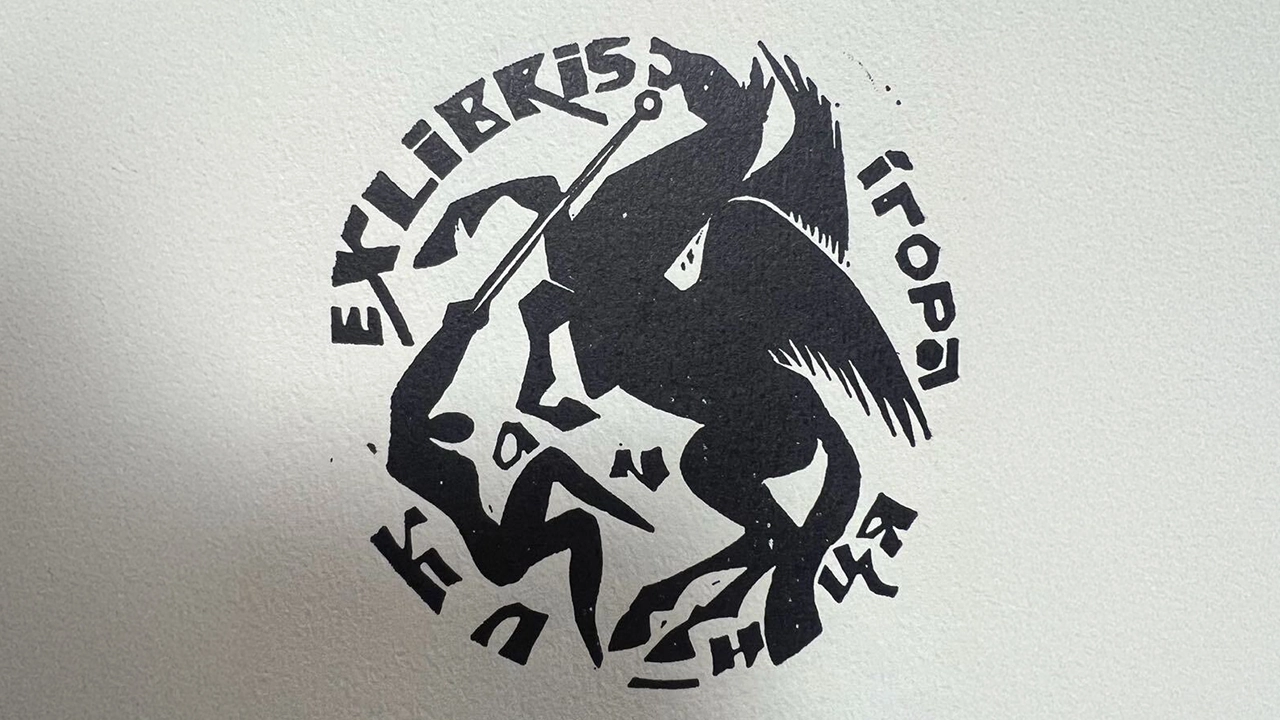
In independent Ukraine, Ihor Kalynets, an honorary citizen of Lviv, has received numerous prizes and awards and was nominated for the Nobel Prize in 2015.
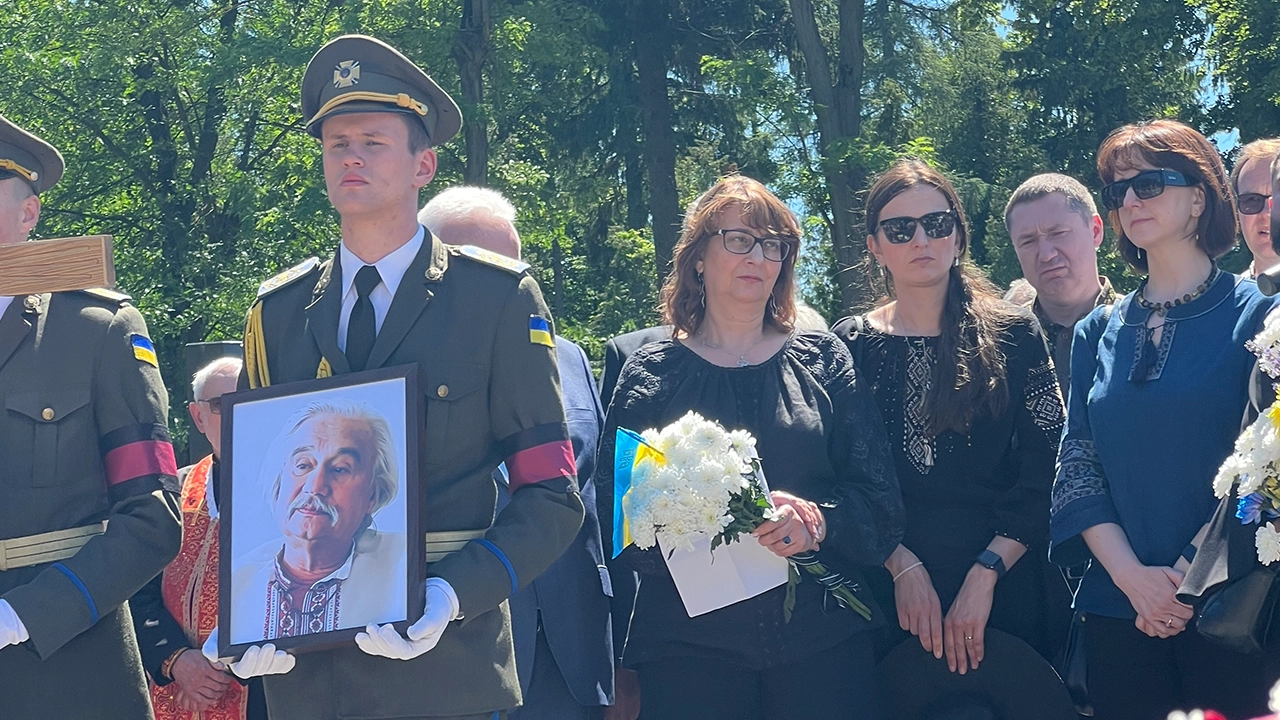
Ihor Kalynets’s life credo was “one must be a principled Ukrainian.”
The poet’s entire life was an embodiment of this maxim.
You can also highlight the text and press Ctrl + Enter