Russia is preparing to fine people for searching banned content online, even if they use a VPN to do so.
The proposed changes to the country’s Administrative Code would introduce fines of 3,000 to 5,000 rubles (about $35 to $60) for “intentional searches” for materials the government deemed extremist on the internet.
JOIN US ON TELEGRAM
Follow our coverage of the war on the @Kyivpost_official.
According to Kommersant, the amendments also target the promotion of VPN-like tools. Advertising or recommending such software could result in steep penalties: up to 80,000 rubles ($900) for individuals, up to 150,000 rubles for officials, and up to 500,000 rubles for companies.
Also, even though fines currently apply to VPN developers or providers, experts warn that the vague wording could lead to broader interpretations.
“If you have a VPN on your phone, that alone might be enough to trigger a deeper check,” said Darbinyan, speaking to The Moscow Times. “Eventually, we could see criminal charges for VPN use after just one or two warnings – like with the law on foreign agents.”
The new rules are expected to take effect on Sept. 1.
Digital rights groups say the move could criminalize ordinary internet use. The Net Freedoms Project called it “a sneaky tactic,” noting that the censorship measures were quietly added to a bill originally meant to regulate the freight transport industry. That bill passed its first reading in January.
Zelensky: Belarus Builds Military Infrastructure Along Ukraine’s Border, Cites Russian Influence
“This method – slipping repressive ideas into unrelated laws – has been used many times before,” the group warned.
Until now, Russians could only be punished for spreading banned content – not for simply viewing it. But that may soon change.
“This would be the first time Russian law holds people responsible just for what they search or read online,” said lawyer Stanislav Seleznev in a comment to Forbes, which was first to report the changes.
Critics warn the vague language in the bill could allow the state to go after anyone who accesses opposition media, independent investigations, or even social media platforms that have been blocked in Russia.
Digital rights groups, cited by The Moscow Times, say the term “extremist materials” could be applied broadly – not just to books, music or websites officially banned by the Justice Ministry, but also to content seen as encouraging protest, criticizing the government, or supporting political opposition.
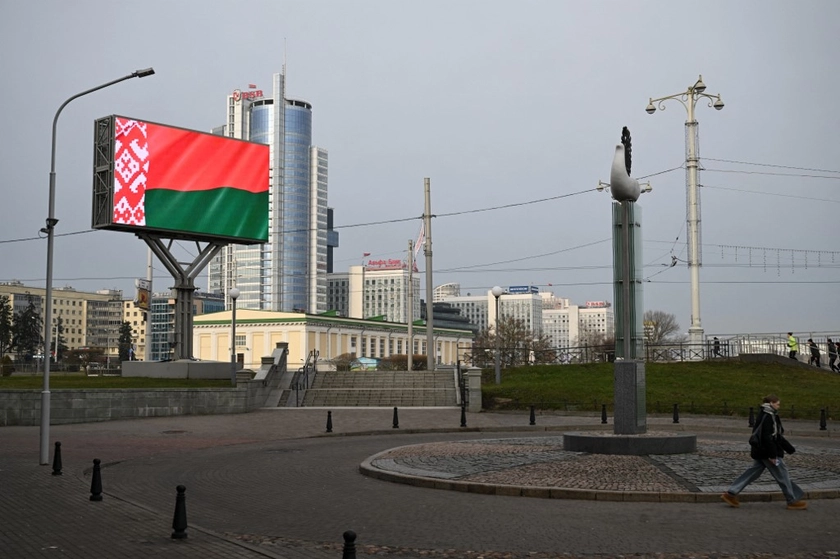
“This could be one of the darkest times for the Russian internet,” said Sarkis Darbinyan, co-founder of digital rights group Roskomsvoboda. “It looks like the government is moving toward criminalizing even the consumption of banned content – just like in Belarus.”
According to Darbinyan and other experts, future changes could go further, with jail time for simply having certain apps or subscriptions on your phone.
What counts as “extremism” in Russia includes using the symbols of banned organizations, justifying terrorism, calling for protests, criticizing the president or military, or even blocking election processes — all of which have already led to arrests in recent years.
Courts have also labeled negative comments about police, FSB agents, and lawmakers as extremist speech. Critics warn that these rules could easily be used to punish dissent or independent journalism.
Human rights lawyers say it will be hard to prove a person knowingly accessed extremist content, but since these are minor offenses, police and judges may not bother with solid evidence.
“This is about fear and control,” said one lawyer, who asked The Moscow Times not to be named. “It gives the authorities a new tool to punish people for what they watch, read, or share online.”
You can also highlight the text and press Ctrl + Enter

Attack on Moscow Oil Refinery: Putin Under Pressure?