The European Commission unveiled its plan for a dynamic seven-year budget, totaling nearly €2 trillion ($2.3 trillion, or 1.26% of the EU estimated gross income from 2028 to 2034), with €100 ($116 billion) planned for Kyiv over the period; but some members are already backing away from the ambitious proposal.
The European Commission proposed a dynamic Multiannual Financial Framework (MFF) totaling nearly €2 trillion ($2.3 trillion) to cover all budget expenditures from 2028 to 2034.
JOIN US ON TELEGRAM
Follow our coverage of the war on the @Kyivpost_official.
Within this proposed budget, the EU would allocate €100 billion ($116 billion) for Ukraine from special reserves, the EU Commission reported in a press release on June 16.
Having its budget needs covered for seven years starting in 2028, Ukraine is still urged to fund its financial gap of $17.7 billion in 2026, leaving even more uncertainty for 2027 as Russia’s invasion still eats the majority of the budget for defense needs.
The Commission’s MFF proposal features four main spending categories (“headings”), each capped by a maximum ceiling. It also includes a flexibility instrument and a Ukraine Reserve to allow funding beyond these limits.
“Support for Ukraine will benefit from a degree of flexibility given the magnitude and unpredictability of the needs. Support for operations with military aspects will continue to be covered by the European Peace Facility,” the press release says.
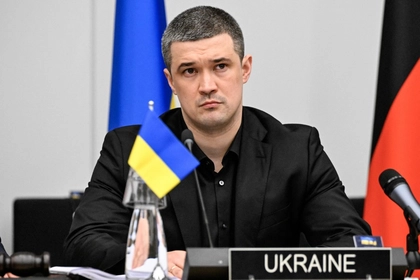
Ukraine Regained Battlefield Initiative but Needs More Aid to Keep It – Fedorov
Global Europe will offer a coordinated support package to candidate countries, helping them align with EU values, laws, standards, and policies through performance-based plans, the EU Commission explained in its article about the next long-term budget.
The EU’s next long-term budget would be designed to address Ukraine’s exceptional and unpredictable needs amid Russia’s war, while also supporting its path toward EU accession.
After the EU Commission unveiled theMFF proposal, it was quickly shot down by Germany, the bloc’s largest member.
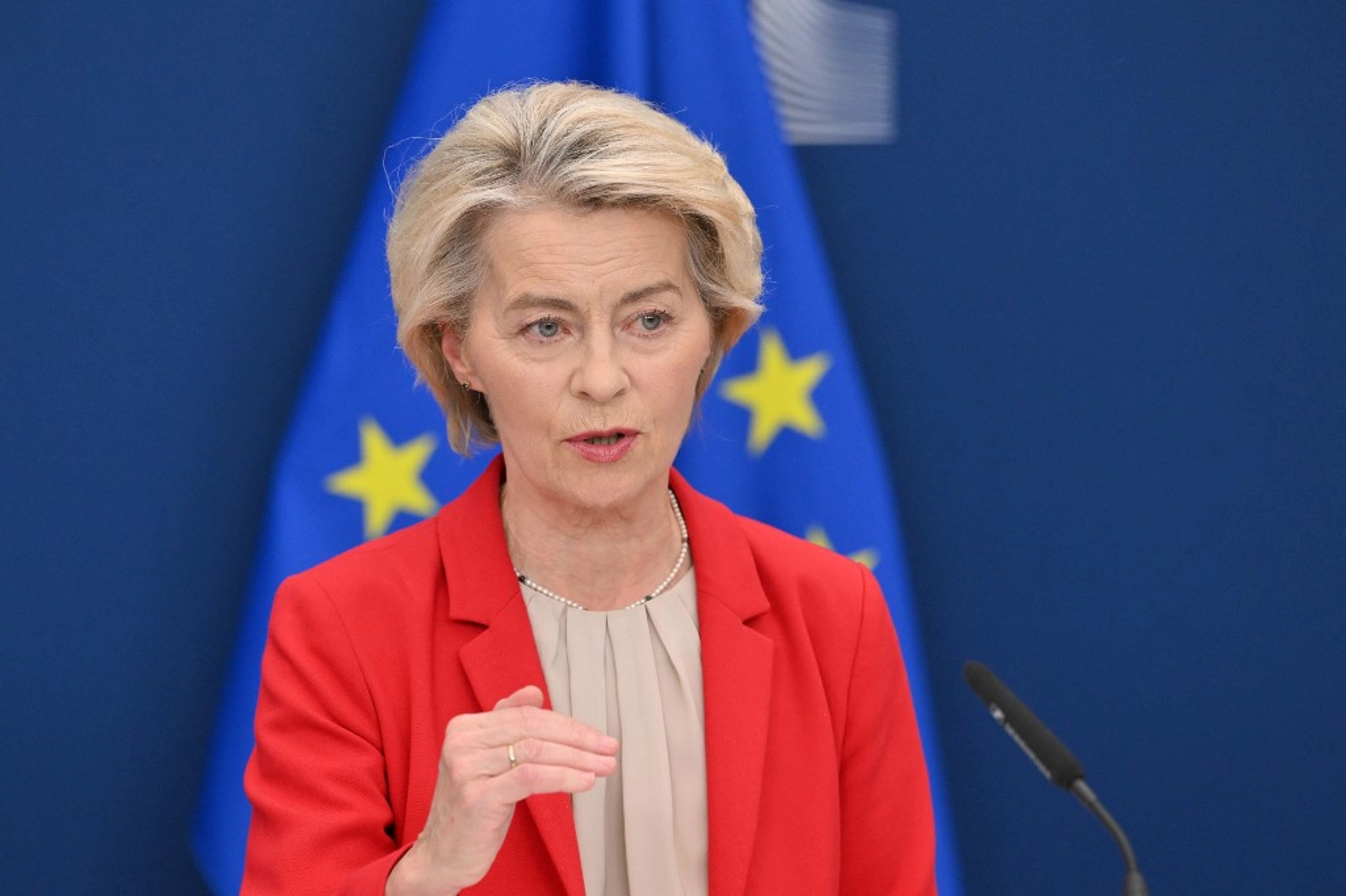
Germany said it was “unable to accept” the €2-trillion budget for 2028-2034, which EU chief Ursula von der Leyen called “the most ambitious ever proposed.” Farm unions also quickly came out against proposed reforms to the bloc’s huge agriculture subsidies.
Considering Ukraine support and other funds kept available in case of crises, German government spokesperson Stefan Kornelius said in a statement that, “A comprehensive increase in the EU budget is not acceptable at a time when all member states are making considerable efforts to consolidate their national budgets.”
Germany also opposed the commission’s call to make companies with an annual turnover of more than €100 million ($115,9 million) pay more in corporate taxes.
Hungary, a staunch critic of Brussels, and Russia’s closest ally in Europe, meanwhile tapped into the rural anger ahead of the plan’s release – while slamming the money for Kyiv.
“Ukraine would get a massive funding boost, while European farmers lose out,” Hungarian Prime Minister Viktor Orban said.
You can also highlight the text and press Ctrl + Enter