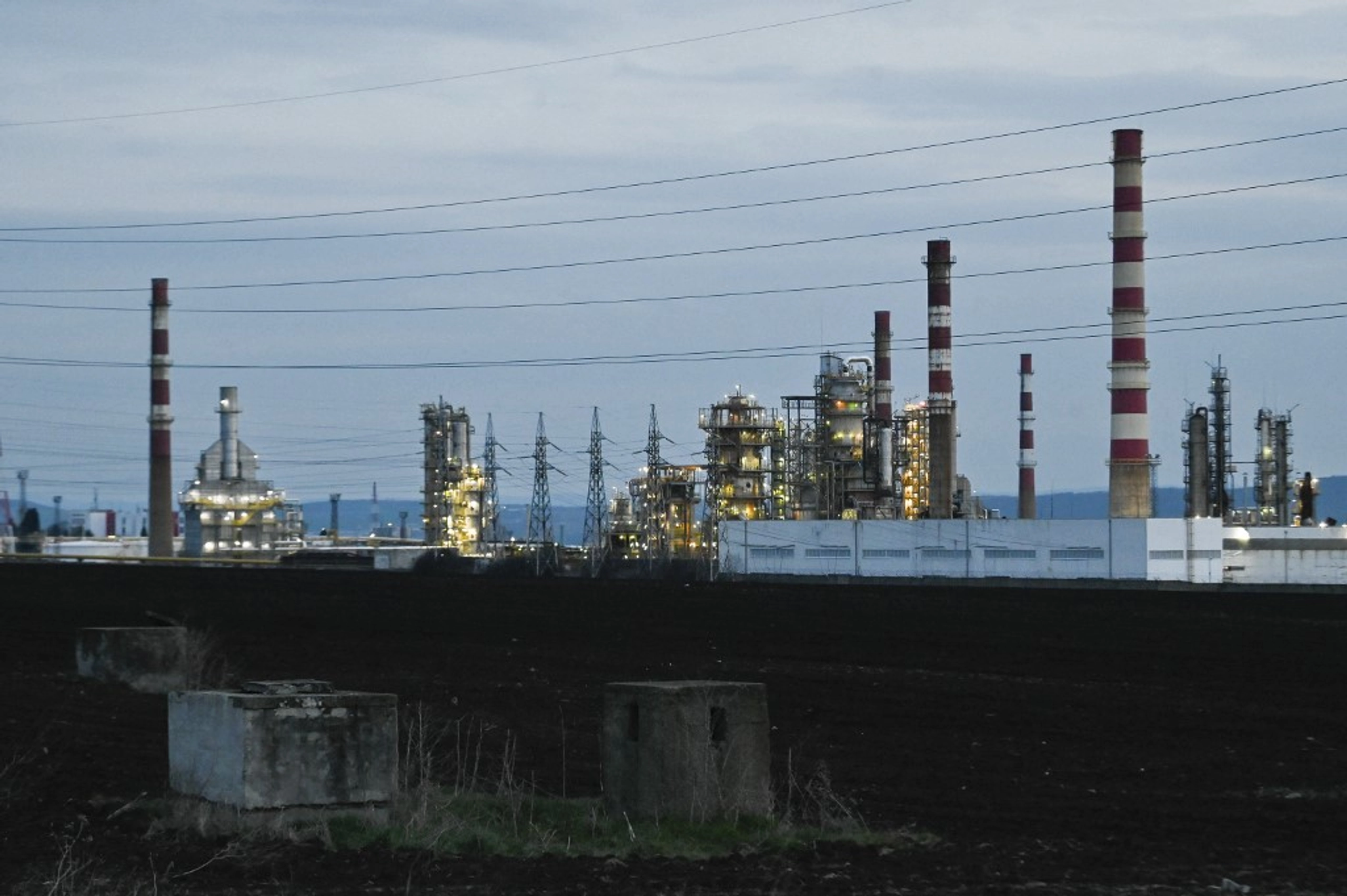
Estonia, Latvia, and Lithuania have formally urged the EU to expedite the implementation of a ban on Russian oil imports, seeking to further constrain Moscow’s financial capacity to wage war against Ukraine and to diminish Europe’s lingering energy dependence on Russia, Financial Times reported.
Representatives from the Baltic nations pressed for the accelerated preparation of an oil phase-out plan during a meeting of EU energy ministers on Friday.
JOIN US ON TELEGRAM
Follow our coverage of the war on the @Kyivpost_official.
Sources cited by the publication indicated that EU Energy Commissioner Dan Jørgensen did not directly address the calls during the closed-door portion of the meeting. However, the European Commission has stated that it is actively developing a relevant proposal.
According to European Commission data, the share of Russian oil in the EU’s total imports has fallen significantly, dropping from 27% at the beginning of 2022 to 2% in 2025. Despite this sharp decline, the remaining 2% still represents approximately 9.7 million tons of crude oil.
The EU has already agreed on a framework to gradually phase out Russian natural gas imports by the autumn of 2027. However, the Financial Times noted that plans regarding a comprehensive oil embargo had been temporarily suspended due to the broader crisis surrounding Iran. The proposal for the oil ban was originally scheduled to be presented on April 15 but was removed from the European Commission’s preliminary agenda in March.
Kremlin to Review Viral Video Alleging Army Abuses
During the discussions, EU officials also highlighted that damage to energy infrastructure in key supplier nations, such as Qatar – one of Europe’s largest sources of liquefied natural gas (LNG) – could complicate the rapid restoration of production capacity even in the event of a prolonged ceasefire. Concurrently, the European Commission plans to accelerate Europe’s transition to electrical energy to structurally reduce reliance on fossil fuels.
Economic strain on Russia
The Baltic push for stricter energy sanctions comes amid growing assessments that the Russian economy is facing severe structural challenges, largely tied to fluctuations in energy markets.
Vladyslav Vlasyuk, Ukraine’s presidential representative on sanctions policy, stated on Friday that the Russian economy has “effectively reached a standstill.” Vlasyuk noted that Moscow is financing the war by draining domestic resources, pointing to a sharp decline in oil and gas revenues as a critical factor.
“From January to May, Russian budget revenues from oil and gas remained 30% lower than a year earlier,” Vlasyuk said. He noted that brief price spikes, such as those caused by tensions around the Strait of Hormuz, provided only temporary relief before global prices stabilized downward. As of Friday, Russian Urals crude was trading at approximately $58.83 per barrel, almost in line with the $59 benchmark set in the 2026 Russian budget.
According to Vlasyuk, the Russian budget deficit reached 6 trillion rubles ($77 billion) in the first half of 2026, exceeding the annual target by 60%. Defense spending accounted for 48% of total state expenditure in the first quarter, reaching 5.9 trillion rubles ($75 billion). To cover the deficit, Russia has increasingly relied on expensive domestic borrowing, with domestic public debt rising to 32.4 trillion rubles ($340 billion) and yields on government bonds climbing to approximately 16%.
“The war is being financed exclusively through the depletion of domestic resources and the destruction of the civilian sector,” Vlasyuk stated.
Kremlin maintains stability assurances
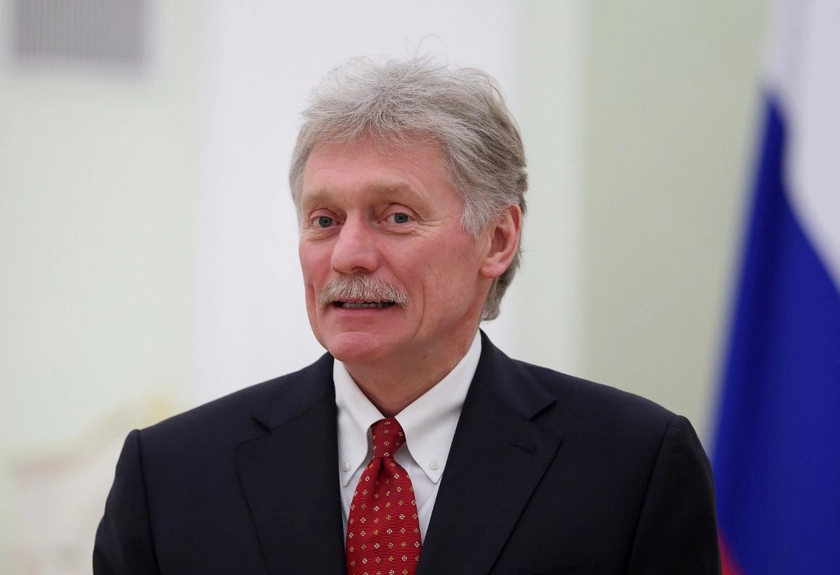
The Kremlin has consistently pushed back against assessments of economic vulnerability. In a recent statement, Kremlin spokesperson Dmitry Peskov insisted that the Russian economy has successfully undergone a structural shift away from its historical reliance on energy revenues.
“The stability of the Russian economy is secured, macroeconomic stability is absolutely secured, and this is not a matter of doubt for anyone,” Peskov told reporters, asserting that rising non-oil revenues are offsetting volatility in global energy markets.
However, market indicators suggest ongoing strain. The MOEX Russia Index recently dropped to a three-year low following a Central Bank rate cut that signaled prolonged tight monetary conditions.
The push for an oil embargo follows recent actions by the EU to solidify its long-term sanctions framework. On June 19, EU leaders agreed to extend sectoral economic sanctions against Russia for a full year, departing from the previous practice of six-month renewals, to provide greater predictability for the sanctions regime.
You can also highlight the text and press Ctrl + Enter

OPINION: In High-Stakes Bluff, Putin Holds a Losing Hand
Hungary Blocks Ukraine, Moldova’s EU Membership Talks
CARTOON: Lukashenko Feels the Squeeze and Dithers