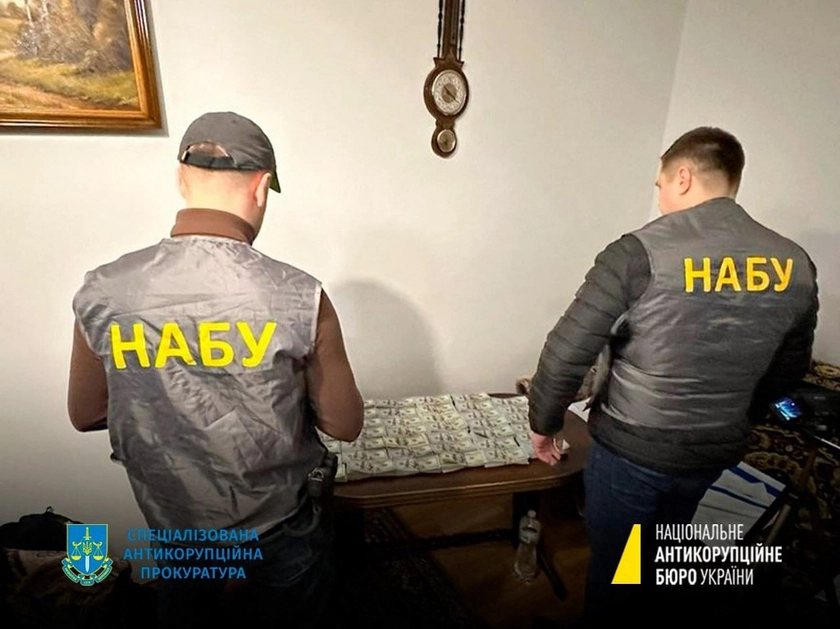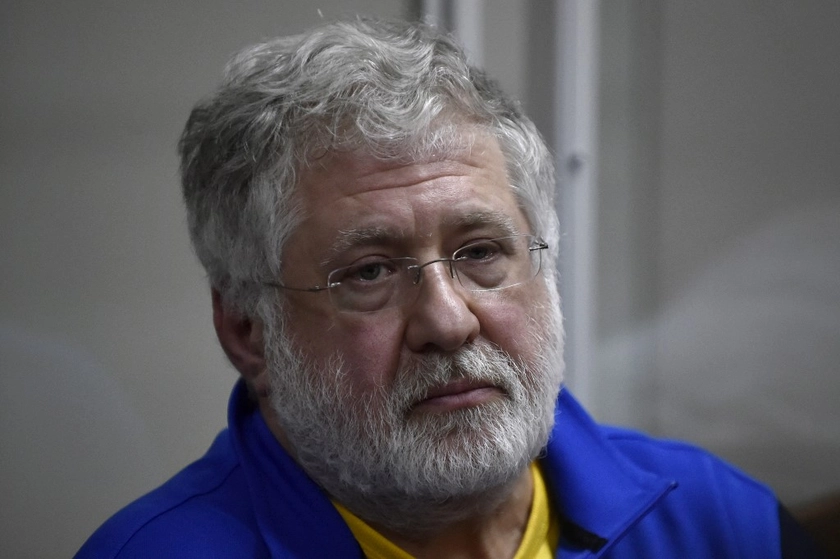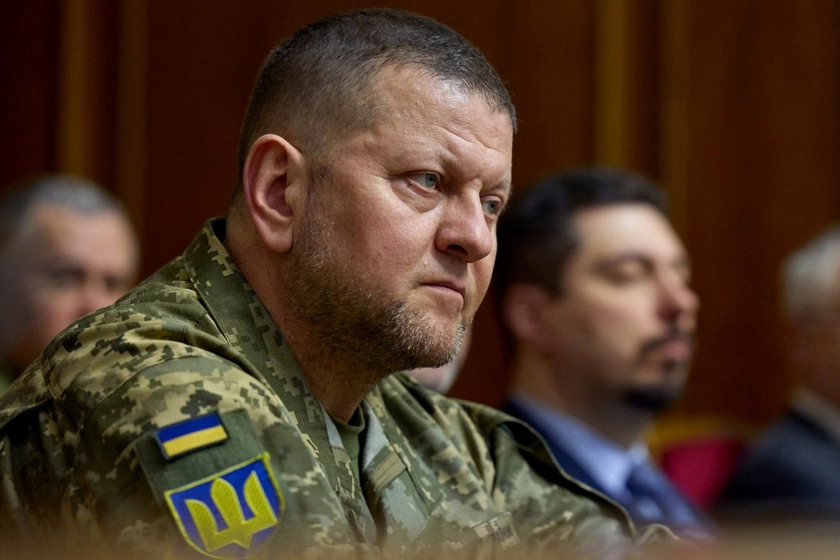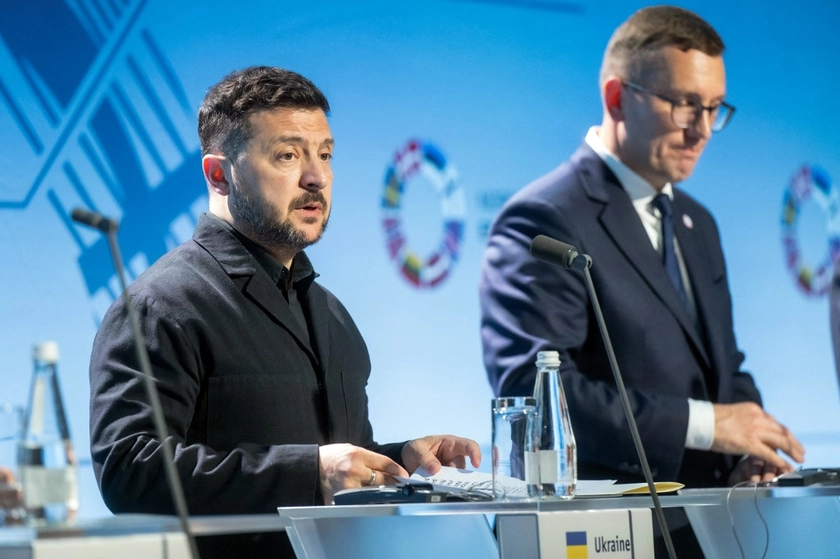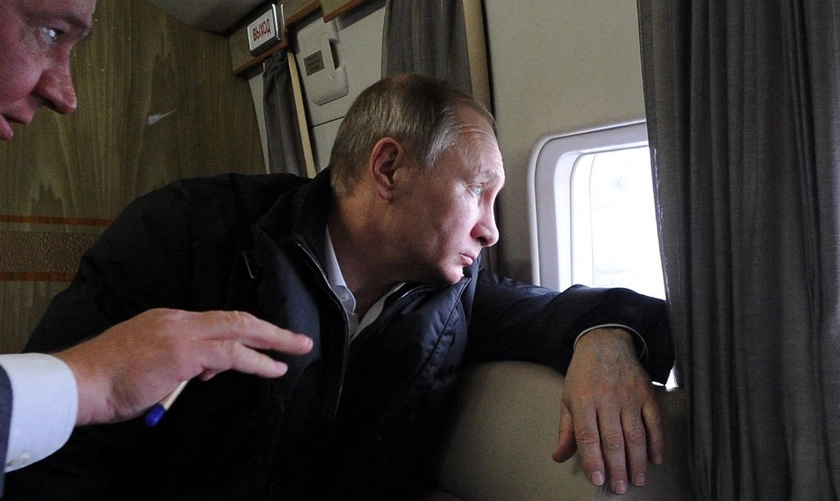
The two anti-corruption agencies that saw their autonomy rescinded in a law passed earlier this week in parliament have welcomed President Volodymyr Zelensky’s promise to come up with a draft law that will protect at least some of their independence.
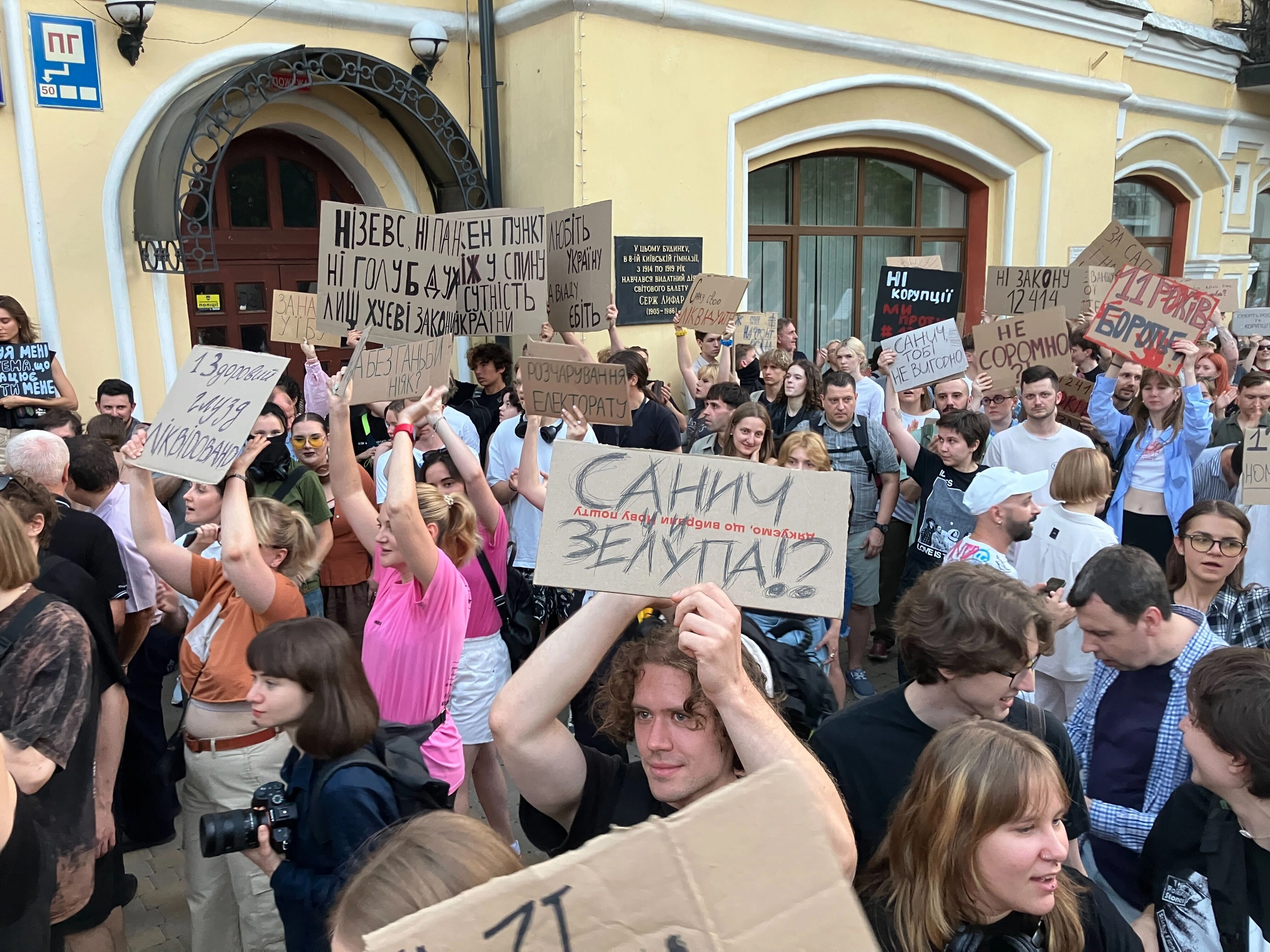
Zelensky was under pressure from growing protests in the capital against the law, the first demonstrations of their kind since martial law was imposed following Russia’s full-scale invasion in February 2022.
JOIN US ON TELEGRAM
Follow our coverage of the war on the @Kyivpost_official.
In his evening address on Wednesday, the president said he would propose a bill to parliament, the Verkhovna Rada, that would include all the provisions necessary to help insure the independence of anti-corruption institutions.
That seemed to placate, at least for the moment, the two disenfranchised agencies: the National Anti-Corruption Bureau of Ukraine (NABU) and the Specialized Anti-Corruption Prosecutor’s Office (SAPO).
“We are grateful for the constructive dialogue and meetings that help foster joint efforts, said a joint statement from NABU and SAPO on Facebook on Wednesday.
“We firmly believe that preserving the independence of detectives and prosecutors, as well as upholding the principle of the inevitability of punishment through lawful court verdicts, are essential conditions for the effective investigation of corruption offenses and for fulfilling Ukraine’s international commitments,” the statement said.
Ukraine, Estonia Sign Defense Pact Focused on Drones, Air Defense
“NABU and SAPO stand ready to engage in discussions and the drafting of a legislative measure that will dispel legal risks, uphold rule of law standards, and unlock greater potential for ensuring justice in Ukraine.
“We are grateful for the constructive dialogue and meetings that foster collaborative efforts,” they wrote.
Zelensky signed the controversial Bill No. 12414 into law on Tuesday night, July 23, effectively gutting the country’s top anti-corruption agencies.
A majority of parliamentarians and Zelensky said that the oversight of these agencies was necessary in order to combat what they claimed was covert Russian interference within the agencies to undermine the administration.
That didn’t sit well with the few thousand protesters who have gathered in Kyiv this week to fight for the democratic integrity of Ukraine, which was earned with blood during the Revolution of Dignity, or “Maidan Revolution,” named for the capital’s principal square in which those February 2014 demonstrations were held against Moscow-backed leadership, resulting in more than 100 protester deaths.
Nor did the legislation pass muster with EU leadership considering Ukraine’s membership in he 27-nation bloc. The EU’s enlargement commissioner expressed her dismay at the move on Tuesday, saying her department was “seriously concerned” over the law, lamenting that “the dismantling of key safeguards protecting NABU’s independence is a serious step back.”
As Kyiv Post reported earlier on Wednesday, lawmakers are already exploring constitutional avenues to have the bill repealed.
“We’re preparing a constitutional motion,” Yaroslav Zheleznyak, a lawmaker with the opposition Holos Party wrote in a social media post on Wednesday.
“It will take some time to ensure it’s solid and well-crafted. There are precedents where laws have been repealed due to procedural violations – and in this case, the authorities pushed the bill through parliament in an especially underhanded way, so we have plenty to work with. Next, we’ll start collecting the 45 signatures needed. I don’t think it’ll be easy, but we’ll make sure the public knows exactly who refuses to sign. The court process is long, but it’s one of the most reliable paths we have.”
You can also highlight the text and press Ctrl + Enter