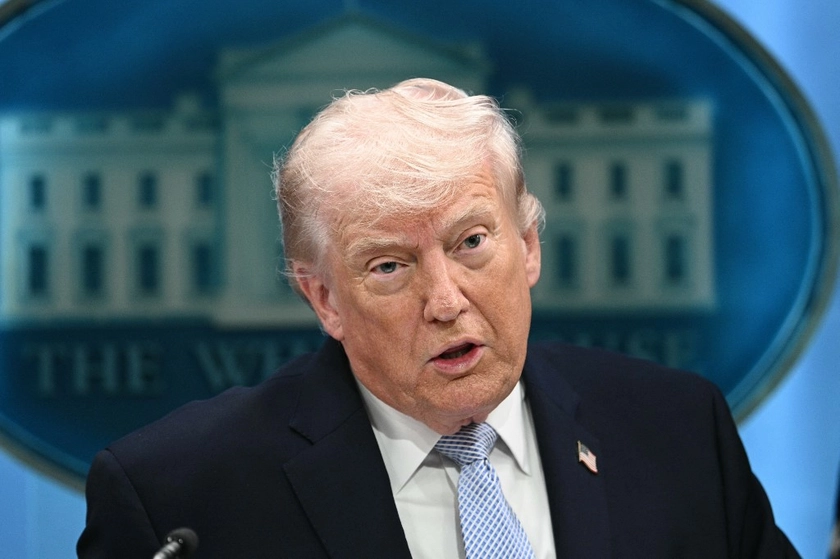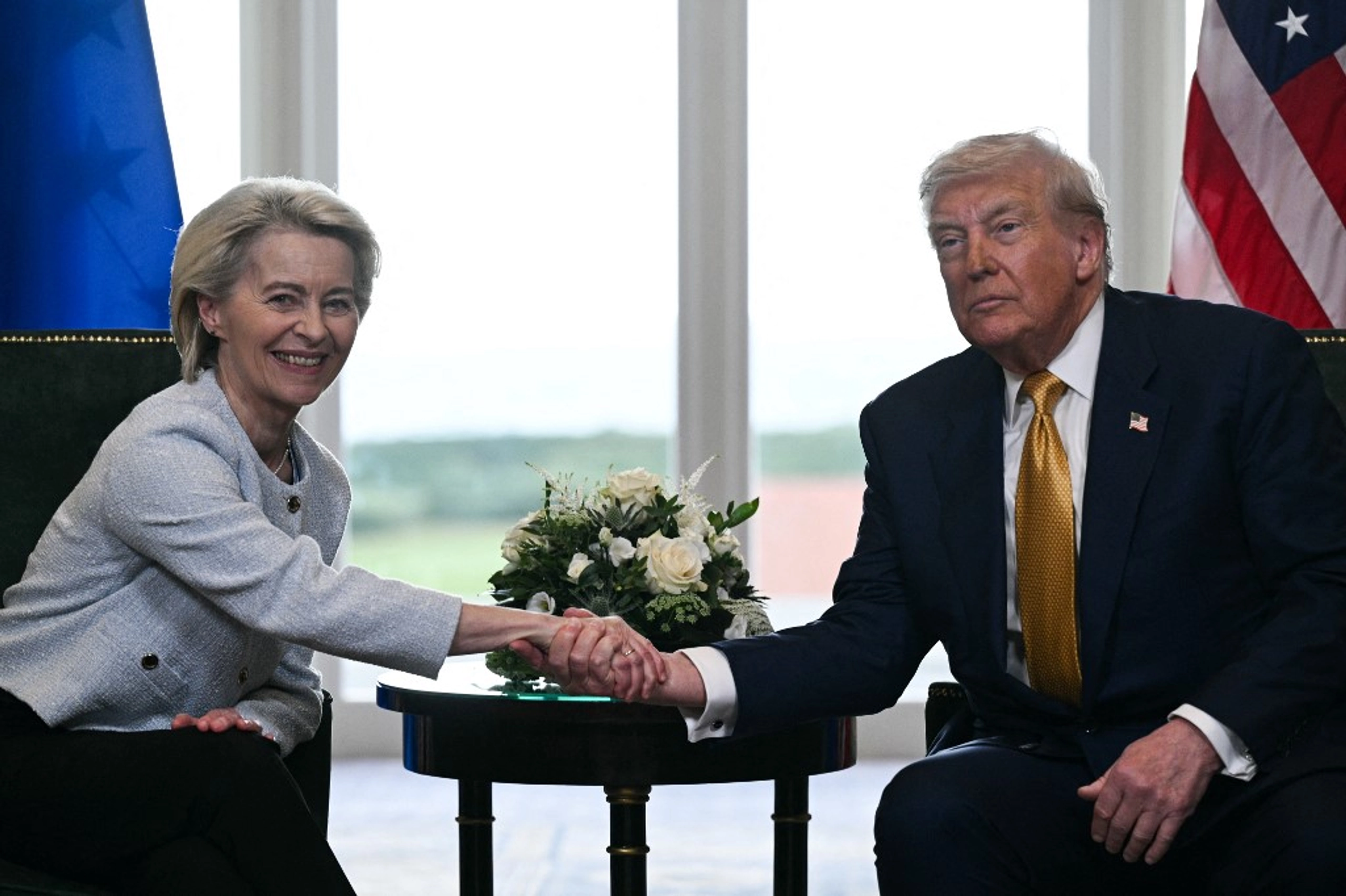
US President Donald Trump and EU Commission President Ursula von der Leyen have announced a deal in the tariff dispute: tariffs of 15 percent will apply to EU exports to the US. According to Trump, the EU will also buy more energy and weapons from the US and increase its investments in the country. The announcement elicits a mixture of relief and criticism from the press.
High price for stability
JOIN US ON TELEGRAM
Follow our coverage of the war on the @Kyivpost_official.
This is not a fair deal, writes Corriere della Sera (Italy):
“The EU is paying a high price for ‘stability’ in its relations with the US. ... This is essentially a political agreement: the EU wanted to avoid a head-on conflict with the US. Before Trump, the average tariff imposed by American customs authorities on European goods was around 4.8 percent; now it has been set at 15 percent. This is three times as high and with no real economic justification, because Trump’s claim that Europe has been exploiting the US for several years is simply not true.”
Trump took a gamble and won
Fifteen percent can hardly be called a fair result, De Standaard laments (Belgium):
“Trump took a gamble and won - because he has obstinately rewritten the rules of the game, which were established over decades of multilateral negotiations. Now that these rules have been changed, it is impossible to predict how the new tariffs will affect the US and EU economies. In the old world, US consumers would have paid the price: trade tariffs make life more expensive, stifle innovation and reduce prosperity. In Trump’s world, they make the US richer at the expense of its trading partners.”
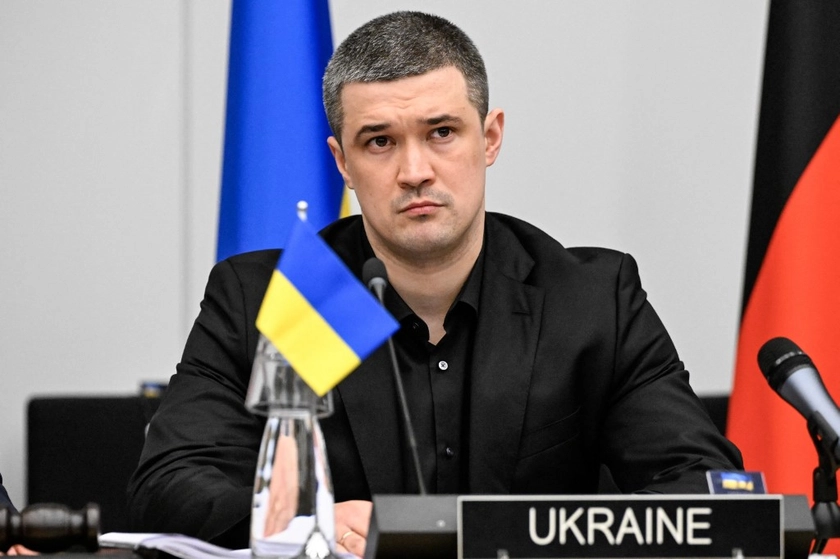
Ukraine Regained Battlefield Initiative but Needs More Aid to Keep It – Fedorov
Worse than hoped for but better than feared
The EU has been forced to bow to Trump’s demands, NRC concludes (Netherlands):
“In recent weeks, cracks have become visible in the united front that the EU wanted to present. Countries like Germany and Italy became nervous - they would have a lot to lose if their companies were faced with high tariffs. Others, led by France, were fed up with the threats and believed that the EU needed to take a tougher stance. Seen in this light, the result is one that also allows European diplomats to breathe a sigh of relief. Worse than hoped for but better than feared.”
The weapons are back in their holsters
The Irish Times breathes a sigh of relief (Ireland):
“The agreement of an outline trade deal between the EU and the US has one main advantage - it avoids an imminent tariffs war between the two sides which could have got nasty. ...This could have developed into a tit-for-tat battle. Now, the gunfight is off and the trade weapons are back in their holsters, at least for a while. Ireland relies heavily on US investment and trade and stood to be particularly exposed if a trade war broke out. Such a scenario could risk drawing big digital tech companies with large operations here into the fallout.”
You can also highlight the text and press Ctrl + Enter