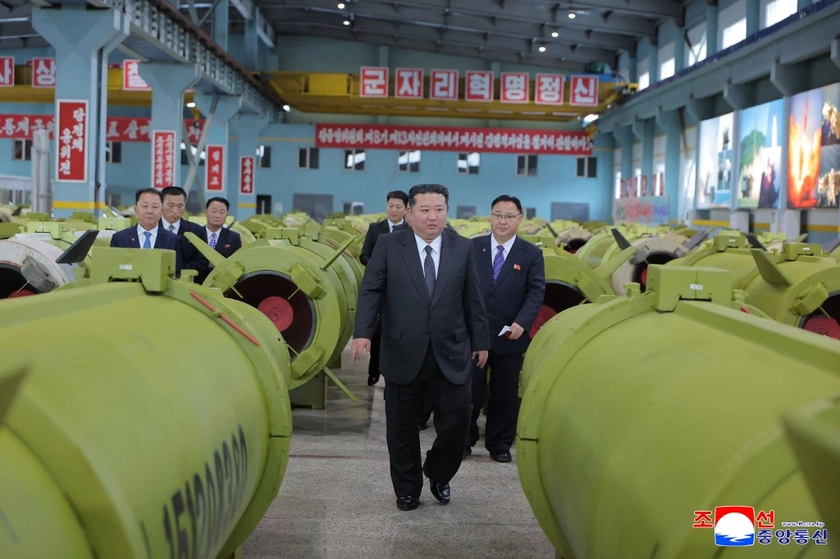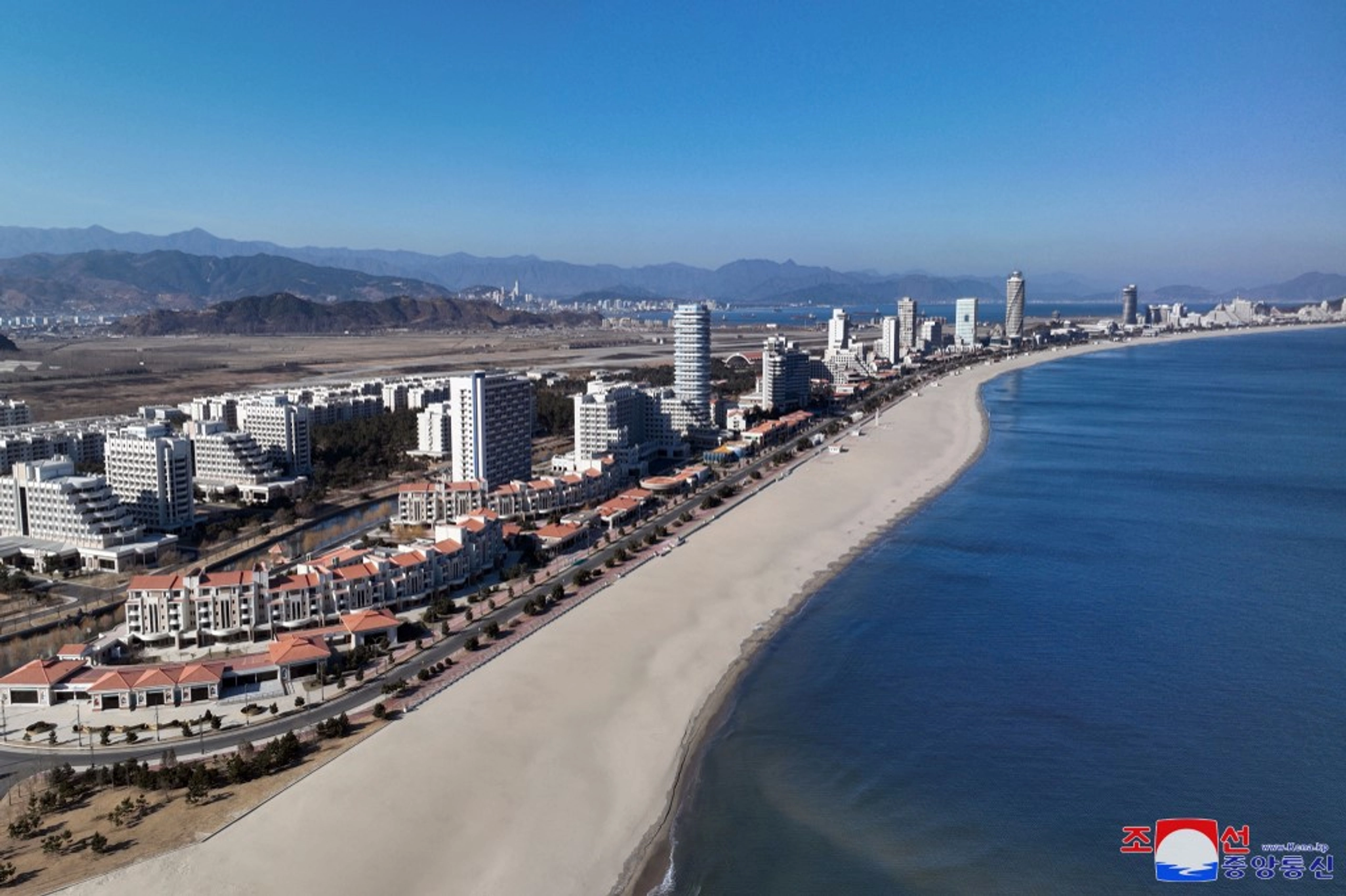
Late last month, Russian budget carrier Nordwind Airlines launched the first non-stop civilian flight from Moscow to Pyongyang in 77 years with more than 400 passengers allegedly on board. The inaugural monthly air route between both pariah nations’ capitals came on the heels of DPRK (North Korea) Supreme Leader Kim Jong-Un personally unveiling a newly developed, state-of-the-art beach resort in the Wonsan-Kalma Coastal Tourist Area at the end of June – only to prohibit overseas arrivals a week thereafter.
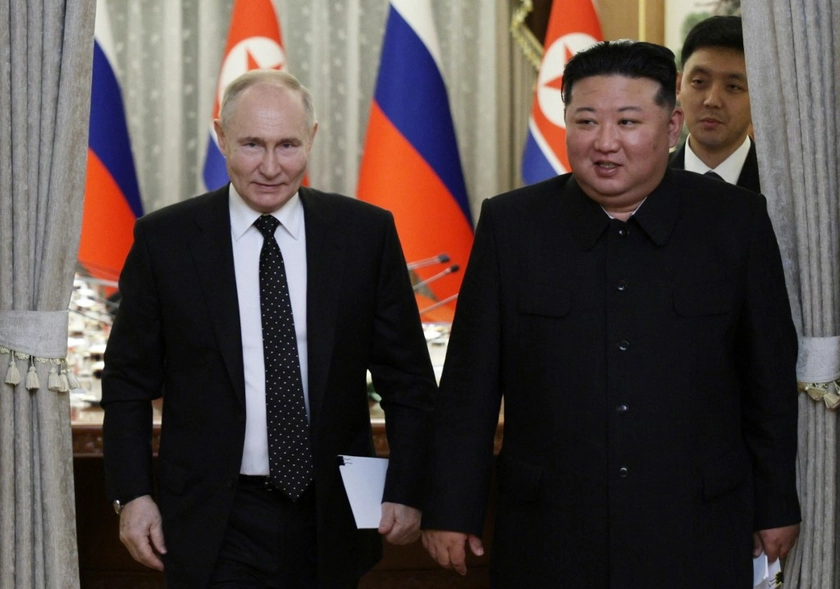
Curiously enough, this blanket entry ban applied to all outsiders except Russians – 15 of whom spent a week in Pyongyang and Wonsan doing the bidding of a pro-Kremlin police state otherwise synonymous with mass starvation, labor camps and funneling whatever surplus funds its corrupt ruling elite can muster into nuclear proliferation. As a reciprocal gesture of goodwill for the roughly 14,000 North Korean troops dispatched just under a year ago to fend off Ukraine’s Kursk offensive on top of Pyongyang supplying up to 40% Moscow’s total ammunition for the “special military operation” since August 2023, Russian Foreign Minister Sergey Lavrov encouraged leisure-seekers from Russia to visit the luxury seaside complex during his maiden trip there in mid-July.
JOIN US ON TELEGRAM
Follow our coverage of the war on the @Kyivpost_official.
For the deeply insecure and paranoid Kim dynasty, however, tourism promotion remains something of a double-edged sword. While bespoke tour packages peddled by state-owned travel agencies help the North Korean dictator and his regime apparatchiks line their pockets, there is a real danger of importing ideas and virtues that run counter to the militant self-sufficiency – known as Juche – which the reclusive East Asian country swears by. Westerners, in this regard, are looked upon as particularly inconvenient guests not least because the noisy, rough-and-tumble democracies they hail from happen to be anathema to the hereditary handover of power and fabled “Paektu bloodline” that characterizes North Korea.
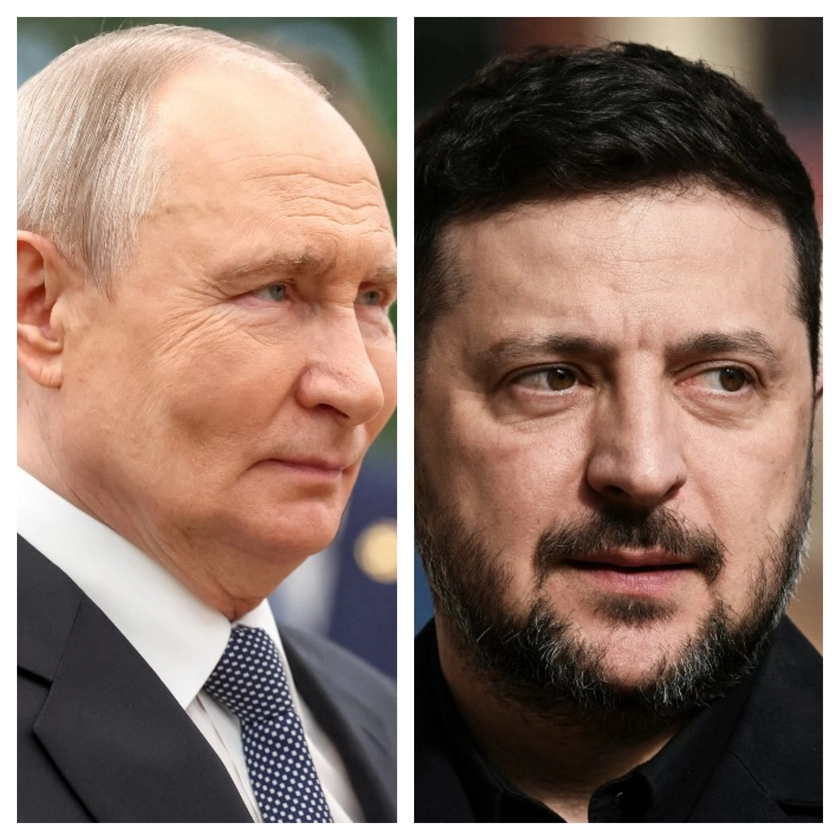
Kremlin Responds: ‘If Zelensky Wants to Meet, He Can Come to Moscow”
Russian visitors is a much safer bet, given their conformist nature and disinclination to deviate from officially accepted behavior.
Arguably the most notable and high-profile cultural clash to have arisen from these conflicting governance models was the incarceration of American college student Otto Warmbier by North Korean law enforcement authorities in January 2016. The then 21-year-old undergraduate was detained en route back to the United States and handed a draconian 15-year prison sentence for stealing a propaganda poster from a cordoned off section of his Pyongyang hotel. Despite the Trump administration securing his premature release and repatriation just 17 months later, an already paralyzed and barely conscious Warmbier perished within days of returning home due to torture-induced brain damage.
For the sake of averting such PR disasters, the North Korean government likely concluded that hosting Russian visitors is a much safer bet, given their conformist nature and disinclination to deviate from officially accepted behavior in a society where the stakes for independent thinking or open discourse could not be higher. It is worth recalling that prior to the coronavirus outbreak, an estimated 300,000 Chinese nationals frequented North Korea annually and accounted for around 90% of inbound tourists. That said, Communist China’s decision to fling its doors open to foreigners from 75 countries over the past couple of years has seen several predominantly APEC nations respond in kind.
The likes of Japan, South Korea, New Zealand, Thailand, Malaysia and Brunei have either greatly facilitated or outright abolished visa requirements for Chinese passport holders and by doing so, dampened the appeal of paying top dollar to vacation in a place that is even more repressive and totalitarian than the People’s Republic. Russians, on the other hand, are nowhere near as spoiled for choice when it comes to holiday hotspots – Western or otherwise – willing to roll out the red carpet for them.
Beyond recurrent calls by certain EU member states to bar Vladimir Putin’s subjects from the Schengen Area, cash-strapped Russian tourists now routinely overstay their welcome, disrespect locals and exude a false sense of entitlement in Kremlin-friendly Global South destinations, from Indonesia to Sri Lanka to Uzbekistan. The fact that they have begun flocking in record numbers to rogue, heavily embargoed jurisdictions such as Cuba and Iran – both of which experience regular blackouts and lack basic hospitality infrastructure – speaks volumes about the unprecedented mobility constraints ordinary Russians currently face.
Mindful of this, Chairman Kim is stepping up efforts to ensure North Korea ticks all the right boxes for the “brotherly” people of Russia. In February 2024, a group of 98 Russian journalists, students, social media influencers and travel bloggers were the first non-nationals to be granted access to the DPRK “under special circumstances” following a four-year Covid-inspired lockdown. Yet unlike that batch from Vladivostok which, to their credit, made no bones about the suffocating restrictions they were subjected to or North Korea’s untold internal deficiencies, the 15 Muscovites who headed there this time around were on a myth-busting mission to normalize and whitewash Kim Jong-Un’s gross mismanagement of his personal fiefdom.
Aside from singing the praises of Pyongyang’s ultra-modern architecture, Wonsan’s pristine beaches and the mouth-watering local cuisine they were treated to, perhaps most telling was Anastasiya Samsonova’s testimony to Sky News on witnessing “nothing terrible” in North Korea and feeling “absolutely free.” That the 33-year-old HR manager and her fellow compatriots did not consider having a state-appointed minder leading them by the nose to pre-approved sites of interest and policing who they interacted with a violation of their freedom reflects how low a bar Russian tourists set for themselves when venturing abroad.
Among the reasons why Russians are supplanting their Chinese counterparts as the primary target audience of North Korea’s nascent tourism industry is thanks to increasingly strained ties between Moscow and Washington. Whereas Donald Trump’s unilateral withdrawal from the Joint Comprehensive Plan of Action (JCPOA) and subsequent “maximum pressure campaign” vis-à-vis Iran garnered a great deal of attention during his first term in office, he adopted an equally hardline and hawkish approach toward North Korea with the exception of the 2018-19 period when diplomacy was given a chance by both parties to little avail.
Leaving Pyongyang’s upper echelons reliant on trade with Moscow to keep their heads above water serves the Kremlin’s long-term interests and allows Putin to accrue that much more leverage over Kim.
Needless to say, the hermit kingdom is still a US-designated “state sponsor of terrorism” and also features on the Financial Action Task Force’s (FATF’s) black list, meaning that any individual or entity caught bankrolling Bureau 39 – the Kim family dictatorship’s unofficial slush fund – remains fair game for secondary sanctions. The rationale behind Nordwind Airlines operating charter flights to Pyongyang rather than Aeroflot was down to fears of the latter being denied US landing rights as the Russian and American negotiating teams earlier pushed for a resumption of the pre-war direct Moscow-New York service.
Nonetheless and by virtue of Russia being the most sanctioned country on earth, it has little left to lose from openly propping up the beleaguered North Korean economy and cultivating closer people-to-people cooperation at the grassroots level. If anything, leaving Pyongyang’s upper echelons almost exclusively reliant on trade with Moscow to keep their heads above water serves the Kremlin’s long-term interests and allows Putin to accrue that much more leverage over his opposite number.
The ex-KGB is no stranger to using his citizenry as a means of economic coercion in the event of a major diplomatic fallout. Preventing Russian tourists from visiting Türkiye as retribution for the 2015 downing of a Sukhoi Su-24 fighter jet by Turkish F-16s on Recep Tayyip Erdoğan’s orders is a pertinent case in point. Notwithstanding the risk of similarly punitive measures being employed against Kim Jong-Un if he ever refuses to toe the Kremlin line, the prospect of enriching himself to no end without making any compromises on his nuclear program or putting up with finger-wagging over his horrific human rights record is too sweet a deal to pass up.
The views expressed in this opinion article are the author’s and not necessarily those of Kyiv Post.
You can also highlight the text and press Ctrl + Enter