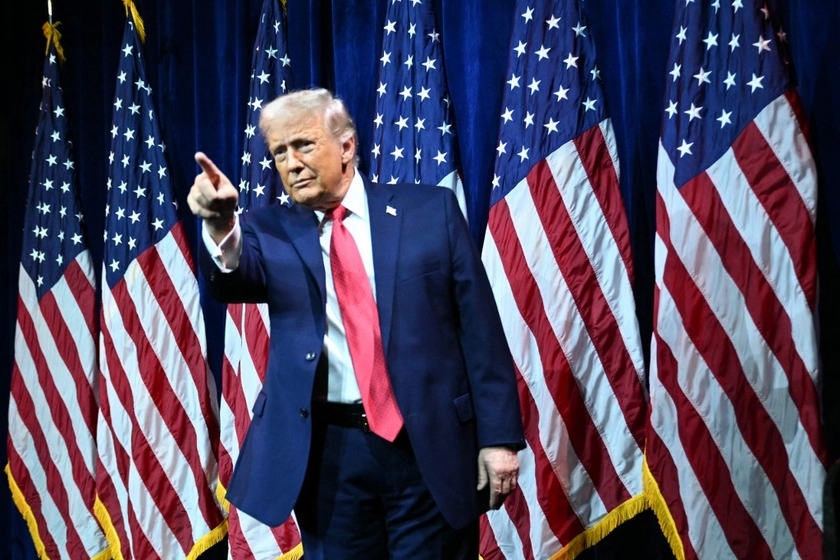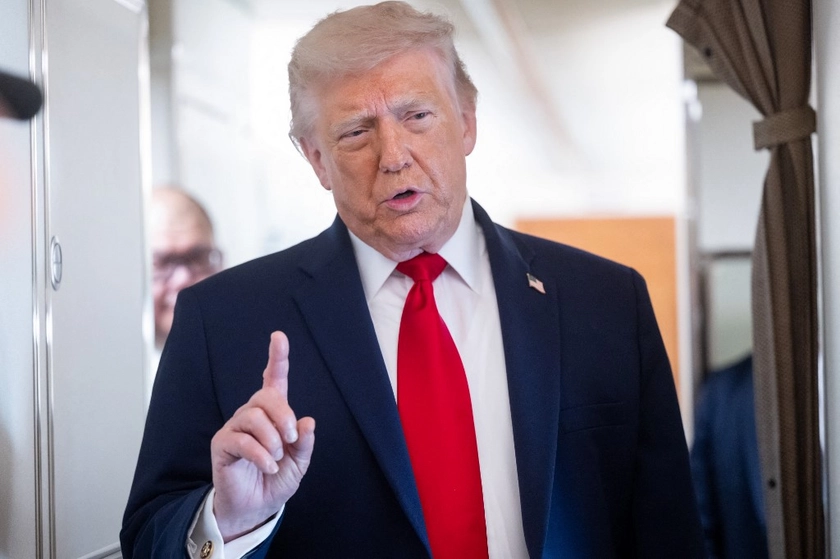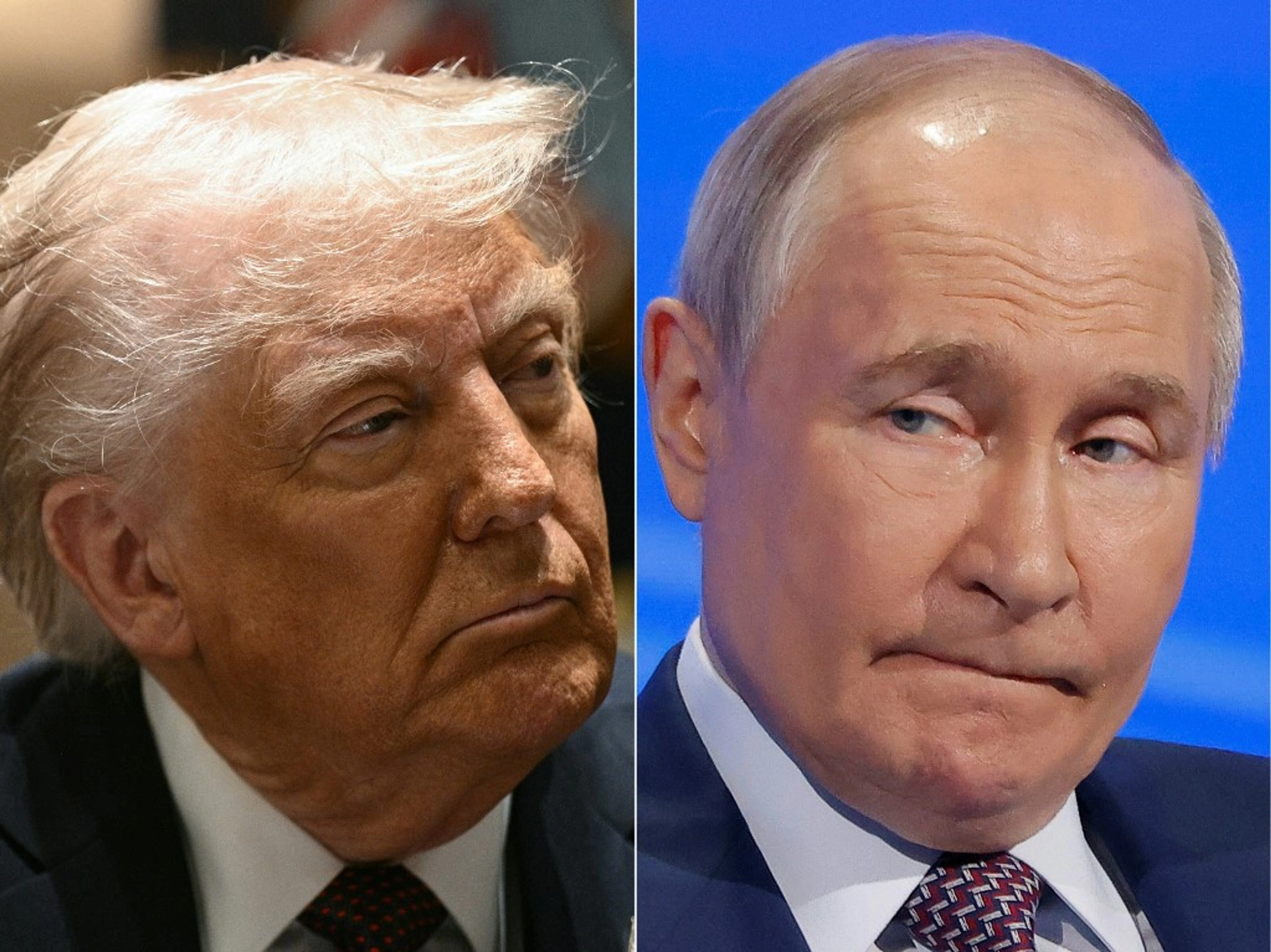
On Wednesday US President Donald Trump signed an executive order imposing an additional 25% tariff on India for buying Russian oil.
At first glance, this may look like a major policy shift. India is one of the largest buyers of discounted Russian crude. It profits by refining and reselling this oil while Ukraine is being bombed, its civilians killed, and its cities destroyed. By targeting India, Trump is — for the first time — officially acknowledging that Russia’s war is not just a regional conflict but a threat to US national security.
JOIN US ON TELEGRAM
Follow our coverage of the war on the @Kyivpost_official.
In fact, Trump’s executive order explicitly states that Russia’s actions “continue to pose an extraordinary threat to the national security and foreign policy of the United States.” That’s the strongest anti-Russian statement he has made since returning to office.
But is this really a change of heart?
I remain skeptical.
- Tariffs fit Trump’s worldview, not Ukraine’s needs.
Trump has long believed — wrongly — that tariffs strengthen the U.S. economy. His “tariff-first” agenda has hit both adversaries and allies. By using Russian oil as justification, he can now expand his tariff policy under the cover of “national security.” In other words, this may be less about punishing Russia’s enablers and more about advancing his protectionist agenda.
- The tariff level is modest.
A 25% tariff may sound significant, but it is actually not that different than the blanket 15% tariffs Trump imposed even on NATO allies earlier this year. It is also a far cry from the 500% tariff threatened by Senator Lindsey Graham. The message to India is symbolic, not transformative.
Putin Security Network Hardened as AI Video Analysis Raises Global Alarm
- India is unlikely to change course.
India buys Russian oil because it is cheap and plentiful. Unless Washington coordinates with Europe and Asia on a comprehensive energy strategy, a 25% U.S. tariff will not fundamentally alter India’s incentives. At best, this measure raises costs slightly. At worst, it creates new tensions with a country Washington also needs to counterbalance China.
The Bottom Line
Trump’s executive order is a welcome change because it formally labels Russia’s aggression as an “extraordinary threat.” That acknowledgment matters — especially coming from someone who has long downplayed Ukraine’s plight and praised Putin.
But beyond the symbolism, the policy impact is minimal. Tariffs on India won’t stop Russian oil exports, won’t end the bombing of Ukrainian cities, and won’t significantly weaken the Kremlin’s war machine.
This is not a strategic realignment. It’s a tactical move dressed up as principle. Ukraine — and the world — will need more than symbolic tariffs if Russia is to be stopped.
The views expressed are the author’s and not necessarily of Kyiv Post.
You can also highlight the text and press Ctrl + Enter