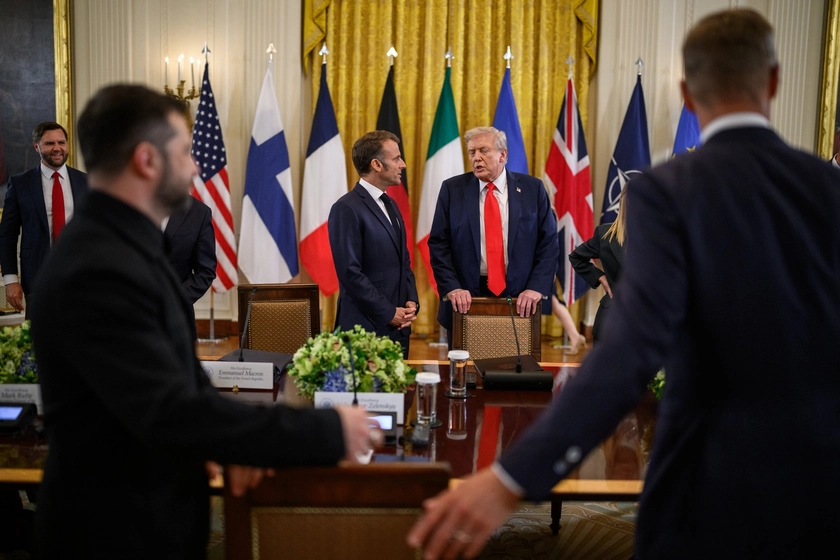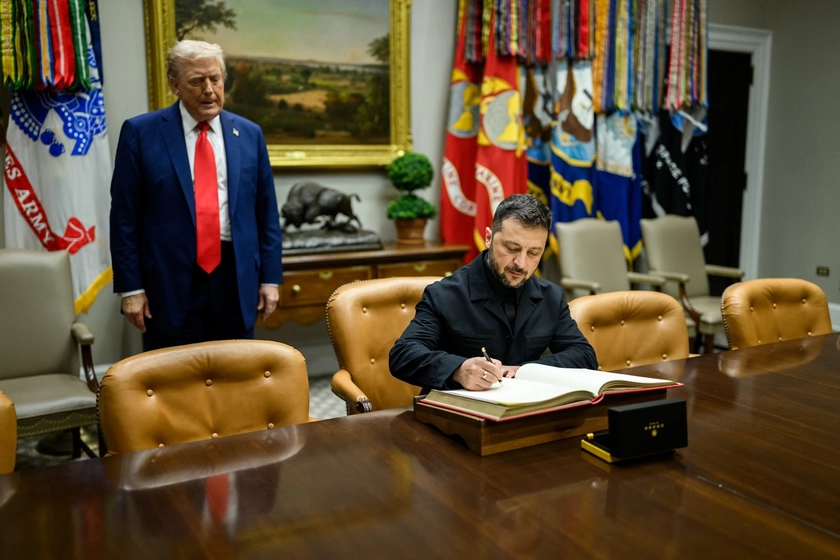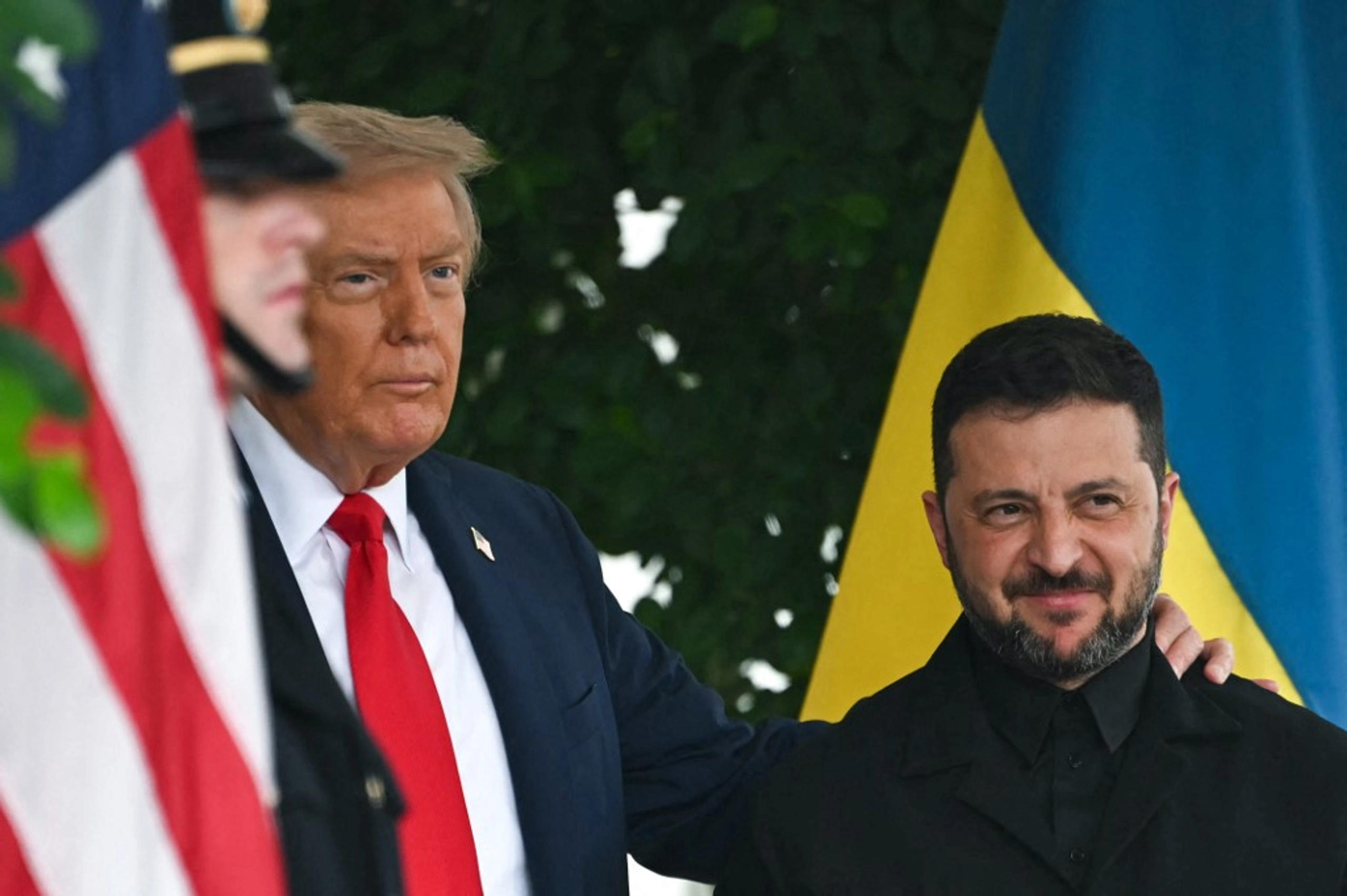
I am not necessarily a huge fan of Andrew Neil, but I think he summed up the results of the Zelensky, and European leaders trip to D.C. this week rather well.
It does kind of suggest that whoever has Trump’s ear last has the influence, but fleetingly. It’s like a global game of The Apprentice. At least Zelensky and European leaders did not suffer the ignominy of hearing the words, “You’re fired,” but neither did Putin.
JOIN US ON TELEGRAM
Follow our coverage of the war on the @Kyivpost_official.
Or rather, who is more effective as being the “Trump whisperer,” Meloni, Rutte, Stubb, and perhaps even Starmer seem to be decent there.
I’m not sure what was really agreed in DC this week, though.
Positively, Zelensky was not put on the spot and forced to agree to territorial concessions. It did not appear to come up at all, at least not in the public sessions.
Read my lips again but there is zero chance that Zelensky can give any territorial concessions, even de facto let alone de jure, without cast-iron security guarantees that whatever is then left in Ukrainian hands is sustainable and has a decent future and will be able to defend itself.
Zelensky just cannot get these over the line from a domestic political perspective, given that it is Ukrainian land we are talking about here and a huge amount of Ukrainian blood (not American, or British, or French) and treasure has been expended in defense of this land, without absolutely cast-iron security guarantees.
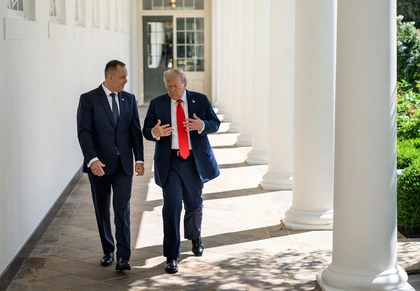
Trump Downplays Russian Drone Incursion into Poland as ‘Mistake,’ Drawing Sharp Rebuke From Allies
That is just a fact – Zelensky is a comedian (and superb wartime leader, to give him due credit), not a magician.
But equally, we did not get anything that concrete on security guarantees. There was vague mention of Article 5 guarantees, but Trump really did not commit the US to this, just suggested “coordination” with European counterparts.
So, how are Western security guarantees for Ukraine going to work exactly if NATO troops are not in theatre?
There is even debate about what Article 5 security guarantees actually mean, whether it means an attack on one is an attack on all, or else other allies can mull over how to respond.
This all seems a bit too close to the Budapest Memorandum to mean that much yet. And we still do not know what Moscow is willing to accept here – during the DC sessions, the Kremlin reaffirmed that they don’t accept the presence of NATO member states’ troops on Ukrainian territory.
So, how are Western security guarantees for Ukraine going to work exactly if NATO troops are not in theatre? And if any deal involves Ukrainian withdrawal from Donbas, who, apart from NATO, is going to police this, and how can it be done without in-country presence?
And then there is talk of moving talks on to a trilateral basis with direct Putin – Zelensky talks brokered by Trump (a nightmare for Zelensky and the Europeans which is why Macron suggested a quad format, exactly because he does not trust Trump not to side with Putin to bully Zelensky into accepting a bad deal), but even then Moscow seems to have pulled back with the Kremlin only committing to some higher level participation, not committing Putin to attend.
Putin seems to be playing hard to get there again, likely intent on setting new terms, using this as leverage to secure yet more concessions, as the price of his attendance. This is just how Putin operates. It is Putin 101.
The reality is that Putin still has the win from the past week’s events, of being brought out of international isolation from Trump’s fawning greeting to him in Alaska, while his desire to red card a ceasefire process has been conceded, and he has totally headed off Trumps new sanctions risk. He gave zero concessions for all this.
For Zelensky, he avoided another disastrous White House ambush – Vance, his attacker in the prior encounter, had to take a back seat to European leaders, and was quiet. He avoided having to commit to trade any territory, and he seemed to win, understanding that Ukraine has the right to defend itself.
Putin still thinks he has the advantage on the battlefield, and nothing was really done there to challenge that – no risk of more aggressive sanctions, so no additional costs imposed on Putin.
In that respect, the Ukrainian pitch to pay $100 billion for arms bought from the US was a genius move – albeit something I have been banging on about for months. It shows that Zelensky is not coming cap in hand but has his cheque book open.
But this White House session still seemed more about massaging Trump’s ego rather than getting down into the nitty-gritty of peace talks, and the issues at hand here are really difficult.
European leaders massaged Trump’s ego by lines that we are all much further in the peace process because of Trump, but in reality, are we really? It still seems to me that we are in the long war scenario.
Putin still thinks he has the advantage on the battlefield, and nothing was really done there to challenge that – no risk of more aggressive sanctions, so no additional costs imposed on Putin.
And for Ukraine, they seem to have bought time in terms of continued US weapons supplies.
Let’s see over the next few weeks whether the White House session will have eased the supply of higher-tech US military kit to Ukraine, to help them hold the line on the battlefield.
Reprinted from the author’s @tashecon blog! See the original here.
The views expressed in this opinion article are the author’s and not necessarily those of Kyiv Post.
You can also highlight the text and press Ctrl + Enter