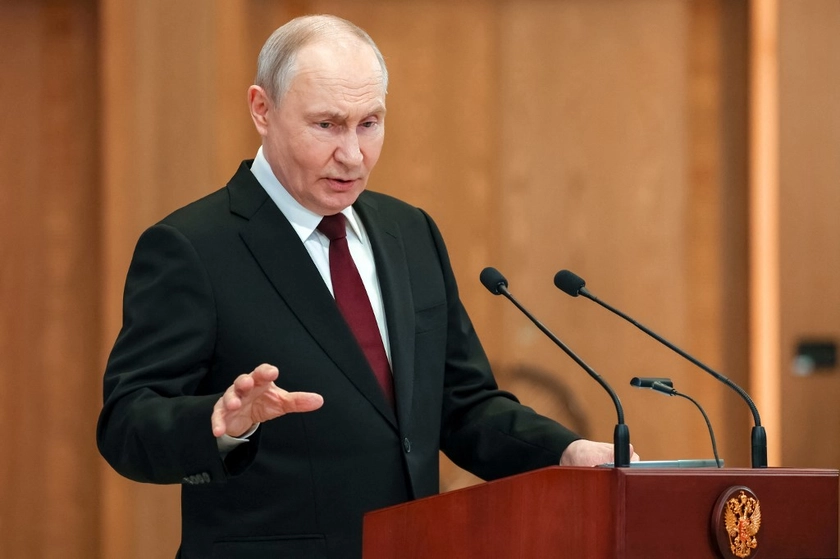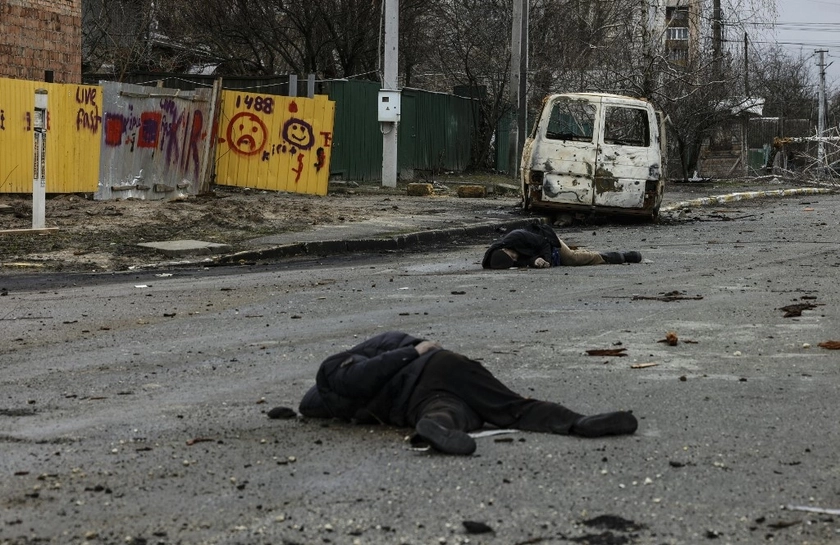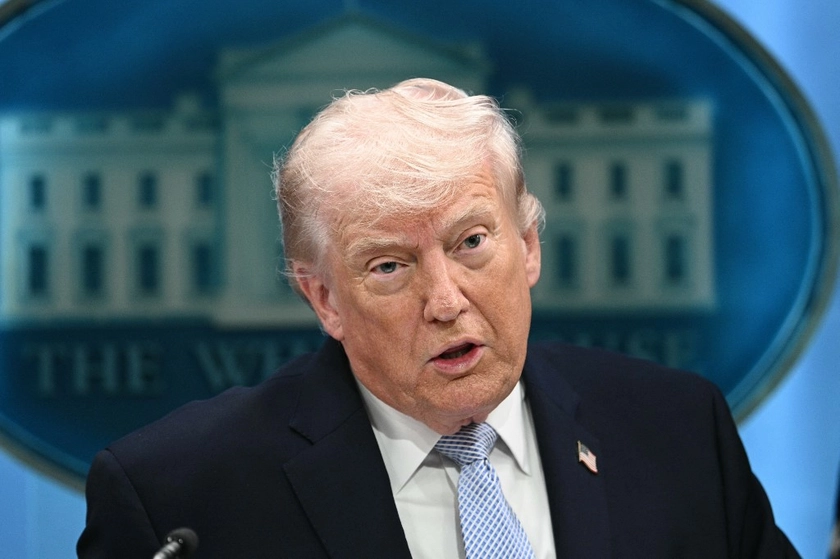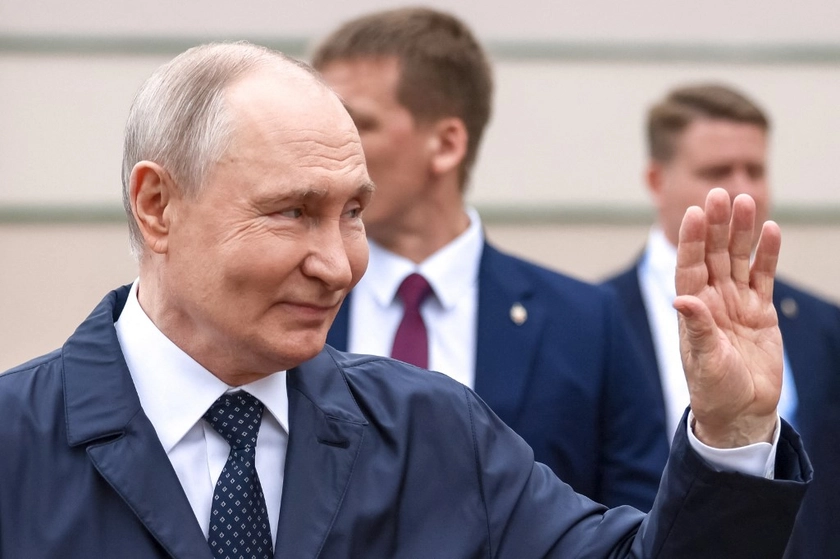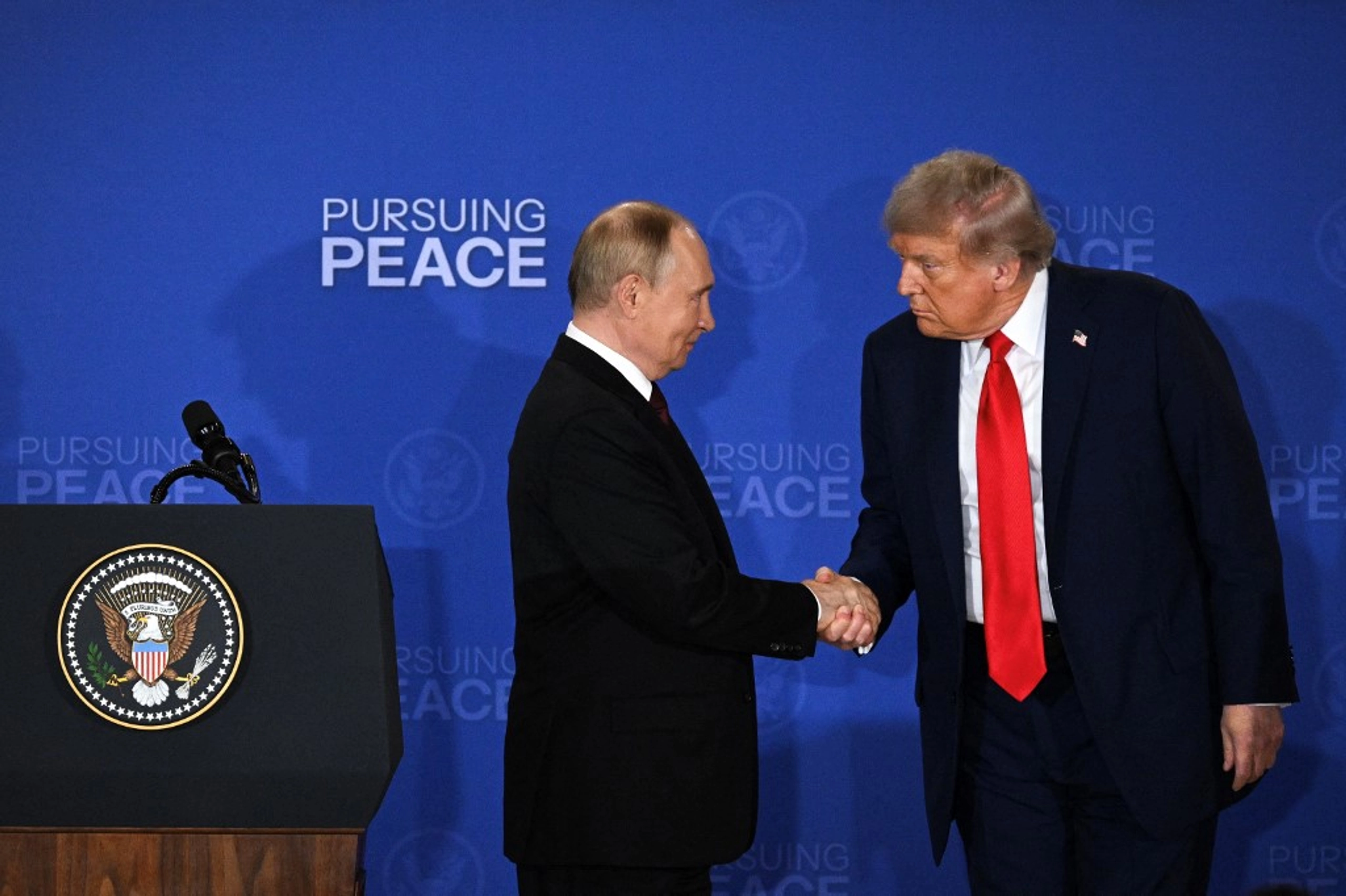
On July 14, 2025, US President Donald Trump announced a 50-day deadline for Russia to reach a peace deal with Ukraine, and threatened severe sanctions against Russia if Russia failed to play ball. The venue was a meeting at the White House with NATO Secretary General Mark Rutte.
Trump said: “We’re very, very unhappy with Russia… We’re going to be doing very severe tariffs if we don’t have a deal in 50 days, tariffs at about 100%.”
JOIN US ON TELEGRAM
Follow our coverage of the war on the @Kyivpost_official.
On Sept. 3, one day after Trump’s deadline to Putin expired, Russia launched 502 drones and 24 missiles against targets in Ukraine in one of the Kremlin’s largest strikes against Ukrainian homes and businesses of the entire war.
As of Friday, Sept. 5, the White House had neither announced tariffs against Russia nor given any indication that it planned to do so.
A Kyiv Post review of White House statements on the consequences Russia would face for rejecting a ceasefire, carrying out hostile acts against Ukraine, and the measures actually imposed by Washington reveals a consistent pattern.
In practical, on-the-ground-in-Ukraine terms, the actual effect of US policy towards Russia has not prevented Russian aggression towards Ukraine. Rather, the review showed that by inaction, the US strategy has likely facilitated it.
Trump and his administration have argued the US has, in fact, responded to Russia’s warlike stance towards Ukraine, most recently with an Aug. 6 “additional 25% levy” on India for purchasing sanctioned Russian oil exports.
US Congress Can Make Russia Pay for Its War Crimes
The tariff went into effect on Aug. 27, hitting mostly Indian gems, auto parts and seafood exported to the US.
After the Indian tariffs came into effect, Russia launched three major bombardment strikes on Ukraine over the next six days. More than 1,500 kamikaze drones and an estimated 110 ballistic or cruise missiles pounded Ukrainian homes, businesses and power grid infrastructure, killing at least 23 civilians and injuring dozens.
Most energy industry analysts suggest that whatever oil Russia fails to sell to India will likely find customers in China or elsewhere in East Asia.
NOTE: This timeline is not exhaustive and covers the main events only.
March
March 4: The US unilaterally halts all arms shipments to Ukraine, which lasted a week.
March 7: Russia launches 67 missiles and 100 drones, hitting targets across Ukraine in Russia’s first major bombardment against Ukraine since Trump’s return to office.
March 30: Trump announces he had set a “psychological deadline” for Putin following a March 18 telephone call with the Russian leader.
April
April 13: In one of the bloodiest precision missile strikes of the entire war, two ballistic missiles hit a military awards ceremony in the Ukrainian city of Sumy, killing 35 and injuring 129, most of them civilians. Among the injured were 15 children.
April 24: Trump tells White House reporters he was still considering donating US aid to Ukraine, but he needed two weeks, saying: “You can ask that question in two weeks, and we’ll see.”
April 27: Trump tells White House reporters he would decide soon whether he trusts Russian President Vladimir Putin, saying: “We’ll let you know in about two weeks.”
May
May 8: The two-week deadline for an announced decision or update on donated US military aid to Ukraine lapses.
May 11: The two-week deadline for an announcement on whether or not Trump trusts Putin passes.
May 14: Trump tells White House reporters he will decide soon whether Putin is negotiating seriously or just playing the White House along as a delay tactic, saying, “I’ll let you know in a week.”
May 21: The one-week deadline for Trump to tell the media whether he believes Putin is negotiating in good or bad faith passes.
May 25: Close to 100 missiles and 355 drones hit 30 Ukrainian cities in one of the biggest strikes of the war, killing 12 civilians and injuring dozens.
May 25: A Russian missile targets a military training camp near the city of Kropyvnytskyi, killing 15 and injuring 100. Most were soldiers, including members of Ukraine’s International Legion.
May 28: Trump tells White House reporters he is approaching a decision on whether Putin is genuinely interested in ending the war, saying, “I can’t tell you that, but I’ll let you know within two weeks. We’re going to find out whether or not he’s tapping us along or not.”
June
June 1: Russia launches 472 drones and seven missiles, concentrating on Kyiv, killing two and injuring six.
June 6: More than 400 drones target civilian infrastructure in Kyiv, killing three and injuring dozens.
June 11: Trump’s two-week deadline to take action against Russia for negotiating in bad faith on Ukraine passes.
June 29: Russia launches 448 drones and 59 missiles, hitting targets across Ukraine.
July
July 4: Russia launches a record strike with 537 drones across Ukraine in a single night, with Kyiv as the main target and 20 people injured in the capital.
July 9: In the largest recorded strike of the entire war to date, 728 drones and 13 missiles hit western Ukraine, targeting primarily the Volyn region and the city of Lutsk.
July 14: Trump announces a 50-day deadline for Russia to reach a peace deal or face “very severe” economic sanctions.
July 14: Trump announces the US will no longer donate arms to Ukraine, and it will only sell them to NATO for transfer.
July 28: Trump announces he has shortened the 50-day deadline to “10 or 12 days.”
July 29: Two missiles and 32 drones hit the Dnipropetrovsk region, hitting a hospital with a maternity ward and killing four people, including a pregnant woman, while injuring eight others.
July 29: Glide bombs hit a penitentiary in Zaporizhahia, killing 16 inmates and injuring more than 50.
July 30: Two missiles and 78 drones appear to have targeted a training ground in the city of Chernihiv, injuring five civilians.
July 31: Over 300 drones and eight missiles, mostly targeting Kyiv, kill 18, including a child, and injure 159.
August
Aug. 1: Trump tells White House reporters he is frustrated with Putin and states he would know within “two weeks” whether Putin was serious about peace, otherwise US-Russian relations would take “a different tack.”
Aug. 5: One missile and 45-50 drones hit the city of Lozova in the Kharkiv region, targeting the city rail station and surrounding area. Five civilians were killed, 13 were injured, among them one child.
Aug. 9: Trump’s shortened “10 or 12 days” deadline expires.
Aug 15: Presidents Donald J. Trump (US) and Vladimir Putin (Russia) meet in Alaska to discuss the Ukraine peace process.
Aug. 15: Trump’s two-week deadline for deciding whether Putin is serious about a peace process expires.
Aug 21: Russia launches 574 drones and 40 missiles, targeting mostly energy infrastructure in western Ukraine. Among targets hit is a US-owned electronics factory in Mukachevo. One civilian dead, 19 injured.
Aug 21: Trump says he would assess whether Russia was serious about peace within “two weeks” and threatens “very big consequences” if no progress.
Aug 28: Russia launches 598 drones and 31 missiles targeting primarily Kyiv, killing 23 and injuring 45. Many casualties followed the collapse of a five-story apartment building hit by a ballistic missile carrying a one-ton warhead.
Aug 30: Russia launches 537 drones and 45 missiles, hitting 11 Ukrainian regions, the main targets are the cities of Zaporizhzhia, Kyiv and Dnipro. One civilian was killed and 29 were injured.
September
Sept. 2: Trump’s 50-day deadline expires
Sept. 3: Russia launches 502 drones and 24 missiles across Ukraine. The main target appeared to be power grid facilities needed to warm homes and businesses in the winter.
Sept. 4: Trump’s “in about two weeks…if there is no progress” deadline expires.
Sept. 4: In a conference call with the leaders of most NATO member states, Trump blames Europe for inaction on Russia and continuing Russian aggression, and demands the continent stop buying Russian oil.
You can also highlight the text and press Ctrl + Enter