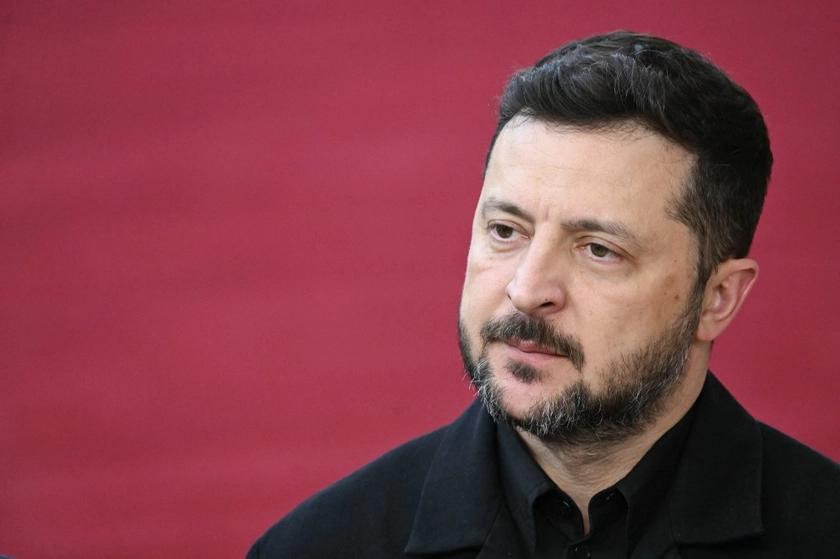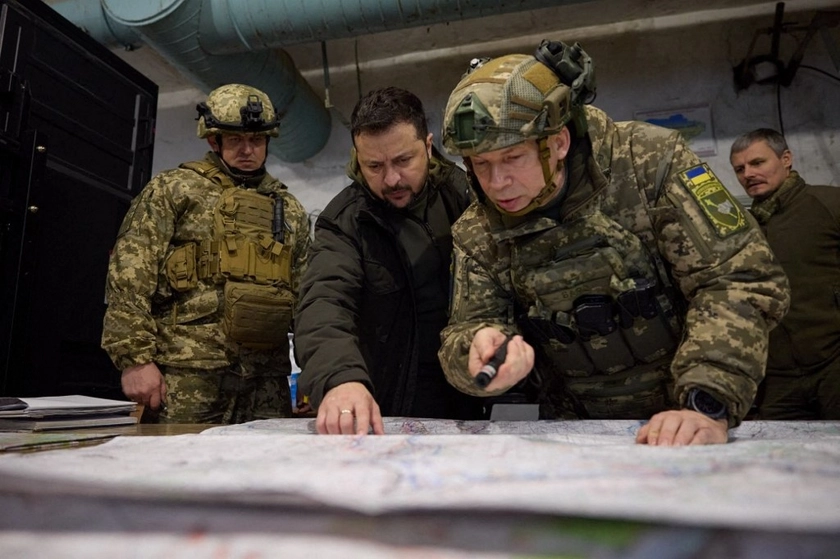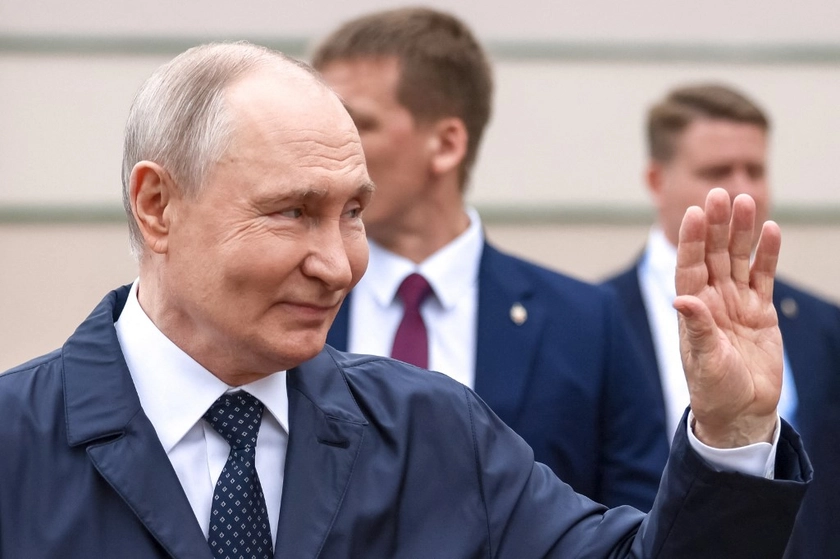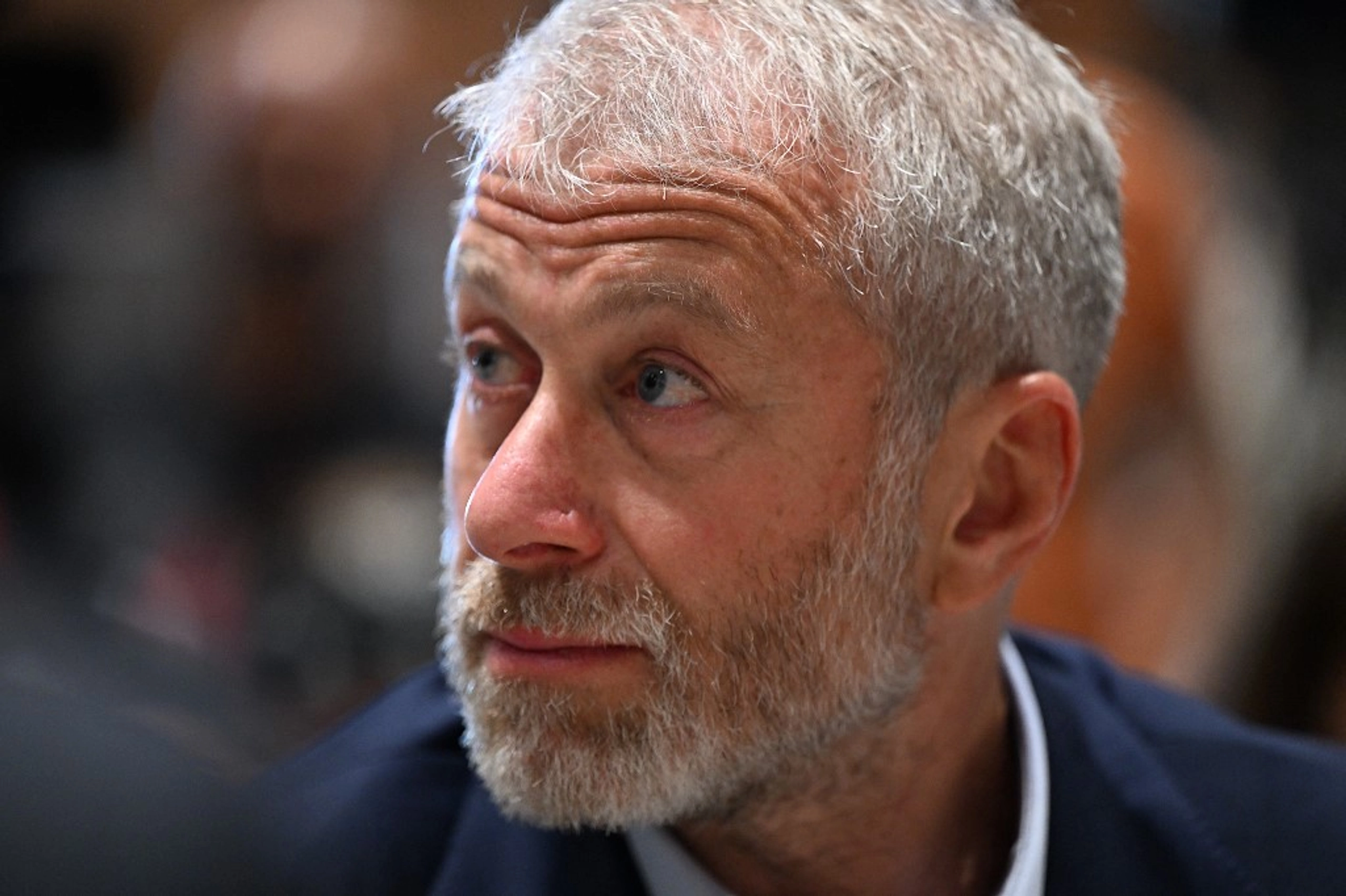
President Volodymyr Zelensky said he met Russian billionaire Roman Abramovich in Kyiv in May and used him as an informal channel to send messages to Vladimir Putin, including a ceasefire proposal and a firm rejection of any territorial concessions in Donbas.
Speaking to Sky News on Sunday, Zelensky said Abramovich asked to keep his role private and sought to understand what Kyiv might be prepared to discuss in possible negotiations with the Kremlin.
JOIN US ON TELEGRAM
Follow our coverage of the war on the @Kyivpost_official.
“He came to Kyiv. He said I [brought a] message direct to you, and I want to take messages from you and to give it to [Vladimir] Putin,” Zelensky said.
“But he said that it has to be [done] silently without any kind of publicity.”
“I said it’s your choice – for us, it doesn’t matter.”
Zelensky added that Abramovich’s visit was “not a secret” and that the businessman wanted to gauge Ukraine’s position on potential peace talks.
He stressed, however, that Kyiv’s position on Donbas was non-negotiable.
“It was the key message. I said we will not leave. We will not give you a victory in such way,” he said.
Zelensky also said he asked Abramovich to relay a proposal for a direct meeting with Putin “at any time” and “in any format.”
According to sources cited by the Financial Times, Kyiv used the channel via Abramovich to signal seriousness about direct negotiations with Russia, even as US mediation efforts were reportedly complicated by the war in the Middle East.
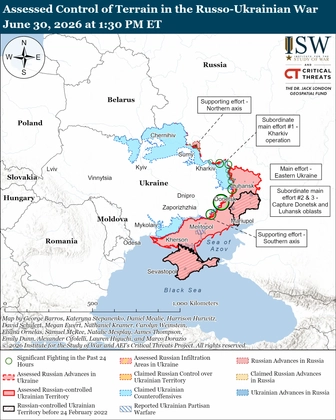
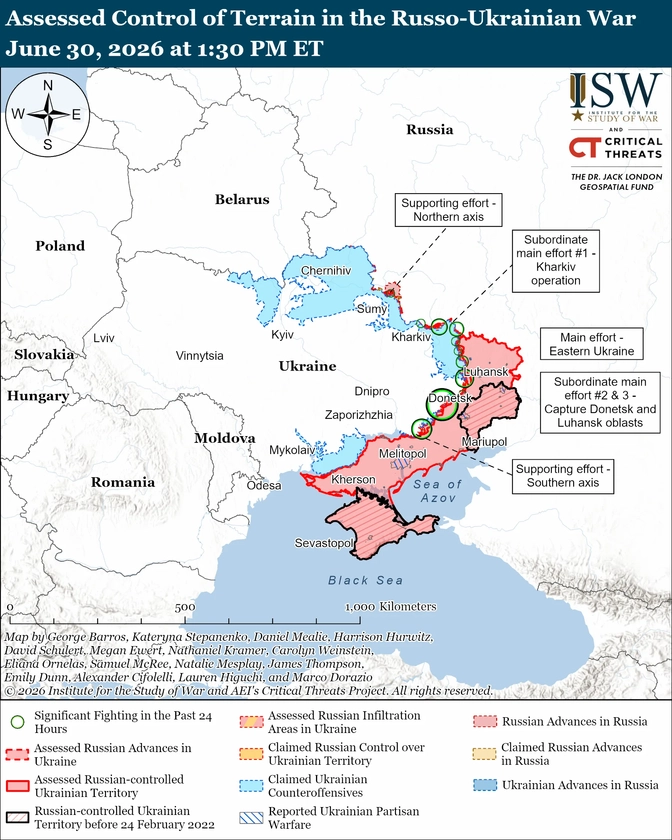
ISW Russian Offensive Campaign Assessment, June 30, 2026
Two senior Ukrainian officials said the message resembled a more restrained version of a public appeal published on the presidential website last Thursday, which called for a ceasefire along the front line, an “all-for-all” prisoner exchange, and the return of deported civilians and children.
One official said the tone of the Abramovich-linked message was less confrontational than the public version.
In the public appeal, Zelensky said Russians were growing weary of the war and argued Moscow lacked the resources and political strength to sustain public loyalty.
The Kremlin rejected the proposal to meet directly, with Vladimir Putin describing the letter as containing “elements of rudeness” and saying it was written in a way that made any direct meeting “impossible.”
You can also highlight the text and press Ctrl + Enter