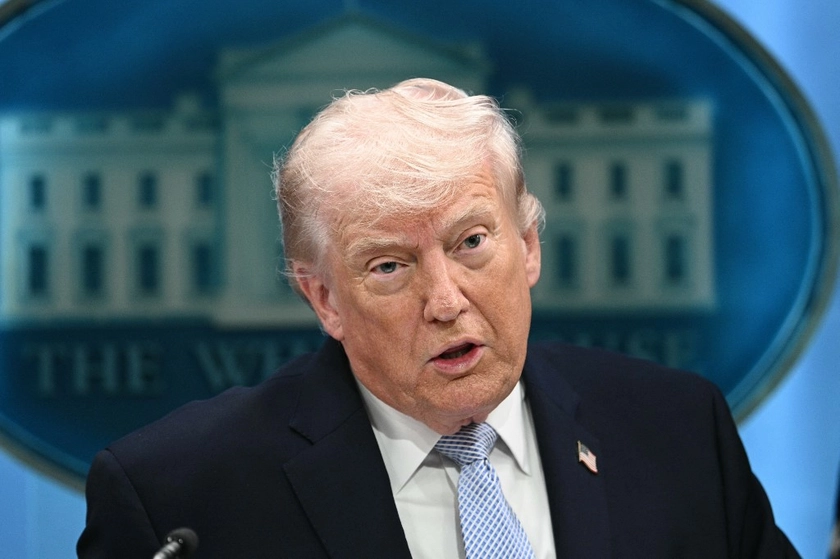
I am not a great conspiracy theory type, but I have been trying to think through Trump’s messaging on Ukraine, and actions elsewhere, and all that suggests to me that we are seeing a US pivot away from Ukraine and Europe, and away from China, and closer to home and Latin America.
Here me out here.
JOIN US ON TELEGRAM
Follow our coverage of the war on the @Kyivpost_official.
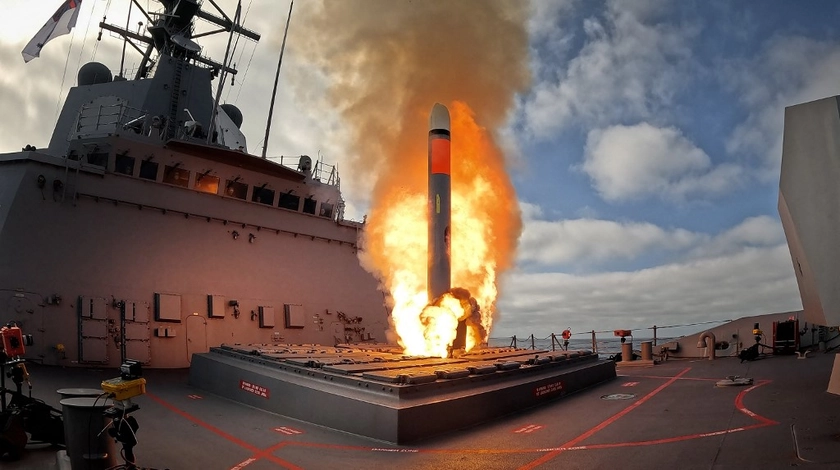
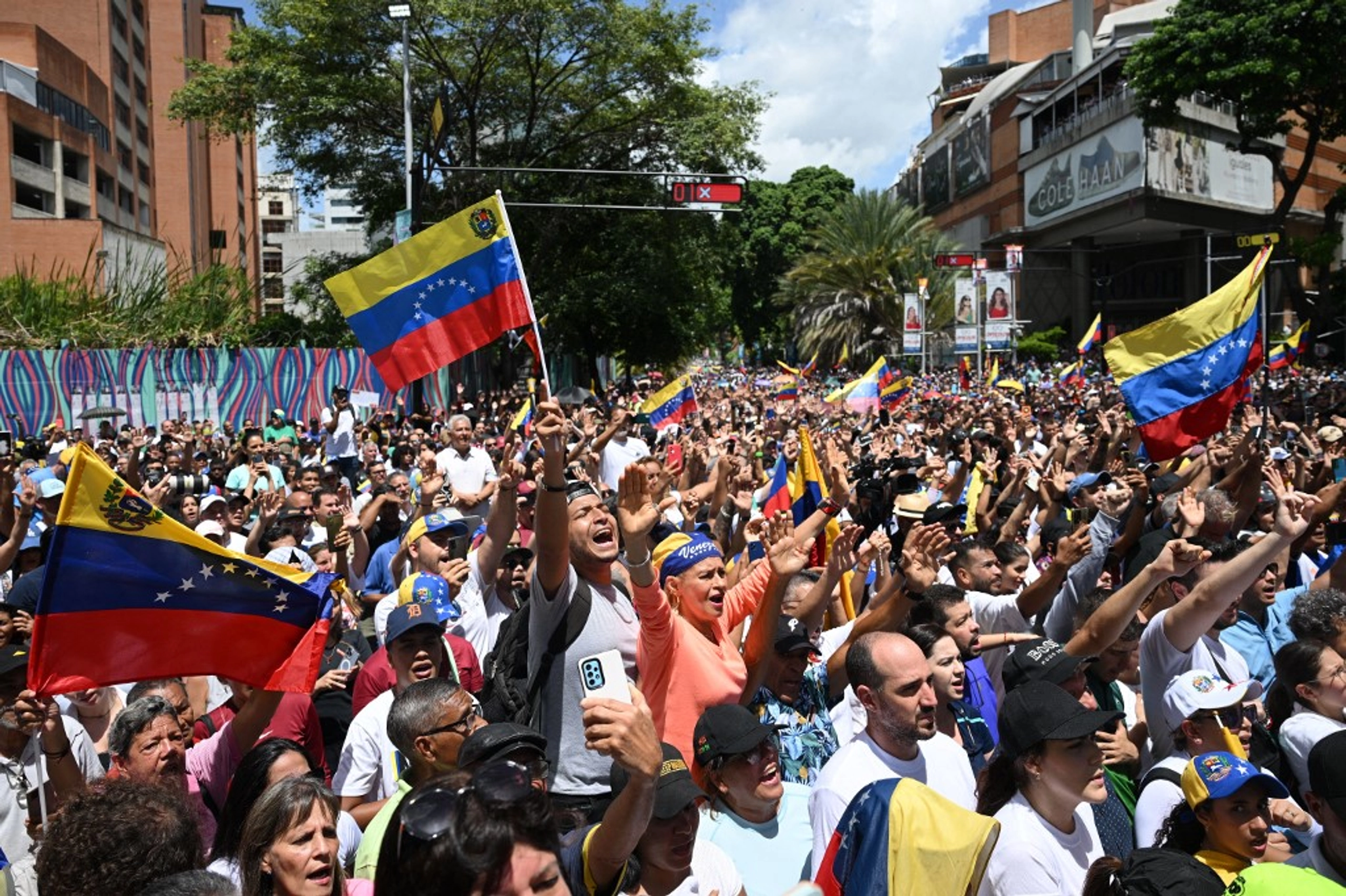
But what we have seen in recent weeks is a huge U.S. military buildup, offshore in Venezuela, which in no way seems to match the risk from Venezuelan-based drug cartels. Think here the US has deployed USS Iwo Jima, numerous missile destroyers, and supporting vessels and has around 6,000 US marines sat on ships offshore.
The Iwo Jima might be built for carrying large numbers of troops, but it is no cruise ship, and the US will not want to keep thousands of US marines bobbing around offshore in the tropical heat of the Caribbean Ocean for very long. The US troop deployment looks more aimed at engineering/supporting a regime change scenario than anything else.
This also comes as the Trump administration this week announced a big package of support ($20 billion in swap lines) for the Milei administration in Argentina. The irony in this latter respect is that Milei is pushing a libertarian agenda, railing previously about failed foreign bailouts of Argentina when the problems really have been all about failed domestic economic policies.
Milei now seems to be looking for another, classic Argentinian, bailout, as his own policy reform efforts see domestic political pushback. The Trump administration is happy to write cheques as Milei is a supporter of the MAGA agenda, as is Bukele in El Salvador.
Germany, Netherlands to Take Command of NATO’s Eastern Flank in Estonia
Meanwhile, the Trump administration has been heaping pressure on more left-leaning administrations in the region, most notably Lula in Brazil, with 50% tariffs rolled out and sanctions on its judiciary seemingly in support of Bolsonaro over his own legal travails with the Brazilian judiciary.
Not sure if the Trump-Lula hug this week at the UNGA is a game changer, but I think what is clear is the US gringo is back in Latin America. For Trump, I think the logic is various:
First, US interest in Latam likely sells well at home given many US voters would see the region as the origin of many of the US woes, particularly migrants and drug cartels. It likely sells better to US voters why the US has an interest in military intervention in Latin America, rather than in Europe in support of Ukraine, or the Middle East in support of Israel.
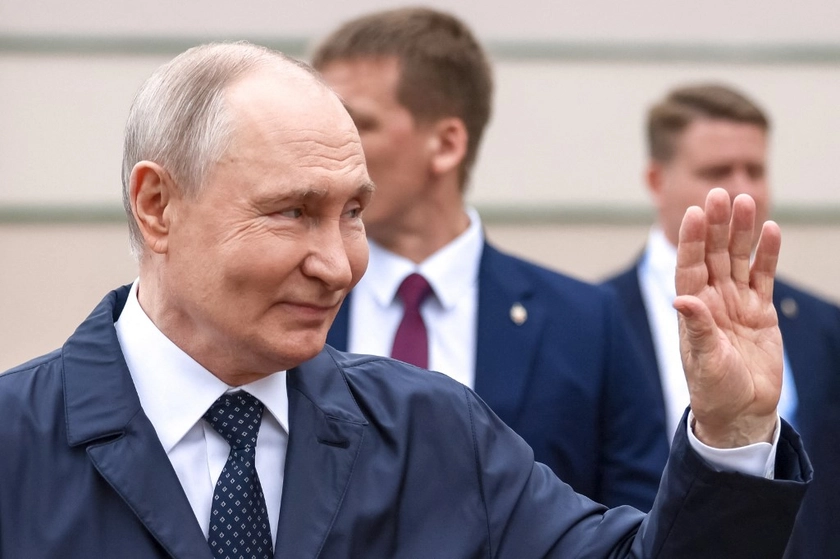
Second, Trump has hardly covered himself in glory in terms of pushing back against Xi or Putin.
On China, Xi seems to have called Trump’s bluff, TACO, on tariffs, went toe to toe with the US, and Trump seems to have blinked. There is no sense that China is backing off and rolling over to US threats, and notably therein not on Taiwan.
And on Russia, if Trump thought that there was an easy win to be had in forcing a peace deal on Ukraine, he has been left disappointed.
I would argue that Trump totally mismanaged negotiations – throwing away the leverage he had with Putin early on, and not willing to ramp up pressure on Putin by boosting arms sales to Ukraine and then increasing sanctions on Russia.
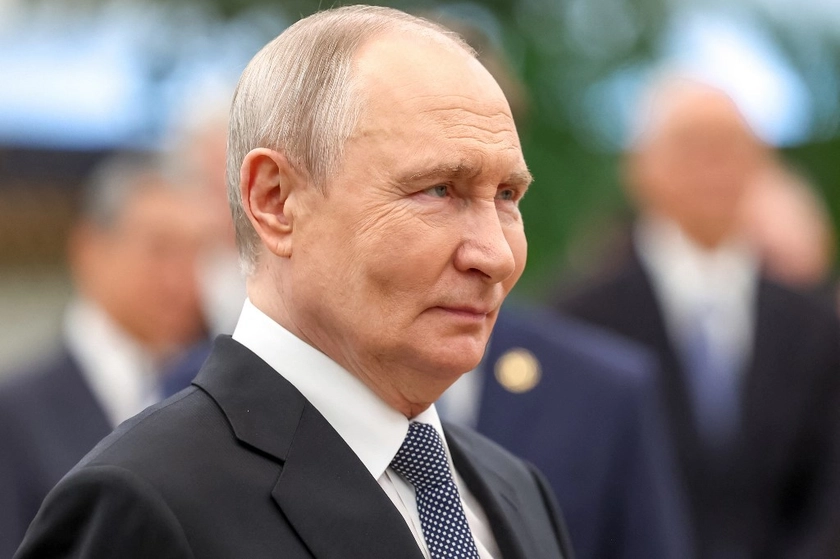
Putin read Trump’s stance as showing weakness and seems to think that with the US backstop for Europe falling away, Europe cannot shoulder the burden alone of supporting Ukraine, and eventually, Trump and Europe will deliver Ukraine on a plate to Russia.
Putin is now back to pushing the long war scenario, even worse, escalating now with Europe in terms of drone and airspace incursions and attacks on critical infrastructure. In Europe, Trump now only sees risks, and I think Trump’s post this week, suggesting Ukraine could win, and Europe had the tools to ensure that, was effectively Trump signing off and handing the problem to Europe.
Third, Trump wants easy wins, and I think in Venezuela, he sees a weak Maduro regime, which could present an almost “wag the dog” scenario for him. I am sure the ideologues on Cuba and Venezuela, in his administration – Rubio therein – will be presenting him with a low-hanging fruit regime change scenario.
I think we are returning to the 60s to 80s US policies of intervening in domestic Latin American politics – intervening to support right-wing friends and against left-leaning enemies.
This likely involves poking/provoking the Madura regime to enable US surgical strikes, and encourage the opposition to rise up, and they can do the rest, with minimal risk to US troops. But it would then offer up the hope of a new MAGA-style regime coming to power in Venezuela, offering windfall investment opportunities for US companies, particularly in the energy sector.
Fourth, as noted, ideologically Trump likely sees a win in banging a left-leaning, Communist regime, and supporting the rise again of right-wing, likely authoritarian regimes in Latam – a throwback to the 1960s and 1970s in terms of US policies towards the region.
Fifth, I think Trump and his administration see Latin America as their backyard. Therein, I think one can read Trump’s Truth Social posting on Ukraine this week in that light.
In calling out Russia as a Paper Tiger militarily and highlighting the weak state of the economy, plus Ukraine’s scope to win the war, I think Trump was sending a clear warning to Putin to stay out of his backyard.
The message to Putin was, you have your hands full in Ukraine, focus on that, and don’t think of doing what you did in the first Trump term and sending Russian special forces to protect Madura.
Perhaps the Alaska summit also provided Trump with an opportunity to reinforce that message – LATAM is ours, and the quid pro quo is that I will block further sanctions on Russia as a gift to you.
In conclusion, I think we are returning to the 60s to 80s US policies of intervening in domestic Latin American politics – intervening to support right-wing friends and against left-leaning enemies.
While I think the general impression is of a US withdrawal under Trump to a more isolationist, US-first stance, I think the exception will be LATAM, where the Trump administration sees a direct link between what happens in neighboring countries and back home.
Reprinted from the author’s @tashecon blog! See the original article here.
The views expressed in this opinion article are the author’s and not necessarily those of Kyiv Post.
You can also highlight the text and press Ctrl + Enter