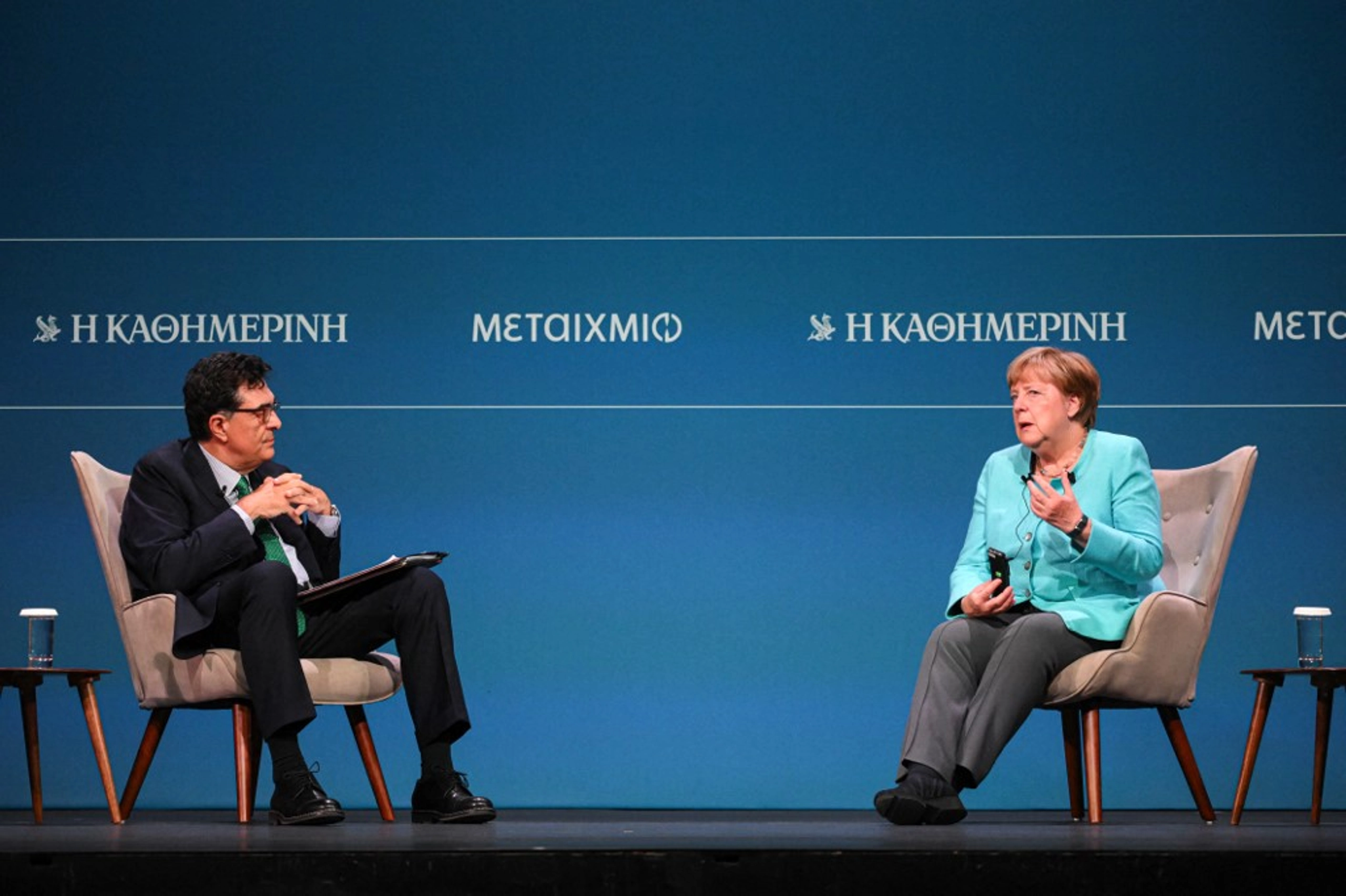
Estonia hit back hard at former German Chancellor Angela Merkel after she implied that Poland and the Baltic states helped derail peace efforts with Russia before its full-scale invasion of Ukraine – accusing her of “classic gaslighting” and rewriting history to cover her own mistakes.
The backlash followed Merkel’s interview with the Hungarian outlet Partizan, where she claimed that in 2021 she and French President Emmanuel Macron tried to launch a new EU dialogue with Russian President Vladimir Putin.
JOIN US ON TELEGRAM
Follow our coverage of the war on the @Kyivpost_official.
She said Poland and the Baltic states rejected the idea, fearing the bloc would fail to form a united stance on Moscow.
“Some did not support it – mainly the Baltic states, but Poland was also against it,” Merkel said.
“They were afraid we could not develop a common policy on Russia. I believed we needed to have one.”
Marko Mihkelson, head of Estonia’s parliament foreign affairs committee, called Merkel’s remarks “a new and very low point.”
“Seriously? She’s trying to blame the countries who were warning her about Putin for a decade? They were the Cassandras, and now she’s saying they messed up her big diplomatic play,” Mihkelson wrote on X.
“So, the person who kept Germany addicted to Russian gas and tried to cut a last-minute deal with a dictator is blaming the countries that actually listened to their own history and distrusted Russia? Classic gaslighting!” he added.
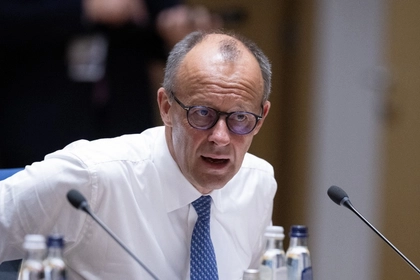
Macron, Merz Clash With EU Over Putin Outreach
Putin appeaser, Merkel blames the Baltic States and Poland for putin’s war against Ukraine.
— Yasmina (@yasminalombaert) October 6, 2025
“It was already in June 2021.
I felt that the Minsk agreement was not being respected by Putin.
That's why I wanted to find a new format, back then with President Macron, in which we… pic.twitter.com/oypUJ3trGG
Merkel, who led Germany from 2005 to 2021, has long faced criticism for her close energy ties with Moscow, including her support for the Nord Stream 2 gas pipeline.
Estonian Foreign Minister Margus Tsahkna said without naming Merkel that Russia alone is responsible for the war.
“Russia’s war against Ukraine is driven by one thing and one thing only: its refusal to accept the Soviet Union’s collapse and its unrelenting imperialist ambitions,” Tsahkna wrote on X.
“Russia alone is to blame for this aggression.”
Merkel said she felt Putin no longer took the Minsk peace agreements seriously and wanted the EU to speak to him directly. She added that the lack of talks with the Kremlin affected how events later unfolded.
“Times have changed now, and we need to think about what position will best help us achieve peace,” she said, adding that peace will only be possible if Europe “acts as a real deterrent and supports Ukraine.”
Merkel also said the absence of in-person meetings with Putin during the Covid-19 pandemic made it harder to reach compromises on Ukraine.
She said she could not meet Putin face-to-face because he was afraid of the coronavirus, and that video calls were not enough to resolve serious disagreements.
“If you can’t meet, if you can’t discuss your differences in person, you won’t find new compromises,” Merkel said.
Merkel left office in December 2021, shortly before Russia’s full-scale invasion began in February 2022.
In her autobiography, she also defended her decision at the 2008 NATO summit in Bucharest to block Ukraine’s path toward membership – a move some later said could have helped prevent the invasion.
You can also highlight the text and press Ctrl + Enter

Germany Warns of Russian Orbital Nuclear Threat
Poland, Germany Clash Over €6.6B in EU Funds for Ukraine