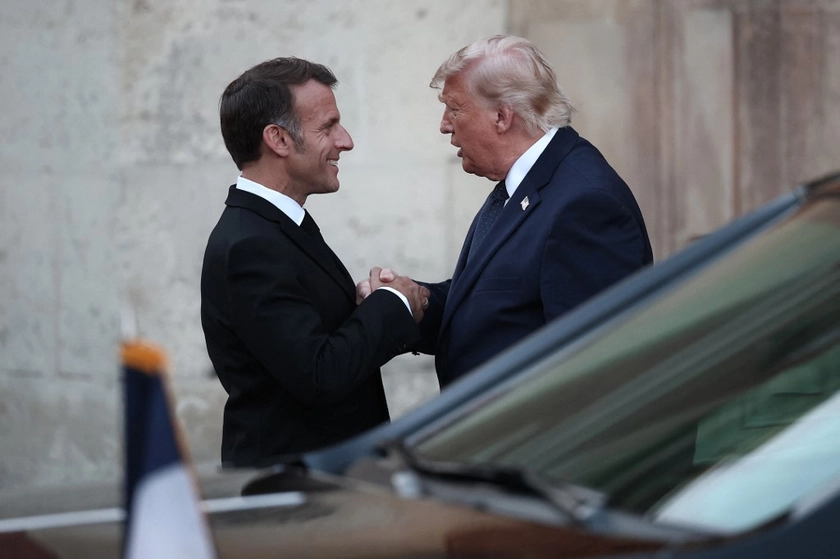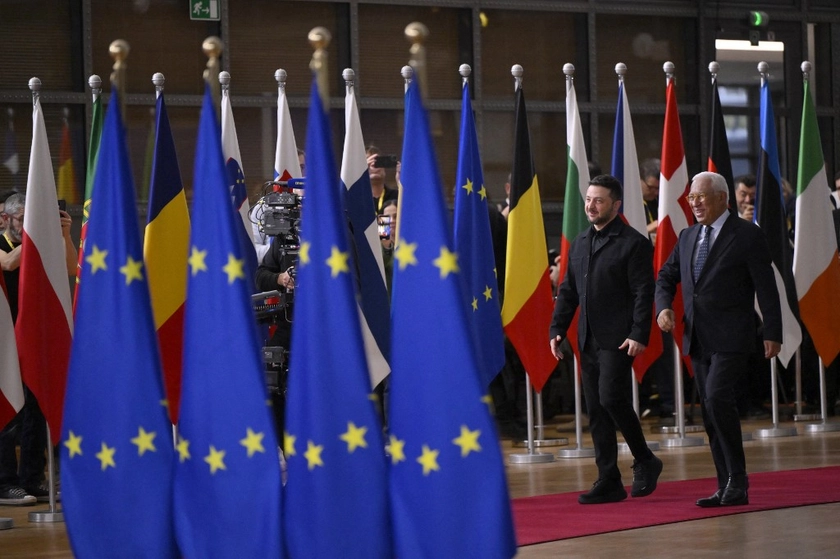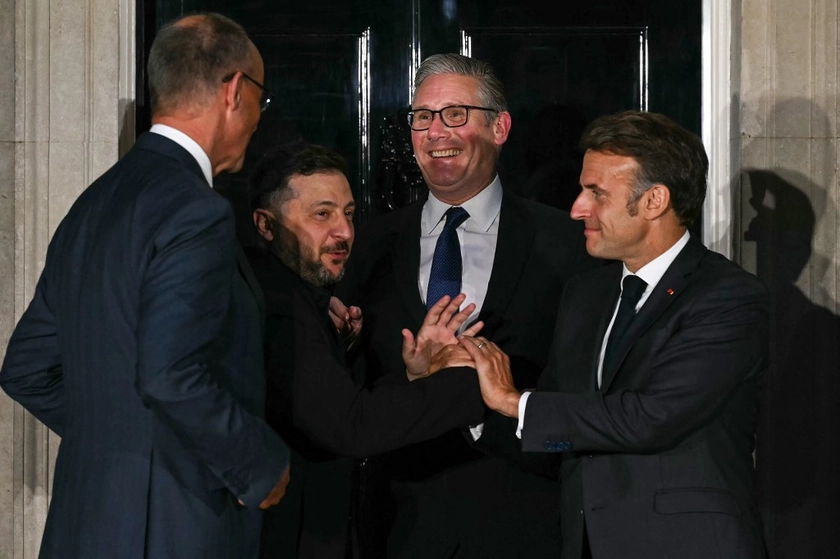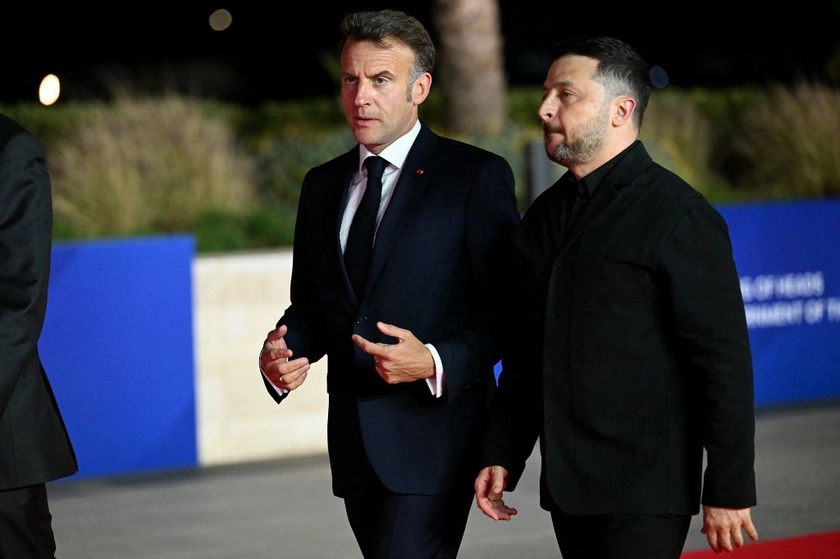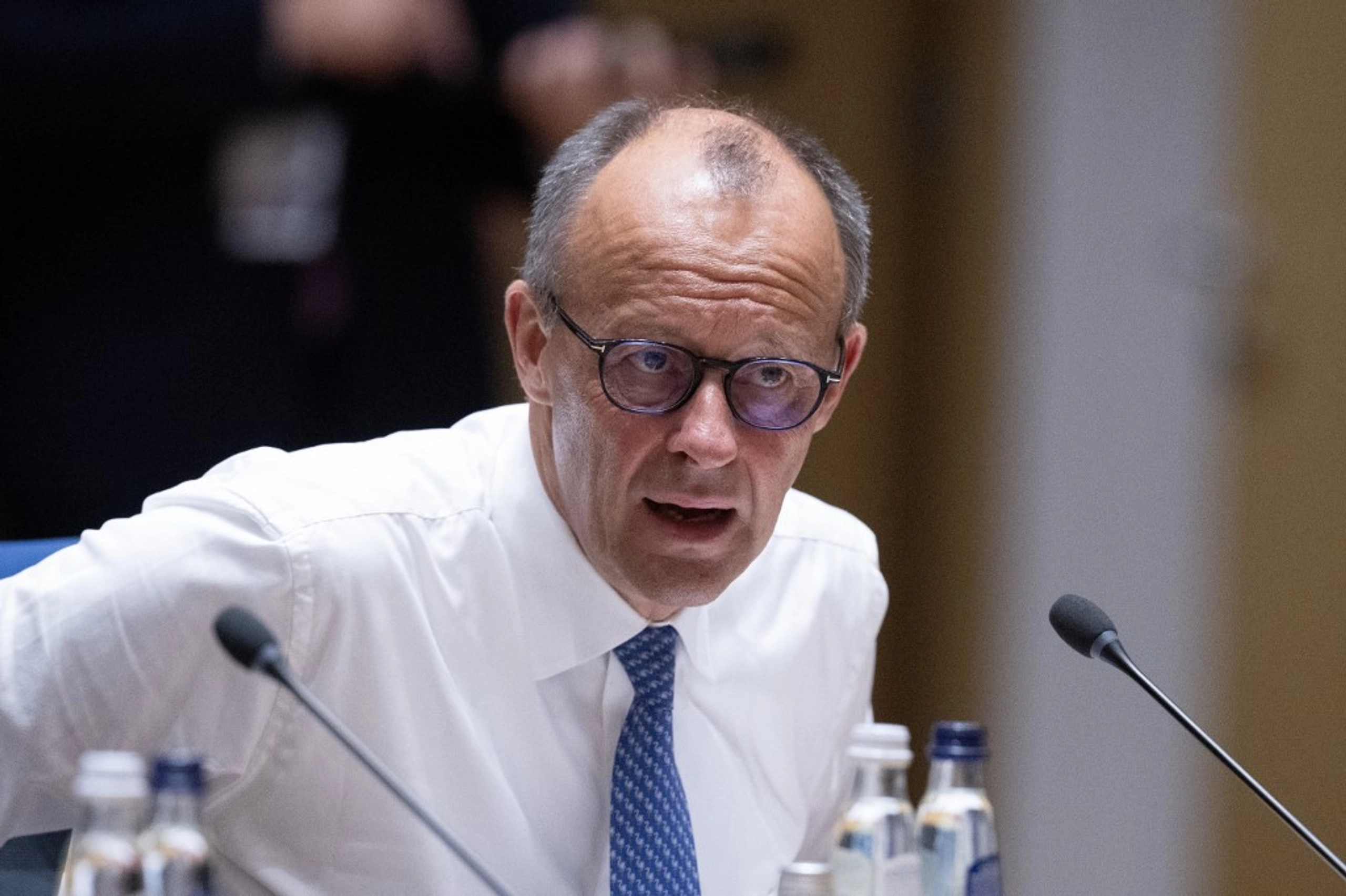
French President Emmanuel Macron and German Chancellor Friedrich Merz criticized efforts by European Council President António Costa to establish contacts with Moscow during a tense late-night European Union summit in Brussels, according to Politico.
According to Politico’s Friday report, the dispute exposed growing divisions within the bloc over whether the EU should engage directly with Russian President Vladimir Putin and who should represent Europe in any future negotiations related to Russia’s war against Ukraine.
JOIN US ON TELEGRAM
Follow our coverage of the war on the @Kyivpost_official.
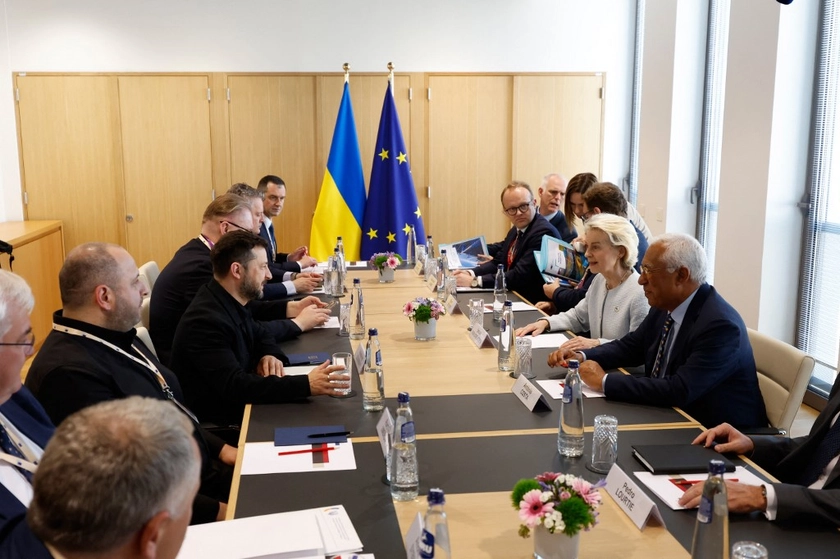
The disagreement emerged after it became known that Costa’s chief of staff, Pedro Lourtie, had contacted Russian officials twice in recent weeks to establish a diplomatic channel with Moscow.
Macron and Merz argued that the time was not right for negotiations with Putin and suggested that when such talks eventually become possible, France, Germany and the UK should take the lead rather than EU institutions.
Several countries, including Estonia, Denmark and the Netherlands, supported that position, while other leaders defended Costa’s efforts and argued that maintaining communication channels serves the EU’s interests.
Costa’s outreach to Moscow
On Wednesday, Costa’s office confirmed that brief diplomatic contacts were made with the Kremlin in recent weeks to open communication channels, as Europe maintains that peace talks in Ukraine directly impact European security.
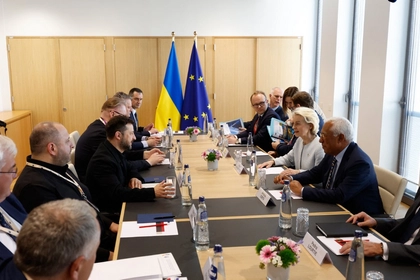
EU Extends Russia Sanctions for First Full-Year Term
Costa’s chief adviser held two phone calls with a senior Russian official close to Putin to lay the groundwork for further diplomatic contacts, according to Bloomberg.
“In the past few weeks, brief contacts at diplomatic level were made to open communication channels but nothing was discussed on substance,” an EU official told Bloomberg on condition of anonymity.
“In any future scenario, the EU has specific interests that will need to be defended, therefore it is important to have established diplomatic channels with Russia,” the EU official added, noting that “the EU is not a mediator,” though it supports Ukraine in its peace efforts.
The European Council declined to elaborate further, while the Kremlin did not respond to the publication’s requests for comment.
According to Politico, Costa’s office said the contacts with Moscow were intended only to establish communication channels and did not involve substantive discussions.
Belgian Prime Minister Bart De Wever said any future negotiations would require determining who should represent the bloc if Russia demonstrates a willingness to engage in talks.
The discussions reportedly lasted two hours longer than scheduled and were held without aides or mobile phones due to subject sensitivity.
The issue is expected to remain on the agenda next week when Merz hosts Macron and the leaders of the United Kingdom, Poland and Italy in Berlin.
The disagreement follows the EU’s decision to extend its economic sanctions against Russia for 12 months and approve a new sanctions package targeting Russian military suppliers, oil export networks, propagandists and officials linked to Russia’s persecution of opposition leader Alexei Navalny, who died in Russian captivity in 2024.
You can also highlight the text and press Ctrl + Enter

Europe Seeks Trump’s Backing for New Ukraine Talks
Merz Accuses AfD Lawmakers of Cozying Up to Moscow
Merz Proposes EU Associate Status for Ukraine