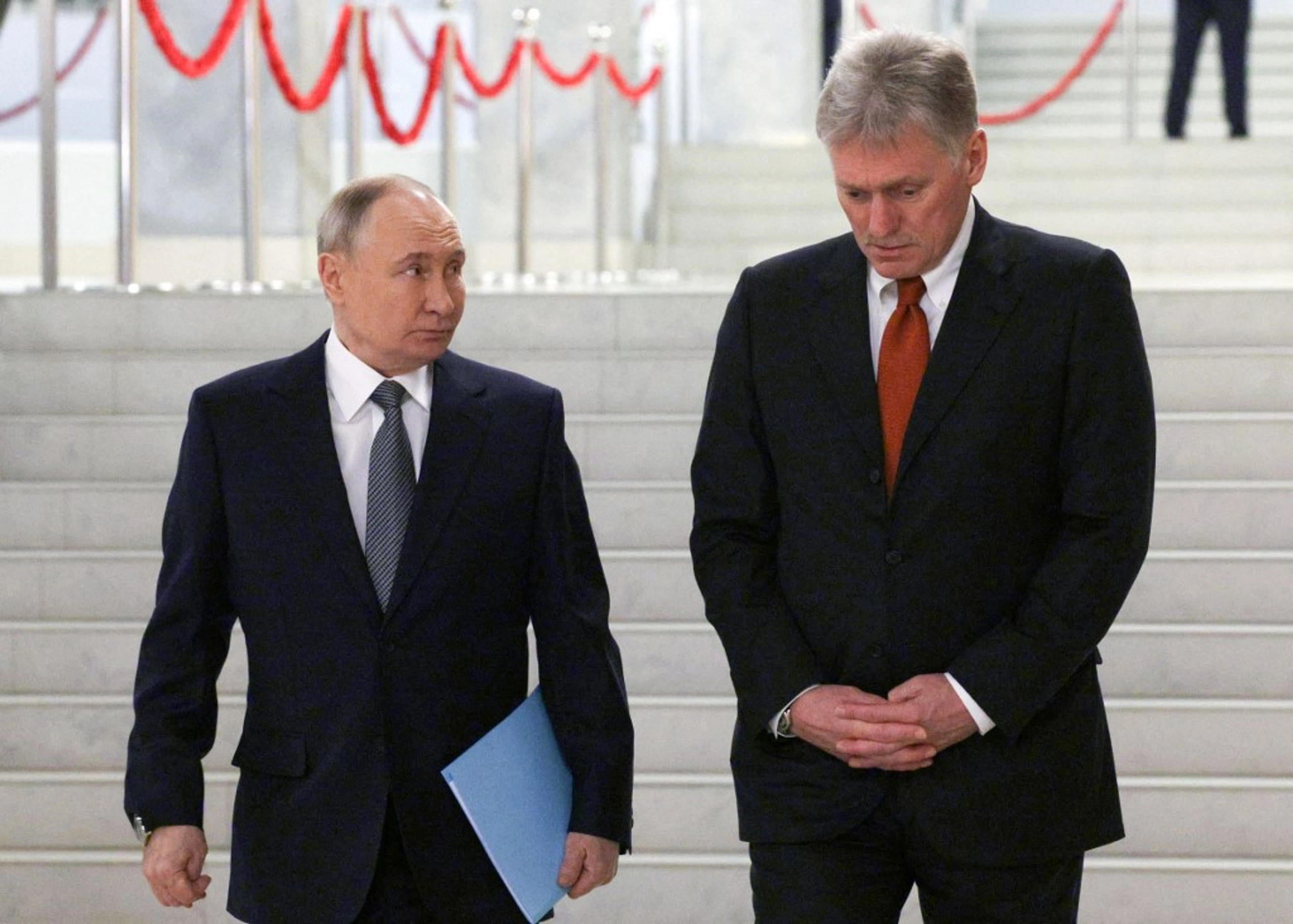
Russia is prepared to resume contacts and dialogue, Kremlin spokesman Dmitry Peskov said on Friday.
Speaking to reporters, Peskov argued that communication is necessary to address the many issues arising from Russia’s war against Ukraine and broader international tensions.
JOIN US ON TELEGRAM
Follow our coverage of the war on the @Kyivpost_official.
However, he said Russia is not to blame for “ending” previous communications.
“We were not the initiators of bringing these contacts to zero and ending them. And common sense itself, of course, dictates the need for contacts in order to discuss the huge number of issues, the most complex issues that are on the agenda and that represent challenges for us,” Peskov said.
He did not specify what format such contacts could take or whether Moscow had received any new proposals for talks.
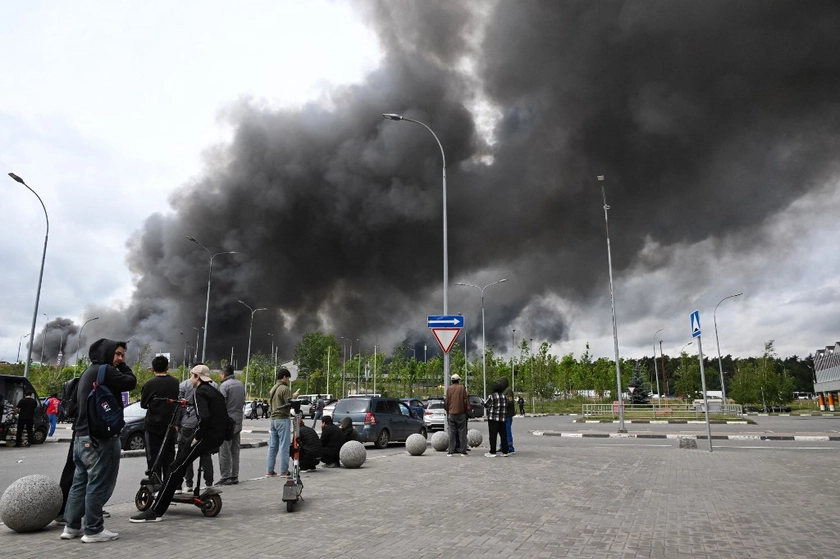
The comments came a day after Kyiv struck the Moscow refinery near the Kremlin in a record drone strike, with logistics supplying occupied Crimea and southern Ukraine under strain due to Kyiv’s ongoing “middle strike” campaign.
A history of going nowhere
Moscow has signaled its willingness to negotiate on multiple occasions since 2022, but none have put a meaningful stop to the largest war in Europe since WWII.
In March 2025, soon after US President Donald Trump’s return to office, Kremlin leader Vladimir Putin said a 30-day ceasefire was “good and we absolutely support it” before questioning the effectiveness of the proposal.

Russia Regurgitates Ukraine Biolab Claims – What’s New This Time?
The deal ultimately culminated in an energy ceasefire in name only due to differing interpretations of its terms.
In May 2025, multiple EU leaders threatened Moscow with a sanctions ultimatum. Putin countered with an offer to resume the 2022 Istanbul talks, but sent a historian in his place to lead the delegation. The talks resulted in prisoner swaps, but neither ceasefires nor concrete frameworks to end the war.
In August, Trump threatened Putin with a 50-day ultimatum – later reduced to 10-12 days – to either move toward a ceasefire or face massive sanctions. It eventually earned Putin a face-to-face meeting with Trump in Alaska that resulted in neither a ceasefire nor sanctions.
In recent weeks, Putin and his foreign minister have pushed for a settlement based on unpublished terms agreed during the Alaska summit without Kyiv’s participation, which are believed to include recognition of occupied Crimea and Ukraine ceding the Donbas region.
Dispute over G7 proposal
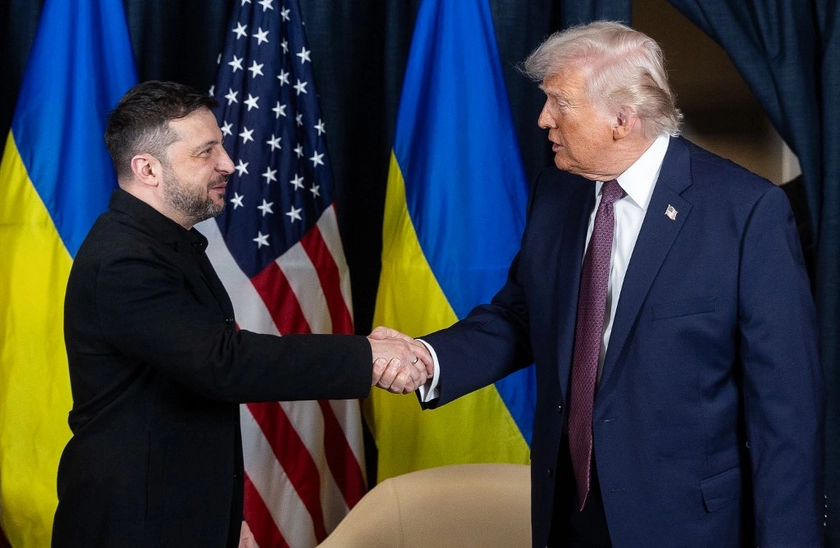
Peskov’s latest remarks come days after the Kremlin rejected a meeting with President Volodymyr Zelensky during the G7 summit in France, which Ukraine had proposed to also involve Trump and European leaders.
Peskov said earlier this week that no such proposal had been received through official channels and repeated that Zelensky could travel to Moscow if he wanted to discuss issues “seriously and responsibly.”
Zelensky has repeatedly called for direct talks with Putin, including in an open letter on June 4, urging a face-to-face meeting to end the war.
Putin dismissed the idea of immediate talks at June’s St. Petersburg International Economic Forum, saying such a meeting was “pointless.”
He also claimed Zelensky had previously sought a private meeting through a Russian businessman, whom Zelensky later identified as Roman Abramovich.
Abramovich asked to keep his role private, but sought to understand what Kyiv might be prepared to discuss in possible negotiations with the Kremlin.
“He came to Kyiv. He said I [brought a] message to you, and I want to take messages from you and give it to Putin,” Zelensky said.
He stressed, however, that Kyiv’s position on the Donbas was non-negotiable.
“It was the key message. I said we will not leave. We will not give you a victory in such a way,” Zelensky said.
Zelensky has previously insisted that Ukraine has “no right” to surrender any territory.
“Under our laws, under international law – and under moral law – we have no right to give anything away,” he said after meetings with European leaders in December 2025.
Nevertheless, the Donbas remains a key objective for Russian forces and that goal has remained largely unchanged since the start of the full-scale invasion.
You can also highlight the text and press Ctrl + Enter


Putin’s Worst Nightmare