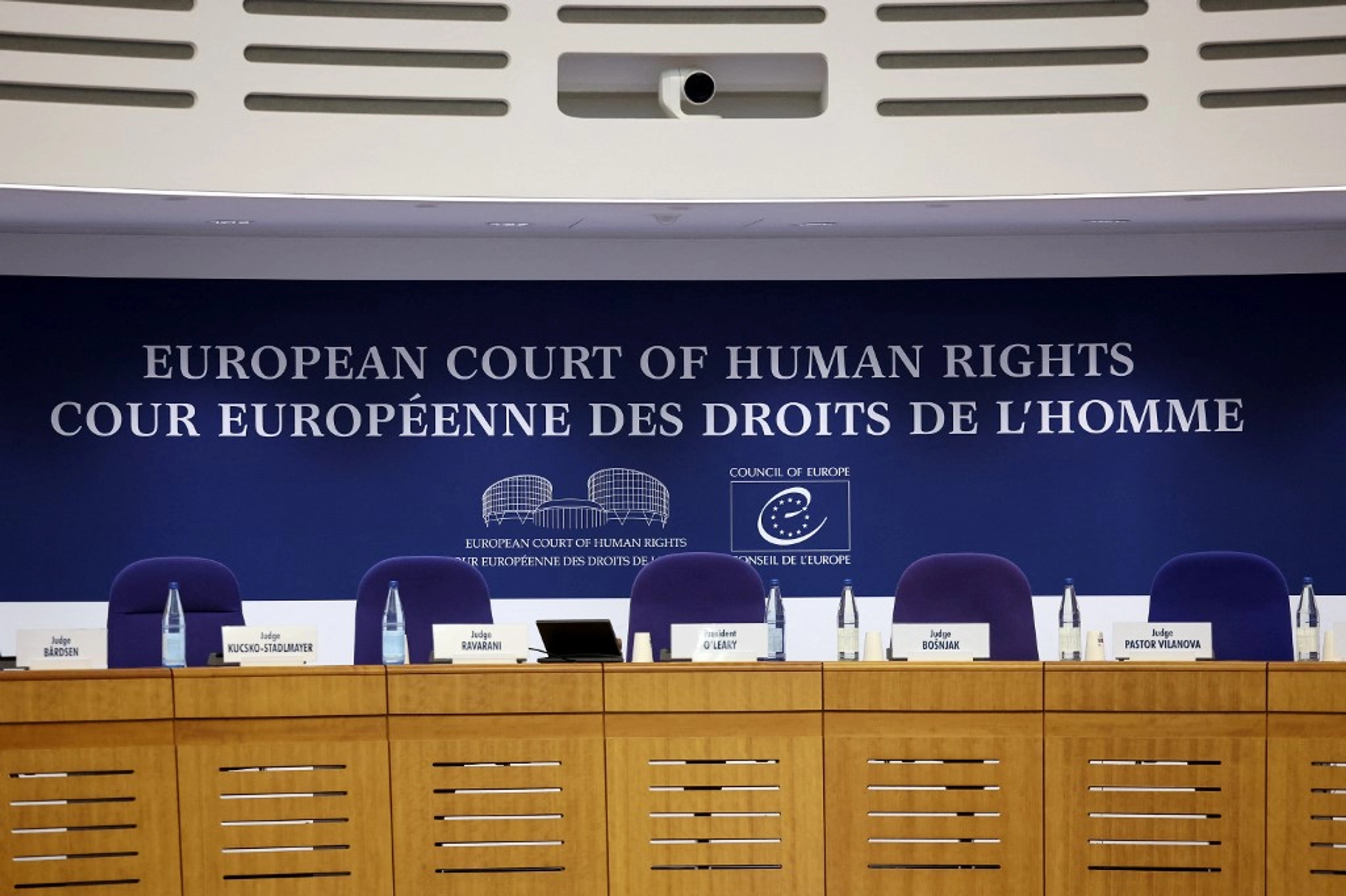
The European rights court Tuesday ordered Russia to pay Georgia more than 250 million euros for violations committed after a 2008 conflict between the two countries.
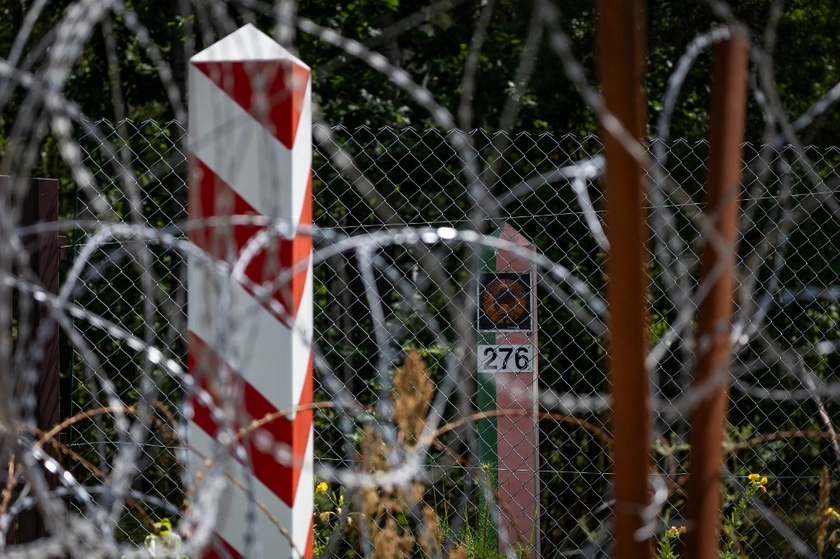
The European Court of Human Rights (ECHR) said Russia had stopped people from crossing freely into Abkhazia and South Ossetia -- Georgian regions that Moscow recognised as independent after the 16-day war.
JOIN US ON TELEGRAM
Follow our coverage of the war on the @Kyivpost_official.
Russia was found to have committed violations including excessive use of force, ill-treatment, unlawful detention and unlawful restrictions on day-to-day movement across the administrative boundary line between Georgian-controlled territory and the Russian-backed breakaway regions.
The Strasbourg-based court ordered Moscow to pay just over 253 million euros ($292 million) for the harm suffered by more than 29,000 victims.
Moscow quit the Council of Europe, of which the ECHR is part, in 2022 in the wake of its invasion of Ukraine but the court says it remains liable for violations committed before then.
The court said it was up to the Georgian government to set up an “effective mechanism” to distribute the sums awarded to the individual victims within 18 months of payment by Russia.
Moscow has repeatedly defied ECHR rulings, including ones given while it was still a member of the Council of Europe.
Only a handful of nations followed Russia’s lead in recognising South Ossetia and Abkhazia. The wider international community and Georgia still regard them as Georgian territory.
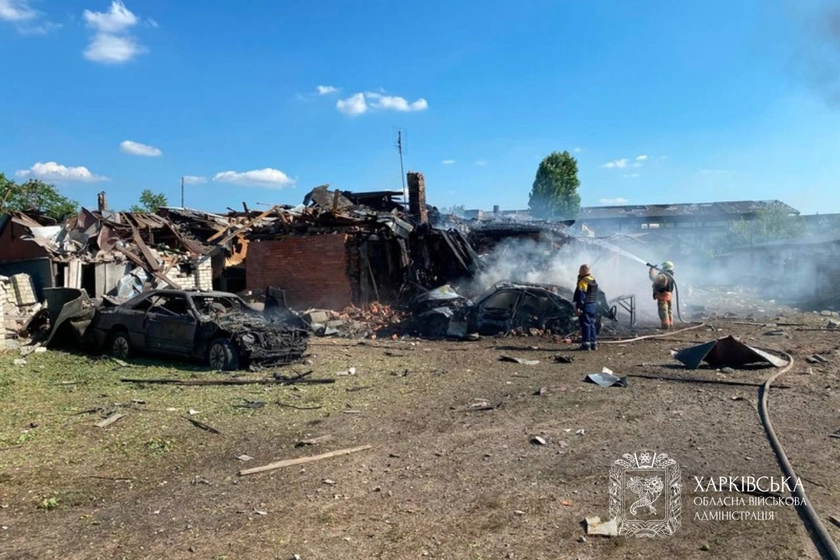
Russian Guided Bombs in Kharkiv Kill Teen, Wound 32, Including Children
Georgia says people have been killed while trying to enter or exit Abkhazia or South Ossetia, while others have been arrested, detained and ill-treated for “illegally crossing” the boundary lines.
Children had been forced to choose between learning in Russian or making long and perilous journeys to Georgian-controlled territory to attend school, it said.
In an initial 2024 judgment, the court already found “that the incidents alleged were not isolated and were sufficiently numerous and interconnected to amount to a pattern or system of violations”.
You can also highlight the text and press Ctrl + Enter

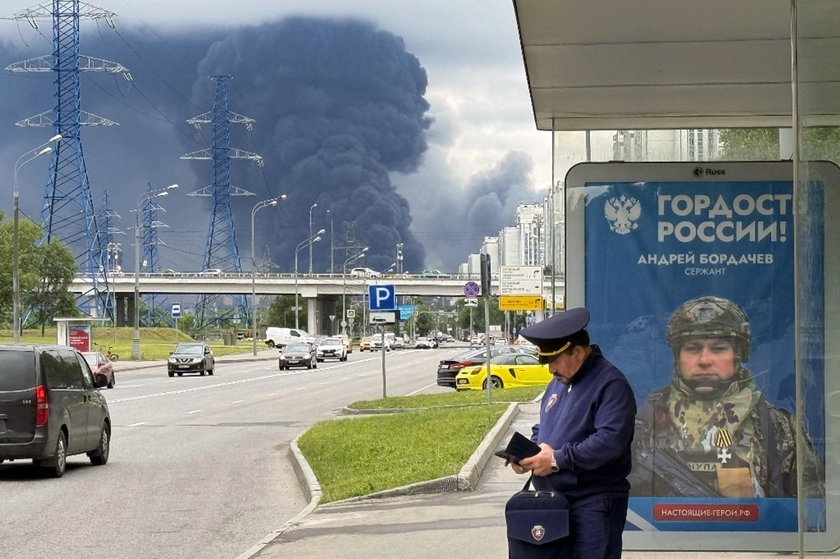
Russia Hit by 660-Drone Overnight Barrage Targeting Moscow, Crimea and Key Military Sites