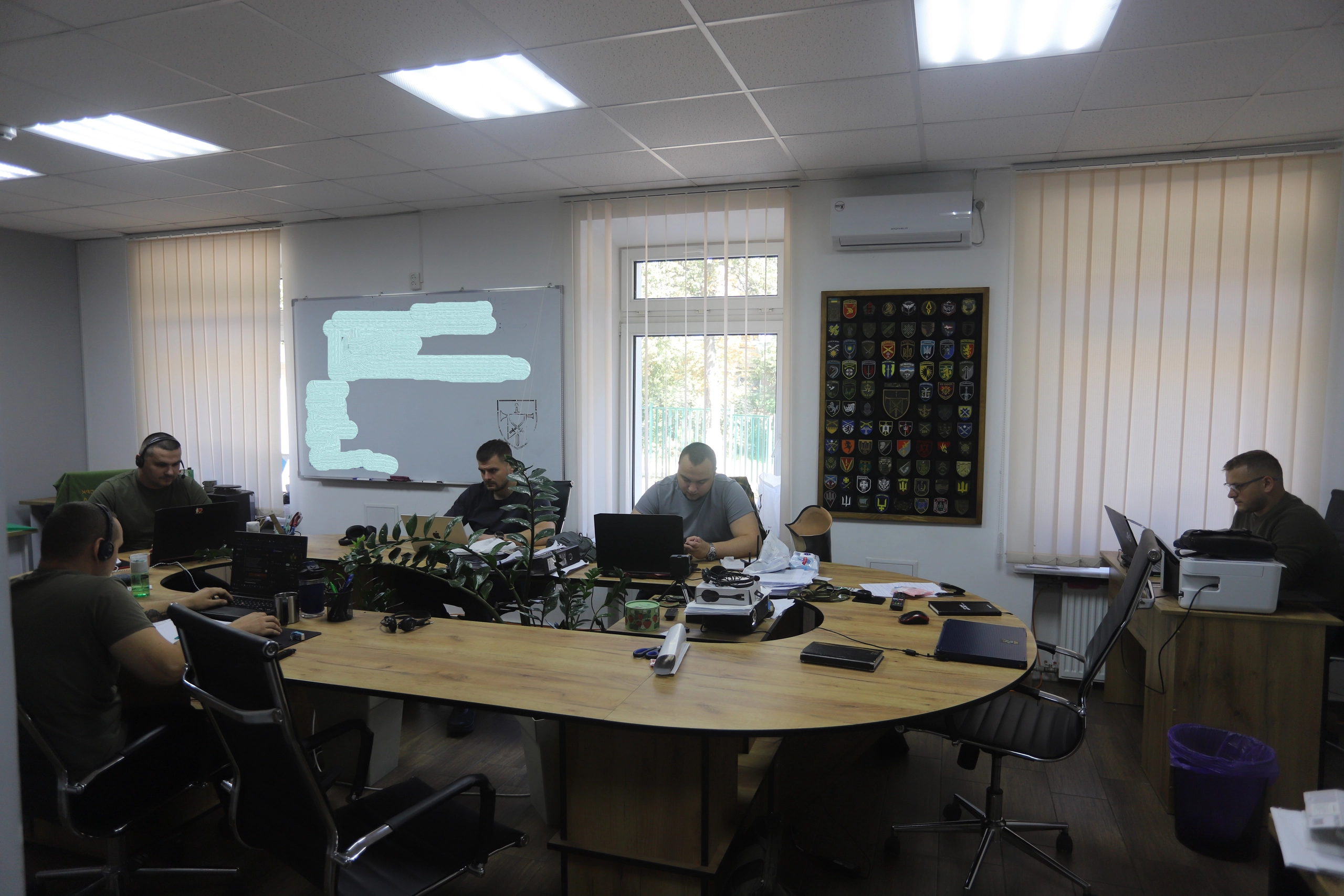
Ukraine is actively developing recruitment as an alternative to the standard mobilization system, which is losing popularity due to Russian propaganda and the imperfection of legislation.
There are also major problems within the mobilization offices themselves, particularly the lack of state support, which sometimes drives them to use force, thereby eroding public trust in their work.
JOIN US ON TELEGRAM
Follow our coverage of the war on the @Kyivpost_official.
Chronic problems in the military, insufficient financial support (especially in the rear, where a soldier’s salary is $500 and lower than in most civilian professions), and the absence of clear service terms discourage people from serving – this also contributes to the rise in those who desert their units.
If, in 2022 and 2023, there were several thousand such cases, in 2024 the count reached tens of thousands, and in 2025, over 100,000.
Therefore, Ukraine’s mobilization system now operates in parallel – searching for motivated young people and making it as easy as possible for them to join the armed forces, moreover, allowing them to choose their position and specialty.
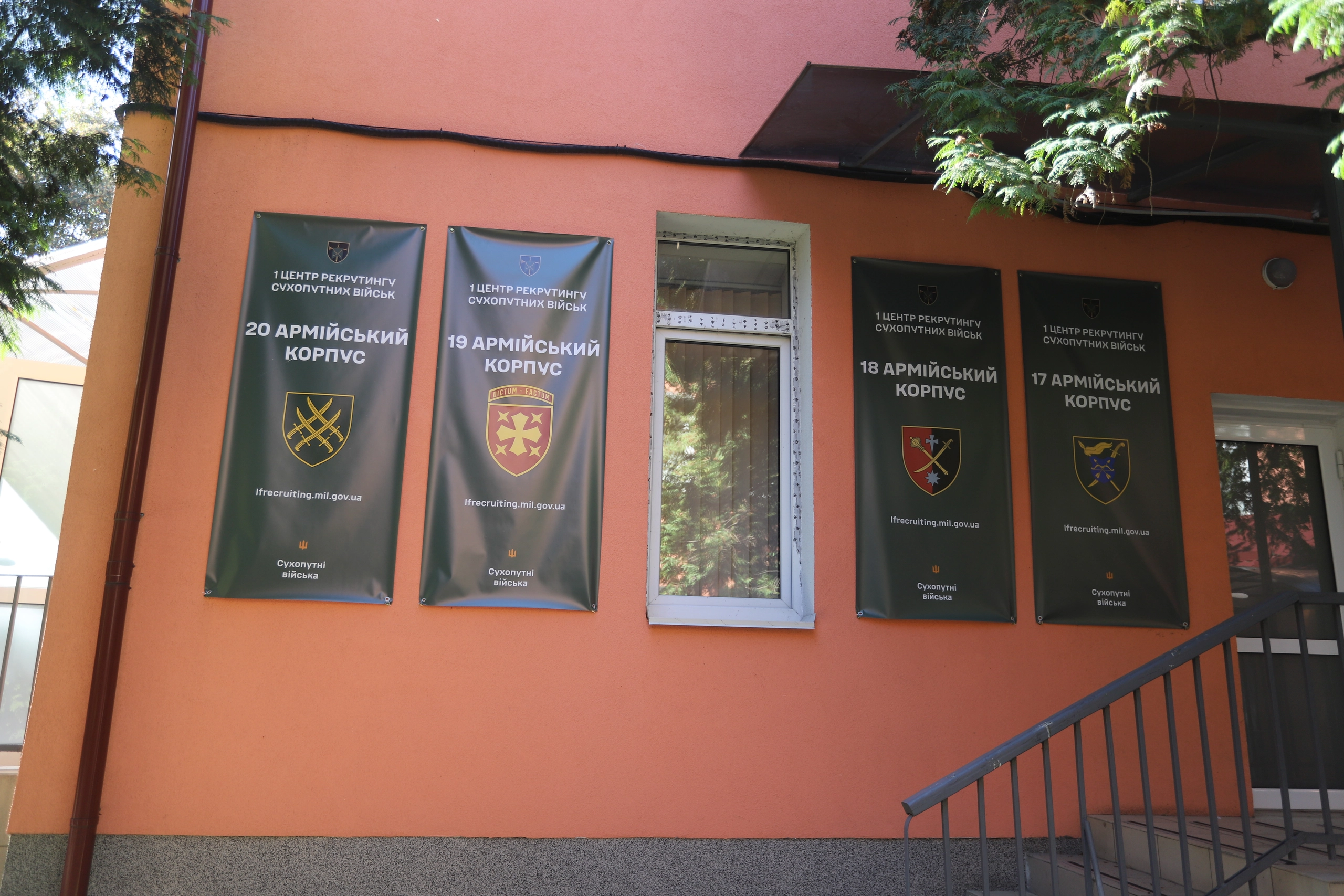
The largest such facility is the First Recruiting Center of the Ground Forces of the Armed Forces of Ukraine (AFU).
Ukraine Eyes Military Reform to Replace Indefinite Service With Fixed-Term Contracts
Facing the new reality
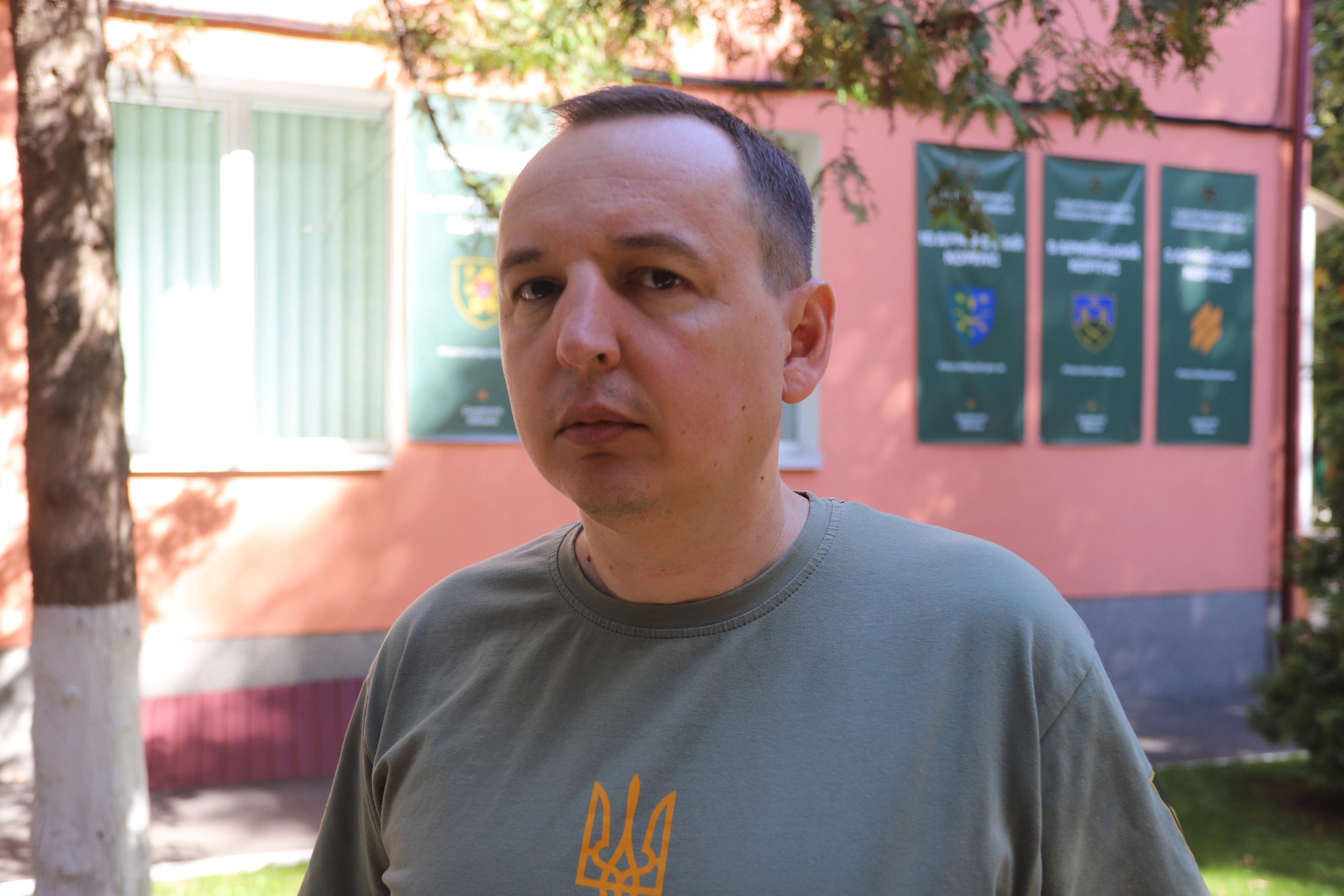
“All recruits can come to us to learn the information they are interested in – about the specifics of service, about the nuances of joining the Armed Forces,” said Abel. “If a person decides to join the defense forces, they apply to the staffing department. The department prepares the personnel file and documents to make the process faster. Then the person goes through the medical commission, our specialists accompany them… From the moment of application to joining – two days.”
What’s important – if you go through the recruiting process, you won’t be transferred during training to another unit or specialty. It’s no secret – many people fear joining even rear positions because they know there’s a chance, due to a lack of infantry, they’ll be moved from a rear post straight into the trenches.
“All the people who come to us are 100% guaranteed to join the units they choose. Those who joined through us – there hasn’t been a case of anyone ending up in the wrong position or unit,” noted Abel.
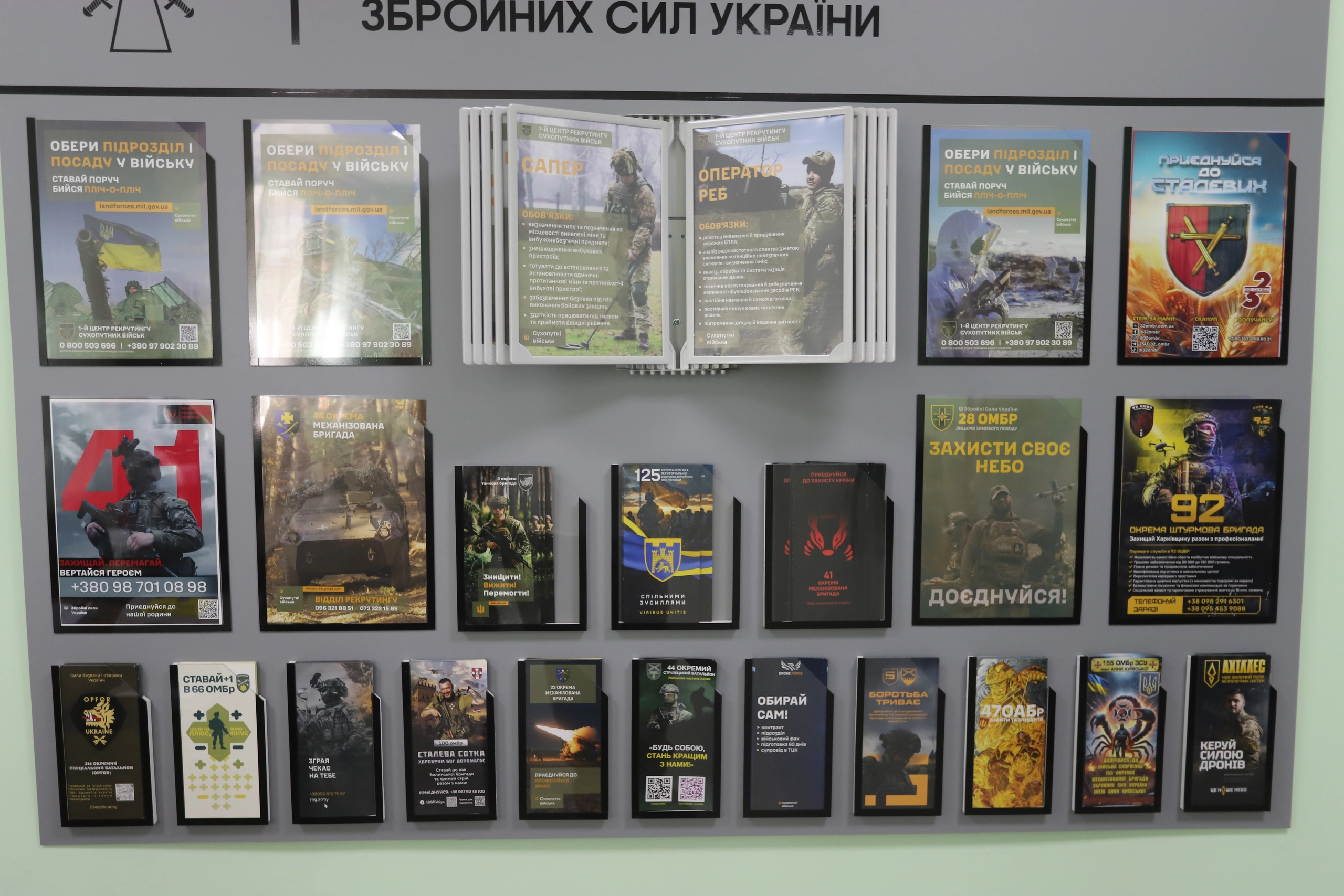
The steps of the new induction procedure are as follows: First, a recruit arrives at the recruiting center, learns about the available specialties, opts between mobilization or signing a contract, and chooses a unit and position. Then the recruiting center contacts the unit and organizes all the transfer logistics. If the recruit chooses a contract, psychological testing is also included.
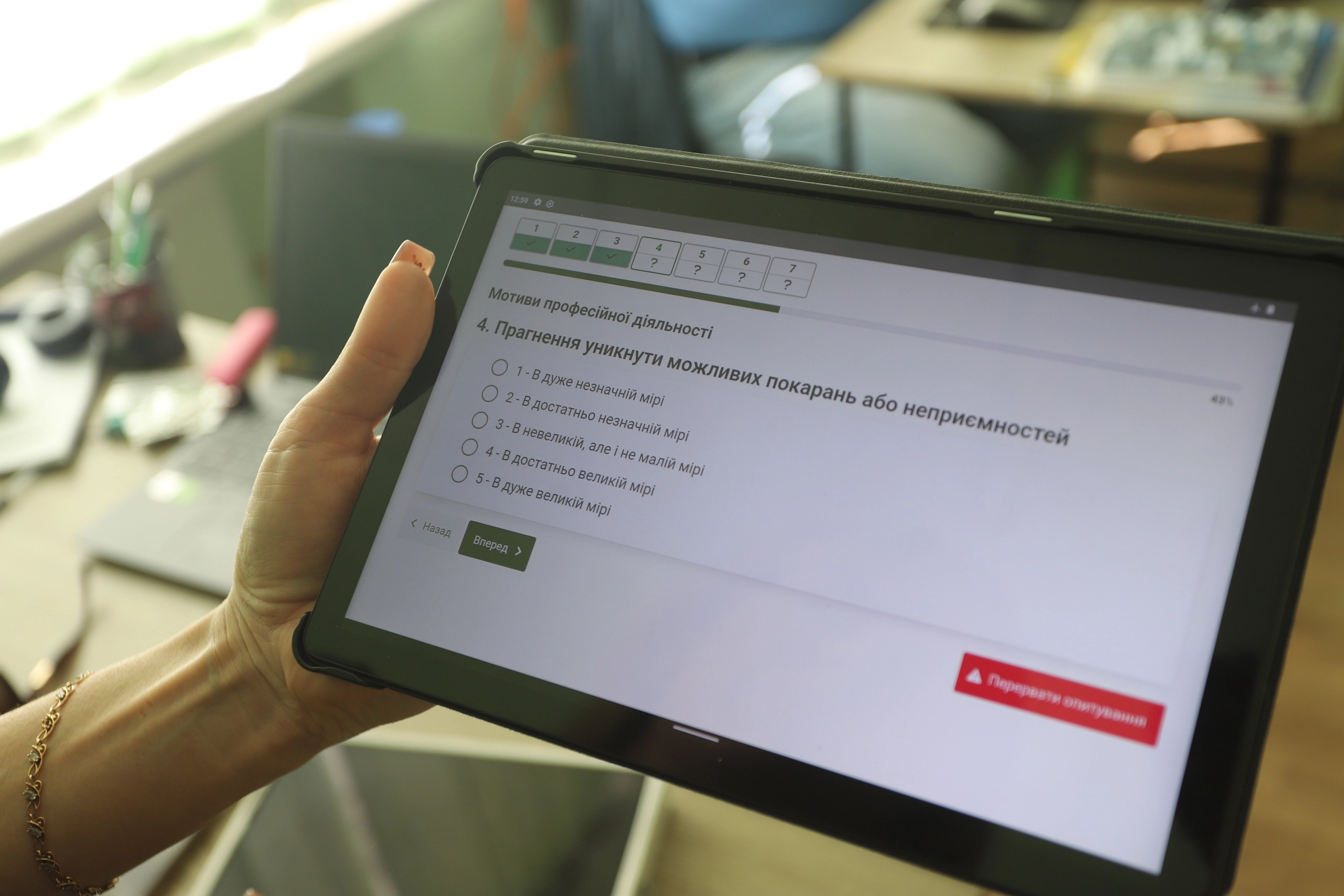
“Five methods are used – tests and assessments are applied when a person signs a contract. They measure thinking ability, adaptability, and determine the level of intelligence. They also assess motivation for the chosen military specialty,” said the center’s psychologist, Viktoriia Kotelia.
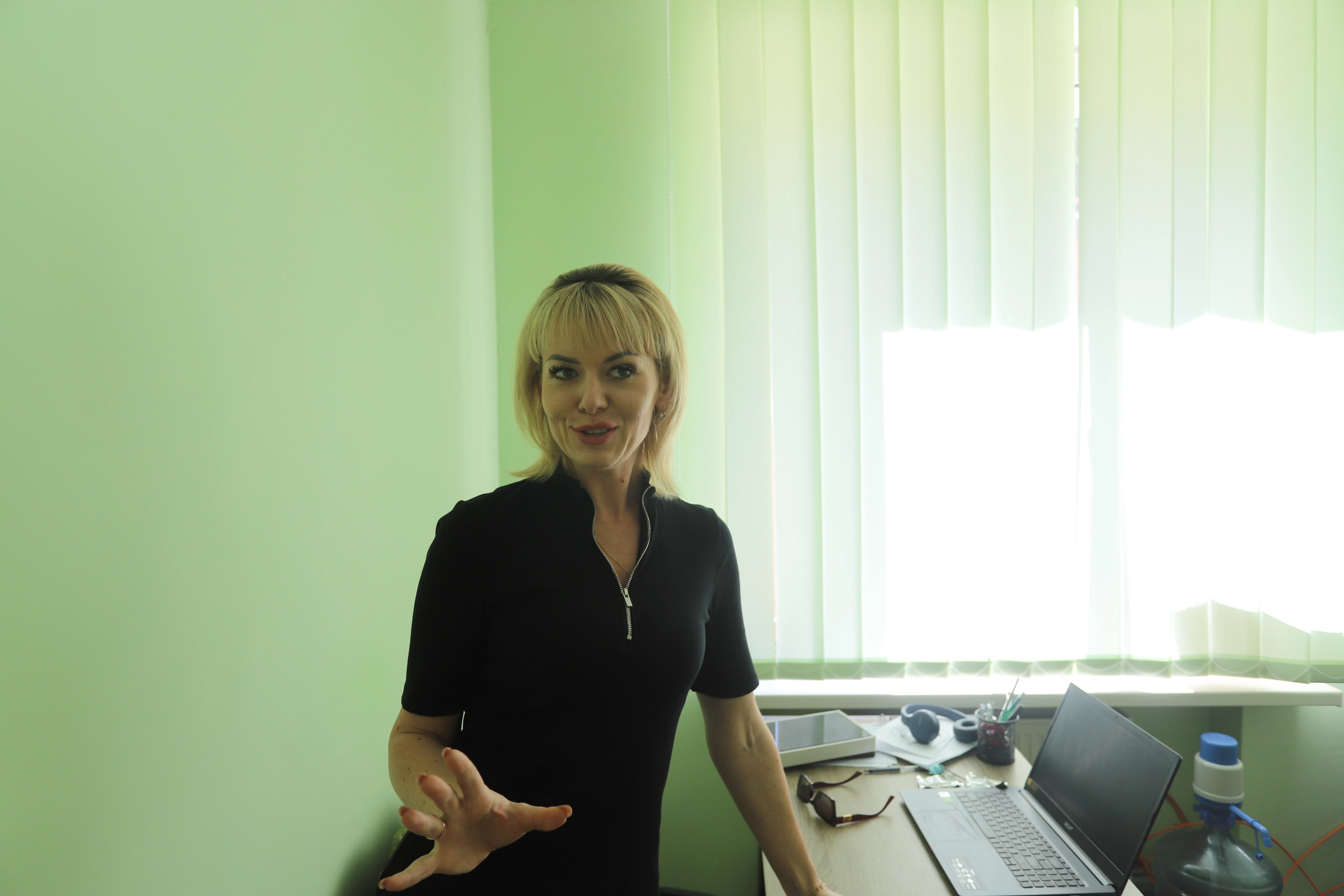
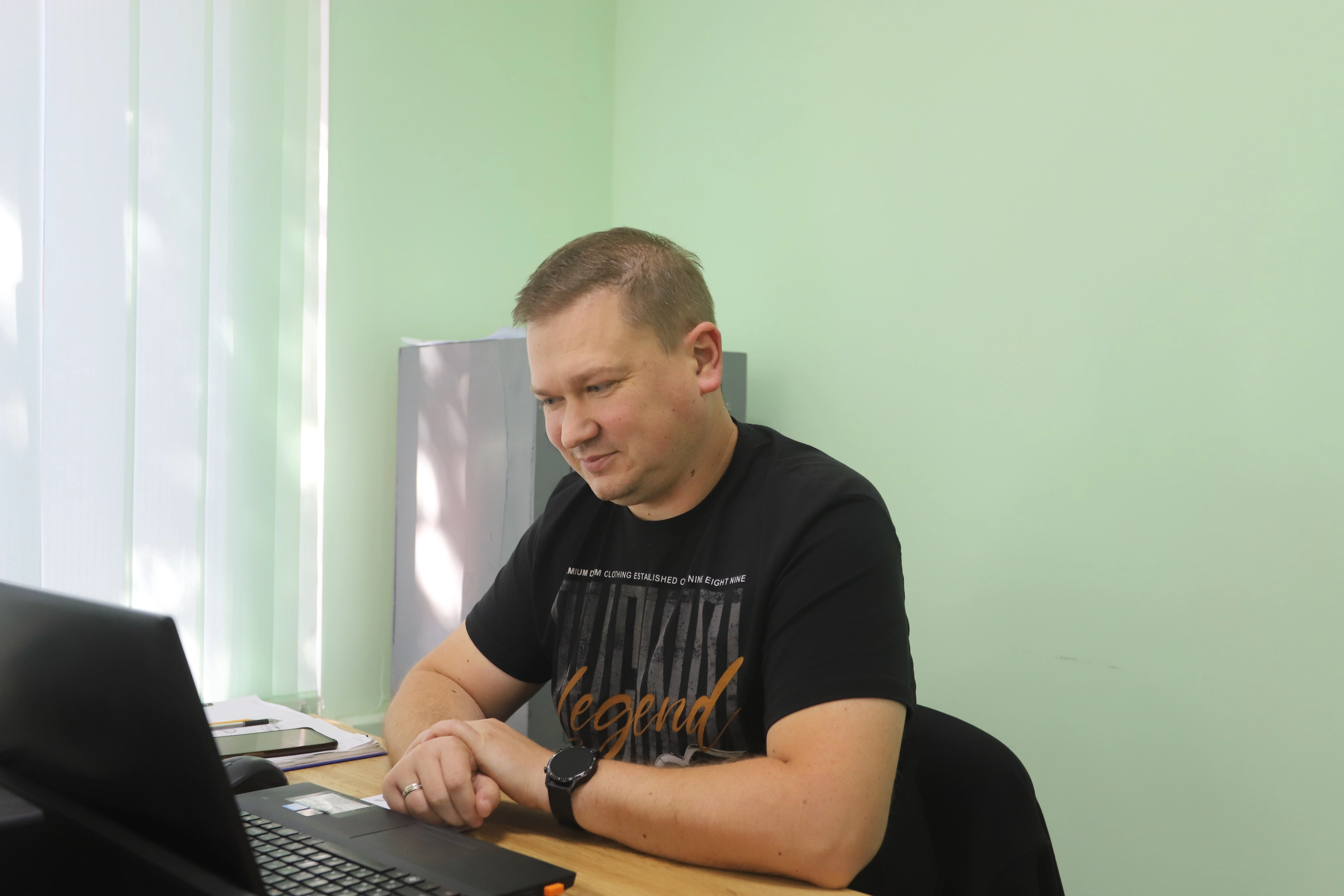
Ihor Sydorenko, head of the staffing department, explained the details:
“We chose the date of the medical examination – usually it’s done in the morning, takes half a day, and then the person goes either to the unit or home to pack. If it’s a contract, we contact them remotely, send a list of documents, and provide consultation by phone, if needed.
“They then must pass the medical exam. If everything is fine health-wise, they are sent, with the documents, to take psychological tests.
“Following this, they go home to await departure. There are scheduled dates when we send them to training centers.”
Who are they?
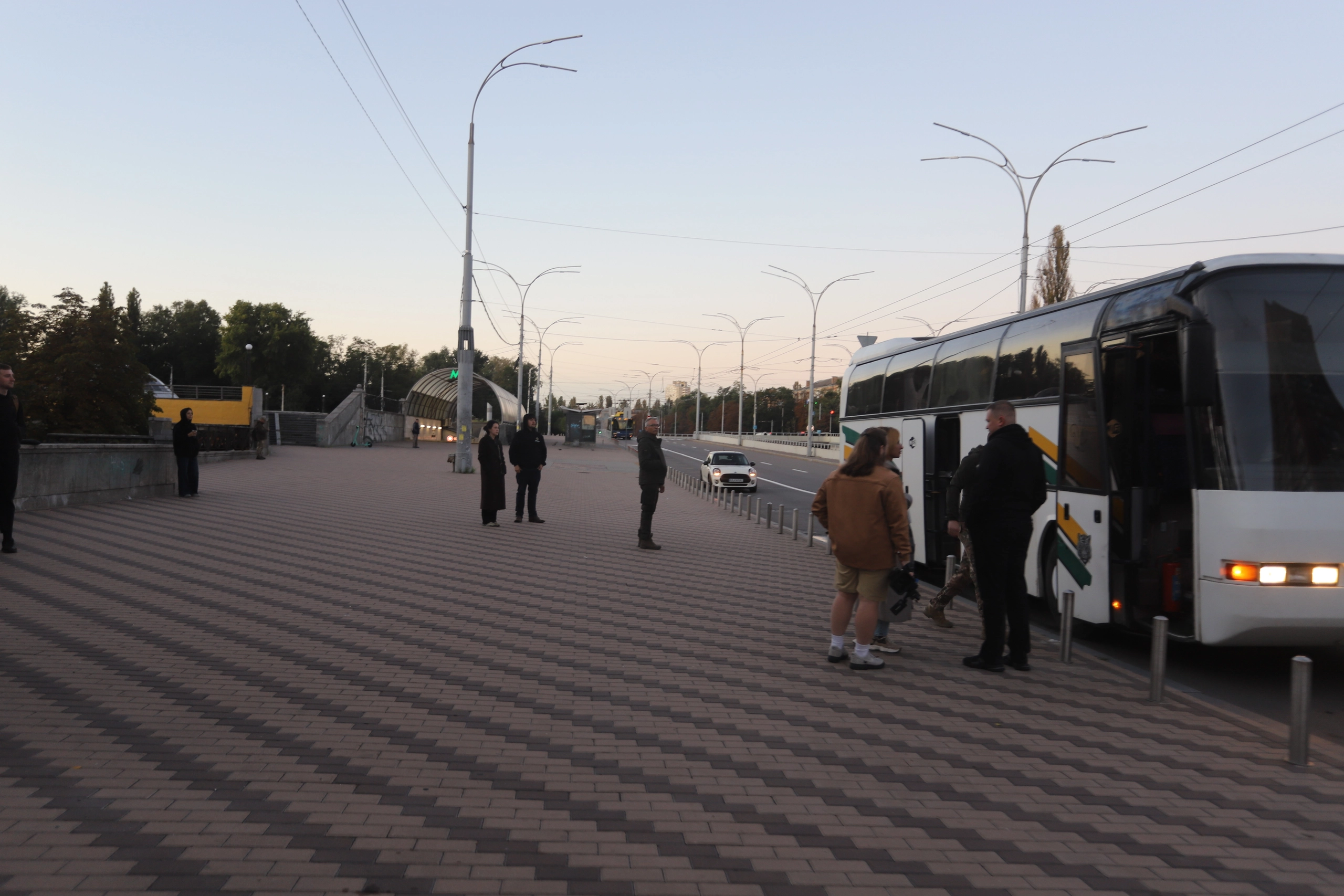
On one such day, we meet recruits before their departure. All of them are young.
For example, Oleh, who once worked as a taxi driver, will now deal with radio electronics. The recruit elaborated:
“In 2022, I quit my job, lived in Odesa for a couple of years, worked in a taxi, and in a restaurant. Now that I’m turning 25, I decided to join the military because I believe everyone should defend their land...
“At first, I wanted to join a mobile fire group, but the recruiter said I’d be more useful as a radar operator – a more in-demand position in the unit.”
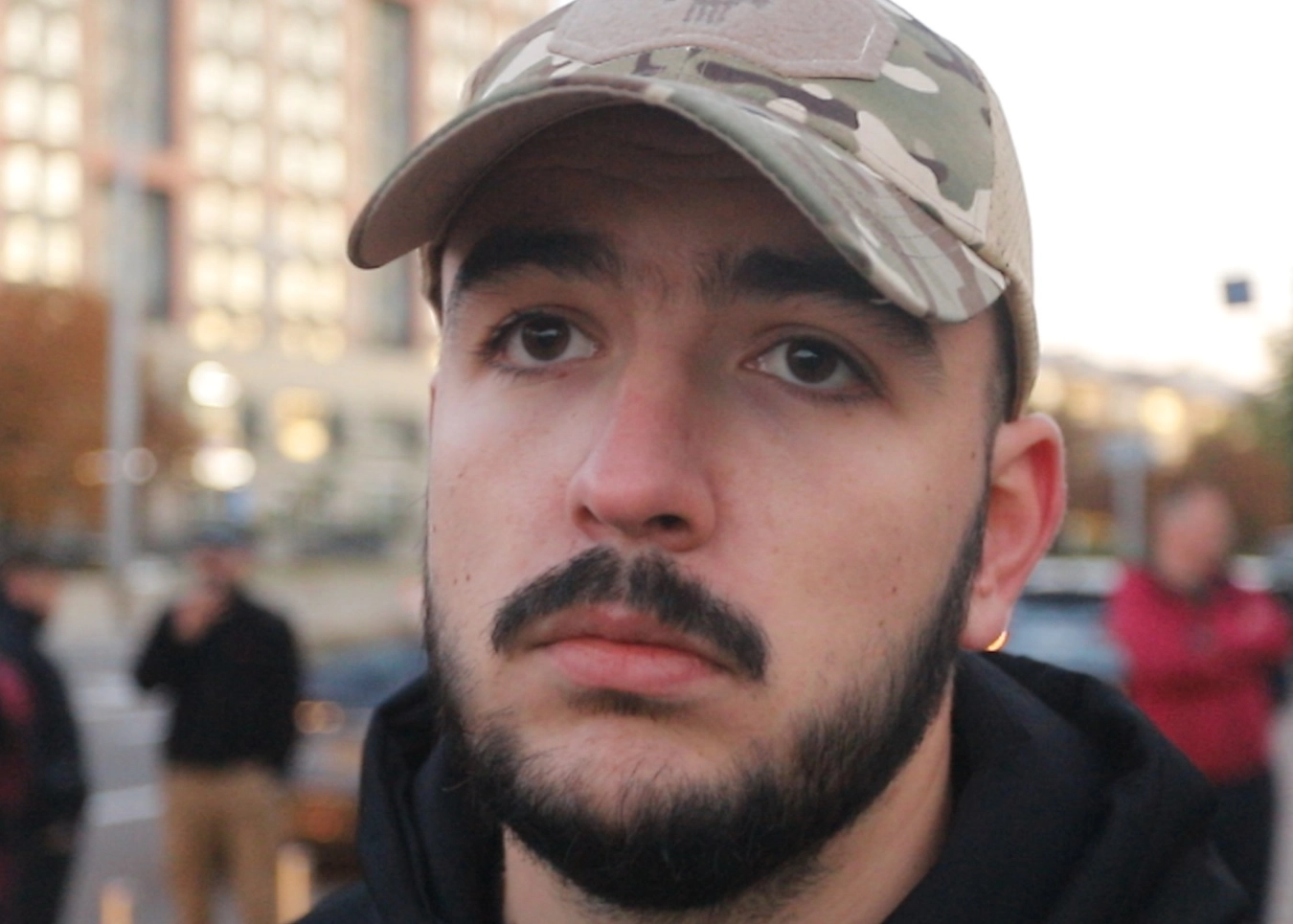
And Volodymyr is an athlete joining his comrades from the Third Army Corps. The martial artist explained how he went from volunteer to contract soldier:
“I volunteered back in 2022, at the very beginning of the [full-scale] war. I went right away. But without a contract, just on my own. Now I’ve decided to join officially, under contract. I’m a reconnaissance machine gunner. I’m a coach myself – kyokushin karate, boxing, mixed martial arts — I’ve been training since I was six.”

Thousands of people have already gone through the Ground Forces recruiting center, and this is just one such hub. Similar centers are opening in other cities, in addition to online recruiting platforms and recruiting centers within combat units themselves.
Still, the number of voluntary recruits remains much lower than the number mobilized by the TRC. Abel says it’s better not to wait until being forced into mobilization. He said that at the recruiting center, a person can choose a unit, even if there is a warrant on file for the individual for draft evasion by the Territorial Recruitment Center.
Abel explained:
“If the TRC mobilizes you, you don’t choose your unit or position. You are assigned to priority roles within the Armed Forces. If you come to us, it’s like in a supermarket – you’re shown the list of options, and you pick yours.
“We’ll even advise where your education and skills fit best… A person who is wanted can join the Armed Forces through the recruiting center.
“For this, we provide an official document – a letter confirming that they are in the recruitment process, so if stopped by police or TRC officers, it won’t cause problems.”
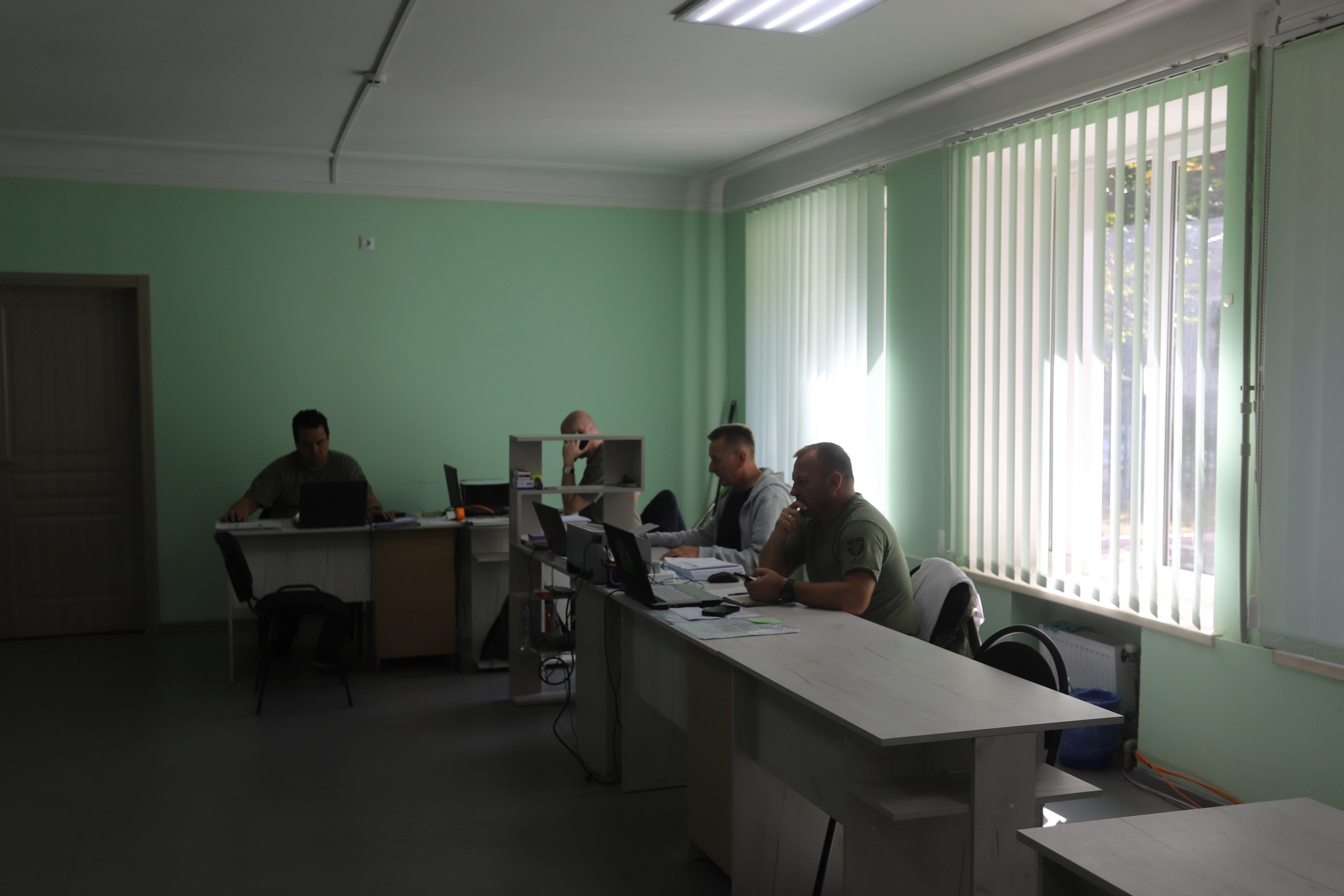
Recruiting will expand, and more specialties will be added for educated professionals – in this new war of drones and robots, specialists in IT, technology, and operations are critically needed.
This is the future of the AFU: Structured recruiting of motivated people with clearly defined positions and specialties. For now, it’s also a way to avoid being mobilized into a role you dislike.
Because, as everyone says, one way or another, the Great War will touch everyone. And it’s better to choose your fate yourself.
You can also highlight the text and press Ctrl + Enter