After the political earthquake that shook Odesa – President Volodymyr Zelensky’s removal of the city’s long-time mayor – uncertainty now reigns in Ukraine’s maritime capital.
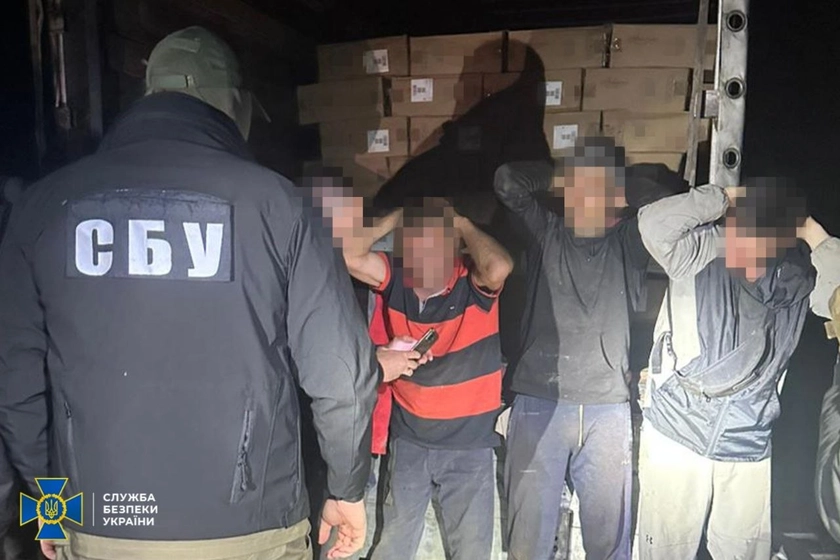
On Oct. 15, a decree signed by Zelensky stripped Odesa Mayor Hennadiy Trukhanov of his Ukrainian citizenship after the Security Service of Ukraine (SBU) released evidence allegedly showing a Russian passport in his name.
JOIN US ON TELEGRAM
Follow our coverage of the war on the @Kyivpost_official.
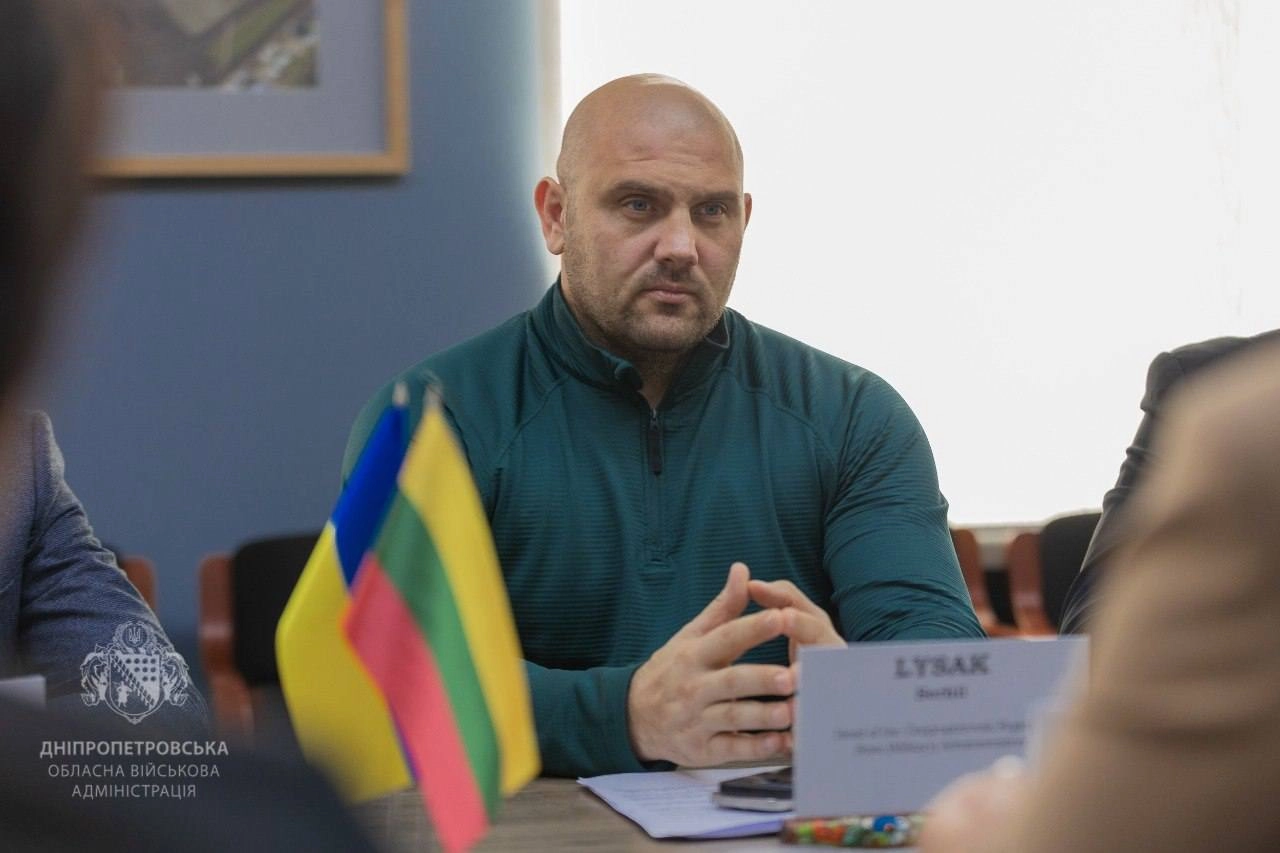
Without Ukrainian citizenship, Trukhanov is legally barred from holding public office and has therefore had to vacate his position in the City Council. Under the law governing military administrations of cities, Zelensky appointed as head of Odesa’s city administration SBU Gen. Serhiy Lisak, who previously served as military governor of the Dnipropetrovsk region.
The decision has sparked considerable controversy. Firstly, because the Ukrainian constitution does not grant the president the authority to revoke citizenship. Furthermore, the well-known Bulgarian investigative journalist Christo Grozev of Bellingcat – whose work has exposed numerous Russian disinformation campaigns – declared that the passport published by the SBU was an outright forgery and presented evidence supporting this claim.
In any case, none of these arguments alter the practical consequences of the presidential decree. Trukhanov may appeal, particularly as the City Council has not yet formally acknowledged his dismissal by vote, as required by law. However, his return to office appears highly unlikely. Yet if Odesa no longer has its elected mayor, it does not legally have a new one either.
Russian Guided Bomb Strike Kills Three in Zaporizhzhia
Indeed, there is a legal vacuum between the appointment of a temporary mayor due to force majeure and that of a military administrator. By law, if a mayor is permanently unable to perform his duties (due to death, illness, or judicial ruling), the second-ranking official – the Secretary-General of the City Council – automatically becomes acting mayor. His first duty is to convene the Council to vote on holding new elections. Once this vote takes place, the Secretary-General – Ihor Koval in Odesa – assumes the role of interim mayor.
But how should the appointment of a military administrator proceed in place of the new interim mayor? Must the latter resign? Should the military mayor be confirmed by the City Council?
A dual administration in Odesa, as in Kyiv?
Since there are no answers yet to these questions, the City Council has postponed its decision until November (date to be confirmed) to give time for the legal departments of both the City and the Presidential Office in Kyiv to find a lawful solution. Without one, Odesa risks ending up with a dual system of governance similar to Kyiv’s, where Mayor Vitali Klitschko serves alongside a military administrator.
What is clear, however, is the intention of the Presidential Office to take direct political control of Odesa – justified by the argument that the city remains a strategic target for Putin. Yet it is hard to ignore that this decision comes only in the fourth year of the war, raising suspicions of a move aimed at removing a politically inconvenient figure.
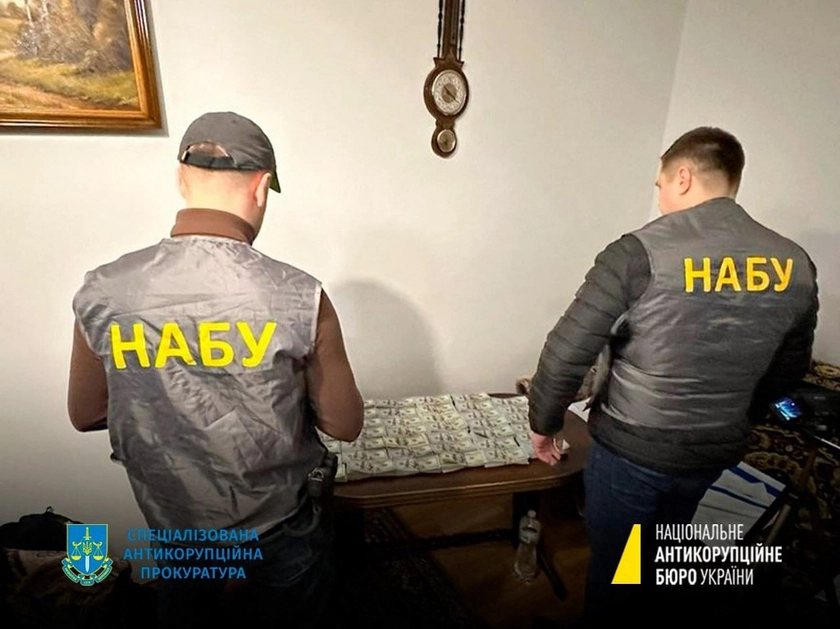
The ousted mayor has long been the subject of controversy – not only for his alleged Russian nationality and reported links with organized crime, which have been the subject of various investigations – but also because he was a thorn in the side of nationalist hardliners. He resisted the removal of historical monuments linked to Odesa’s past, as demanded by the Kyiv government, invoking the legal protection granted to the city’s historic center by UNESCO when it was registered as a World Heritage Site in 2024.
Among the monuments targeted by the “decolonization” law are statues of the Russian poet Alexander Pushkin, the famous writer Isaac Babel, the imperial governor Mikhail Vorontsov, and the French-born (but Russian officer) mayor Duke de Richelieu – all deeply cherished by Odesans.
Indeed, social media has been flooded with supportive comments from across Ukraine welcoming Zelensky’s decision, though many others have criticized the way it was carried out, expressing a preference for an electoral or judicial process instead.
Meanwhile, the city braces itself for winter and the risk of further blackouts and heating shortages caused by Russian drone attacks. Many residents are concerned about the prospect of an administration paralyzed by the lack of political leadership with the authority to manage both routine governance and emergencies.
Moreover, the current political vacuum also threatens international cooperation projects – most notably Patronage Odesa, launched by the Italian government under Giorgia Meloni, which includes humanitarian aid, economic development initiatives, and the restoration of cultural heritage sites. The new city leadership might seek to revise some of the decisions taken under Trukhanov’s administration.
A spy-hunter and crime-buster takes charge of Odesa
Finally, many citizens are asking who the newcomer Serhiy Lisak really is, as certain aspects of his biography remain unclear. At his first public meeting, he introduced himself as an Odesan, but according to the online newspaper Dumskaya.net, he was born 41 years ago in Uzhhorod, in the Zakarpattia region. His family later moved to Odesa, where he attended secondary school in the Khadzhibeysky district.
What is known is that he is a professional intelligence officer. As a member of the special forces, he took part directly in military operations in 2014, 2015 and 2017. Among his numerous decorations is the Cross of Valor for the investigation of an organized crime group in the Odesa region. This appears to be his particular expertise – the detection and dismantling of enemy spy networks and criminal organizations, of which the Black Sea port city has never been in short supply.
You can also highlight the text and press Ctrl + Enter