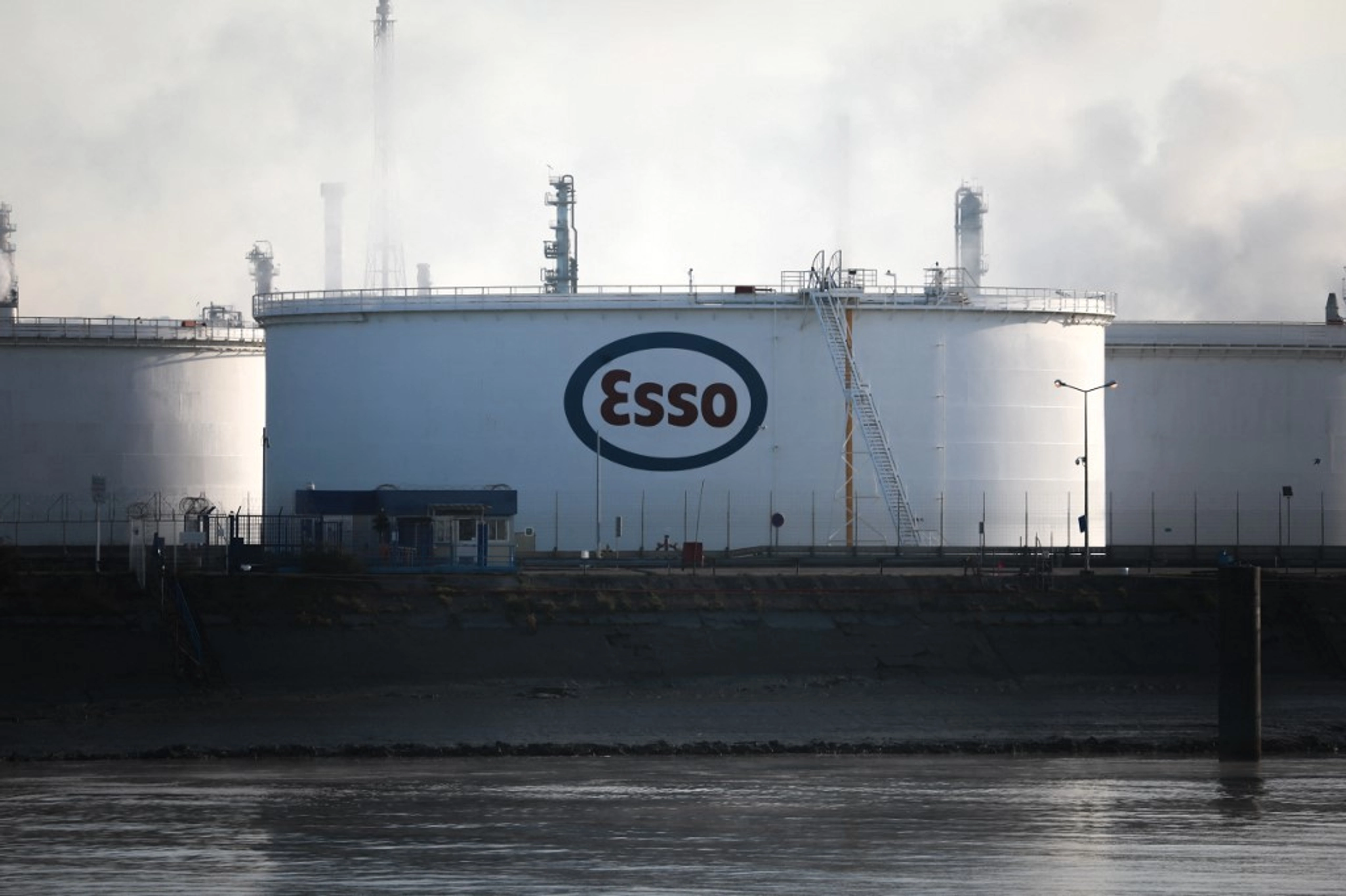
Ukrainian attacks on Russian refineries and Western sanctions are helping major oil companies in the US and Europe.
Profits from refining at ExxonMobil, Chevron, Shell, and TotalEnergies jumped 61% in the third quarter compared with the previous quarter, boosting overall profits by 20%, Reuters reported.
JOIN US ON TELEGRAM
Follow our coverage of the war on the @Kyivpost_official.
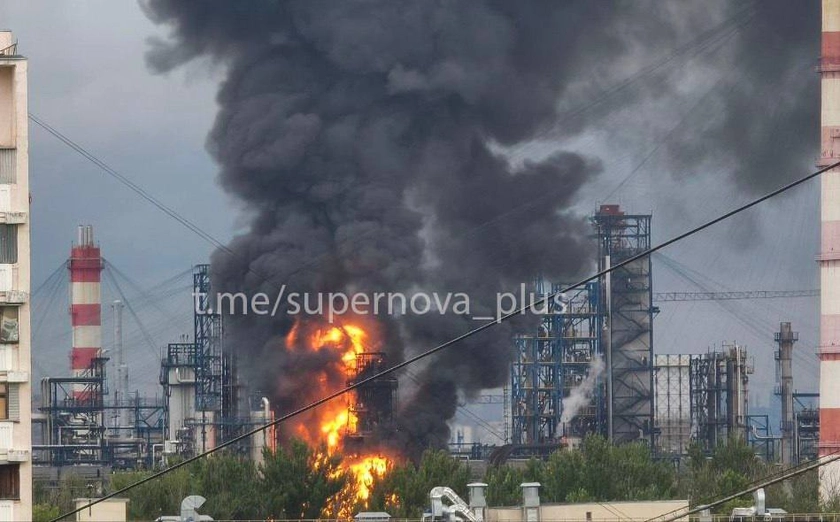
Drone attacks on Russian refineries and export terminals since July have cut daily petroleum product shipments by 500,000 barrels in September from this year’s peak.
Russia was exporting just 2 million barrels per day – its lowest level since the start of the war and the 2020 COVID-19 pandemic, according to Kpler, a data analytics firm that tracks global oil and gas shipments.
The disruptions have raised refining profits for the four Western companies, which together produce more than 10% of the world’s petroleum products, about 11 million barrels per day.
ExxonMobil said Friday its energy products unit profit rose more than 30% from the previous quarter to $1.84 billion due to global supply shortages.
BP, which will report quarterly results Tuesday, is in a similar position. The company, which sold its nearly 20% stake in Rosneft after the war began, now earns extra profits thanks to sanctions. Its refining margins rose 33% from the second quarter and remain high.
The situation is expected to continue. EU sanctions from July banning Russian petroleum products in Europe have already reduced output at Rosneft’s Indian refinery, which had shipped large volumes to Europe.

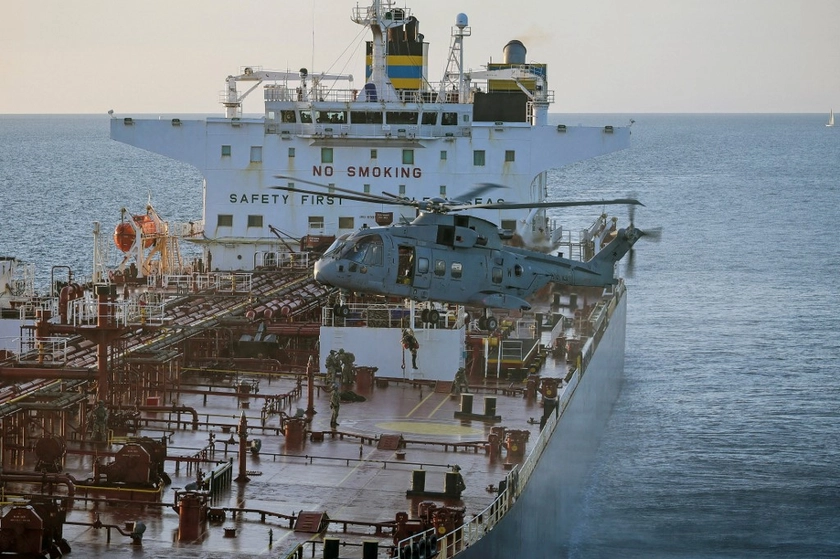
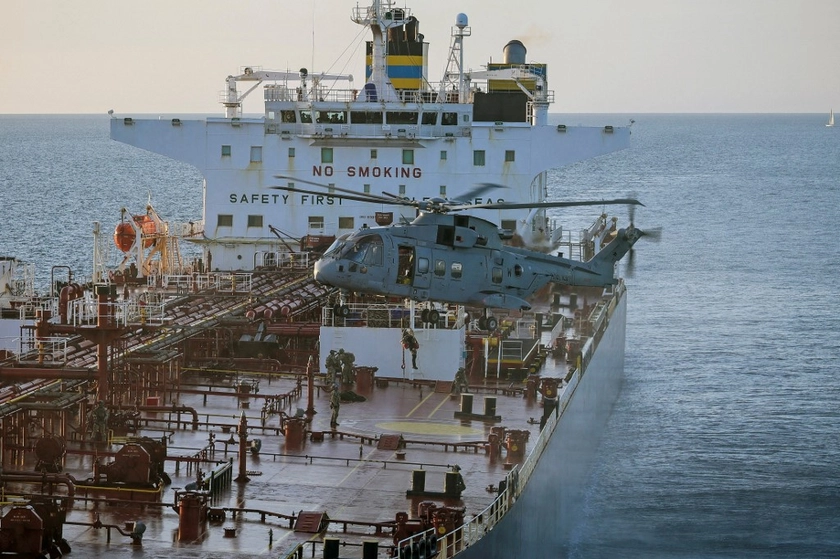
UK Charges Indian Captain of Suspected Russian Shadow Tanker Seized in Channel
European sanctions take effect in January and are expected to further raise demand for non-Russian fuel and crude. US sanctions on Rosneft and Lukoil in October have had a similar effect.
Analysts do not expect major oil price increases from Russian supply disruptions because the global market has a crude surplus. The International Energy Agency predicts a 4 million barrels-per-day surplus next year, about 4% of global demand.
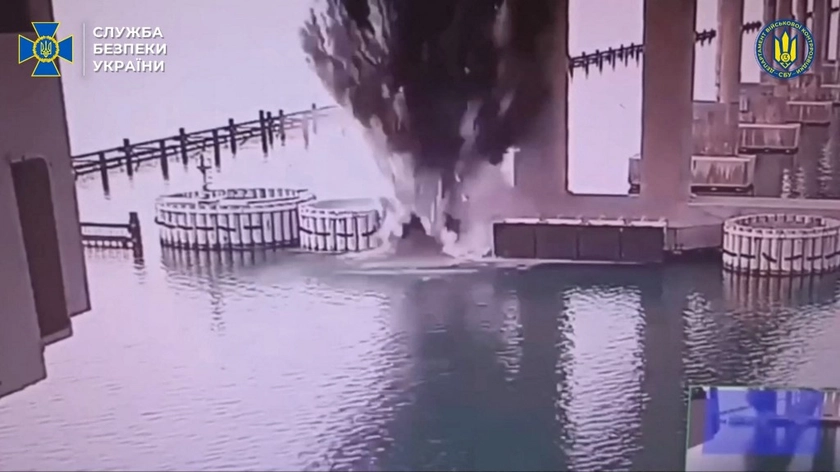
Ukraine has intensified its attacks on Russian energy facilities in recent months, using long-range drones to target refineries and storage depots deep inside Russian territory. Kyiv maintains that these operations cripple Russia’s capacity to bankroll its invasion.
Reports indicate that the administration of US President Donald Trump has supplied intelligence to help Kyiv target Russian oil sites in a covert effort to push Moscow into talks.
Zelensky said earlier that Ukraine’s strikes on Russian oil facilities have cut Moscow’s refining and fuel production by around 20-27%. Several refineries were damaged, forcing Russia to redistribute production across other plants.
Zelensky added that most strikes – 90-95% – deep inside Russia now use Ukrainian-made long-range weapons, with limited support from British Storm Shadow and French SCALP missiles. He said Ukraine will continue targeting facilities to weaken Russia’s war funding.
The Institute for the Study of War reported that by early October, about 38% of Russia’s refineries were offline, prompting fuel rationing in 57 regions, export bans, and imports from Belarus, China, and other countries.
Gasoline prices surged 2.58% in September alone, with annual fuel inflation hitting 12.7%, the highest in 14 years.
You can also highlight the text and press Ctrl + Enter

Only 11% of Europeans Now See US as Ally, Poll Finds
EU Moves to Ban Entry for Russian Troops