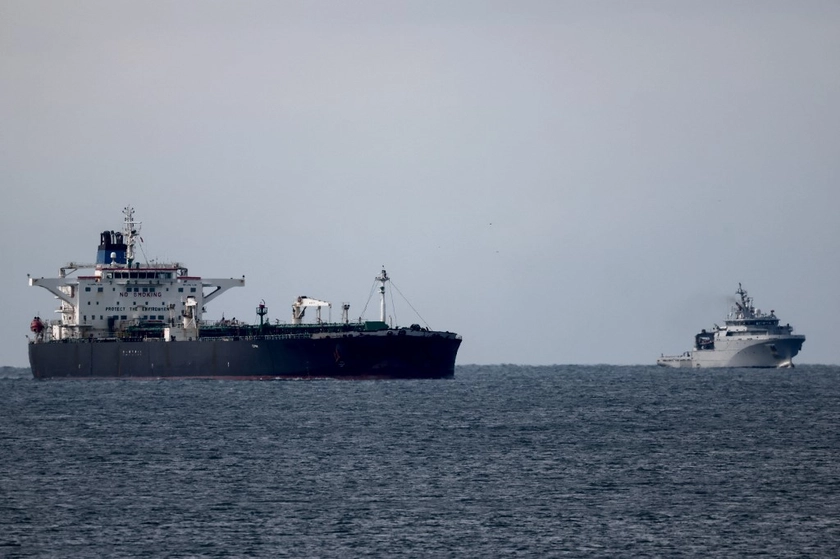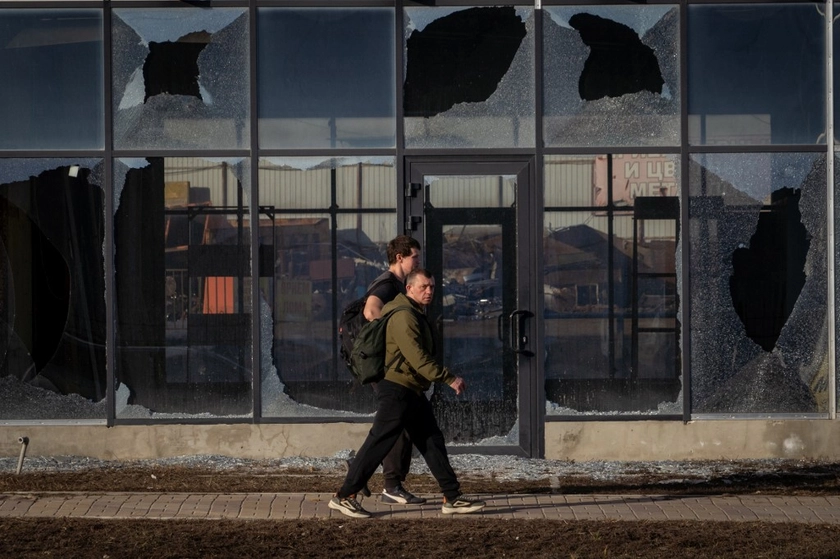
Russia’s exports of refined fuels have dropped to levels unseen since the war began, as the country’s energy trade is hit by a combination of shutdowns at major refineries and escalating Western sanctions, according to a report by Bloomberg on Oct. 30.
Citing Vortexa Ltd. figures, the outlet reported that overall seaborne oil product shipments amounted to 1.89 million barrels a day in the first 26 days of October, marking the lowest volume recorded since early 2022.
JOIN US ON TELEGRAM
Follow our coverage of the war on the @Kyivpost_official.
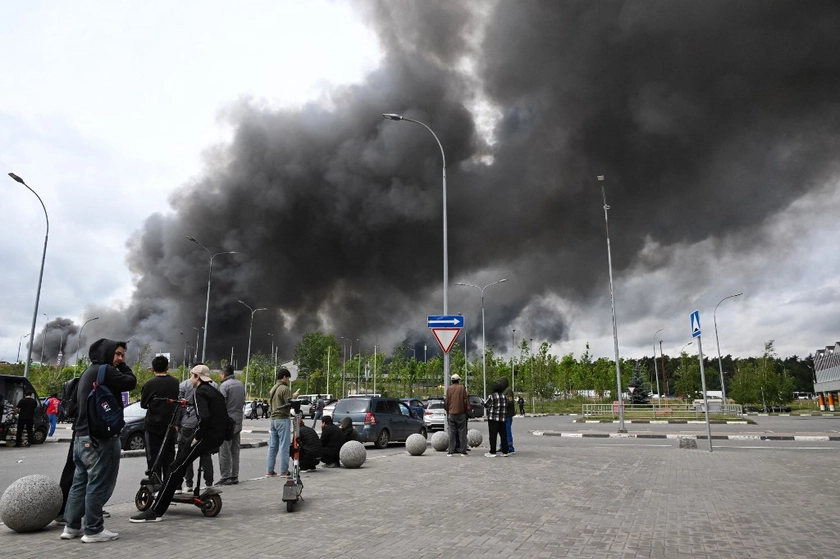
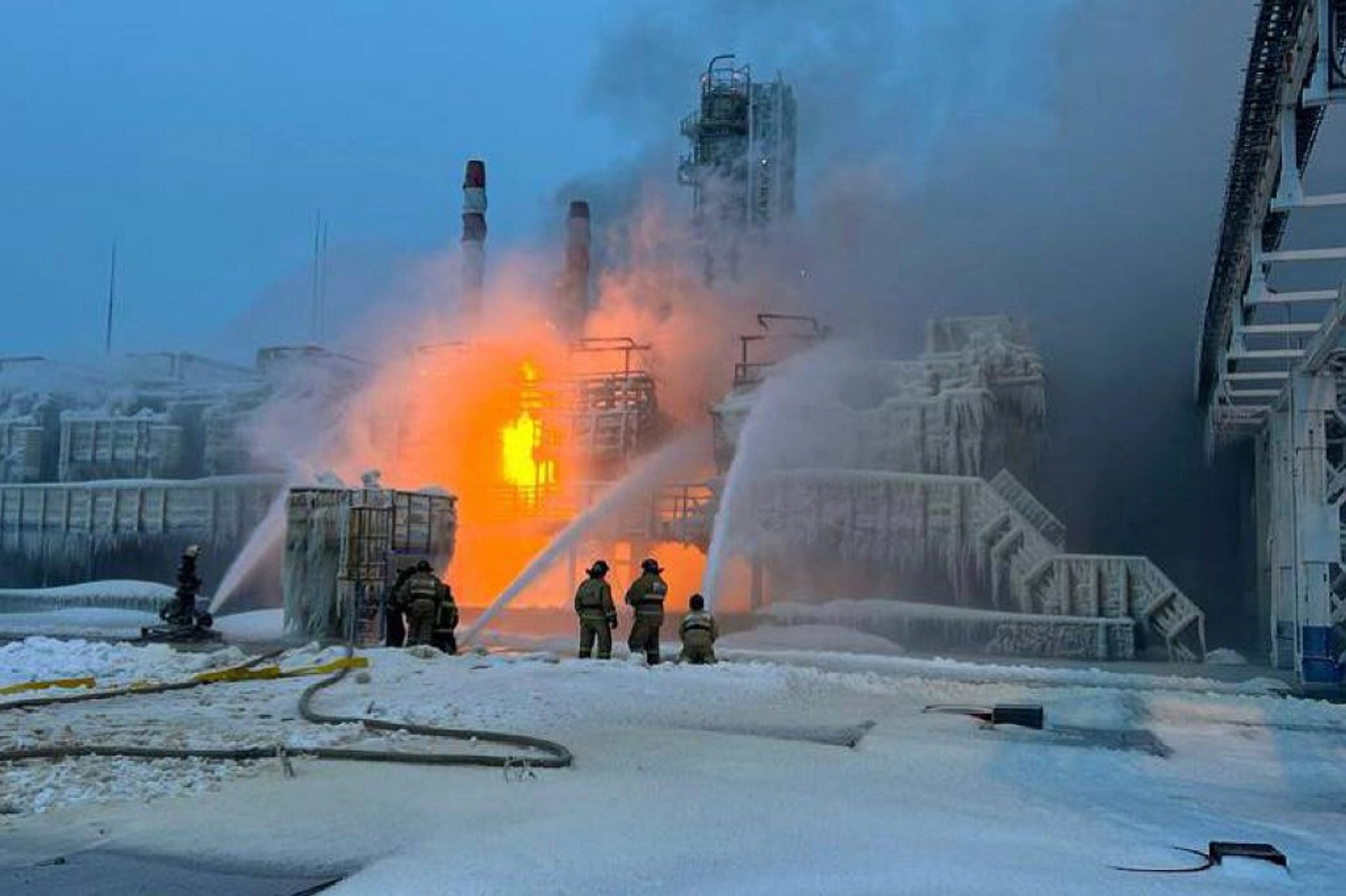
Although diesel exports edged higher, weaker loadings of naphtha and fuel oil – particularly from the Baltic ports affected by strikes on the Ust-Luga terminal – pulled overall shipments down. Bad weather may also have slowed port activity.
The drop represents a significant blow to Moscow’s efforts to stabilize energy revenues, which are the lifeblood of its war economy, accounting for some 25 percent of state income.
Ukraine has intensified its attacks on Russian energy facilities in recent months, using long-range drones to target refineries and storage depots deep inside Russian territory. Kyiv maintains that these operations cripple Russia’s capacity to bankroll its invasion.
Reports indicate that the administration of US President Donald Trump has supplied intelligence to help Kyiv target Russian oil sites in a covert effort to push Moscow into talks.
Last week, the US also imposed new sanctions on oil majors Rosneft and Lukoil, which are responsible for around 55 percent of Russian oil production.
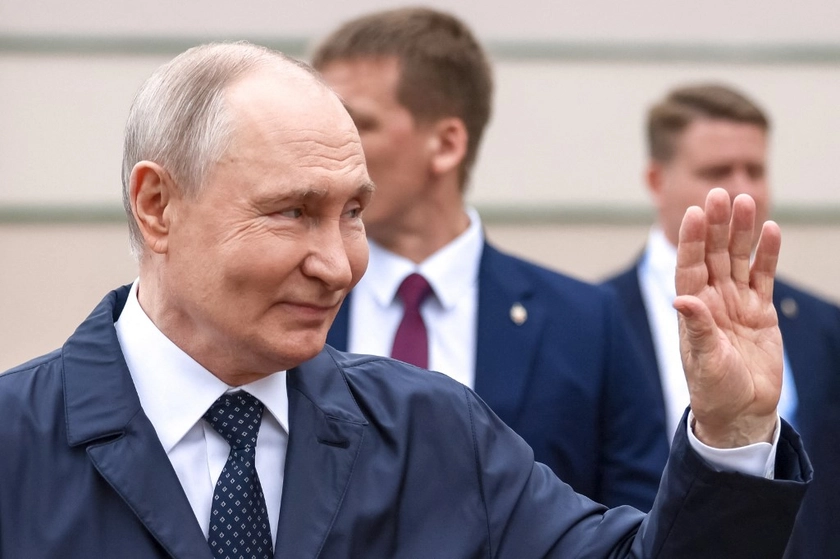
Decoding Putin
This has added complications for traders, who are forced to juggle payment routes and voyage timings ahead of a pressing Nov. 21 deadline.
For now, diesel shipments remain fairly stable, primarily going to nearby markets like Turkey and Africa where deliveries can occur before sanctions take full effect, Bloomberg reported.
Long-haul shipments of naphtha and fuel oil are more exposed to delays and thus more vulnerable, according to the outlet.
On Oct. 28, President Volodymyr Zelensky said that Ukraine plans to expand its long-range strike capabilities, hinting at future attacks deeper inside Russian territory and warning that Moscow’s oil industry will “pay even more” for the war.
The day before, he had said that Ukraine believes its strikes deep inside Russia have deprived it of more than 20% of its oil refining capacity, or 22-27% of its fuel.
On Oct. 23, EU ambassadors approved the bloc’s 19th set of sanctions on Moscow since the beginning of the full-scale invasion in 2022, effectively moving up the “shut-off” date for Russian gas deliveries to Europe by a year.
You can also highlight the text and press Ctrl + Enter