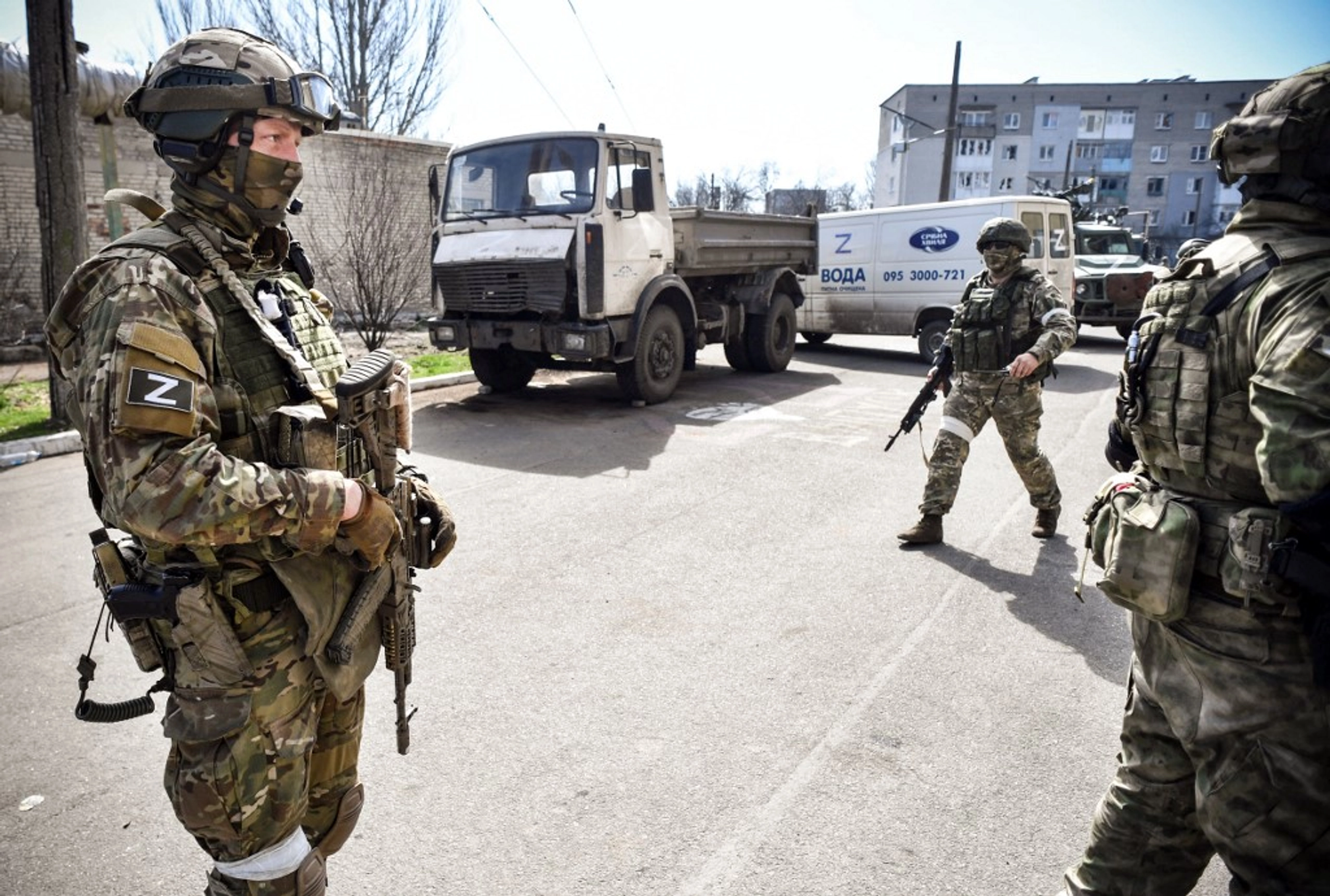
The EU is eyeing an entry ban against anyone who has served in the Russian Armed Forces since Russia’s 2022 invasion of Ukraine started as part of its latest sanction package.
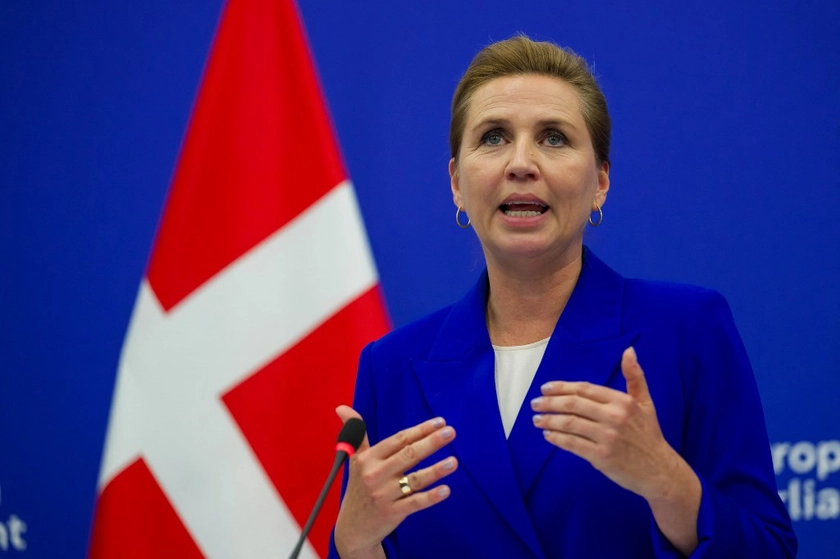
European Commission President Ursula von der Leyen announced the measures while presenting the EU’s proposed 21st sanctions package against Russia on Tuesday, adding that Moscow’s war effort is increasingly strained.
JOIN US ON TELEGRAM
Follow our coverage of the war on the @Kyivpost_official.
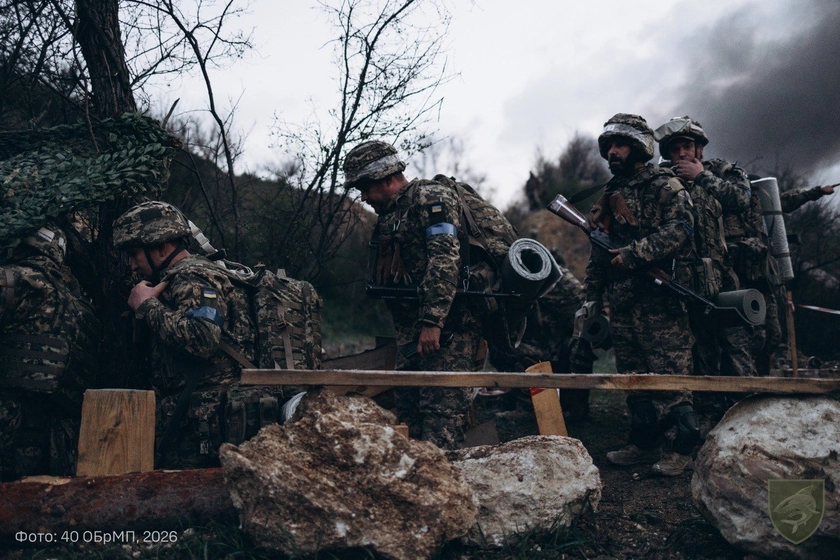
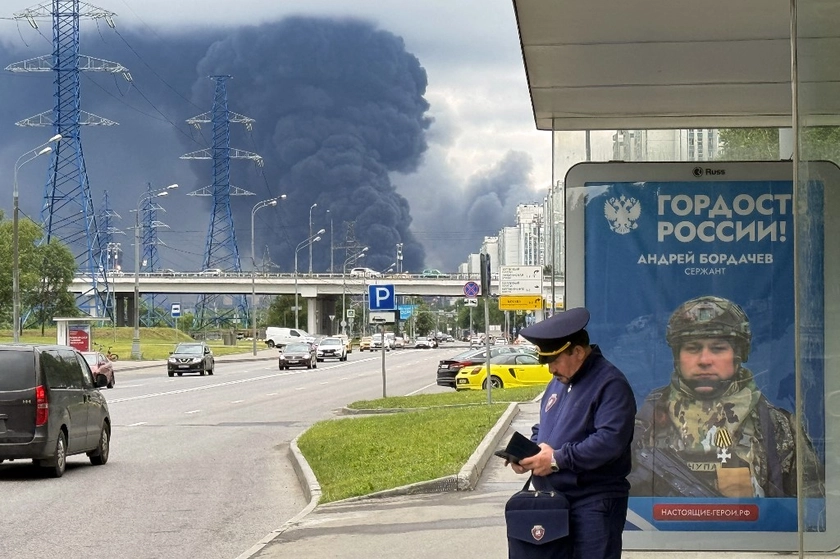
“For the first time, we propose to ban from entry into the EU anyone who has served in the Russian Armed Forces since the beginning of the war,” she said, adding that Europe should remain “off limits” to those who took part in the invasion.
In late April, reports suggested that the EU was considering restrictions on former Russian combatants. EU foreign policy chief Kaja Kallas said at the time that the bloc was preparing additional measures targeting those involved in the war.
Ukrainian Foreign Minister Andrii Sybiha welcomed the proposal, saying it sends a clear signal that participation in Russia’s war carries consequences beyond the battlefield.
“By signing a contract to fight a criminal war of aggression against Ukraine, they also sign an entry ban to Europe,” he wrote on X.
Sybiha added that the measure is “fair,” arguing that those who “fight a war to harm Europe and European states” should not be allowed to travel there. He also urged all EU member states to back the proposal.
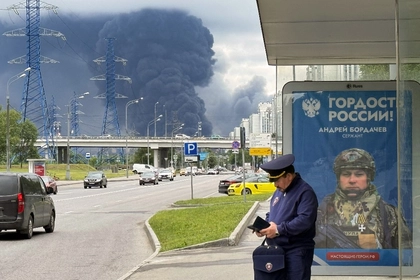
Ukrainian Missile Campaign Now Reaches Across Half of Russia
Energy, shadow fleet, and banks targeted
The proposed package also targets Russia’s energy sector, which remains a key source of funding for the Kremlin’s war effort.
Brussels is seeking to freeze the current Russian oil price cap until January 2027 rather than allowing it to rise automatically with market changes.
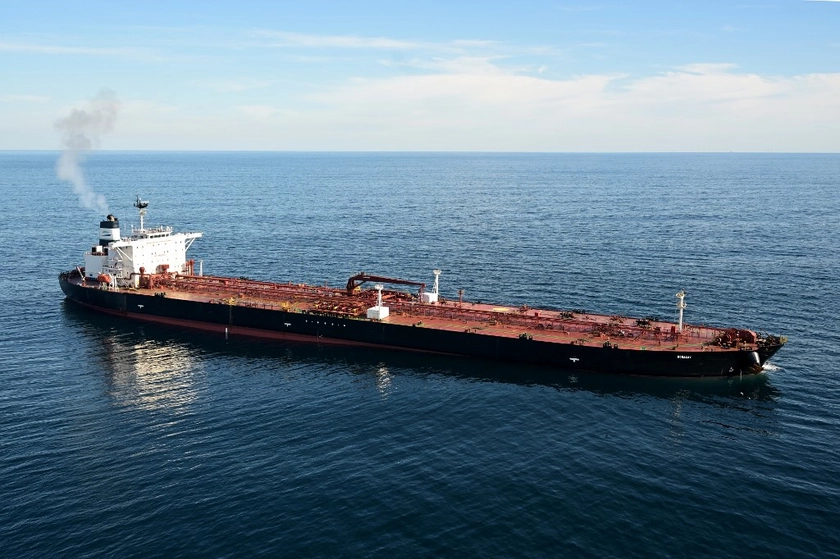
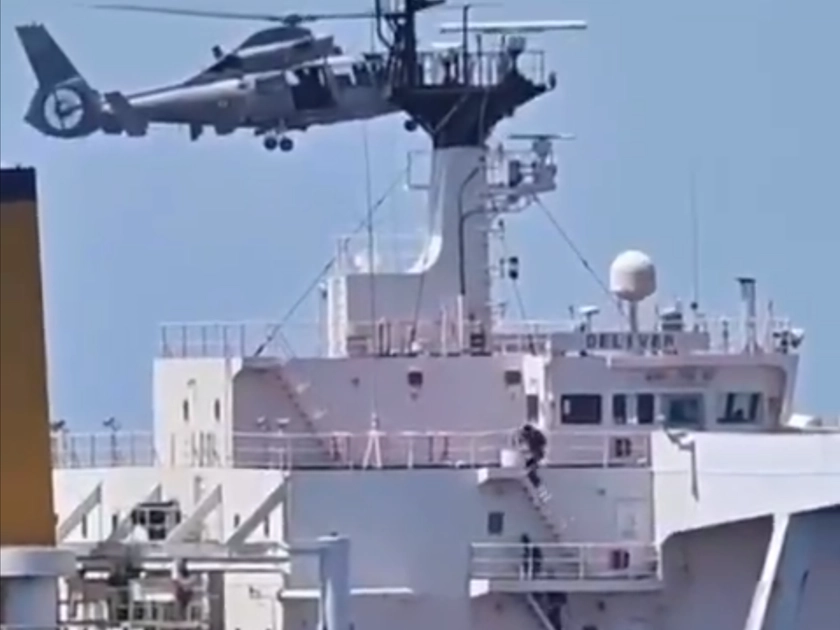
The commission is also proposing sanctions against 30 additional vessels linked to Russia’s shadow fleet, bringing the total number of sanctioned ships to more than 660.
For the first time, the EU would also target vessels and companies that provide support services to the shadow fleet, including refueling and logistics assistance.
Additional measures target ports, airports, refineries, and other infrastructure involved in handling Russian oil, as well as restrictions on the sale of liquefied natural gas (LNG) tankers to Russia.
Restrictions expanded
The financial component of the package would expand transaction bans to 31 more Russian banks and impose restrictions on 20 foreign banks, crypto platforms, oil traders, and financial entities accused of helping Russia circumvent sanctions.
The commission is also seeking authority to impose a full ban on crypto-asset services from third countries that assist sanctioned Russian entities.
On trade, the package introduces new export controls on technologies and materials used by Russia’s defense industry, including metals and alloys critical for aerospace and weapons production.
Additional restrictions would target equipment used in drone operations.
For the first time, the EU is also proposing sanctions on parts of Russia’s fishing industry, including restrictions on imports of Russian fish and a full ban on some categories, such as cod.
Support for Ukraine
Von der Leyen said that existing sanctions are weakening Russia’s economy, citing Russia’s falling energy revenues, pressure on Moscow’s federal budget, shrinking reserves, and growing difficulties in obtaining key technologies.
She also highlighted nearly €3 billion ($3.4 billion) in recent funding through the Ukraine Facility initiative, along with plans to provide additional support for drones, defense, and macro-financial assistance later this month.
She confirmed that the EU is preparing to open the first accession negotiation cluster with Ukraine and Moldova in the coming days after Budapest lifted its vetoes, paving the way for the launch of Cluster 1 in both countries’ accession talks.
You can also highlight the text and press Ctrl + Enter