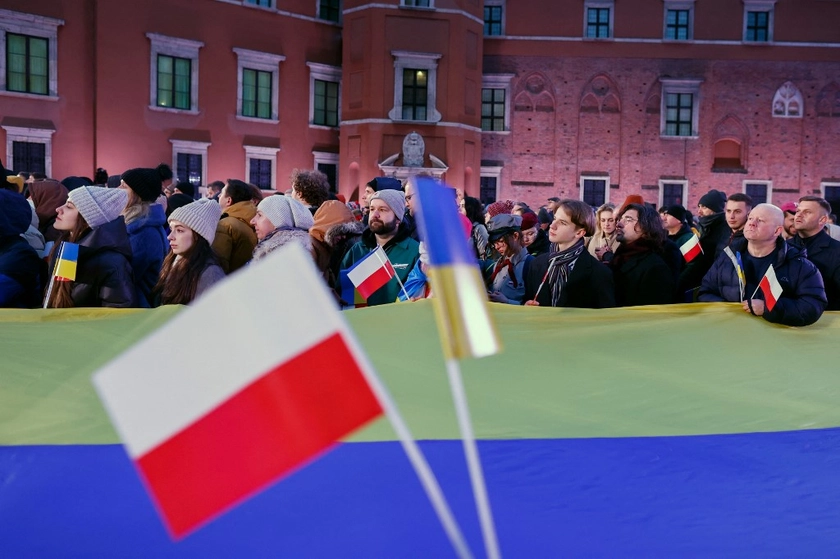
Despite growing cooperation in the economy and security, Polish-Ukrainian relations have remained stuck in a prolonged political stalemate. The political climate between the two capitals has not improved even after the end of Poland’s presidential campaign.
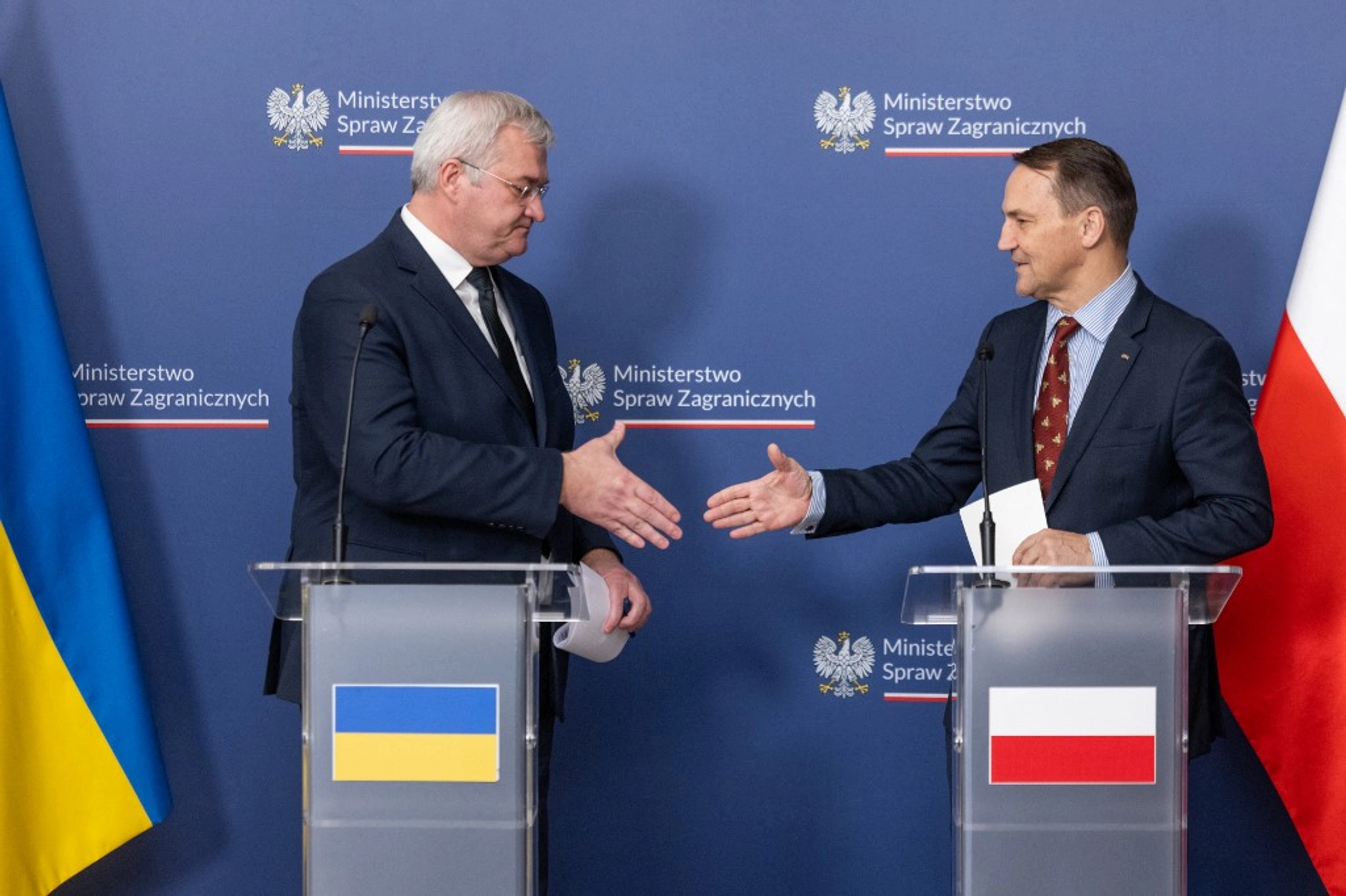
In late November 2024, the foreign ministers of Poland and Ukraine, Radosław Sikorski and Andriy Sybiha, signed a joint statement. The document condemned Russia’s aggression, reaffirmed support for Ukraine’s armament and sanctions, and outlined areas of cooperation in reconstruction and historical dialogue.
JOIN US ON TELEGRAM
Follow our coverage of the war on the @Kyivpost_official.
Beyond its symbolic dimension, the declaration included several tangible commitments – such as the opening of the first EU-Ukraine negotiation cluster, Poland’s participation in Ukraine’s reconstruction, and cooperation on the exhumations of Volhynia massacre victims.
Economic cooperation without political breakthrough
The first EU-Ukraine negotiation cluster was expected to be launched during Poland’s EU Council presidency in the first half of 2025. This has not happened – though not because of disagreements between Warsaw and Kyiv.
Economic relations, however, are faring much better. Poland remains Ukraine’s second-largest supplier of goods, after China. Trade and services are developing despite the risks associated with war – sectors with the lowest risk remain most active. Polish companies are heavily investing in real estate, which does little to support innovation and sustainable growth. Over time, these firms may be displaced by investors from wealthier EU states. Overall, the economic outlook remains positive and full of potential.
Syrsky: Russian Maps Show False Advances to Please Top Command
In mid-November, Warsaw will host the ReBuild Ukraine conference, following earlier editions in Rome and Berlin – a sign of Poland’s continuing role in Ukraine’s reconstruction debate.
The delicate question of history
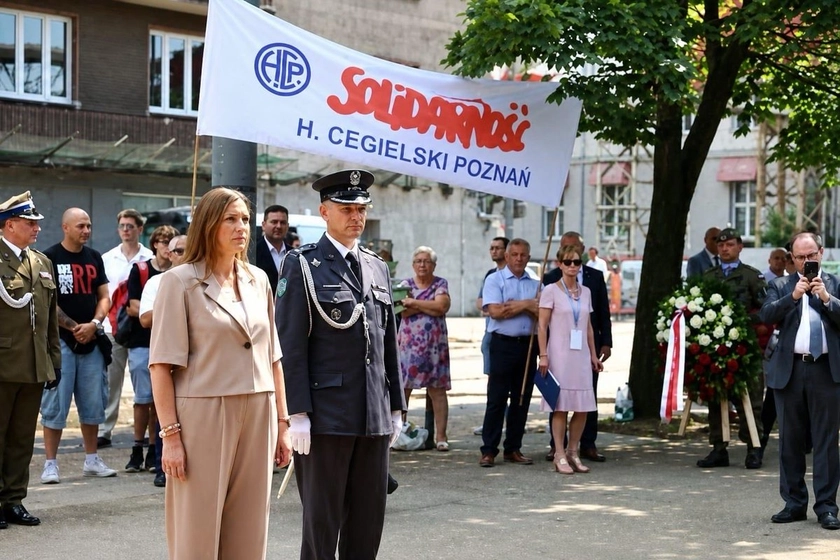
Historical issues remain the most sensitive topic in Polish-Ukrainian relations. In 2025, exhumation work was carried out at two sites, with one more recently approved. According to Kyiv Post sources, further permissions may soon follow.
Still, many in Poland – including politicians – are dissatisfied with the slow pace of progress. Several Polish applications remain pending, even though most concern areas outside active war zones. Ukrainian diplomats argue that the process, though gradual, has resumed after years of stagnation and deserves recognition.
Although consensus in Polish politics is rare, policy toward Ukraine and Russia remains one of its few constants.
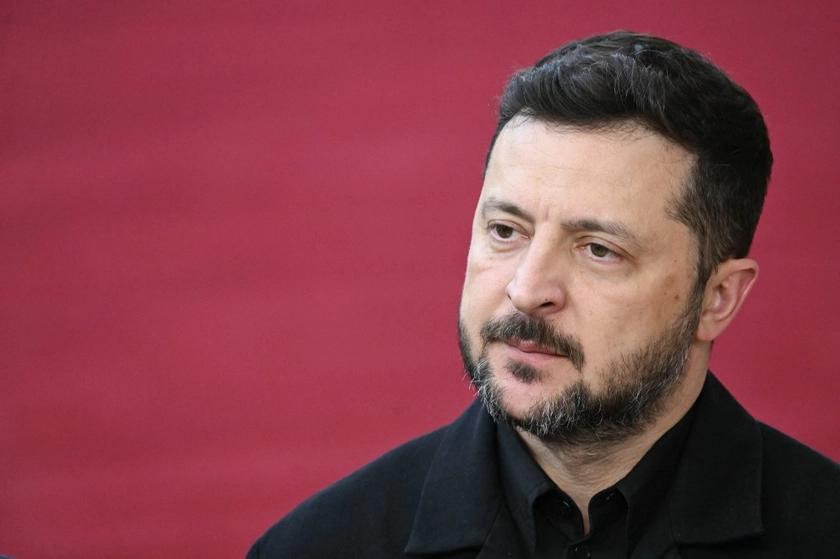
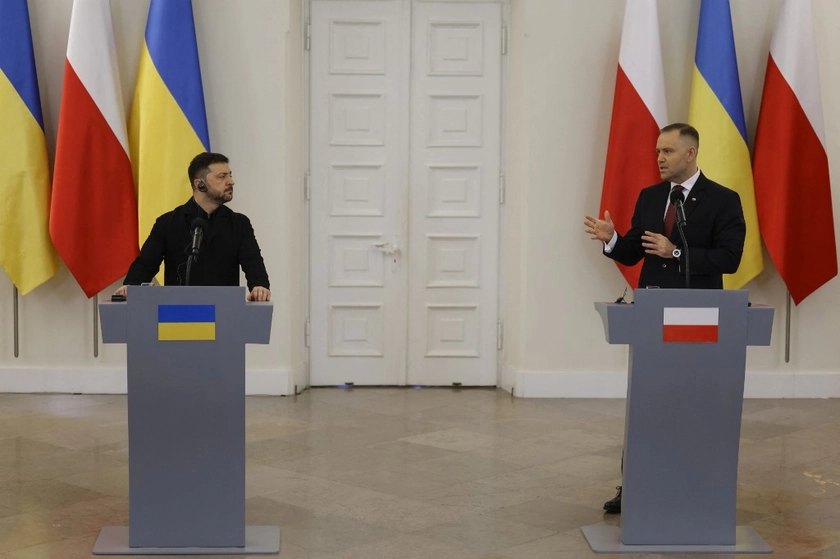
No meeting between Presidents Nawrocki and Zelensky
Karol Nawrocki assumed the presidency of Poland on Aug. 6, 2025. Since then, he has spoken with President Volodymyr Zelensky only by phone. Despite mutual declarations of willingness to meet, no visit has taken place so far.
Nawrocki vetoed a law on aid for Ukrainians, forcing the Tusk government to make only minor adjustments. This move is seen as part of his campaign rhetoric, emphasizing a tougher stance toward Kyiv and domestic political calculation.
In Poland, public sentiment increasingly reflects the belief that Ukraine has not reciprocated Poland’s extensive support. Although data show that Ukrainian refugees have boosted the Polish economy and labor market, historical disputes dominate the rhetoric coming from the Presidential Palace. Some figures from the ruling party suggest that a visit to Kyiv could be perceived by parts of Polish society as political weakness.
A needed political gesture
President Nawrocki’s first foreign visit was to the United States, where he met with Donald Trump – a meeting widely seen in Warsaw as a diplomatic success. A similar symbolic gesture is now expected toward Ukraine – for instance, granting approval for all pending Polish exhumation requests in western Ukraine. Such a move could improve Polish public opinion and strengthen Nawrocki’s political position in relations with Kyiv.
This may also be the right time for such gestures, as the nationalist Confederation party – critical of Ukraine – could become a coalition partner in Poland’s next government.
Symbolism and gestures carry great weight in Polish politics and society. Most political groups agree that Poland should not “write Ukraine’s history,” and there is broad acceptance of different interpretations of the past. This leaves room for pragmatic cooperation.
However, Kyiv Post sources indicate that Ukrainian officials do not feel treated as equal partners. They also emphasize that, amid the threat to Ukraine’s energy infrastructure and the difficult situation on the front, President Zelensky cannot devote much attention to symbolic matters.
Cautious optimism
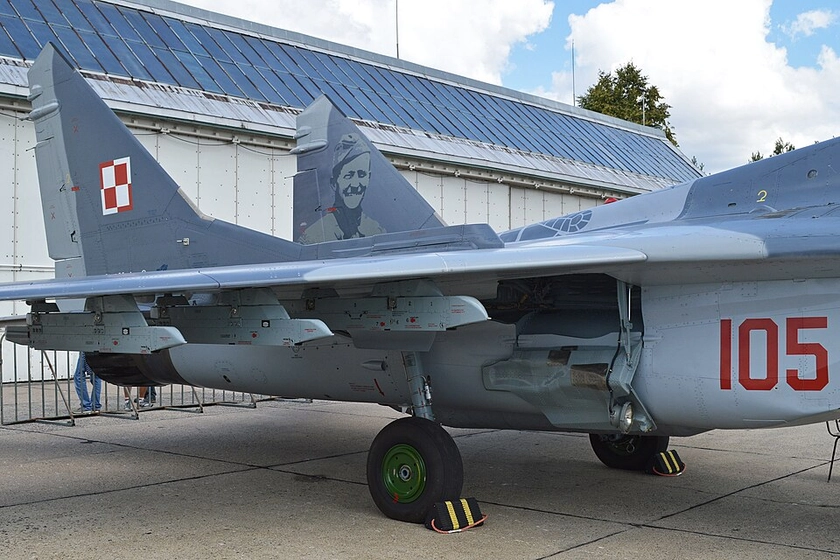
Although consensus in Polish politics is rare, policy toward Ukraine and Russia remains one of its few constants. Across party lines, Poland continues to strengthen its military, support Ukraine, and maintain a firm stance toward Moscow. The closure of several Russian consulates – and Moscow’s reciprocal actions – shows that Warsaw’s position toward the Kremlin remains resolute. Kyiv Post sources suggest that further measures against Russia may follow.
Despite mutual misunderstandings and frustrations, Polish-Ukrainian cooperation – both economic and military – continues to develop. A meeting between the two presidents could symbolically break the stalemate, but such a gesture may still be some time away.
The views expressed in this opinion article are the author’s and not necessarily those of Kyiv Post.
You can also highlight the text and press Ctrl + Enter