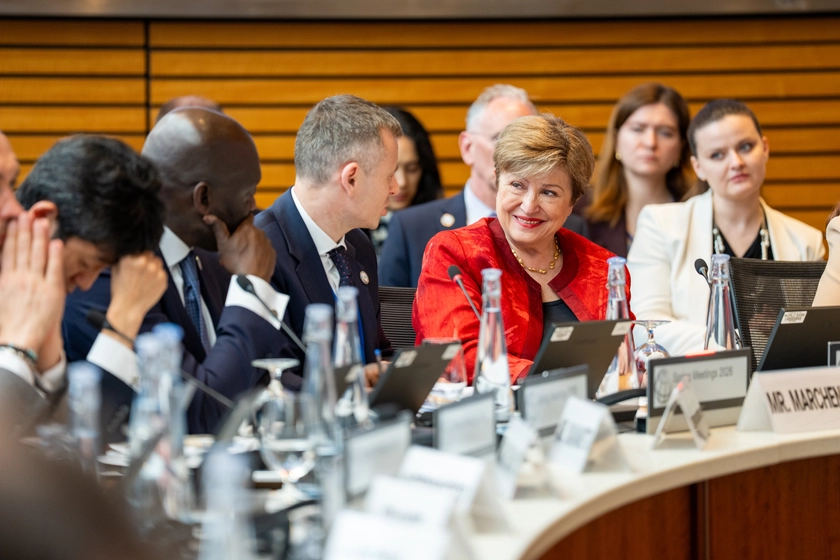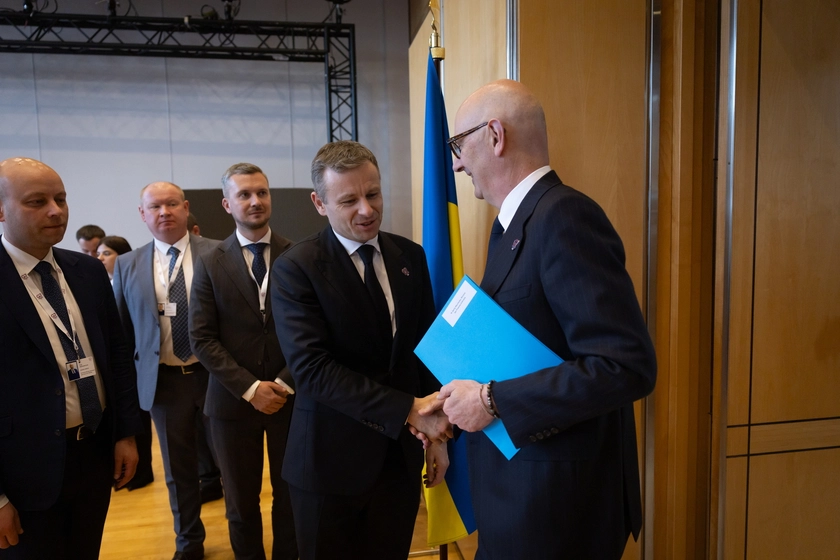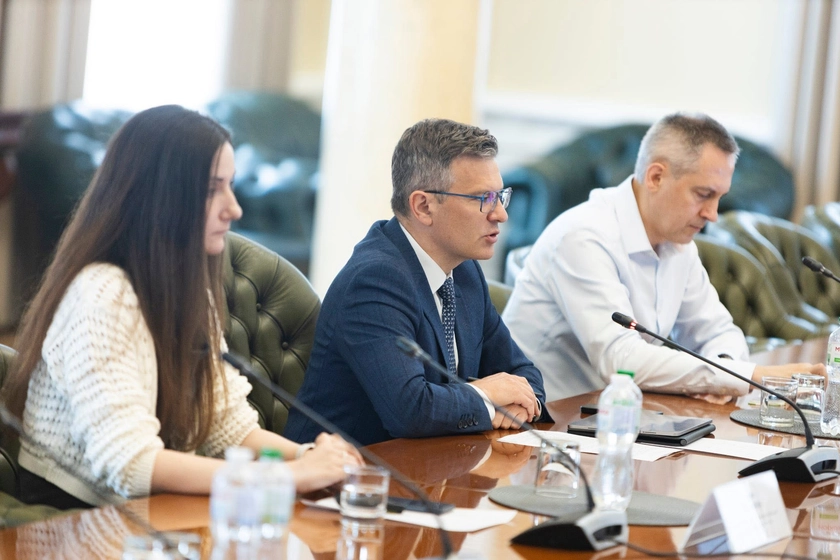
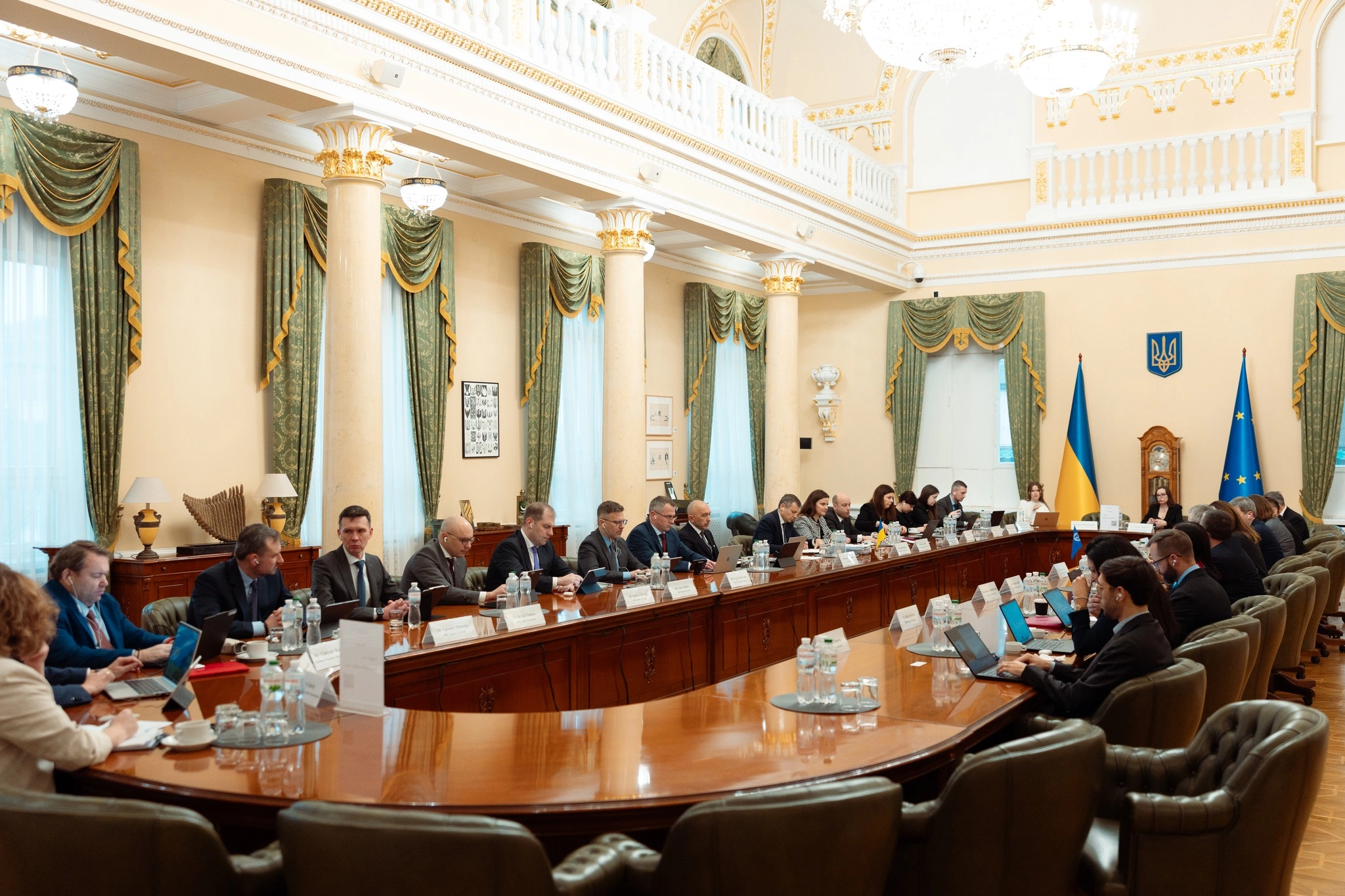
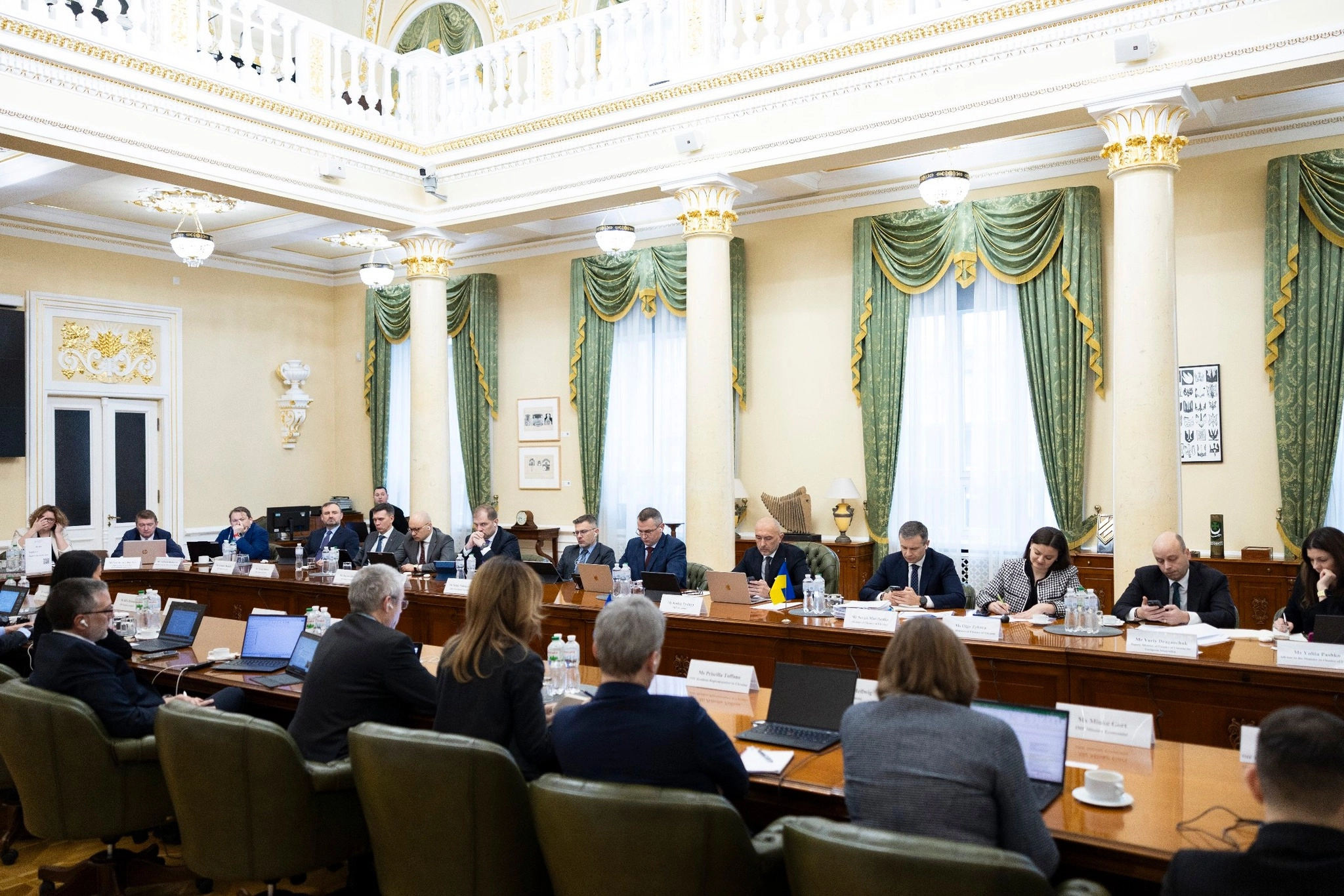
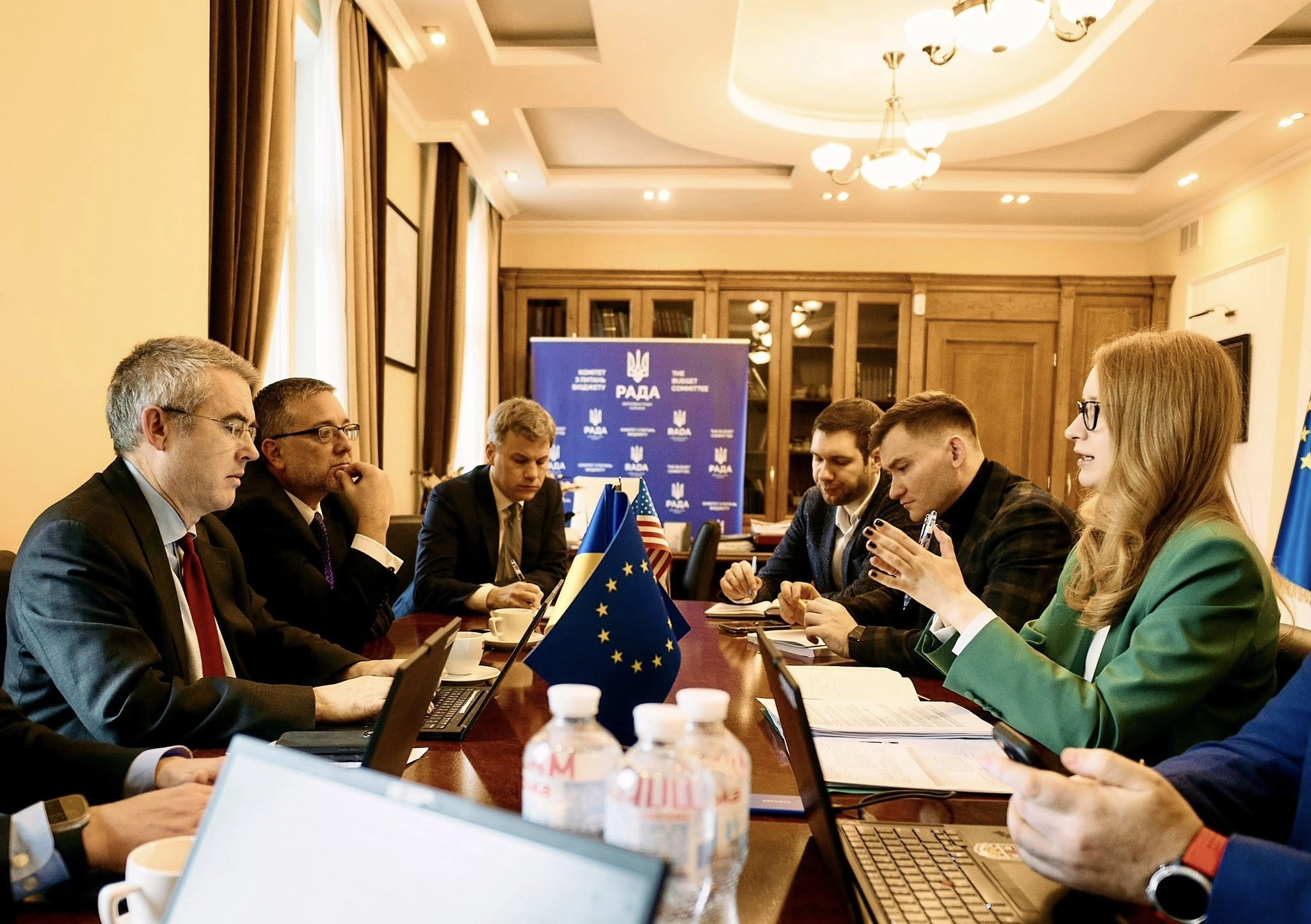
The International Monetary Fund (IMF) mission started policy discussions in Kyiv on Monday as Ukraine seeks approval for a new Extended Fund Facility program.
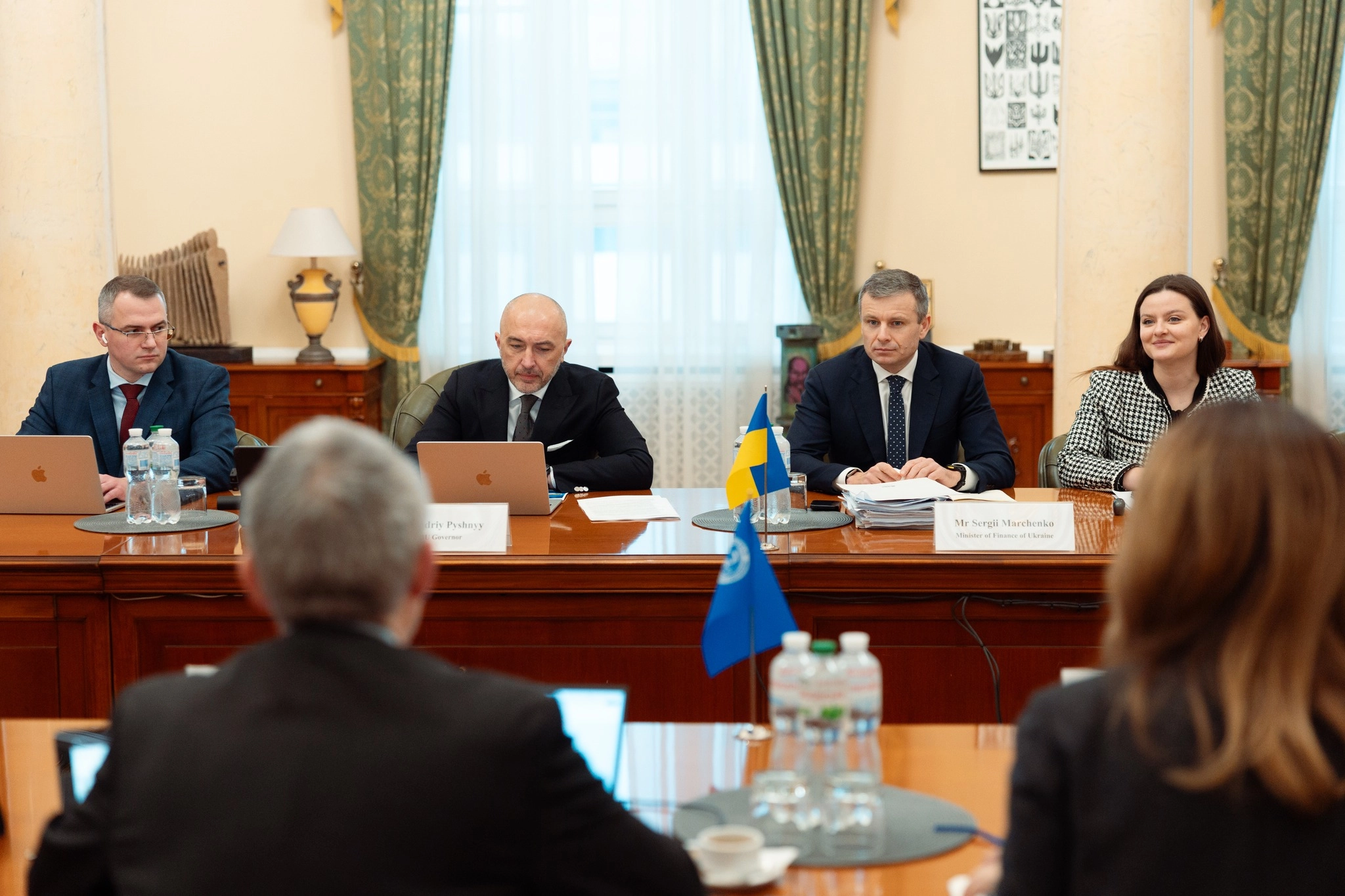
The fund’s representative have already met with Ukraine’s lawmakers, the Ministry of Finance of Ukraine and Ukraine’s central bank, the National Bank of Ukraine (NBU) top management.
JOIN US ON TELEGRAM
Follow our coverage of the war on the @Kyivpost_official.
Ukraine is now seeking a second IMF loan, as earlier financing plans assumed the war would end in 2026, while Russia’s invasion has entered its fourth year with no sign of stopping.
The existing macrofinancial programs – the current EFF program, the EU’s Ukraine Facility, and the Extraordinary Revenue Acceleration (ERA) loan are due to expire in 2026-2027, and partners have yet to outline new support.
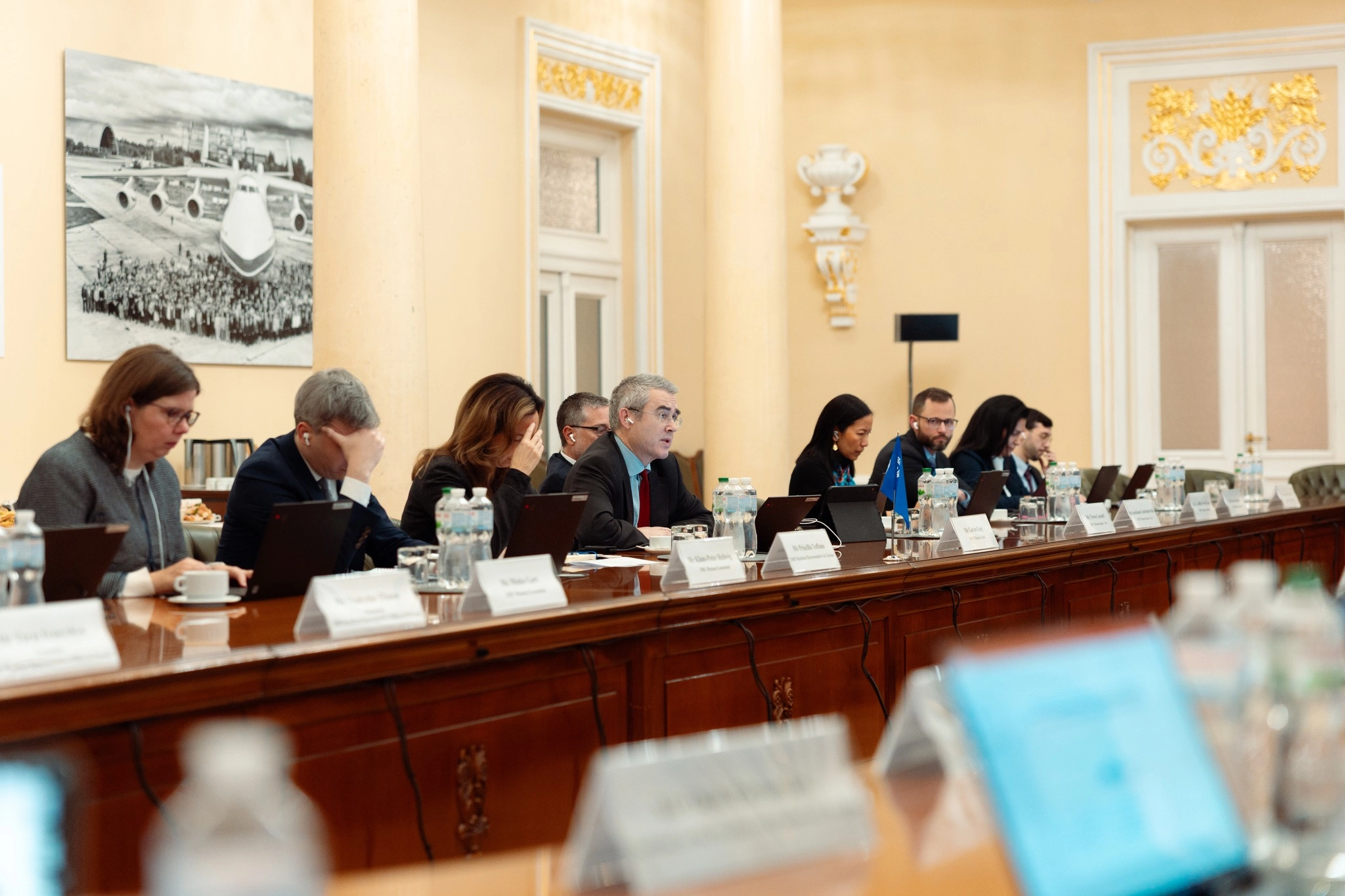
“An IMF mission, led by Gavin Gray, starts policy discussions today in Kyiv with the Ukrainian authorities on their request for a new Extended Fund Facility (EFF),” the press release quotes IMF Resident Representative Priscilla Toffano.
“The discussions will cover the authorities’ economic policy objectives, with a focus on fiscal and monetary policies to promote stability amidst continued exceptionally high uncertainty, and structural policies to strengthen governance, combat corruption and enhance growth.”
The size of a new facility has not been agreed on, though early estimates put it near $8 billion, Bloomberg reported in September.
Russia’s Small Businesses Pay the Price of Spiraling Ukraine War
According to Kyiv School of Economics estimates, Ukraine faces mounting fiscal pressure as Russia shows it is not going to end its prolonged war, leaving the government with a projected budget deficit of about $46.3 billion next year and a financing gap of roughly $17.7 billion even after expected IMF, ERA and EU funds.
Defense spending remains elevated at around $73 billion a year, while debt is set to approach 100% of GDP by the end of 2026.
Ukraine’s policymakers warn that prolonged fighting risks undermining macroeconomic stability unless fresh external financing is secured.
Ukraine spends around 60% of its budget on the war effort against Russia and depends heavily on Western allies to cover social wages, public sector salaries, and humanitarian programs.
Previously, the IMF said that its growth projections for Ukraine “have indeed been dented” by Russia’s continued attacks on energy infrastructure and civilian targets – putting Ukraine’s real GDP growth at 2% for 2025 and 4.5% for 2026.
The figures are broadly in line with the National Bank of Ukraine’s 2.1% forecast and independent projections from local think tanks and investment banks, which range from 2% to 2.6%.
In March 2023, the IMF approved a four-year Extended Fund Facility program for Ukraine, worth around $15.6 billion. More than $10 billion from this program has already been disbursed to Ukraine.
You can also highlight the text and press Ctrl + Enter