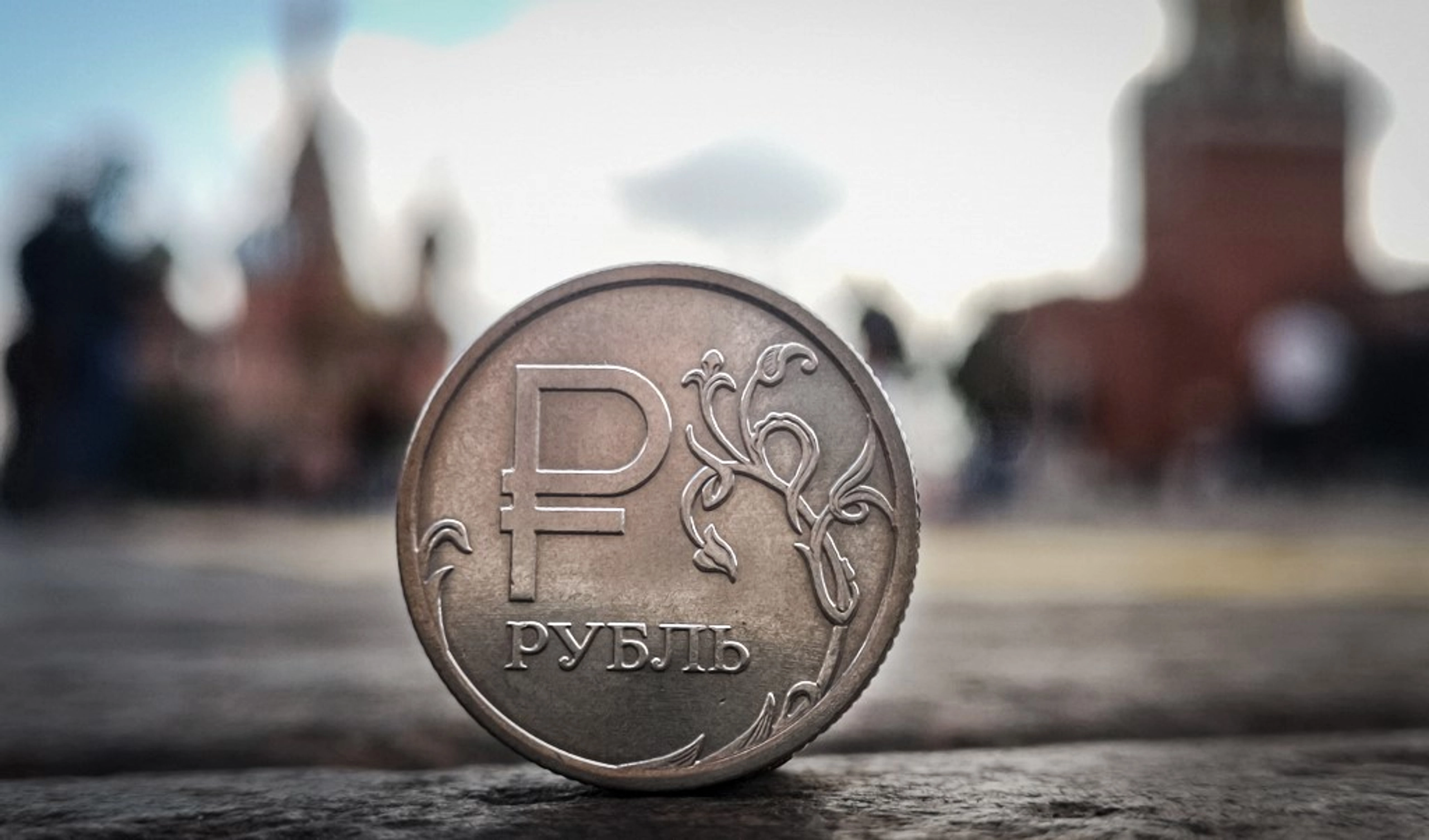
The Russian economy has effectively reached a standstill, with Moscow financing its war against Ukraine by draining domestic resources and sacrificing the civilian sector, Ukraine’s presidential representative on sanctions policy, Vladyslav Vlasyuk, told Kyiv Post on Friday.
Vlasyuk said the key factor shaping Russia’s economic outlook is the sharp decline in oil and gas revenues – the Kremlin’s primary source of funding.
JOIN US ON TELEGRAM
Follow our coverage of the war on the @Kyivpost_official.
“From January to May, Russian budget revenues from oil and gas remained 30% lower than a year earlier. Even favorable external conditions and temporary price spikes did not help,” Vlasyuk said.
He added that tensions around the Strait of Hormuz briefly pushed global oil prices higher, lifting Russia’s export revenues above $20 billion per month. However, the effect faded almost immediately once maritime traffic resumed.
According to Vlasyuk, MarineTraffic data showed shipping through the strait recovering rapidly. While no vessels passed on June 17, 10 tankers departed and 11 entered on Monday, and by Thursday, 17 tankers had left the Persian Gulf.
The recovery in logistics quickly eased pressure on global markets and drove oil prices lower.
As of Friday, Russian Urals crude had stabilized at $58.83 per barrel, Vlasyuk said.
“In the 2026 budget, the Kremlin set oil at $59 per barrel, but that assumption was overly optimistic. The budget deficit in the first half of 2026 reached 6 trillion rubles [$77 billion], which is 60% higher than the entire annual target,” Vlasyuk said.
Fuel Shortages: A Turning Point in Russia’s War?
Military spending
He also said military spending is increasingly crowding out all other budget priorities.
In the first quarter alone, defense spending reached 5.9 trillion rubles ($75 billion) – accounting for 48% of total state spending. This figure could rise to 18 trillion rubles ($229 billion) by the end of the year, with roughly 75% of tax revenues now directed toward defense.
“To cover these gaps, Russia is borrowing more and more expensively on the domestic market. Domestic public debt has already risen to 32.4 trillion rubles [$340 billion],” Vlasyuk said.
He added that placements of OFZ government bonds rose 54% year-on-year, despite weak demand. The latest auction was even canceled, while yields have climbed to around 16%.
According to Vlasyuk, the state’s need to borrow at such high interest rates reflects severe liquidity shortages and mounting financial risks. International sanctions have effectively cut Russia off from external borrowing.
“All this indicates that the Russian economy is effectively in a dead end. The war is being financed exclusively through the depletion of domestic resources and the destruction of the civilian sector, while financial stability is rapidly eroding – 56 Russian regions are already running deficits,” he said.
Vlasyuk said the Kremlin is still able to sustain its war machine, but only at the cost of what he described as the “irreversible destruction” of Russia’s financial system.
“Under these conditions, further restrictions on oil revenues remain the most effective tool for pushing the aggressor’s economy toward inevitable collapse. The only real way to stabilize Russia’s economy is to stop spending on the war,” he said.
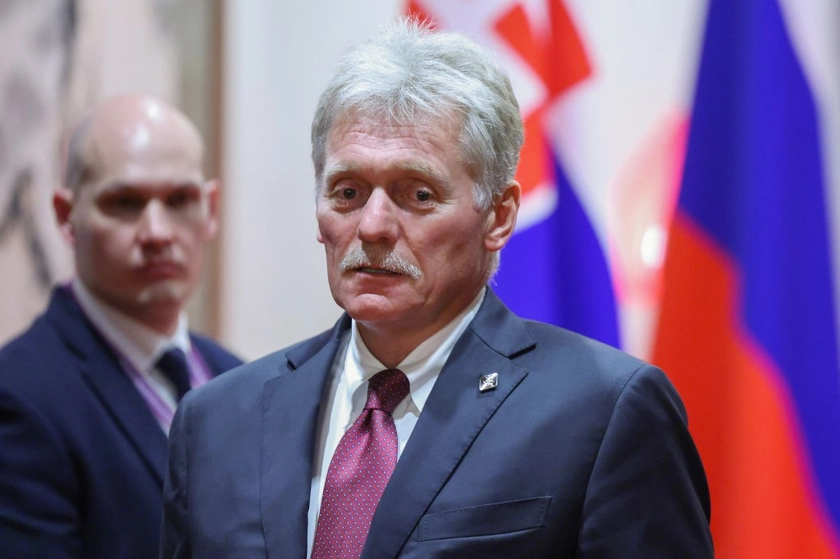
The Kremlin insisted that Russia’s economy remains stable in a recent comment, with its spokesperson Dmitry Peskov saying the economy has undergone a structural shift away from reliance on energy revenues and dismissing concerns over fiscal stability.
“The stability of the Russian economy is secured, macroeconomic stability is absolutely secured, and this is not a matter of doubt for anyone,” Peskov told reporters, adding that global energy volatility affects all countries but does not threaten Russia’s fundamentals.
However, Russia’s budget and markets point to a growing strain.
After a brief oil price surge following the outbreak of the Iran war, with Urals crude reaching nearly $120 per barrel, prices have since fallen, cutting into energy income.
The MOEX index dropped more than 4% on Monday, hitting a three-year low and extending a 15-week decline, following a recent Central Bank rate cut that signaled prolonged tight monetary conditions.
Russian President Vladimir Putin said Ukraine was attempting to “divide society” and disrupt tourism through strikes on energy infrastructure, framing the attacks as psychological rather than economic pressure.
Peskov argued that rising non-oil revenues are helping offset volatility in energy markets.
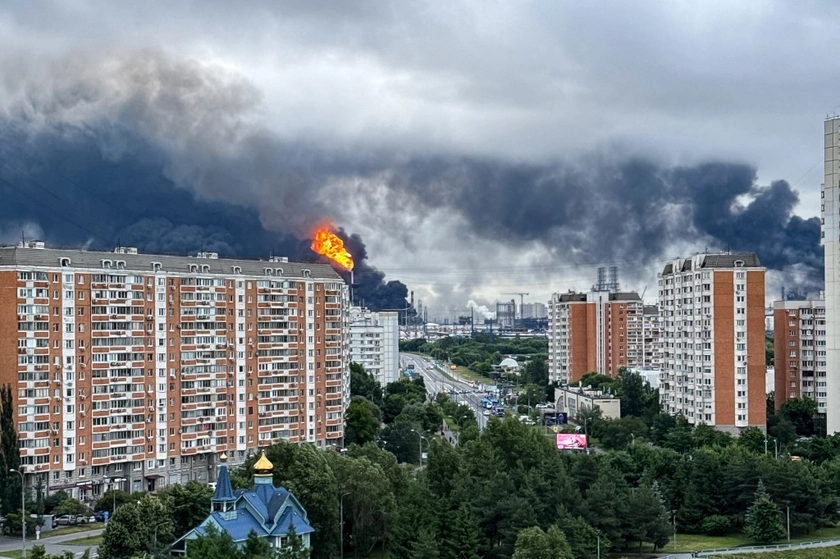
At the same time, inflation and fuel shortages are increasing pressure inside Russia. Ukrainian strikes on refineries and fuel infrastructure have forced rationing in parts of the country, with at least 25 regions reporting disruptions and occupied Crimea suspending civilian fuel sales.
You can also highlight the text and press Ctrl + Enter

Attack on Moscow Oil Refinery: Putin Under Pressure?