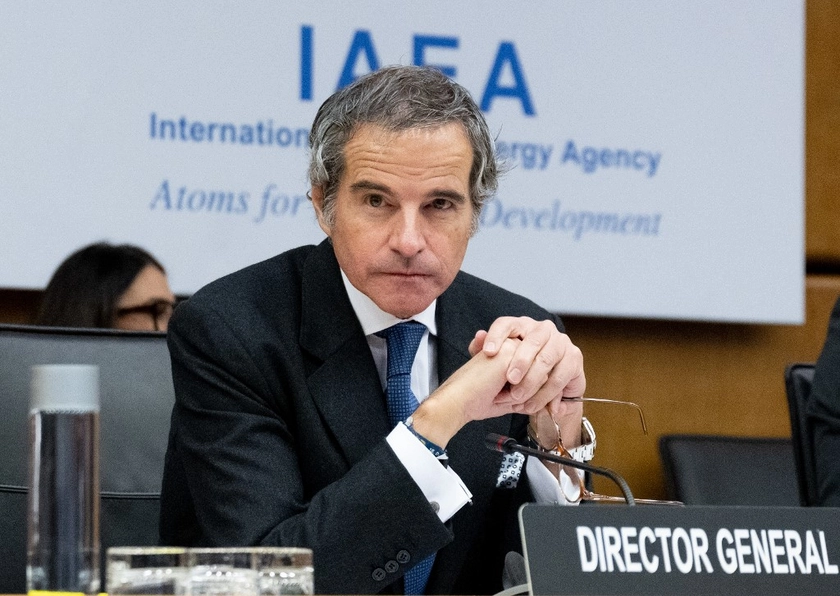
International Atomic Energy Agency (IAEA) Director General Rafael Grossi said on Friday that an IAEA team is “crisscrossing” Ukraine to assess the security of the country’s nuclear substations, as Russia continues to target Ukraine’s energy infrastructure.
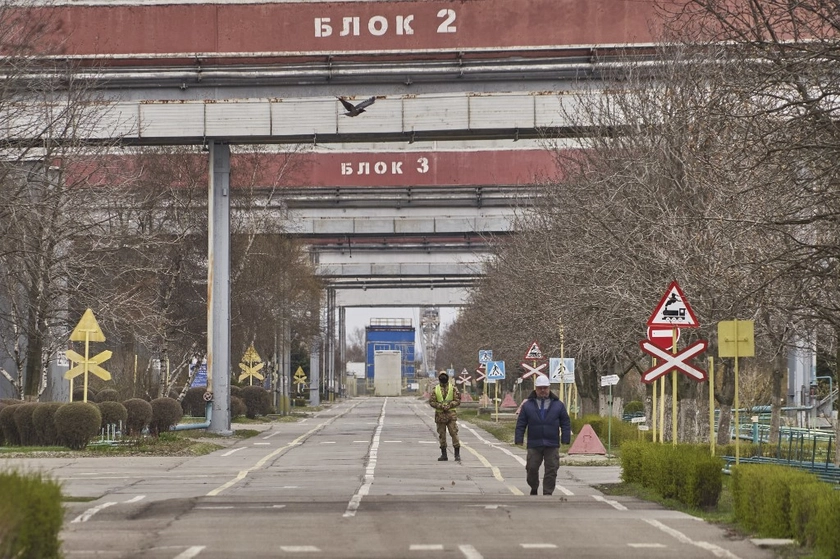
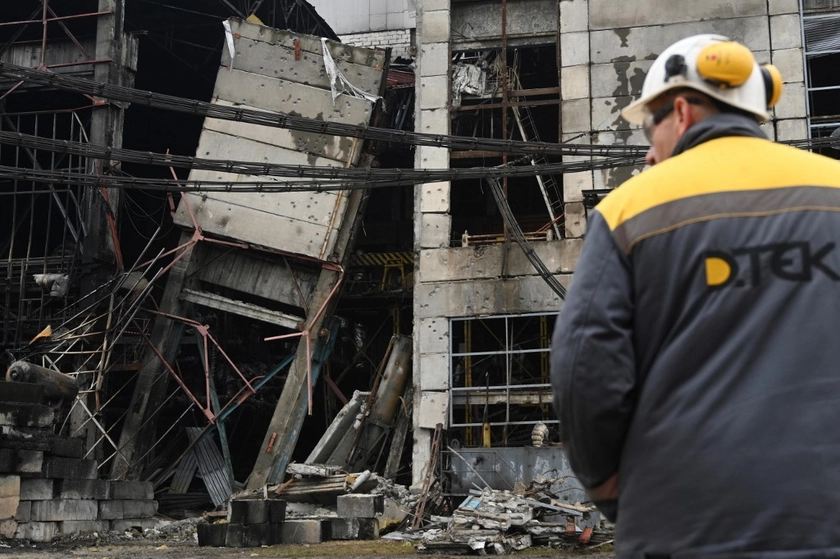
The visit, which began on Dec. 1, will last until Dec. 12 and focus on more than 10 substations (essential nodes in the electrical grid related to Ukraine’s nuclear power plants) across the country – assessing damage, reviewing repair efforts, and making recommendations to strengthen energy resilience.
JOIN US ON TELEGRAM
Follow our coverage of the war on the @Kyivpost_official.
“These substations are essential for nuclear safety and security. They are absolutely indispensable for providing the electricity all nuclear power plants need for reactor cooling and other safety systems. They are also needed to distribute the electricity that they produce to households and industry,” Grossi said in Friday’s statement.
The IAEA said that it had made several such expert missions to Ukraine since September 2024, when the substations became “increasingly affected by the military conflict.”
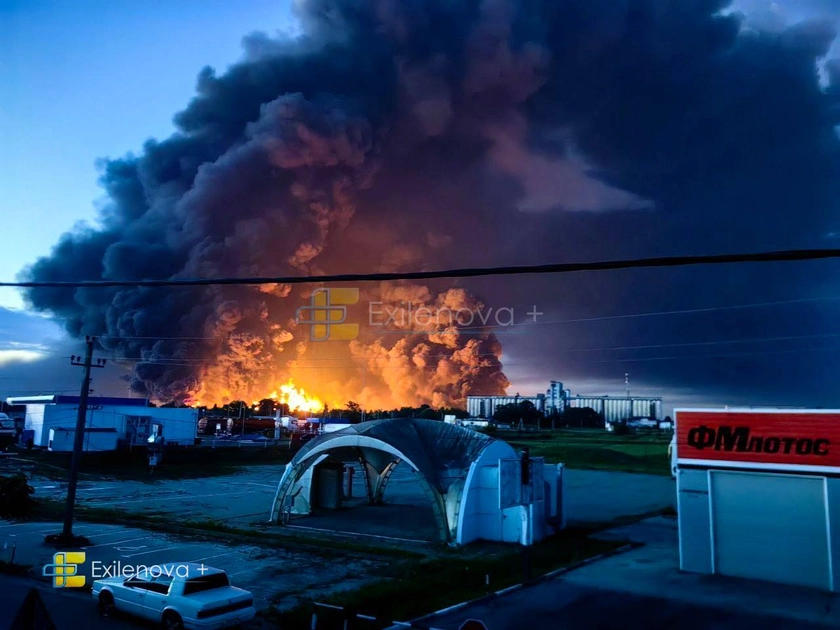
Russia has targeted Ukraine’s energy infrastructure since its full-scale invasion, particularly in the cold season – regularly plunging thousands of people into freezing darkness.
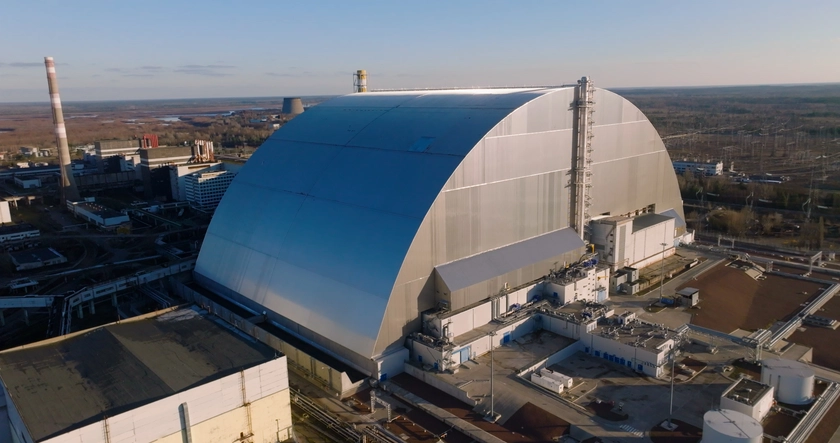
Earlier this month, the IAEA team carried out a safety assessment of the Chornobyl site, where a reactor famously exploded in 1986. The protective structure that was built after that event was struck by a Russian strike drone and seriously damaged on Feb. 14 this year.

Ukraine Pushes to Secure Gas, Fuel Ahead of Winter
The mission confirmed that the protective structure had “lost its primary safety functions, including the confinement capability, but also found that there was no permanent damage to its load-bearing structures or monitoring systems.”
“Timely and comprehensive restoration remains essential to prevent further degradation and ensure long-term nuclear safety,” Grossi said.
On Nov. 20, the IAEA reported that Russian strikes had forced four out of nine of Ukraine’s functioning nuclear reactors to reduce output.
You can also highlight the text and press Ctrl + Enter