BBC Russia and the independent outlet Mediazona – together with an open-source investigative team – have confirmed the names of 155,368 Russian soldiers killed since the start of Moscow’s 2022 full-scale invasion.
Volunteers who signed contracts with Russia’s Ministry of Defense after February 2022 now account for one-third of all identified deaths – up from 15% a year ago, the data shows.
JOIN US ON TELEGRAM
Follow our coverage of the war on the @Kyivpost_official.
The investigation found that 44% of dead volunteers were between 45 and 55 years old, while the average age of all confirmed Russian fatalities is 38.
For context, the official death toll over the nine years of the Soviet invasion of Afghanistan was 13,310.
Based on obituaries and family accounts, BBC Russia reports that most post-2022 volunteers enlisted willingly. Many had no prior ties to the military and had worked ordinary civilian jobs. However, there are documented cases of pressure, particularly involving conscripts and residents of Chechnya who reported coercion or threats.
Individual stories reveal systemic patterns
One case cited by BBC Russia is 53-year-old Alexander Grunin, a factory worker from Pavlovsky Posad near Moscow.
Facing growing debts – 86,000 rubles ($1,500 at the time) by 2018 – he reportedly signed a military contract in October 2024, when enlistment bonuses had reached 3 million rubles ($37,672), roughly 29 times the average monthly salary in his hometown.
He was deployed to the Kursk region, wounded three times within two months, yet – according to his daughter – never hospitalized because “there was no one left to fight.” Grunin was killed in January 2025, less than three months after joining the army.
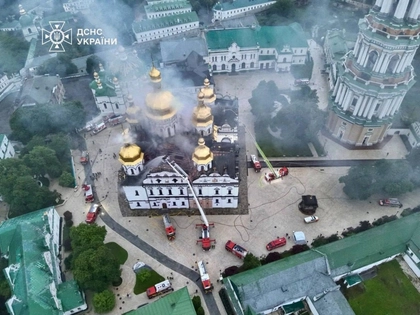
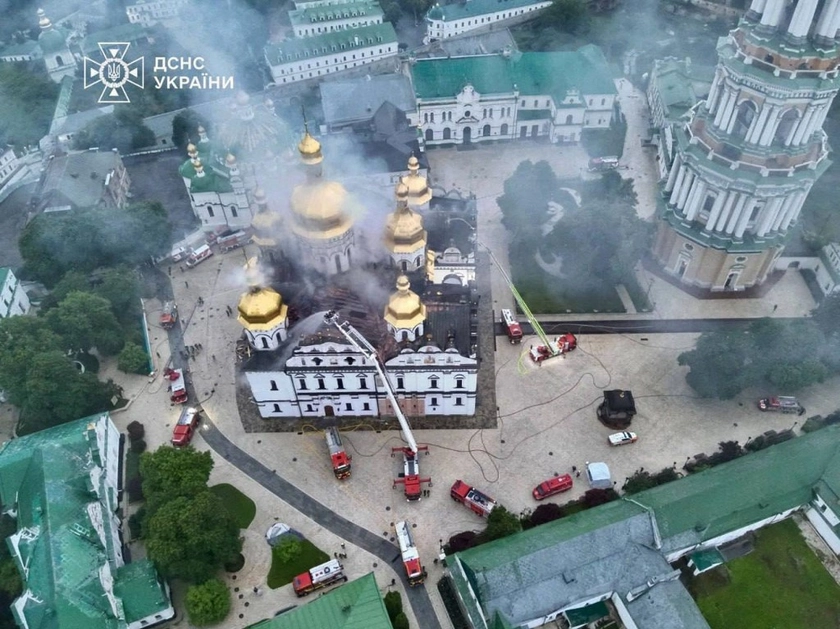
UK Signals Readiness to Support Kyiv-Pechersk Lavra Restoration
BBC Russia says his case reflects common patterns: Volunteers typically receive minimal training, often just a couple of weeks – in some cases only five days – before being sent to assault units. These formations have some of the highest casualty rates, tasked with attacking well-fortified Ukrainian positions.
High losses have strained Russia’s rotation system and overwhelmed military hospitals, leading to fewer medical evacuations and cases of soldiers being ordered to remain in combat despite serious injuries. The practice is acknowledged by Russian pro-war bloggers.
According to a February intelligence update from the British Ministry of Defence, Russia’s 20th Combined Arms Army was forced to create an assault unit composed entirely of wounded personnel – a move London assessed as evidence of severe manpower shortages.
Recruitment pressures, legal loopholes
BBC Russia reported that the surge in volunteer deaths reflects a broader systemic issue: Volunteers are now the primary pool used to replenish depleted Russian units, especially in Ukraine’s Donetsk region, where fighting remains most intense.
Regional authorities, acting under Kremlin-imposed recruitment quotas, reportedly use a wide range of methods to sign new contracts – from mass advertising to personal outreach targeting indebted residents or students at universities and technical colleges.
Some recruits mistakenly believe they can serve for one year and return home. In reality, since September 2022, all contracts have been automatically extended until the end of the war.
Thousands have also enlisted to avoid criminal prosecution after the Russian State Duma opened a legal pathway in 2023 that allows suspects and defendants to go to war and suspend their criminal proceedings.
Investigators are required to inform suspects of this option; detention centers must regularly send inmate lists to military commissariats. These cases are classified as volunteers in BBC/Mediаzona’s methodology.
Regional patterns, high losses among officers
The investigation shows that Bashkortostan and Tatarstan, both large republics in central Russia near the Ural region, lead in absolute numbers of confirmed deaths – partly due to the strong activity of local volunteer groups collecting information.
Among all fatalities, 13% are convicts recruited from penal colonies and pre-trial detention centers; 11% are mobilized servicemen.
Russia also continues to lose highly trained personnel: At least 6,205 officers are confirmed dead, including 450 lieutenant colonels, 152 colonels, and 12 generals. Among them is Maj. Gen. Andrei Golovatsky of Russia’s interior ministry, who had been sentenced to 8.5 years in prison on corruption charges.
Real death toll likely far higher
BBC Russia stresses that the verified figure of 155,368 represents only deaths confirmed through open sources. Military analysts believe the database likely captures 45-65% of actual Russian fatalities, as many bodies remain on the battlefield due to evacuation risks – particularly from Ukrainian drone strikes.
Based on that estimate, total Russian military deaths may lie between 239,000 and 345,260.
Losses rise further when including fighters from the Kremlin-backed proxy forces in the self-proclaimed Donetsk and Luhansk people’s republics (DPR and LPR). BBC Russia estimates 21,000 to 23,500 deaths among these units as of late September, bringing the combined toll of Russian and proxy forces to between 260,000 and 368,760.
As of Dec. 12, Ukraine estimated that over a million Russian troops have been put out of action – a figure that includes both killed and wounded.
How the data is collected
BBC Russia, Mediazona, and volunteers compile names from daily obituaries, statements by regional authorities, local media reports, school announcements, and social media posts from families. Only cases confirmed through official or clearly documented sources are included.
Losses of DPR/LPR fighters are not part of the main dataset, except when the fallen were Russian citizens who voluntarily joined those units.
Mediazona is designated by Russian authorities as a “foreign agent,” a label applied to organizations that receive foreign funding or engage in political activity.
Under Russian law, such outlets must mark all content with the label, face extra reporting requirements, and are subject to fines or other penalties if authorities determine they violate regulations.
You can also highlight the text and press Ctrl + Enter
Putin’s Worst Nightmare
Zelensky Reveals Intercepted Intel From Putin’s Desk