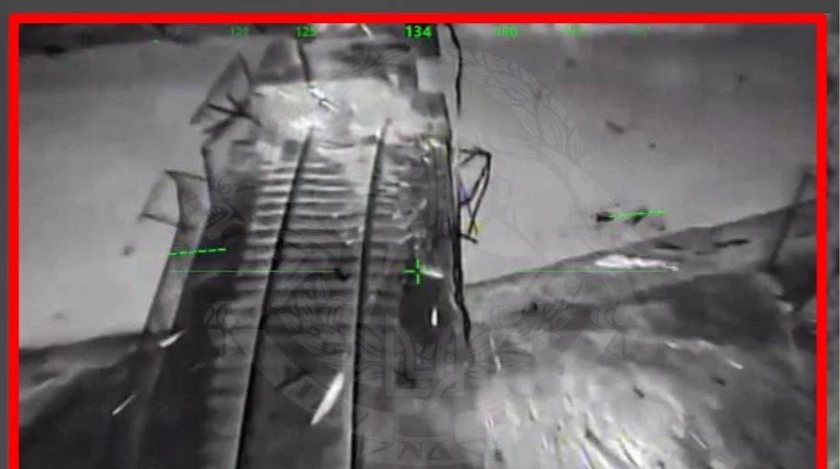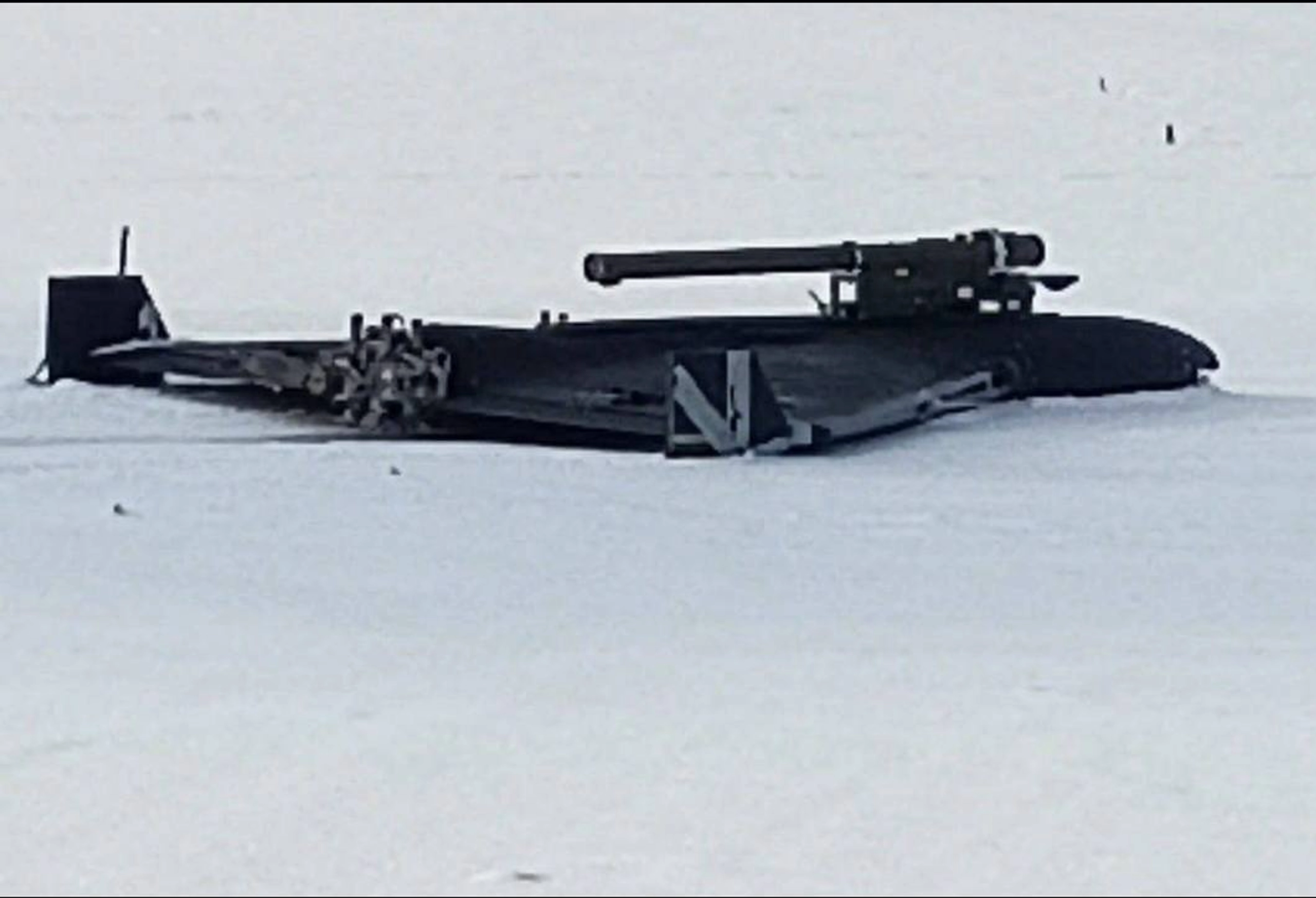
Ukraine’s Unmanned Systems Forces (USF) have intercepted a Shahed drone equipped with a man-portable air-defense system (MANPADS) for the first time.
According to the USF, the intercept was carried out by fighters from the Darknode Battalion of the 412th Nemesis Brigade. The drone poses a direct threat to Ukrainian aviation, according to the report.
JOIN US ON TELEGRAM
Follow our coverage of the war on the @Kyivpost_official.
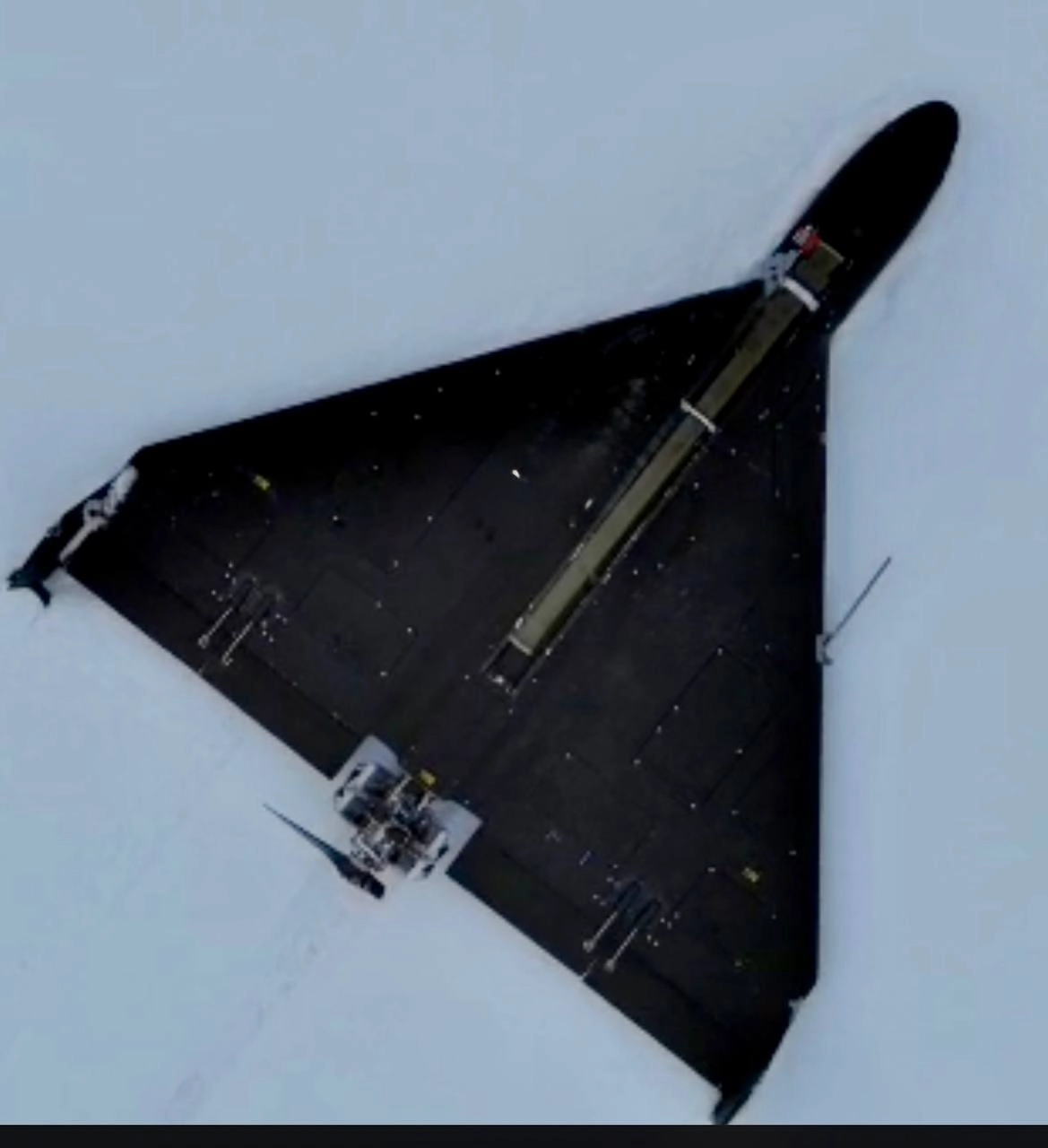
The USF said the Shahed was also equipped with a radio modem and a camera, allowing it to be controlled from Russian territory and potentially used to launch a missile.
While Kyiv Post could not independently verify the time and location of the video released alongside the report, it shows the downed drone fitted with a MANPADS.
The USF report added that analysis of the Kremlin’s new tactics and weapons configuration is ongoing.
Man-portable air-defense systems are designed to destroy low-flying targets such as helicopters, aircraft, drones and cruise missiles. Depending on the model, they may use infrared homing, laser guidance or manual targeting.
Ukrainian military communications and electronic warfare specialist Serhii Beskrestnov, known by the call sign “Flash,” warned that Russia continues to look for ways to counter Ukrainian aviation.
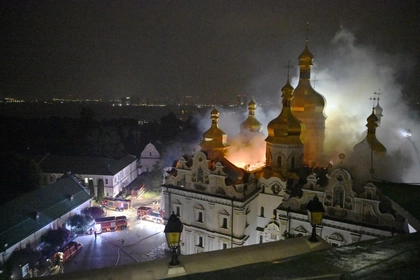
UN Security Council to Convene on Kyiv-Pechersk Lavra Strike
He said this was the first documented case of a Shahed carrying a MANPADS, adding:
“I urge [military] aviation pilots to take note of this new threat and avoid approaching Shahed drones head-on,” Beskrestnov added.
Russia has increasingly modified its attack UAVs, installing additional modules to counter Ukrainian interceptor drones and fighter aircraft. On Jan. 2, Beskrestnov reported that an infrared searchlight had been discovered on a Shahed, apparently intended to detect aircraft and drones.
Meanwhile, Ukraine has also continued to arm its own drones with increasingly lethal payloads.
In May 2025, the Armed Forces of Ukraine (AFU) revealed the first recorded combat use of a drone armed with a grenade launcher, according to Ukrainian mil-tech company Wild Hornets (Dyki Shershni).
Footage showed a modified “Queen of Hornet” drone attacking Russian infantry in the Novopavlivka sector of the Donetsk region.
Ukrainian drone operators told Kyiv Post that the innovation could significantly alter battlefield tactics.
They said grenade launcher-armed drones allow faster, more precise strikes than first-person-view (FPV) kamikaze drones, with longer engagement ranges and reduced exposure to electronic warfare.
Former grenadier and drone operator Vadym “Sonik” Feshchenko noted that Russian infantry has adapted to hovering drones that precede attacks, but drones capable of firing on-the-move sharply reduce reaction time and force troops to retreat or take cover.
He also pointed out that modern grenade launcher ammunition can penetrate up to seven centimeters of armor.
Earlier experiments in September 2024 included FPV drones equipped with RPG-18 launchers and, later, footage showing a Ukrainian FPV drone firing an AK-74 assault rifle at Russian positions in the Donetsk region.
In a separate development, Forbes reported on footage released by Ukraine’s 108th Separate Territorial Defense Brigade showing a heavy “Baba Yaga” drone releasing incendiary material over Russian-occupied tree lines, setting vegetation ablaze.
While such weapons are unlikely to cause significant casualties unless personnel are hit directly, they are effective at igniting dry vegetation, crops and forested areas. Not only could such fires hinder movement and create a smoke hazard, it would also negate troops’ use for cover and concealment.
You can also highlight the text and press Ctrl + Enter

Zelensky Reveals Intercepted Intel From Putin’s Desk