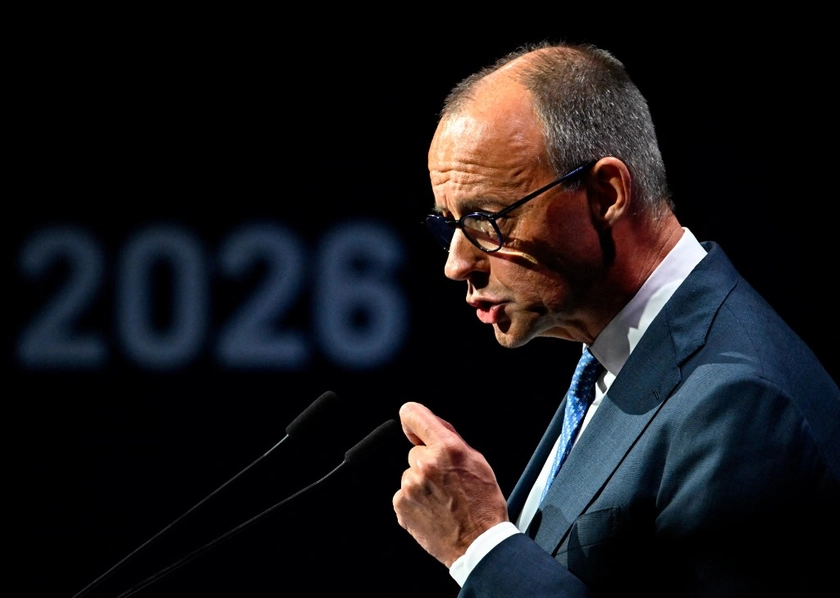
German forces could join a future multinational force to monitor a Ukraine ceasefire, but based on territory bordering the war-battered country, Chancellor Friedrich Merz said on Tuesday.
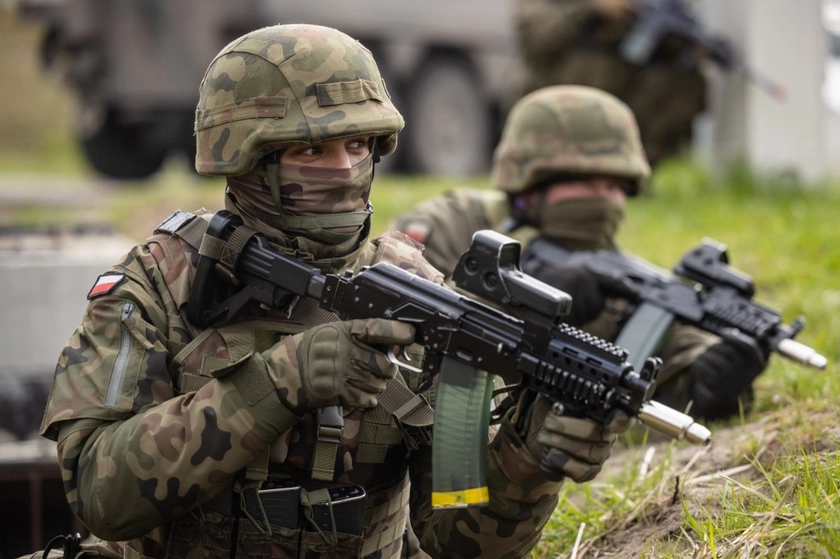
“Germany will keep contributing politically, financially and militarily. This could for example include deploying forces to Ukraine on neighbouring NATO territory after a ceasefire,” he said.
JOIN US ON TELEGRAM
Follow our coverage of the war on the @Kyivpost_official.
Once a US-backed monitoring force is agreed, the German government and parliament “will decide on the nature and extent of a German contribution”, he said.
For now, Berlin was “not ruling anything out”, Merz said in Paris.
Germany, with its dark history of war and the Holocaust, has long been more reluctant than many of its NATO allies to deploy forces abroad.
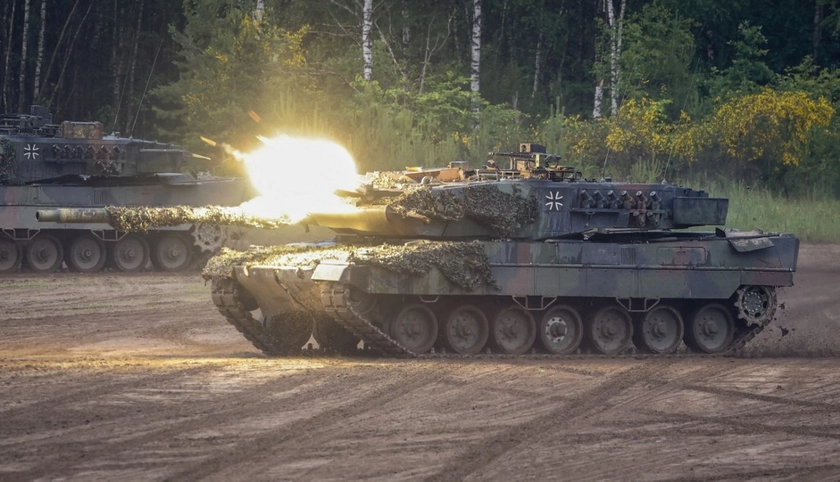
But Merz has signalled continued strong support for Ukraine, sharply raised German defence spending and announced plans to build up the Bundeswehr into Europe’s strongest conventional army.
His suggestion of deploying German troops to neighbouring NATO territory did not go as far as France and Britain, which offered more explicit promises of support.
“Today, in the fourth year of the war, Germany is Kyiv’s strongest supporter,” he said. “It will also assume its responsibility for Ukraine’s security after a ceasefire.”
In the ongoing push for a peace deal, Merz said that Ukraine and its European allies “will have to make compromises”.
Rheinmetall CEO Fears Collapse of Franco-German Tank Project
“We will not come as close to the ideal of a just peace as we would like. We will not achieve a textbook diplomatic solution. Given the current geopolitical circumstances, it will require a great deal from us in the coming days, weeks, and perhaps months.”
Merz said that “with tenacity, realism and foresight”, Europe could achieve “a peace in Europe that closely connects Ukraine and Europeans, and one which we can shape together.”
You can also highlight the text and press Ctrl + Enter

ANALYSIS: Russia’s Air Defense Problems Are Growing