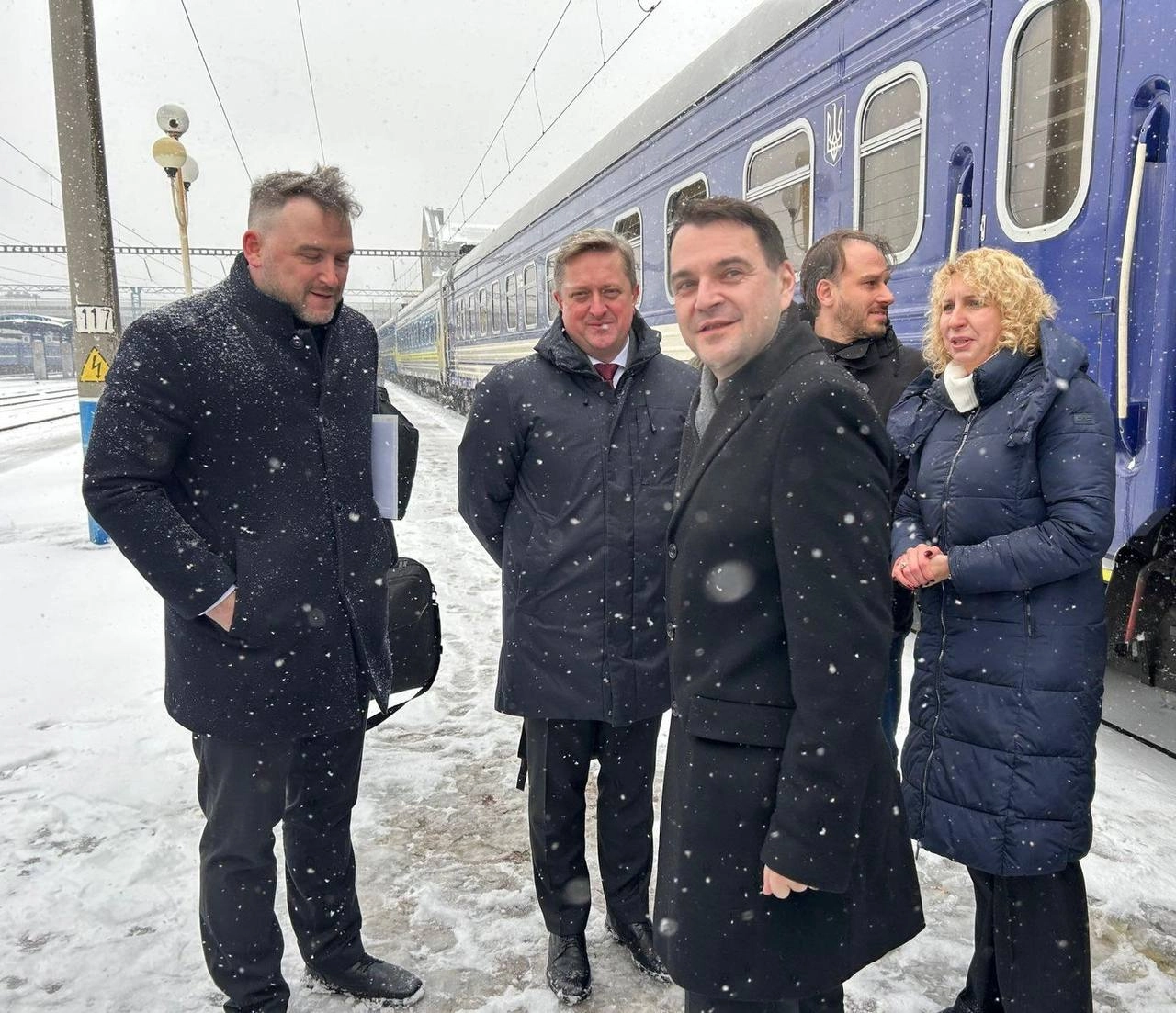
Czech Foreign Minister Petr Macinka arrived in Ukraine on Friday, with his train reaching Kyiv late due to overnight Russian attacks, according to Ukrainian and Czech media.
Macinka’s visit comes days after a political controversy in the Czech Republic triggered by remarks from Tomio Okamura, speaker of the Czech Chamber of Deputies and leader of the far-right Freedom and Direct Democracy party.
JOIN US ON TELEGRAM
Follow our coverage of the war on the @Kyivpost_official.
The controversy erupted after Okamura used a New Year’s address to oppose Czech military aid to Ukraine, criticizing what he described as “the Zelensky junta” [after Ukrainian President Volodymyr Zelensky] and arguing that Czech public funds should not be spent on weapons for Ukraine’s defense. He also said the Czech Republic should “get off the Brussels train,” warning it was heading toward World War III.
Macinka announced plans to visit Ukraine on Jan. 6 after a phone call with his Ukrainian counterpart, Andrii Sybiha. He is accompanied by Filip Turek, a member of the same political party.
Ukraine’s state railway company, Ukrzaliznytsia, published photos of Macinka’s arrival, saying the delay was caused by weather conditions and Russian shelling.
“Czech Foreign Minister Petr Macejka arrived in Kyiv on his first official visit. The journey was not easy this time: due to shelling and difficult weather conditions, the train arrived late,” the statement said.
Matsinka said that Ukraine is interested in cooperating with the Czech Republic in the field of defense, as well as in the Czech Republic’s participation in the reconstruction of Ukraine.

Czech-Funded School Shelter Opens in Frontline Nikopol
On Jan. 7 Czech Prime Minister Andrej Babiš said Prague will continue coordinating its international ammunition initiative for Ukraine, provided the program is fully financed by partner states and does not draw on Czech public funds.
The statement followed talks in Paris among leaders of the so-called “Coalition of the Willing,” where security guarantees for Ukraine after a potential ceasefire were discussed.
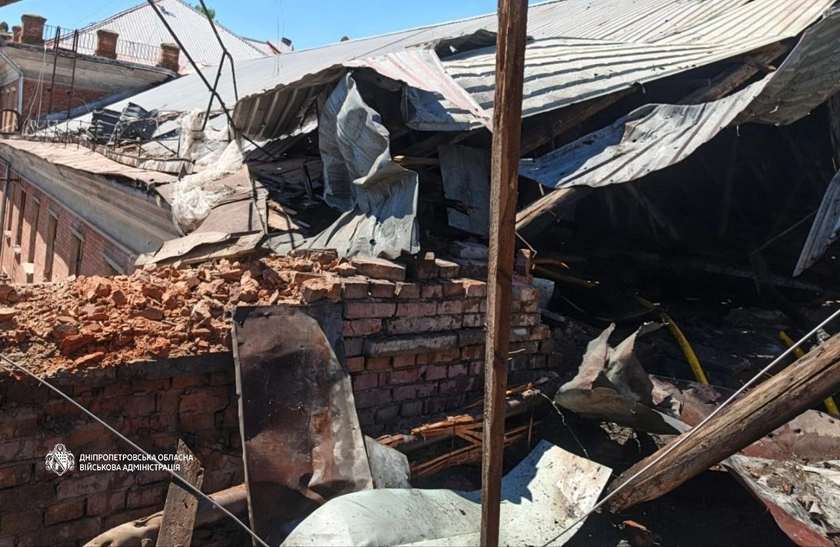
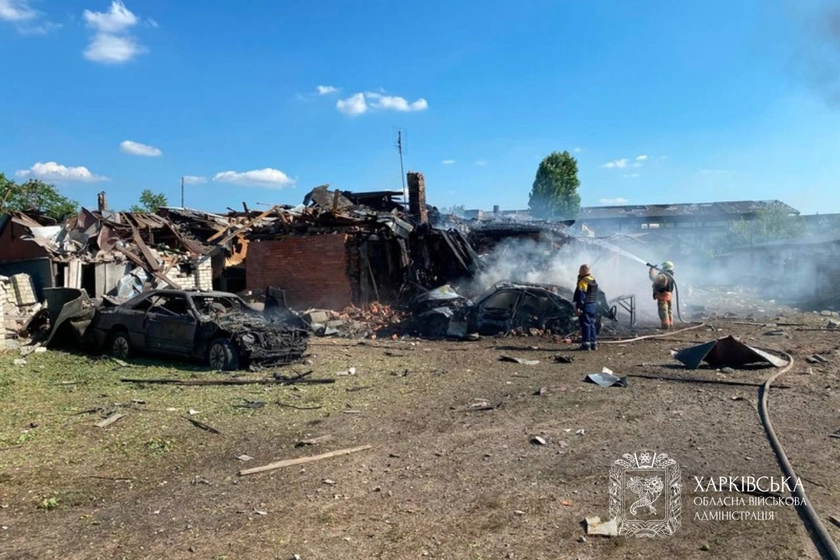
Russia launched a massive, combined aerial assault on Ukraine overnight on Friday, Jan. 9, firing waves of attack drones and ballistic missiles – most of them aimed at the capital, Kyiv.
At least four people were killed and 24 injured in the assault, including a medical worker and emergency responders, after Russian strikes hit residential neighborhoods and critical infrastructure.
Twenty residential buildings in Kyiv and its suburbs were damaged, and the Embassy of Qatar was hit by a Russian drone, Zelensky said Friday
Emergency services reported widespread outages, with heating and water disruptions affecting almost all city districts.
The strikes came as temperatures in Kyiv plunged below –9°C (16°F) overnight, sharply increasing the risk to civilians left without heat or power in midwinter.
Kyiv Mayor Vitali Klitschko urged residents who can leave the city temporarily to do so, citing critical outages in heat and electricity caused by the strikes. Emergency “Points of Invincibility” were activated to provide warmth, water, and charging for devices.
You can also highlight the text and press Ctrl + Enter