Russian forces again attacked Kyiv overnight, launching ballistic missiles and drones at the capital, causing casualties and leaving 5,635 high-rise buildings without heating.
An air raid alert was declared in Kyiv at 1:30 a.m. due to the threat of drones. The Air Force later warned of a ballistic missile launch.
JOIN US ON TELEGRAM
Follow our coverage of the war on the @Kyivpost_official.
Around 2 a.m., Russia fired several salvos of ballistic missiles at the city. Kyiv Post correspondents heard powerful explosions in multiple districts. The alert ended shortly before 4 a.m.
The air raid siren sounded again shortly before 5 a.m. and ended at 8:41 a.m.
Power and water outages were recorded on Kyiv’s Left Bank, where social infrastructure facilities were switched to autonomous power supplies.
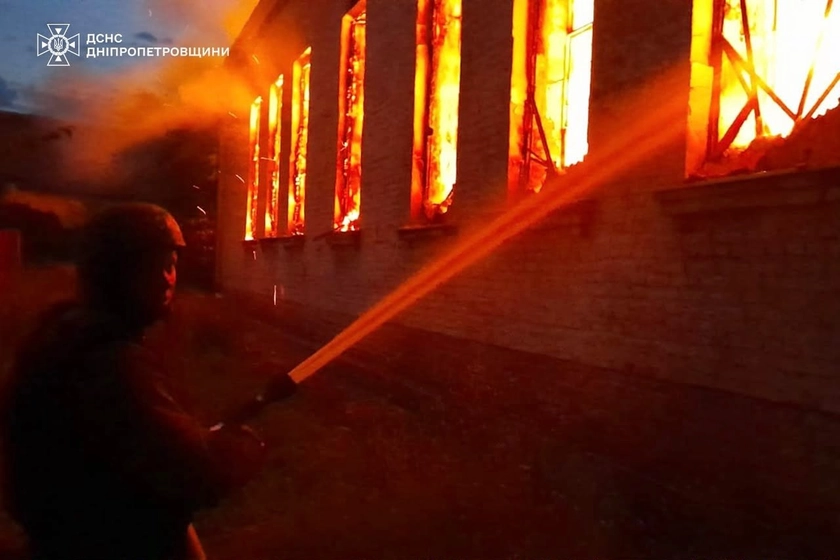
Kyiv Mayor Vitaliy Klitschko said that as of 8:20 a.m., several non-residential buildings in the Dnipro district had been damaged. A primary school building was also hit by falling debris, damaging windows but causing no fire. Windows were shattered in several residential buildings as well.
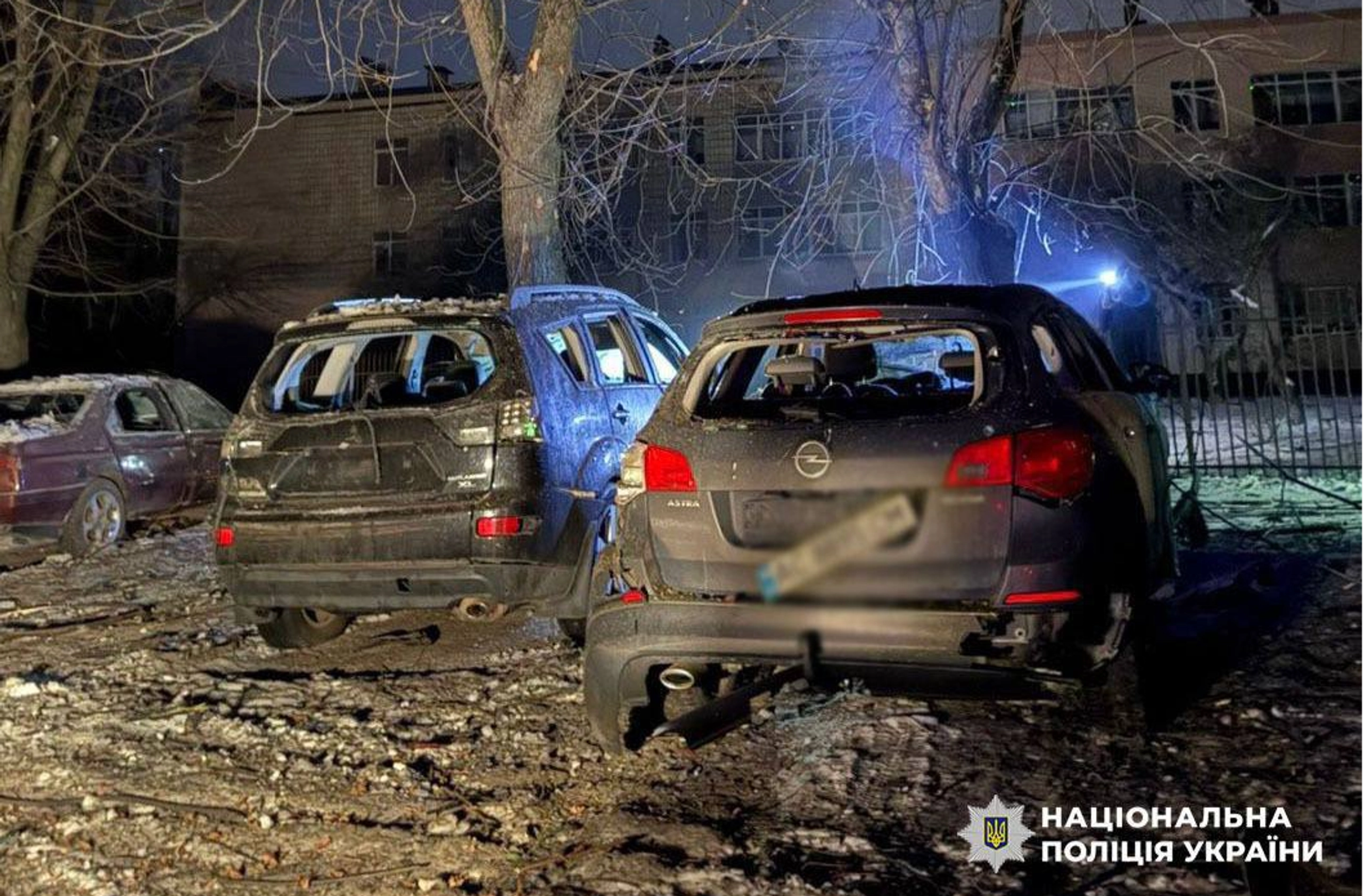
Unmanned aerial vehicle (UAV) debris also fell in an open area, setting cars on fire. Emergency services continue to work at the scene.
“One person injured in the Dnipro district as a result of the enemy attack has been hospitalized,” Klitschko said.
According to the mayor, 5,635 high-rise buildings were left without heating following the strike, nearly 80% of which had only recently had heat restored after outages on Jan. 9.

Ukraine Says Strikes on Russia’s Shadow Fleet Are Legal
As of Monday evening, Jan. 19, just 16 of nearly 6,000 buildings remained without heating from the earlier damage.
“The Left Bank remains without water supply following today’s attack. Utility and energy workers are restoring heat, water, and electricity,” Klitschko added.
Following two recent Russian strikes on Kyiv and amid severe frost, the city’s energy situation has sharply deteriorated. Emergency power outages without fixed schedules have been in effect for nearly a week, accompanied by disruptions to water and heating.
Against this backdrop, Ukraine introduced a state of emergency in the energy sector last week.
You can also highlight the text and press Ctrl + Enter