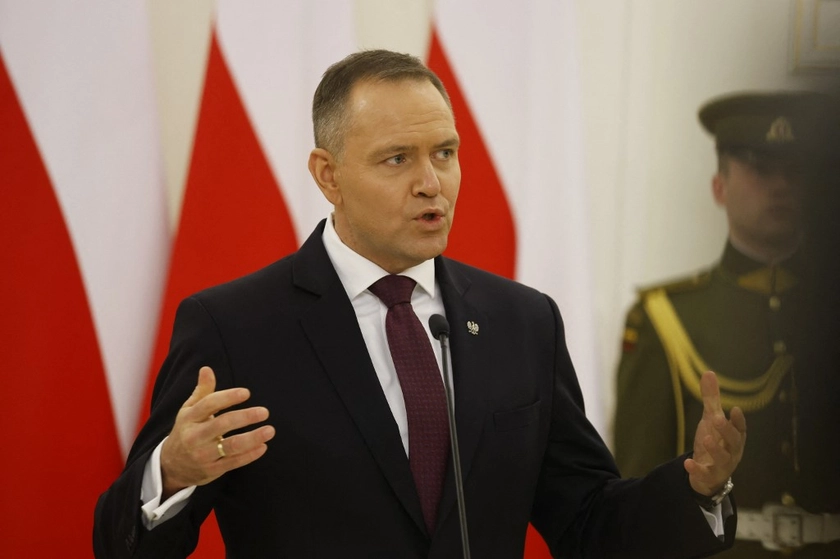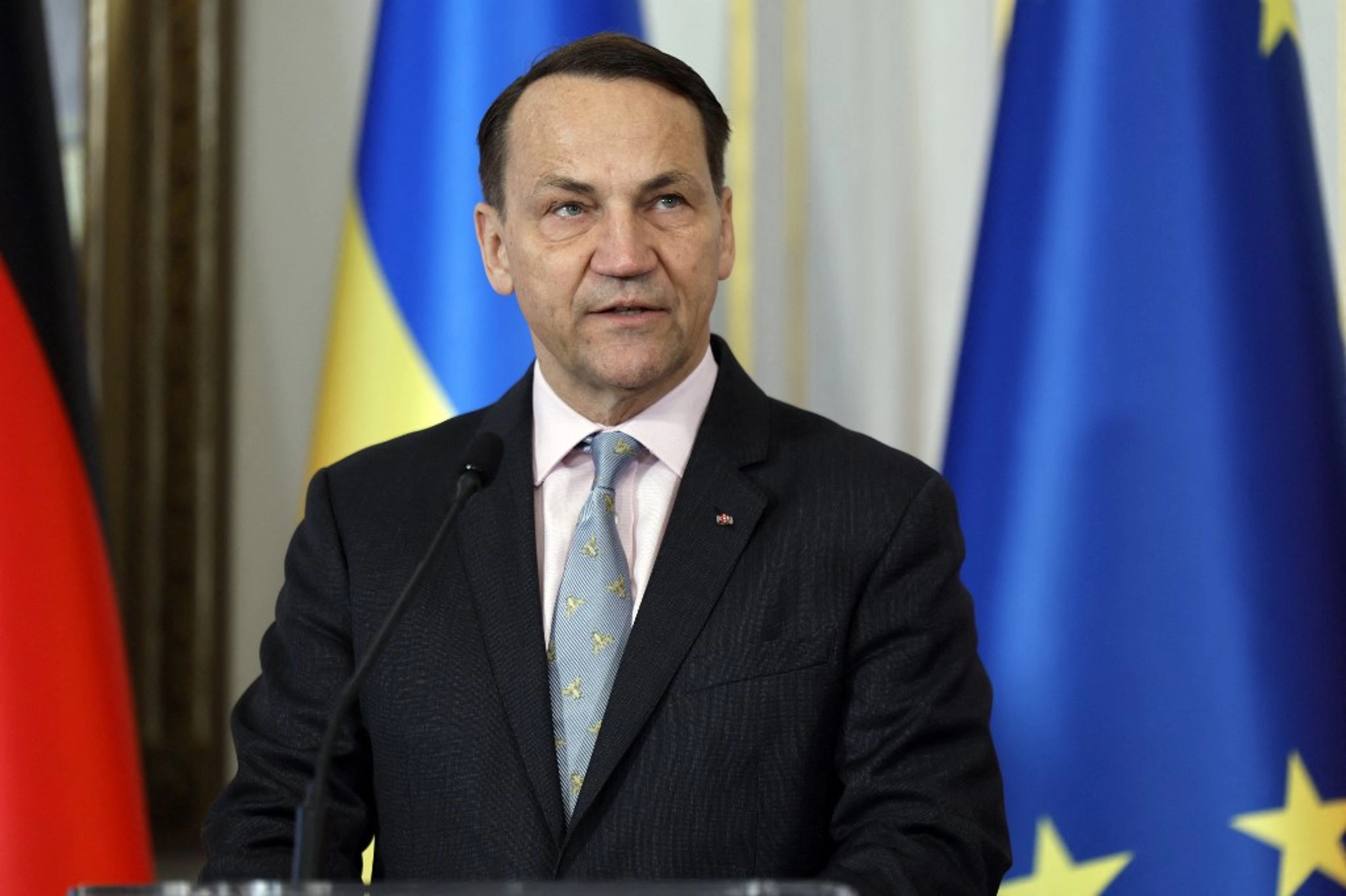
Poland’s Foreign Minister Radosław Sikorski said he is “not sure” the United States still treats ending the war in Ukraine as a top priority, despite what he described as frank private talks with U.S. Secretary of State Marco Rubio on the sidelines of the Munich Security Conference.
Sikorski told TVP World on Saturday that Rubio’s tone at the conference was “an improvement,” but that it did not fully answer Europe’s central question: whether Washington is prepared to keep Ukraine at the top of its agenda as the Trump administration pivots strategically toward Asia.
JOIN US ON TELEGRAM
Follow our coverage of the war on the @Kyivpost_official.
Rubio used his Munich speech to stress transatlantic ties, portraying the U.S. as Europe’s “child,” while offering few concrete commitments and omitting direct mention of Russia.
“Not sure” Ukraine is the priority
Pressed on whether he sensed, in conversation with Rubio, that Ukraine remains a U.S. priority even if it was not emphasized publicly, Sikorski replied: “I’m not sure.”
He said Washington’s “preference is for the war to end,” while Europe’s preference is “for it to end the right way”—language reflecting European fears that a rushed deal could leave Ukraine weakened and the continent exposed.
Sikorski argued that Europe’s stakes are inherently higher because the war is on the EU’s doorstep. He said Ukraine must negotiate from a position of strength and not be pushed into what he called a “semi capitulation.”
Germany Eyes PAC-3 Patriot Production Deal Ahead of Ankara NATO Summit
Listen when dictators tell you who they are
Sikorski also warned leaders not to dismiss authoritarian threats as bluster—a lesson, he suggested, Europe learned too late with Russia.
“They… have to have more imagination,” he said, arguing that when dictators spell out their intentions, outsiders often assume it is “too crazy” to be real—until it happens.
He pointed to Poland’s long-running warnings about the Nord Stream gas pipeline and Putin’s ambitions, saying Warsaw had urged Western European partners to prepare earlier for a more confrontational Russia. “Belatedly, I think most people get it,” he said.
Sikorski said his two messages—uncertainty about Washington’s priorities and a call to take dictators at their word—underline the pressure on European capitals to plan for a tougher security environment, even as they try to keep the U.S. anchored to Europe’s defense.
You can also highlight the text and press Ctrl + Enter