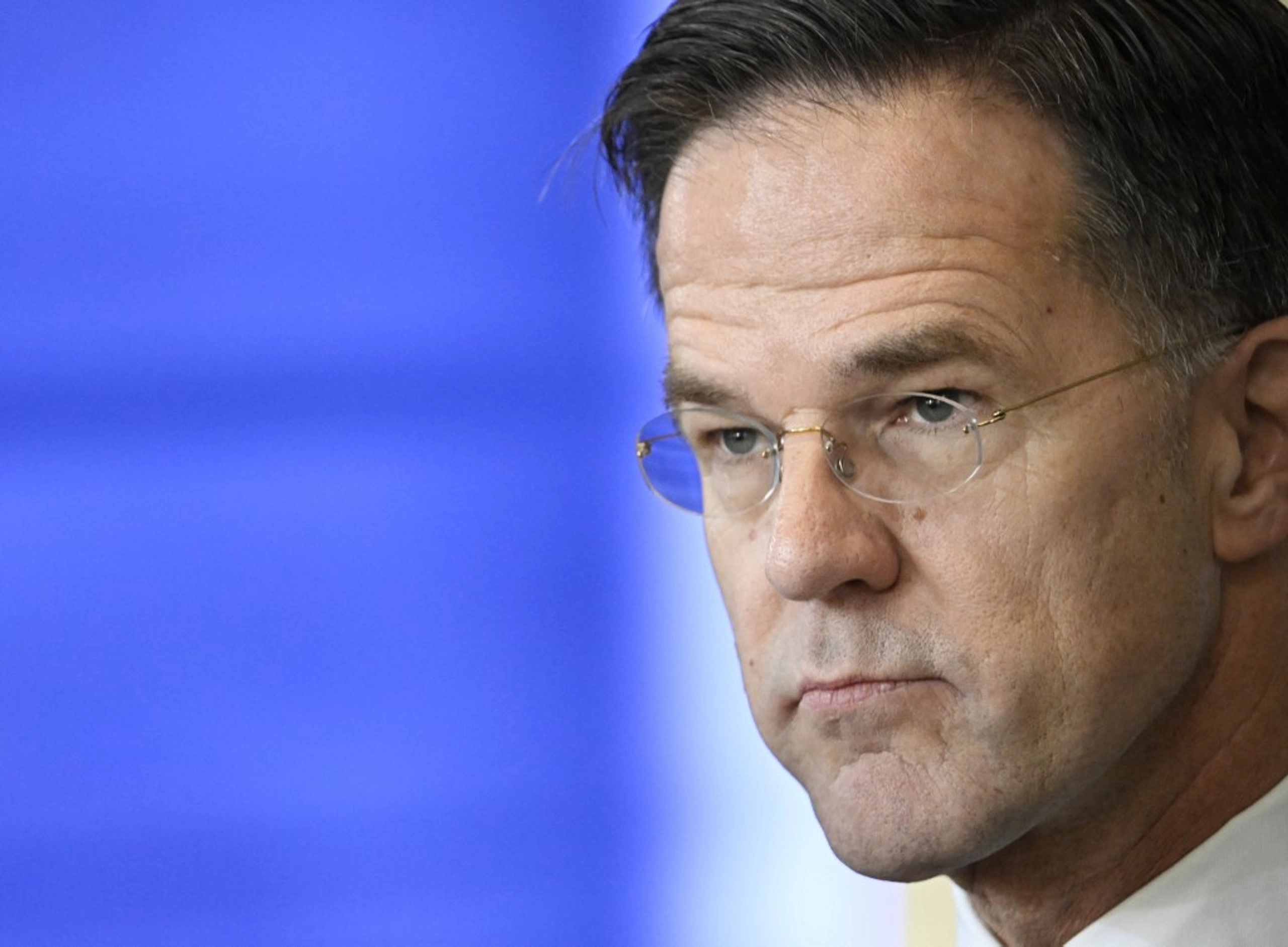
NATO Secretary-General Mark Rutte said there is “widespread support” among alliance members for US President Donald Trump’s military campaign targeting Iran’s nuclear and missile capabilities.
Speaking Wednesday, March 4, in an interview with Newsmax, Rutte said NATO itself is not directly involved in the operation but that many allies support the US effort.
JOIN US ON TELEGRAM
Follow our coverage of the war on the @Kyivpost_official.
“NATO is not involved. But obviously allies are basically, on a massive scale, supportive of what the president is doing,” Rutte said during an appearance on The Record With Greta Van Susteren.
He said NATO countries share security concerns about Iran and its activities abroad.
“Here in Europe, we know the impact of Iran and the negative impact they can have,” Rutte said, citing alleged assassination plots linked to Tehran in several NATO countries.
Rutte acknowledged that some European leaders, including French President Emmanuel Macron and Spanish Prime Minister Pedro Sánchez, have publicly criticized the US-led operation.
However, he said many NATO countries are providing what he described as “key enabling assistance” to the US and Israel in the region.
The NATO chief also stressed that the alliance remains focused on defending its own territory amid the escalating crisis.
“What we are doing at the moment as NATO is making sure that we, in a 360-degree way, defend every inch of NATO territory,” he said.
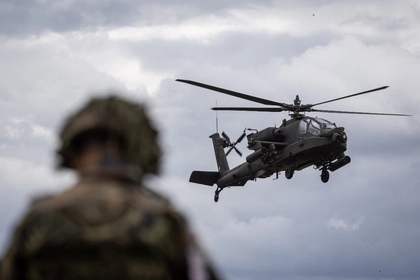
Germany, Netherlands to Take Command of NATO’s Eastern Flank in Estonia
Rutte also addressed the alliance’s mutual defense clause, known as Article 5, saying NATO intentionally remains ambiguous about the circumstances that would trigger the provision.
“For good reasons, we always will stay very ambiguous about when Article 5 is triggered,” he said, adding that the alliance would clearly announce if it were invoked.
You can also highlight the text and press Ctrl + Enter