On April 25-26, the “Chernobyl. 40 Years On. A History That Obliges” exhibition will open at the Toronto-Kyiv complex – a large-scale multimedia project by the State Agency of Ukraine on Exclusion Zone Management with support from the European Commission. Exactly four decades after the Chornobyl disaster, the organizers invite visitors to reflect not only on the events of 1986 but also on their meaning today.
The exhibition is built around the metaphor of light – a symbol of energy, knowledge, and responsibility – and unfolds across three thematic halls.
JOIN US ON TELEGRAM
Follow our coverage of the war on the @Kyivpost_official.
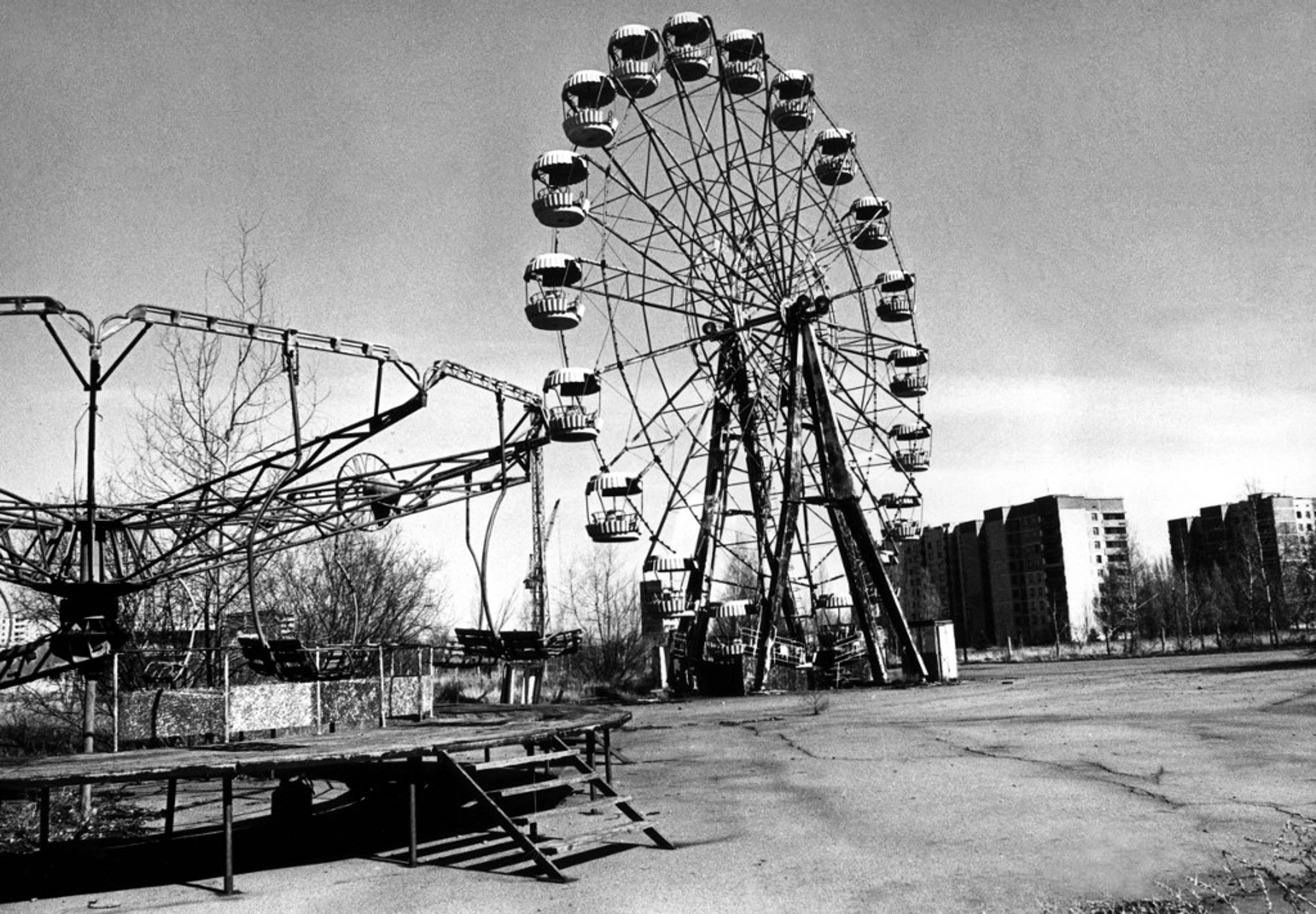
The first hall, “The Light That Did Not Fade,” focuses on the disaster itself: from the construction of the Chornobyl Nuclear Power Plant to the night of the explosion, the cleanup effort, and the evacuation of the city of Pripyat, which had been built to house the plant’s workers. Through artifacts, documents, and installations, it raises questions about the value of human life and the emergence of the global concept of “safety culture” that followed Chornobyl.
The second hall, “The Light That Works,” turns to the present-day life of the exclusion zone. It highlights the daily work of specialists – from radioactive waste management to environmental monitoring and the development of spent nuclear fuel storage infrastructure. Particular attention is given to international cooperation and the EU’s contribution.
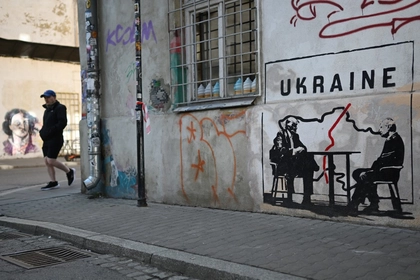
‘Negotiations’ Are Traps – How Russia Tweaks Language to Deceive the West
Between the halls, thematic transition spaces include an installation featuring models of the destroyed fourth reactor and the New Safe Confinement, symbolizing the path from catastrophe to containment, as well as a “green corridor” illustrating nature’s recovery in the exclusion zone.
The third hall, “The Light of the Future,” explores the prospects of nuclear energy – from small modular reactors to fusion technologies. The exhibition concludes with the artistic stained-glass piece “Prometheus of the Future,” reflecting on energy as a responsibility to future generations.
The exhibition’s visual symbol is a six-petaled flower – an allusion to nuclear structures and a reference to the “Daisy” amusement ride in Pripyat, which never opened due to the accident.
The opening comes against the backdrop of Russia’s ongoing war in Ukraine, including the occupation of the Zaporizhzhia Nuclear Power Plant and continued attacks on energy infrastructure. In this context, organizers stress that Chornobyl’s lessons on global responsibility and nuclear safety remain urgently relevant.
The official opening, at 81 Antonovycha Street (Toronto-Kyiv complex). Part of the exhibition will later be presented at the General Conference of the International Atomic Energy Agency in Vienna in September 2026.
You can also highlight the text and press Ctrl + Enter