Russia is preparing to tighten state control over fuel production and distribution as repeated disruptions at oil refineries strain domestic supply, according to Russian media reports.
The Energy Ministry has drafted agreements with oil companies that would allow the government to effectively set recommended production volumes, domestic deliveries, and export levels for gasoline and diesel, Interfax reported on Tuesday, April 21, citing sources familiar with the discussions.
JOIN US ON TELEGRAM
Follow our coverage of the war on the @Kyivpost_official.
Under the proposed framework, companies would be expected to prioritize supplies to the domestic market and follow state guidance on output and sales, while keeping retail fuel price increases within inflation levels.
The agreements, which would run through the end of 2026, would also allow government authorities to monitor compliance and adjust supply plans, marking a shift toward more centralized management of the fuel sector.
The move follows a series of disruptions to Russia’s refining capacity and comes alongside earlier government measures, including a temporary ban on gasoline exports introduced in April.
Strikes and supply pressure
Russia’s fuel market has come under increasing pressure amid repeated disruptions to refinery operations and rising demand.
According to The Moscow Times, Ukrainian drone attacks hit Russian refineries dozens of times in 2025, leading to record downtime and regional fuel shortages.
Since the beginning of 2026, multiple large refineries have again been forced to halt operations after further attacks and maintenance issues, contributing to sharp increases in fuel prices.

6 Killed, 35 Wounded in Drone, Missile Barrage on Dnipropetrovsk Region
As a result, gasoline prices have surged significantly this year, prompting the government to reintroduce export restrictions and consider additional measures to stabilize the domestic market.
On Monday, Ukraine’s General Staff said its forces carried out a coordinated overnight strike targeting key Russian military and energy infrastructure – including an oil refinery in Russia’s Krasnodar region and facilities in occupied Crimea.
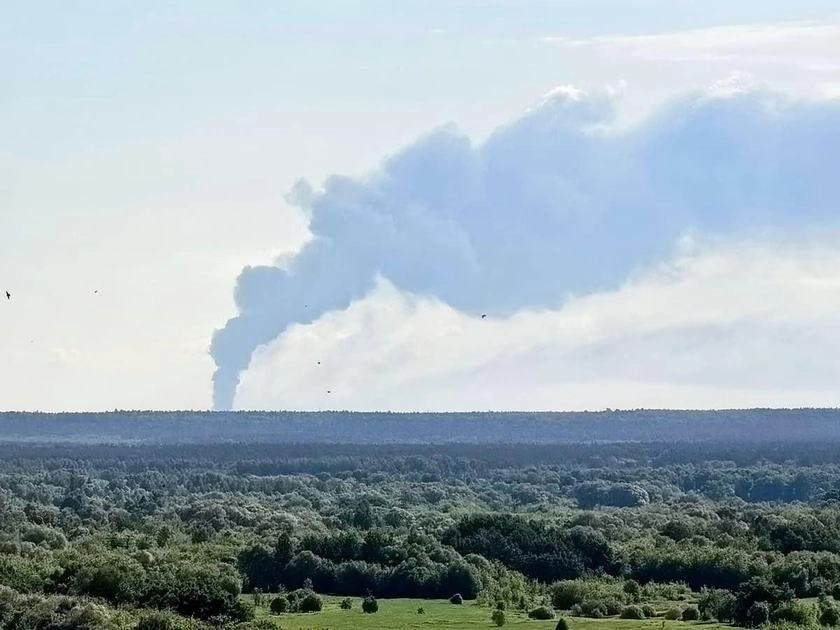
The military confirmed that the Tuapse oil refinery – one of Russia’s key Black Sea export hubs – was struck again, with hits on a storage tank area triggering a fire. A separate strike targeted the Hvardiiske oil depot in occupied Crimea. Kyiv said the attacks are aimed at reducing Russia’s logistical capacity.
The Tuapse refinery, which is integrated with a Black Sea export terminal, was hit for the second time in less than a week. A previous fire at the site burned for several days and required more than 150 emergency personnel to extinguish. Astra reported another large fire in the storage tank area following the latest strike.
Kyiv says such attacks are a response to continued Russian attacks on Ukrainian cities and are designed to reduce Moscow’s oil revenues – a key source of war funding.
Kyrylo Budanov, the head of Ukraine’s Presidential Office, said the strikes are strengthening Ukraine’s position in ongoing negotiations, though some allies have urged restraint amid concerns over rising global energy prices.
You can also highlight the text and press Ctrl + Enter