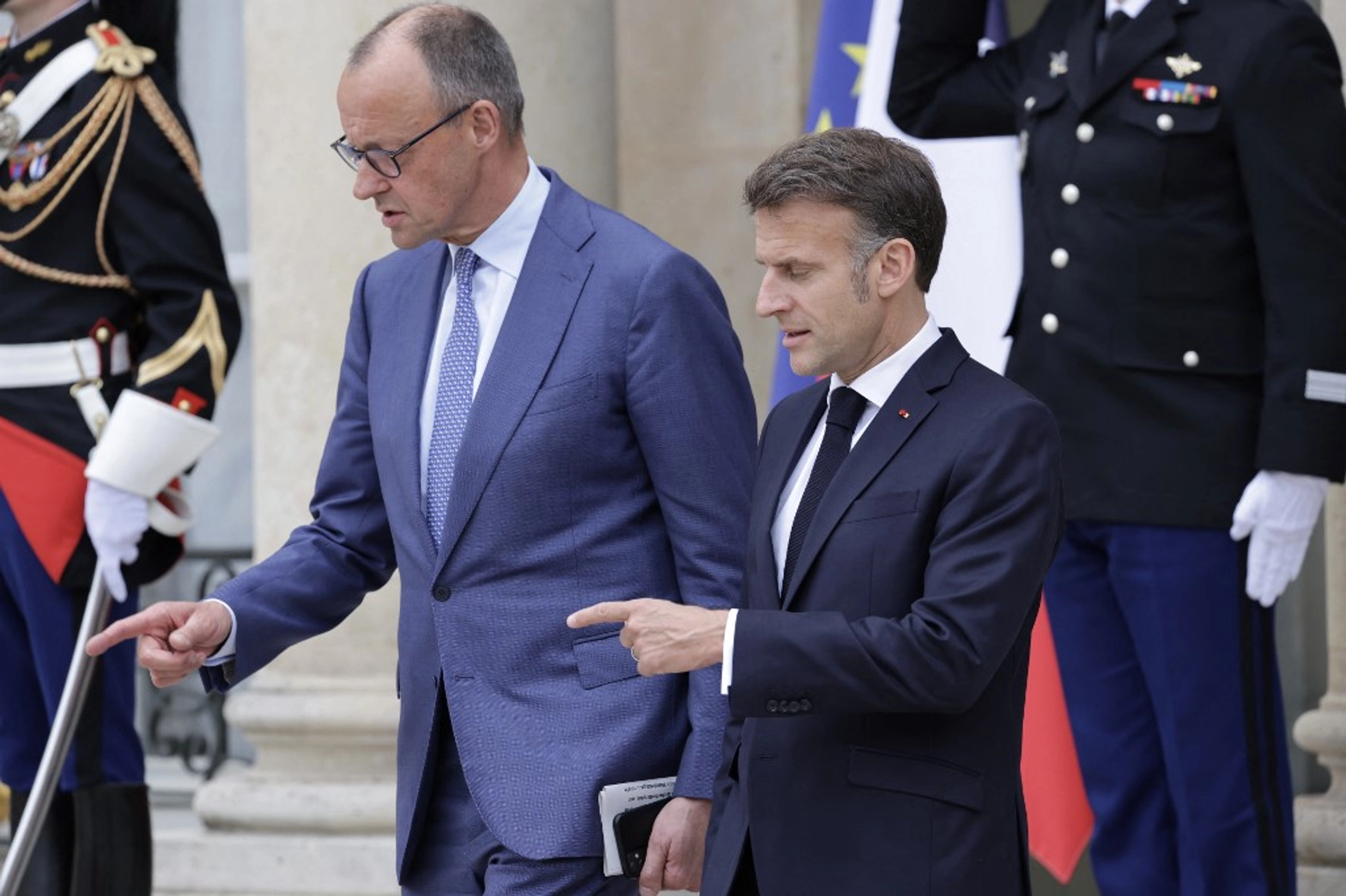
France and Germany are advocating for an associate membership format for Ukraine, as concerns grow within the EU that full accession could take a decade or more, the Financial Times (FT) reported.
This model would allow Ukraine to have representation in the European Parliament and the Council of Ministers, though without the power to vote, the FT reported.
JOIN US ON TELEGRAM
Follow our coverage of the war on the @Kyivpost_official.
The proposal includes gradual integration into the EU single market and specific programs, while delaying access to major regional and agricultural subsidies. Supporters argue this provides a “bridge” to full membership and helps prepare European public opinion.
German Chancellor Friedrich Merz recently described this as a “strategic gradual rapprochement,” noting that immediate full entry is not currently feasible due to the ongoing war and the scale of required reforms.
However, the “gradual” approach faces significant resistance in Kyiv. Foreign Minister Andriy Sybiha has explicitly rejected any “ersatz membership” or “partial” formats, emphasizing that Ukraine seeks full integration with all associated rights and obligations.
This firm stance comes even as the EU prepares a €90 billion loan package and moves toward opening negotiation clusters this summer.
The debate is further complicated by internal EU politics, including a shift in Hungary. While the incoming Hungarian prime minister, Péter Magyar, is expected to approve the €90 billion loan, he has signaled that his support for accession talks remains conditional on Ukraine granting more rights to its Hungarian minority.
Zelensky Mocks Putin’s 15 Failed Deadlines to Capture Donetsk Region
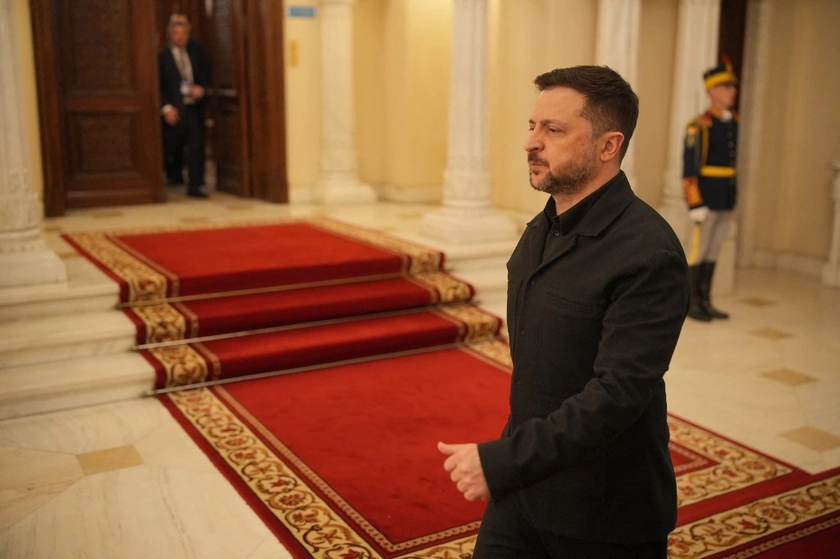
Despite these hurdles, President Volodymyr Zelensky and Moldovan President Maia Sandu continue to push for the formal opening of negotiation clusters without further delay.
You can also highlight the text and press Ctrl + Enter
OPINION: In High-Stakes Bluff, Putin Holds a Losing Hand
Hungary Blocks Ukraine, Moldova’s EU Membership Talks
EU Investigates von der Leyen Over Zelensky Chat