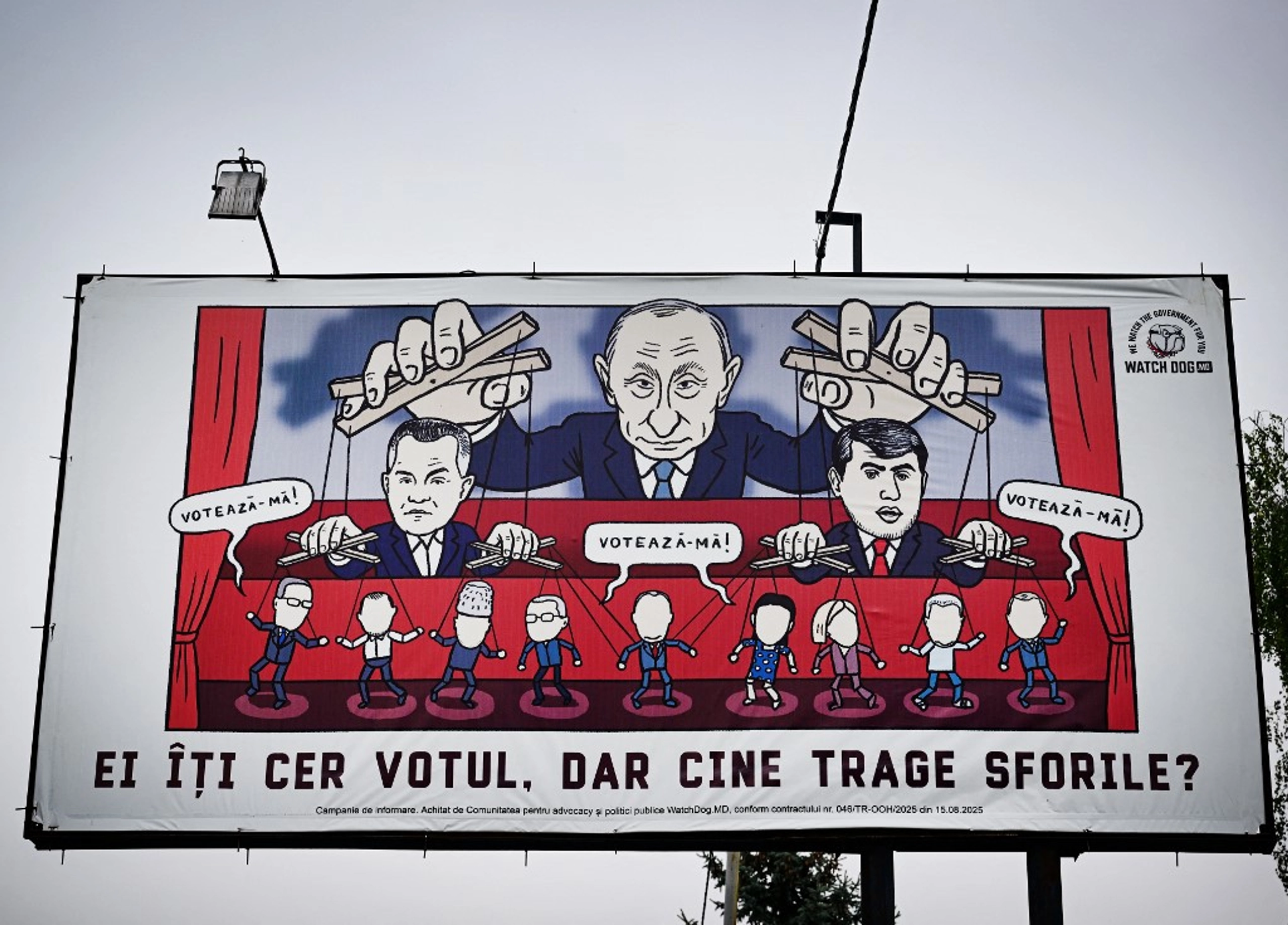
The Russian Foreign Ministry has advised its citizens to refrain from traveling to Moldova, alleging that Russian nationals face systemic discrimination and deliberate harassment by Moldovan authorities upon entering the country.
In a statement released by the Ministry’s press service, Moscow accused Moldova of intensifying discriminatory measures against Russian citizens as part of an “anti-Russian course supported by Western curators.” The warning highlighted the treatment of Russian passport holders at Chisinau International Airport.
JOIN US ON TELEGRAM
Follow our coverage of the war on the @Kyivpost_official.
“It comes down to direct bullying of Russian passport holders arriving at Chisinau airport,” the Ministry’s statement read. “They are subjected to humiliating searches, interrogations, and checks.”
The Ministry further alleged that Russian travelers are frequently forced to wait for hours in transit zones without basic amenities such as food and water. According to the Russian diplomatic corps, Moldovan border officials are demanding that arriving Russian nationals hand over their mobile phones for information checks, which often results in them being “unreasonably” denied entry.
“The practice of artificially delaying inspection procedures is applied, causing passengers to miss their flights,” the Ministry claimed, adding that consular staff from the Russian embassy have been barred from accessing citizens who encounter problems at the border. “In this regard, the Russian Foreign Ministry once again strongly recommends that Russian citizens refrain from traveling to the Republic of Moldova.”
Zelensky Initiates ‘Order of Europe’ State Award
A deepening geopolitical rift
The travel warning comes against the backdrop of deteriorating relations between Moscow and Chisinau, driven in large part by the war in Ukraine and Moldova’s pivot toward Western integration.
Tensions flared last month when Russian President Vladimir Putin signed a decree that simplified the naturalization process for foreign nationals and stateless persons permanently residing in Transnistria.
The Kremlin’s updated terms waived mandatory five-year residency requirements and testing for Russian language proficiency and state history, allowing applicants to apply through diplomatic outposts without stepping foot in Russia.
Moldovan President Maia Sandu issued a condemnation of the decree, warning that Moscow was attempting to use the fast-tracked passport scheme to drag residents of Transnistria directly into the Russian armed forces fighting in Ukraine.
“Probably they need more people to send to the war in Ukraine,” Sandu stated during a recent visit to Estonia, framing the policy as a tactic to threaten Chisinau.
Sandu noted a reverse trend within the breakaway region since the onset of the full-scale invasion of Ukraine. Fearing forced mobilization by Russian forces, a majority of Transnistrian residents have sought Moldovan passports to secure legal protection.
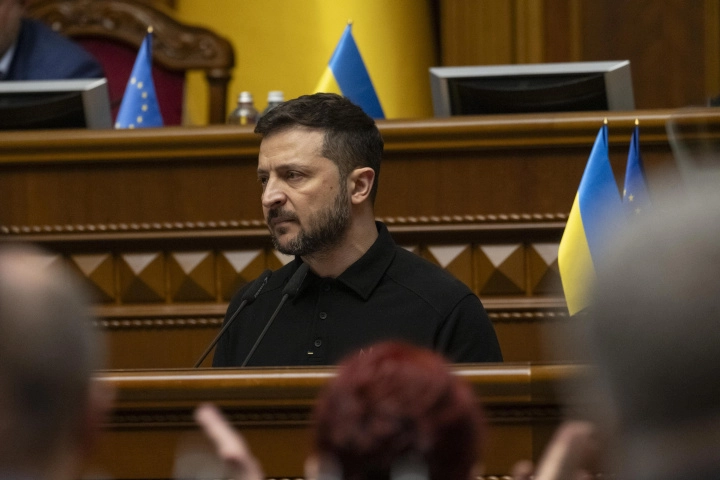
The situation has also drawn concern from Kyiv. President Volodymyr Zelensky condemned the passport decree as “Russia’s way of staking a claim to Transnistria’s territory” and ordered coordinated security measures with Chisinau.
Despite the pressure from Moscow, Moldova remains steadfast in its goal to sign a EU membership treaty by 2028. Addressing the potential for Russia to utilize the Transnistria dispute to freeze the country’s Western integration, Sandu recently stated: “Only the EU can decide whether Moldova can become part of the EU or not. Russia has nothing to do with this.”
You can also highlight the text and press Ctrl + Enter

Attack on Moscow Oil Refinery: Putin Under Pressure?