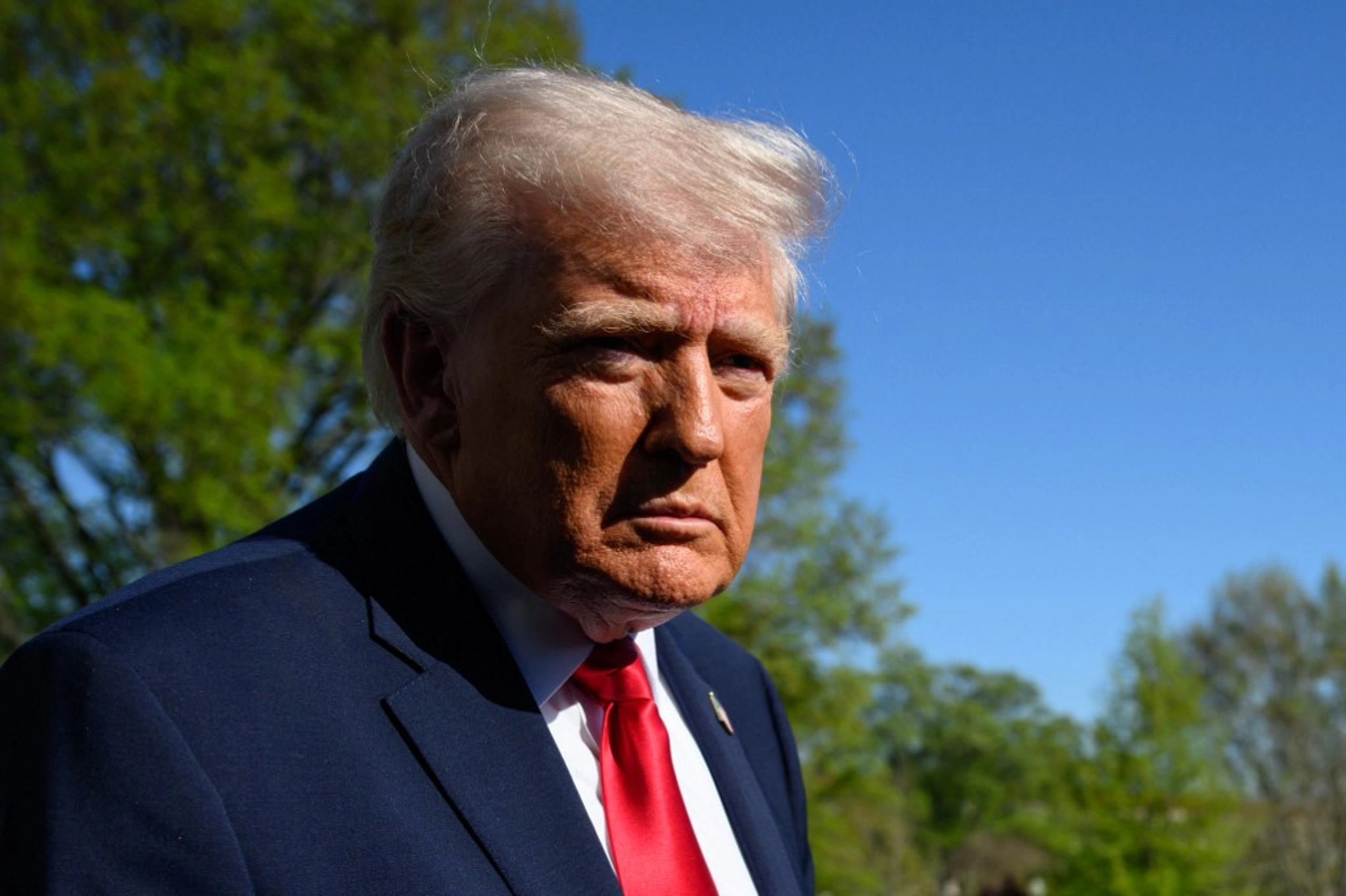
US President Donald Trump said he hopes the newly announced three-day ceasefire between Russia and Ukraine “could” last longer, raising hopes for a broader pause in the more than four-year war.
Speaking to reporters in remarks released by the US State Department, Trump was asked whether the May 9–11 ceasefire could continue beyond the planned three days.
JOIN US ON TELEGRAM
Follow our coverage of the war on the @Kyivpost_official.
“Possibly. It would be good. I would like to see it stop,” Trump said.
“Russia and Ukraine – this is the worst thing that has happened since World War II in terms of human losses. Twenty-five thousand young soldiers every month. It’s madness. So it certainly could be.”
Trump announced Thursday that Russia and Ukraine had agreed to a temporary ceasefire and a mutual exchange of 1,000 prisoners of war each. The agreement was brokered by Washington amid continued efforts to negotiate a broader settlement to the conflict.
President Volodymyr Zelensky confirmed the arrangement and said the prisoner swap would take place on May 9. He also acknowledged the ceasefire agreement covering May 9–11.
Ukraine officially agreed not to disrupt Russia’s Victory Day parade in Moscow as part of the truce arrangement.
The ceasefire follows days of escalating drone attacks and mutual accusations of violations surrounding earlier unilateral truce announcements. Ukraine previously accused Russia of ignoring a Kyiv-backed ceasefire proposal, while Moscow accused Ukraine of launching repeated drone strikes on Russian territory.
Zelensky Mocks Putin’s 15 Failed Deadlines to Capture Donetsk Region
Reuters reported that fighting and aerial attacks continued even as the truce was being negotiated, highlighting deep mistrust between the two sides.
Kremlin spokesman Dmitry Peskov later commented on Zelensky’s decision allowing Russia’s Victory Day parade to proceed without interference.
The May 9 parade remains one of the Kremlin’s most important symbolic events, commemorating the Soviet Union’s victory over Nazi Germany during World War II.
You can also highlight the text and press Ctrl + Enter

Russia Hit by 660-Drone Overnight Barrage Targeting Moscow, Crimea and Key Military Sites