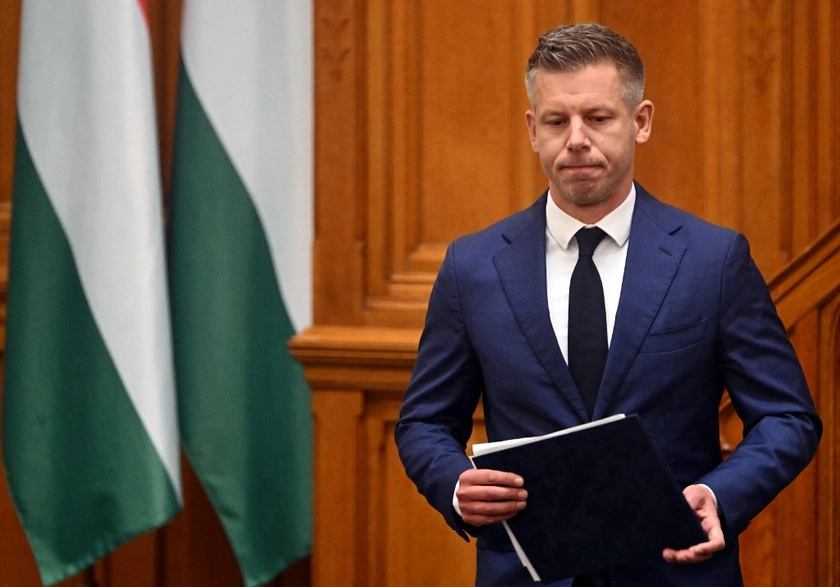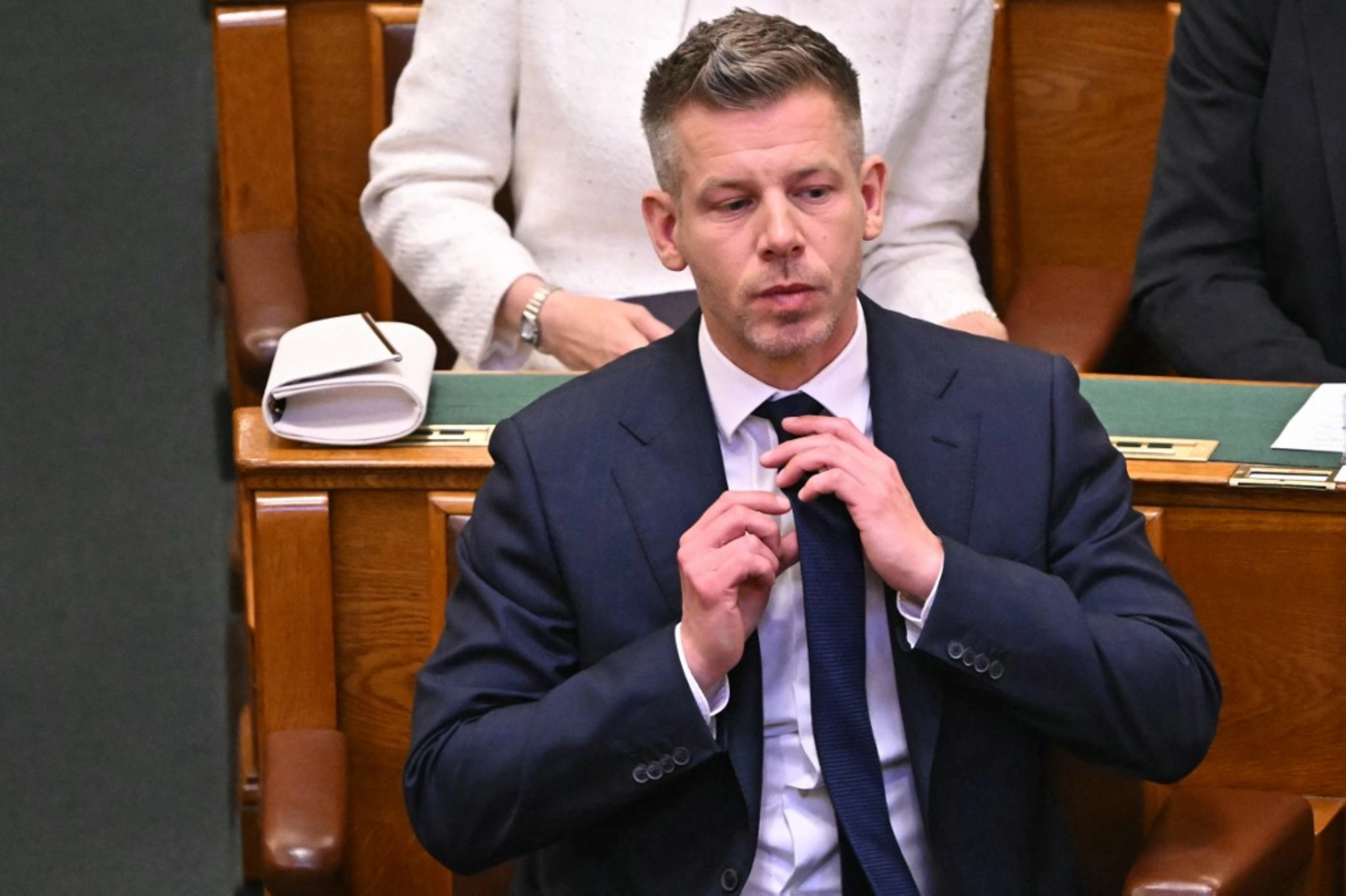
Hungary’s Prime Minister-elect Péter Magyar is heading for a potential clash with Brussels over the EU’s landmark migration pact, just weeks before the sweeping overhaul enters into force in June.
A European Commission progress update, released on Friday, shows Budapest already lagging behind on several core parts of the Pact on Migration and Asylum, agreed in 2024.
JOIN US ON TELEGRAM
Follow our coverage of the war on the @Kyivpost_official.
Magyar, who has pledged to reset relations with the EU while keeping a hard line on migration, said last month that Hungary “will not accept any pact or allocation mechanism” on asylum and migration.
Budapest is also behind on preparations for the upgraded Eurodac fingerprint database, has yet to request its share of the €3 billion set aside for implementation, and has not started key testing procedures.
The report also criticises Hungary for failing to notify where border procedures would take place, not submitting parts of its contingency planning to the EU asylum agency, and – alongside Slovakia – refusing to contribute to the pact’s first ‘solidarity pool‘, the new burden-sharing mechanism included in the pact.
Hungary is also listed among the EU countries that still need to put in place arrangements for free legal counselling for asylum seekers.
Asked what the Commission could do to ensure Hungary complies with the pact, a spokesperson sidestepped questions about possible enforcement tools, saying the EU executive would “not be speculating on the actions of an incoming government that has yet to start”.
Serbia to Reintroduce Mandatory Military Service by Next March
The Commission added that it “will continue working with the new government once it’s in place,” including migration matters.
Magyar visited Brussels in late April for talks with Commission President Ursula von der Leyen aimed at unlocking billions in EU funds frozen over rule-of-law concerns during the Orbán era.
See the original report from Nicoletta Ionta here.
You can also highlight the text and press Ctrl + Enter