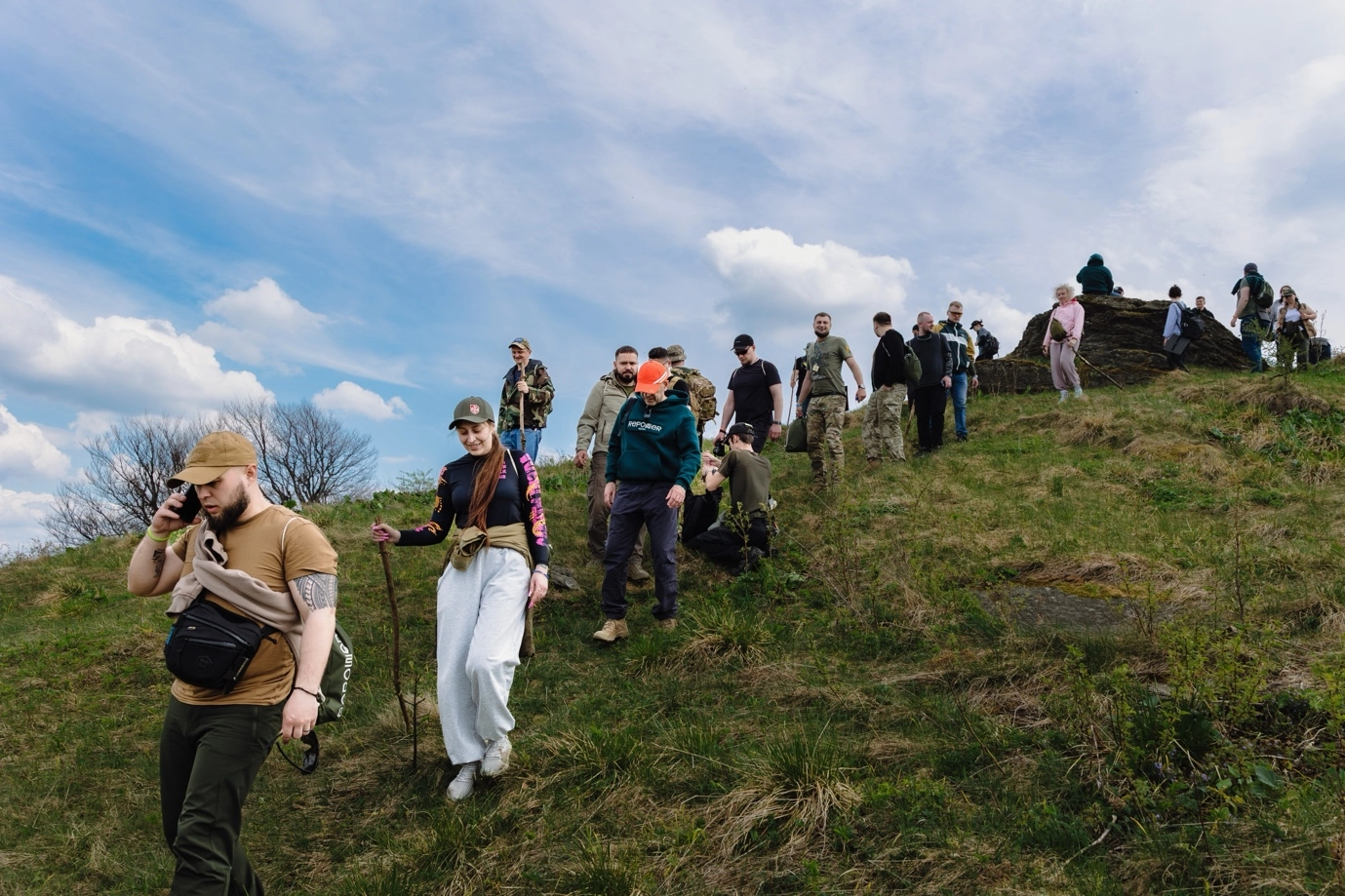
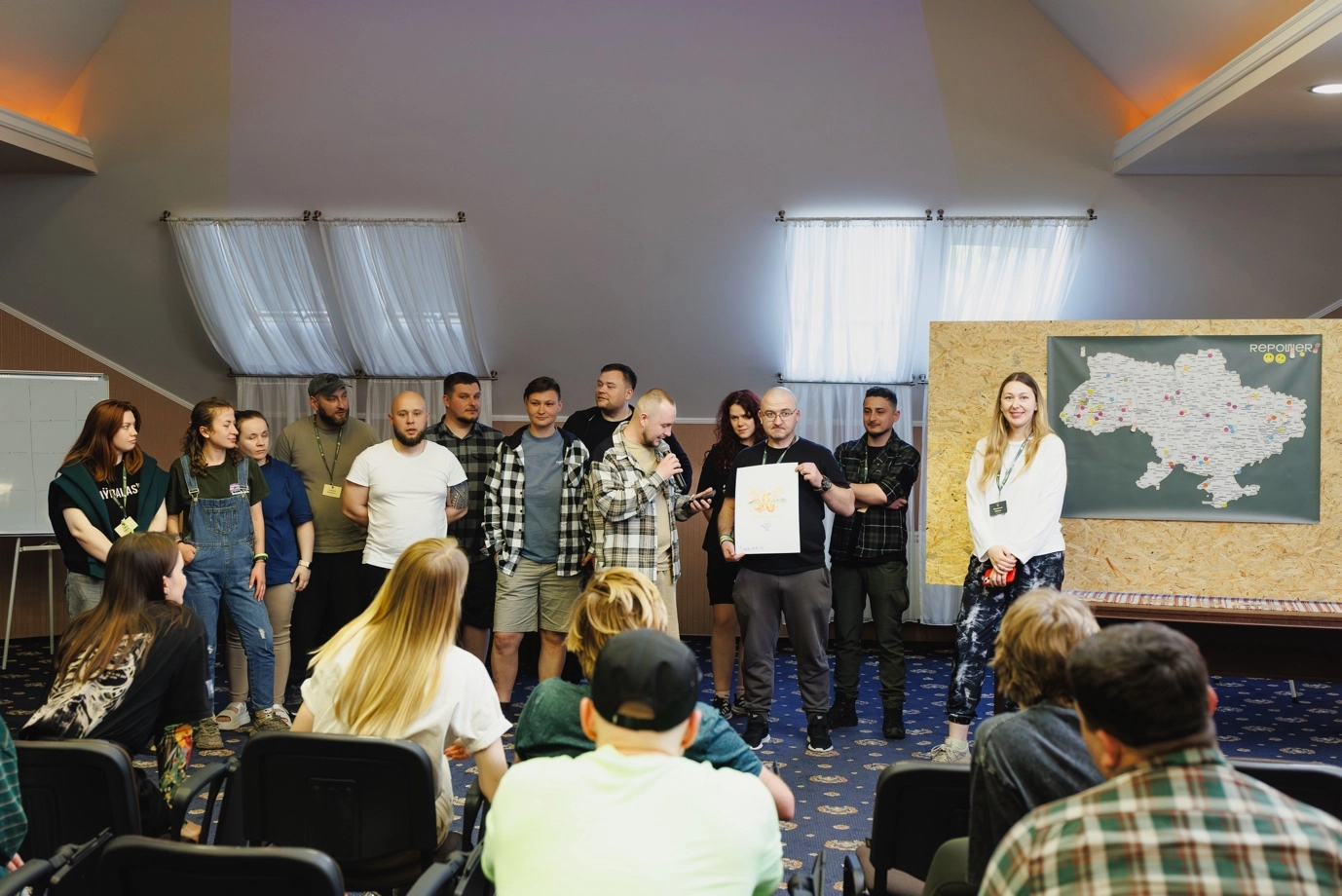
For the second time in its history, the Repower Foundation has brought Ukrainian military medics and doctors to the Carpathians for a 10-day psychological recovery program designed to help frontline personnel reconnect with normal life away from war.
Since 2022, Repower has organized recovery programs for nearly 2,000 Ukrainian military medics and doctors in Ukraine, Sweden, Denmark, and Spain.
JOIN US ON TELEGRAM
Follow our coverage of the war on the @Kyivpost_official.
Kyiv Post had the opportunity to see from the inside how the Repower Carpathians recovery program works and to speak directly with military medics, psychologists and organizers.
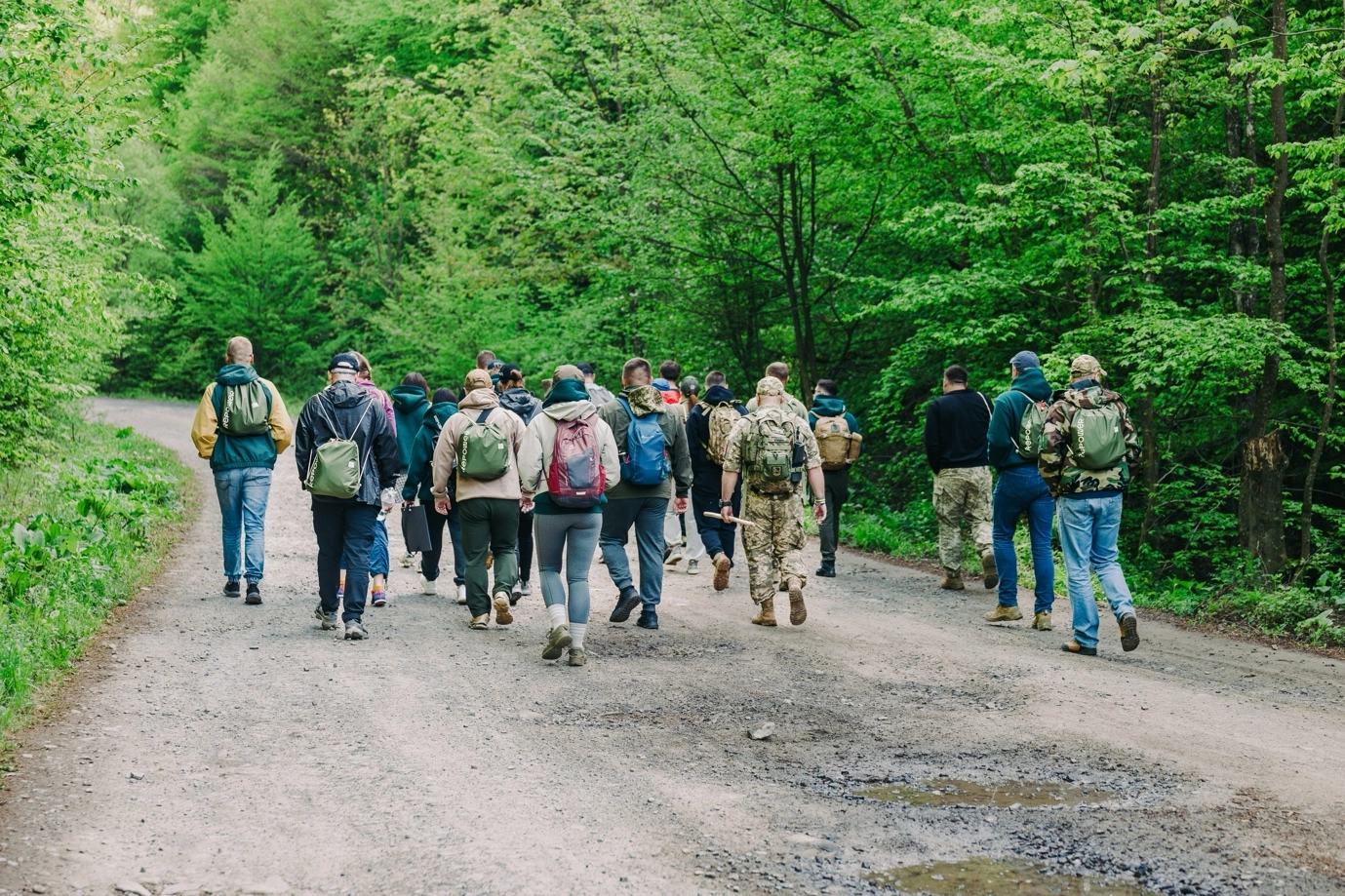
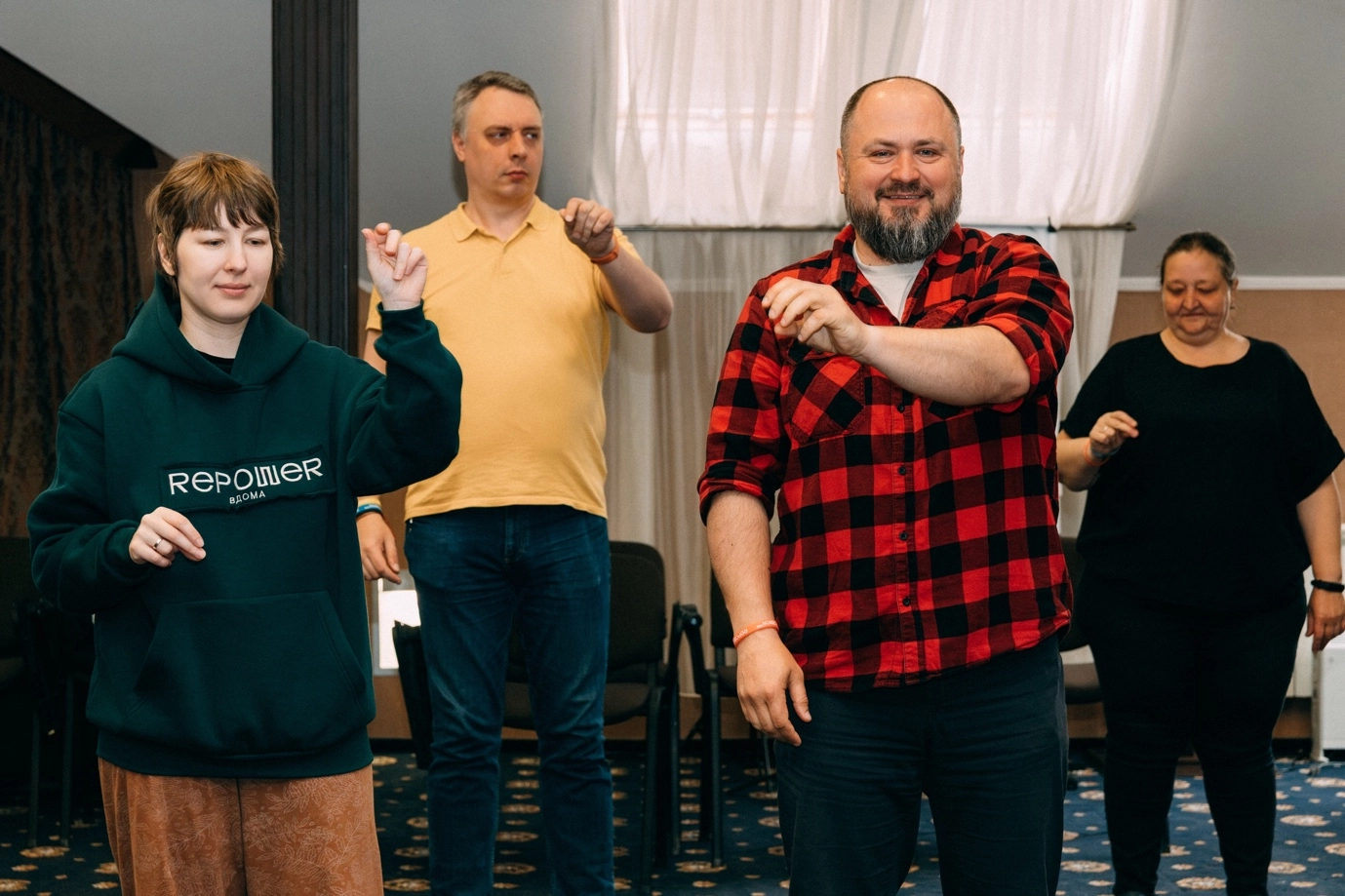
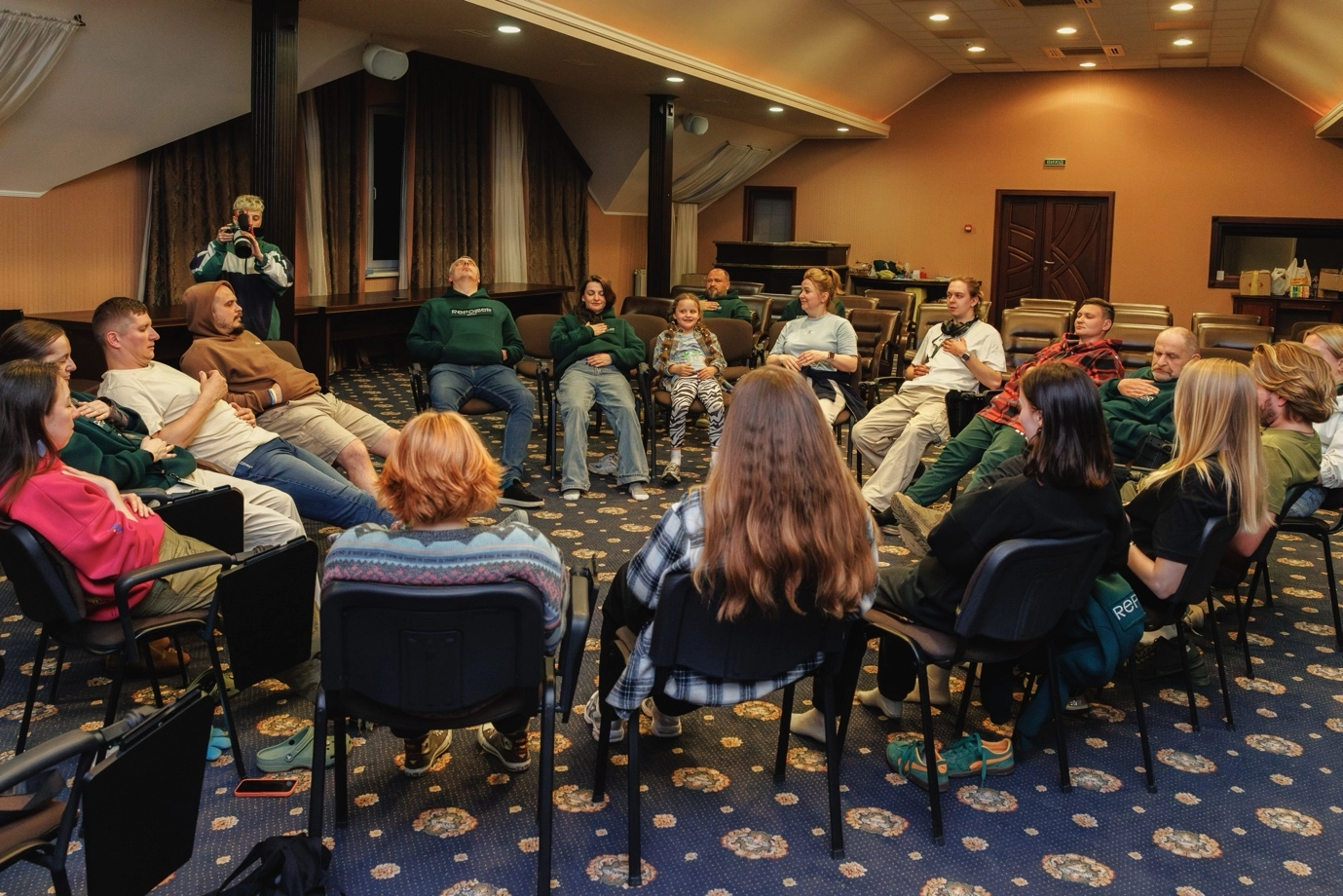
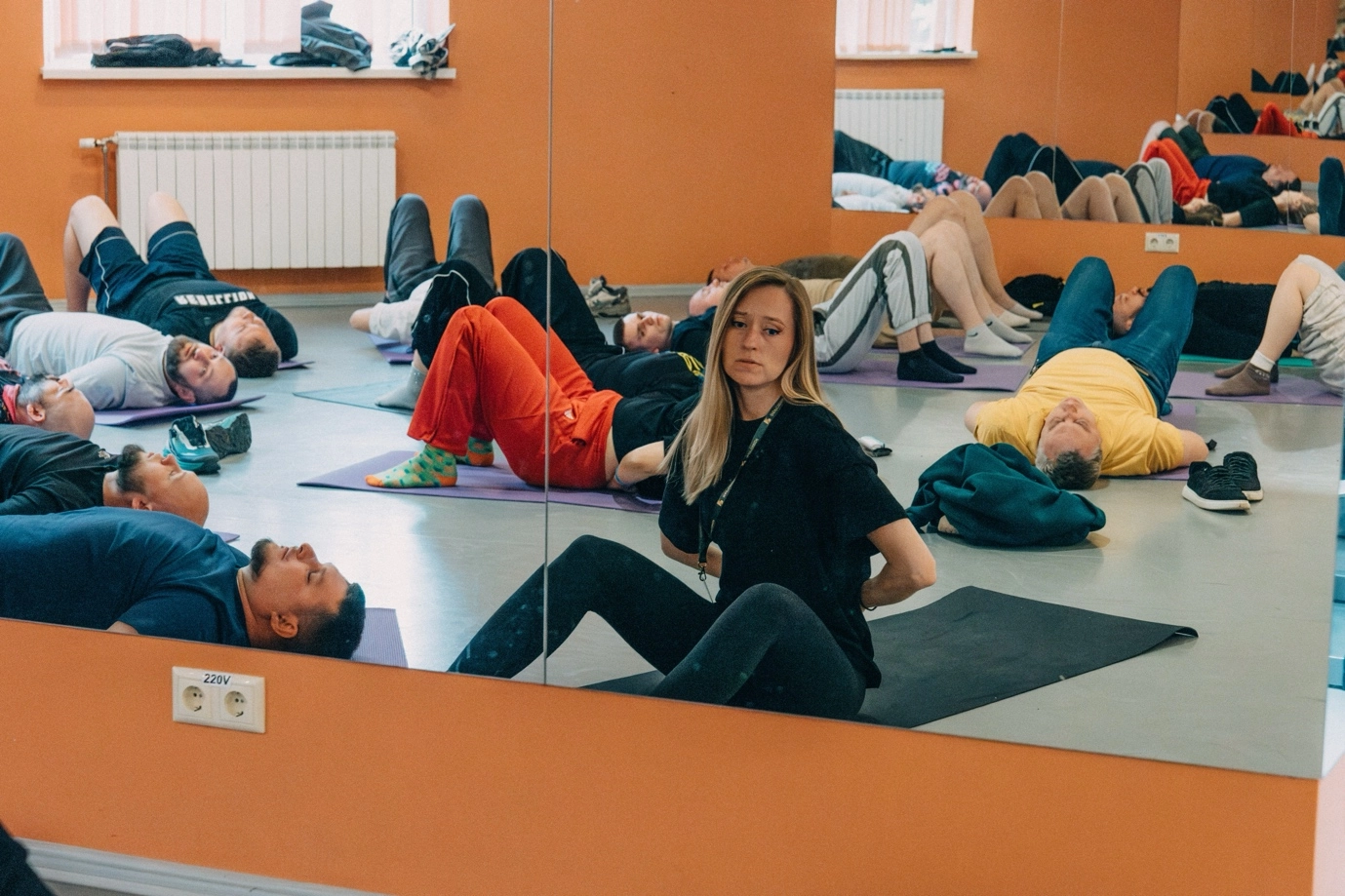
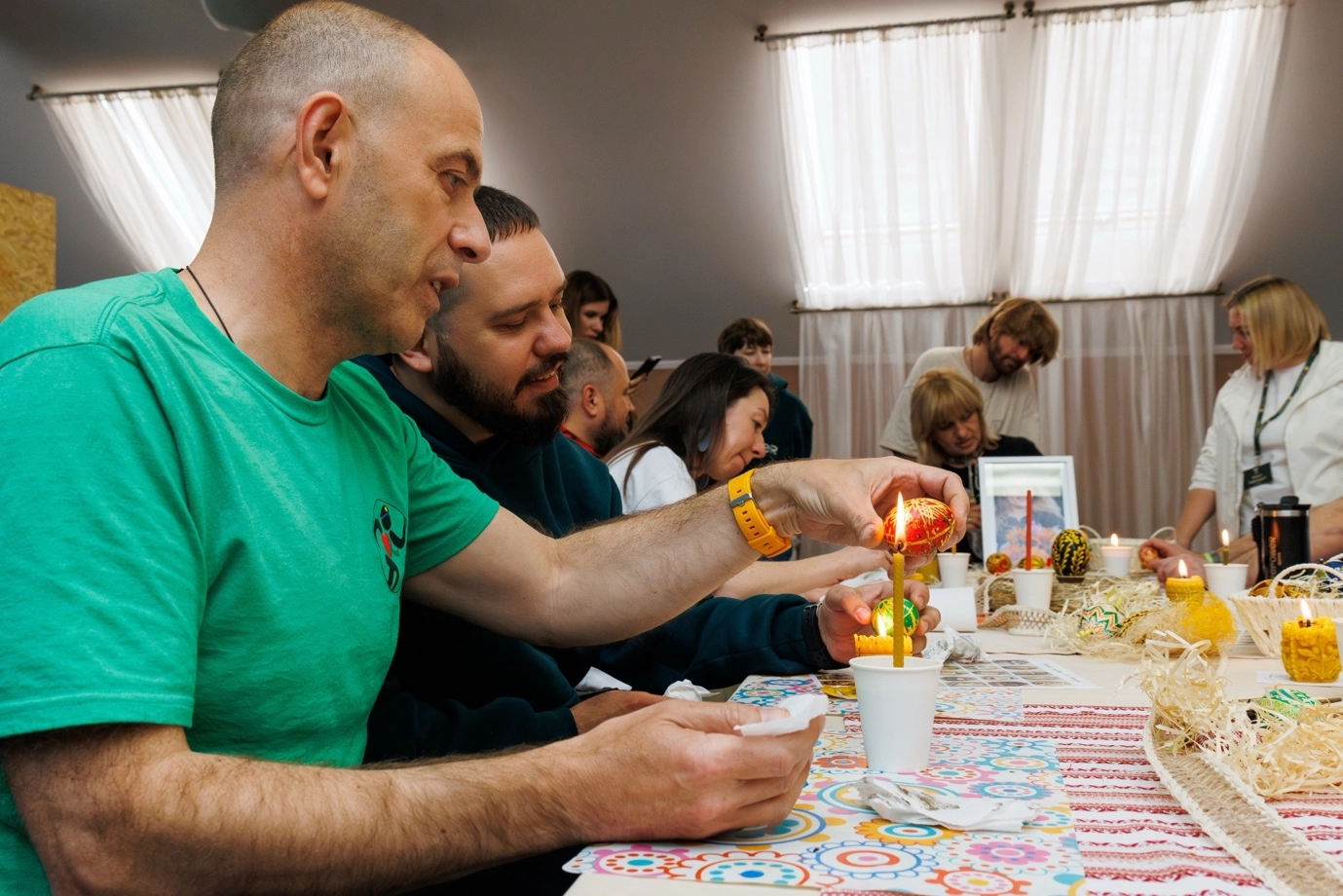
The program combines psychological support, physical practices, neurogymnastics, creative workshops, and time in nature.
Psychologist Yevheniya Kondratyuk said techniques such as neurogymnastics – where the two halves of the body perform different coordinated tasks – help activate both brain hemispheres, supporting new neural connections and improving cognitive recovery, especially after concussions.
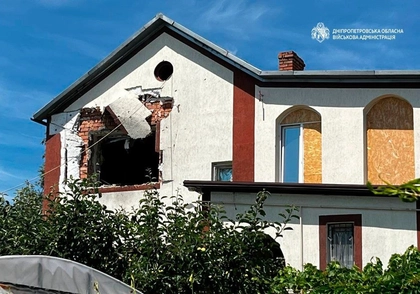
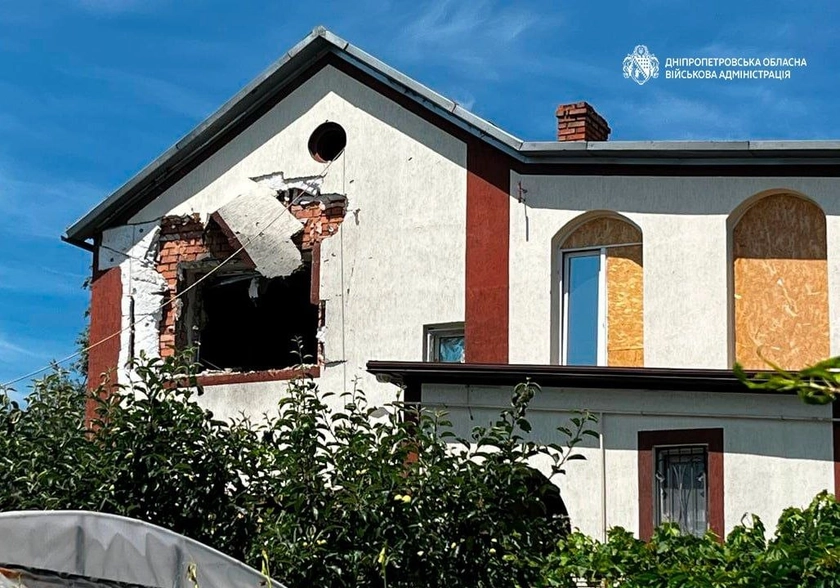
6 Killed, 35 Wounded in Drone, Missile Barrage on Dnipropetrovsk Region
“We are simply restoring their strength and motivation so they have the power to continue the fight,” said Repower co-founder Maryna Sadykova.
Sadykova explained how the program is built as a structured psychological recovery methodology developed in the absence of established global protocols for long-term, continuously active warfare.
It prioritizes initial grounding and stabilization over the first 3-4 days, followed by targeted trauma processing and a final motivational stage aimed at restoring participants’ sense of agency, trust, and belief in others and in victory.
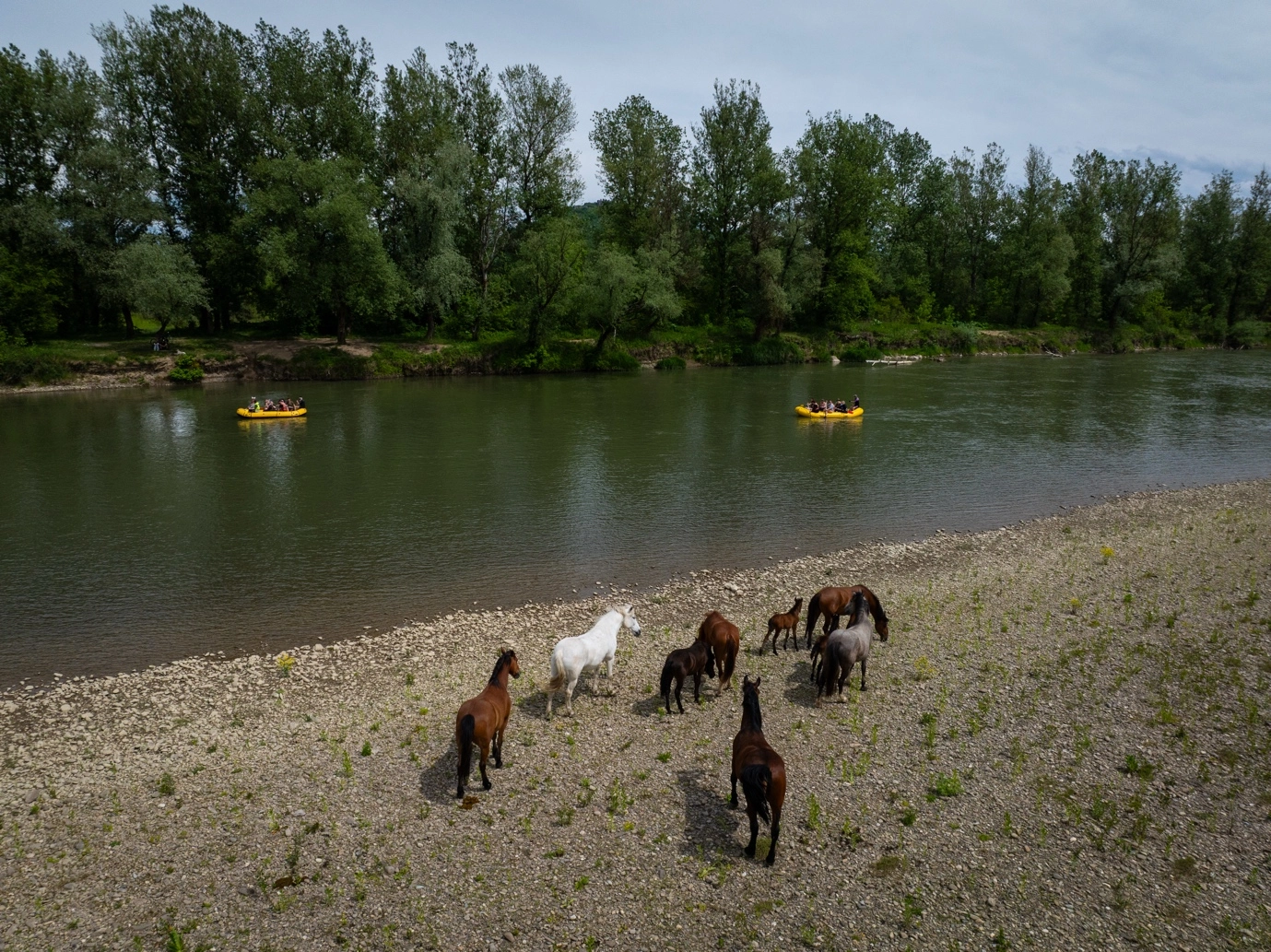
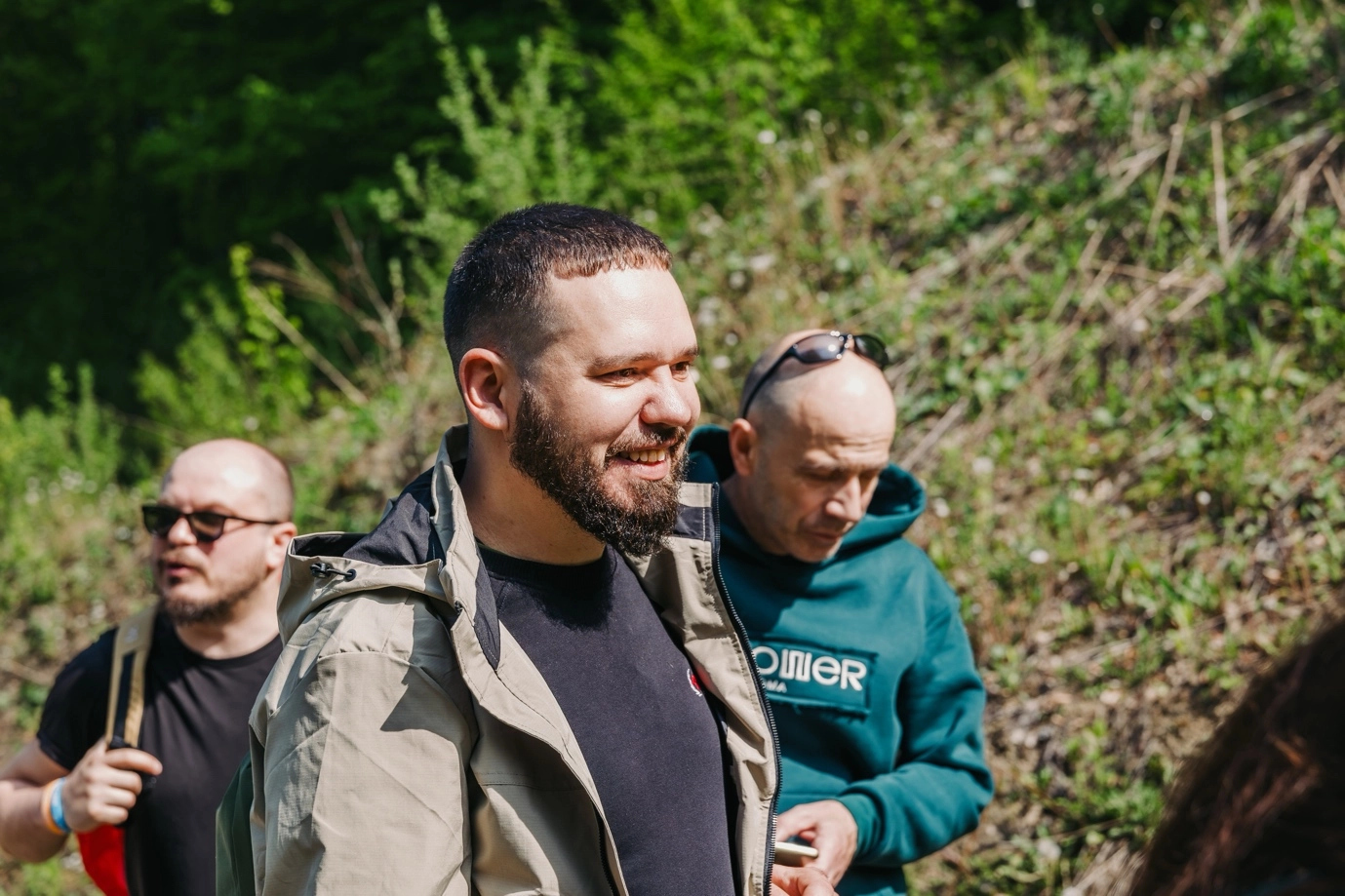
Participants in the Carpathians hiked in the mountains, rafted on rivers, and shared experiences around campfires where servicemen shared favorite poems by Ukrainian authors and read their own poetry aloud.
Participants also joined Easter egg painting workshops, cooked Asian cuisine together, and took part in singing sessions with Ukrainian singer and bandura player Bandura Girl.
For the military medics, the most important aspect is being surrounded by people who understand frontline realities.
“For me, the most valuable thing is that the people around me are the same injured soldiers,” said combat medic Elena Olenivska. “We can cope with things together.”
According to body therapist Olha Kovalchuk, many soldiers arrive unable to fully relax or sleep because their bodies remain in constant survival mode.
“Our goal is to help the nervous system switch from fight-or-flight mode to rest and safety,” she said.
Participants described the experience as a rare moment without psychological heaviness.
“The project has helped me to recover and deal with many of my internal, psychological nuances or problems,” said serviceman Serhiy Zhuravlyov. “You just leave and you know that everything is peaceful here.”
Another participant, border guard Ivan said the program helped him organize his thoughts and deal with stress “constructively, calmly, without breakdowns.”
“This is my second Repower. And after the first one I came back a completely different person.”
The Repower team says it is now working on creating a permanent psychological recovery center in Ukraine capable of supporting more than 3,500 servicemen annually.
“After three or four days, you see people opening up again,” said Repower co-founder Sebastian Lindstrom. “You hear them laughing again.”
“At the end of the day, our main goal here is to give our participants a safe environment to heal, to release, and to find tools they can use to take care of themselves when they are in a tough position,” he adds.
You can also highlight the text and press Ctrl + Enter